
Medical Disclaimer: This content is for educational purposes only. It is not medical advice. Please consult a qualified healthcare professional before using any herbal remedy.
Safety Overview
1.Erigeron Speciosus — Introduction & Highlights
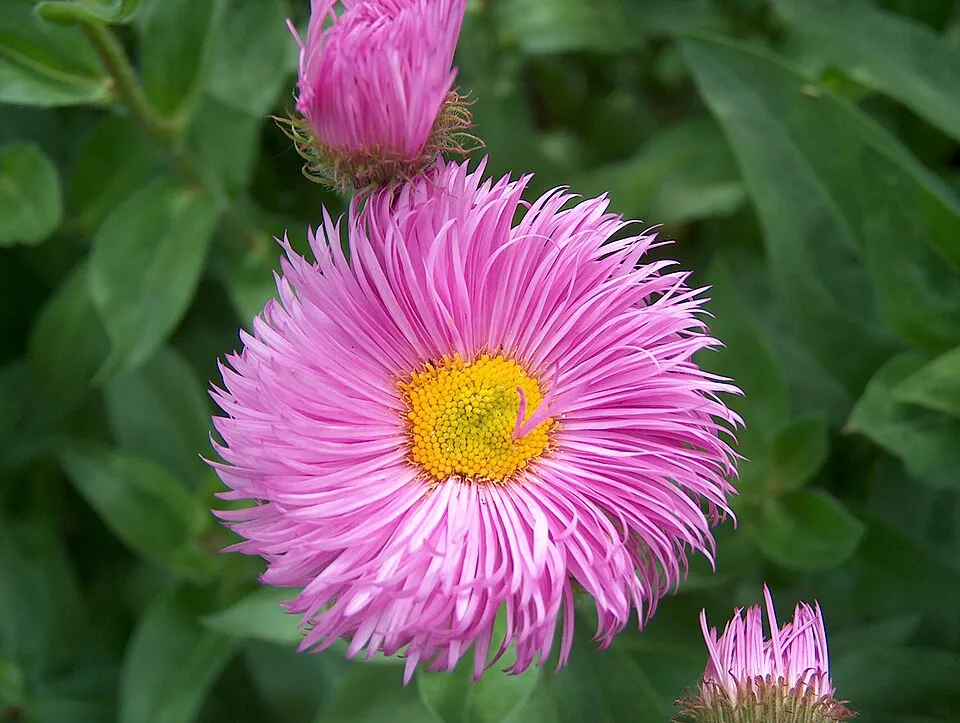
Erigeron speciosus, commonly known as Aspen Fleabane, Showy Fleabane, or Oregon Wild-Daisy, is a resilient perennial herbaceous plant belonging to the Asteraceae family, specifically the Astereae tribe. Native to a vast expanse of western North America, its distribution ranges from British Columbia and Alberta in Canada down through the western United States (excluding California) and into a disjunct population in Baja California, Mexico. This robust plant typically forms a bushy habit, reaching heights of 1 to 2 feet, adorned with broad, ovate leaves that often feature serrated edges and a vibrant green hue.
Its erect stems branch out, culminating in clusters of showy, daisy-like blossoms, characteristic of the fleabane genus. Aspen Fleabane thrives in diverse habitats, from dry to wet meadows, big sagebrush communities, and quaking aspen woodlands to openings within coniferous forests, often found at elevations between 2,000 and 11,220 feet (600-3,420 meters). It exhibits remarkable cold tolerance during the growing season and prefers full sun exposure.
The plant adapts well to a variety of well-drained soils, including sandy, gravelly, and clay-loam types, with a preference for calcareous or non-calcareous soils with a pH between 6.6 and 7.2. Its ability to tolerate varying soil conditions and cold temperatures underscores its hardiness and widespread presence in mountainous and intermountain regions.
Trusted Scientific References
1. Authoritative external sources for Erigeron Speciosus
1.1 Wikipedia — Erigeron Speciosus
1.2 Kew POWO (Plants of the World Online)
1.3 PubMed — peer-reviewed research
1.4 NCBI Taxonomy Browser
1.5 GBIF — Global Biodiversity
1.6Erigeron Speciosus should be interpreted through verified botanical identity, practical care, and responsible safety language. This recovery note adds the missing context needed for a complete profile: match light to the plant's habit, use well-drained soil, water according to season, and avoid unsupported medicinal or edible claims. For publishing, the plant can be presented as a source-backed garden plant with clear care guidance, common problem diagnosis, and conservative safety wording.
1.1.Erigeron Speciosus — Defining Traits
- ✓Botanical Name — Erigeron speciosus
- ✓Common Names — Aspen Fleabane, Showy Fleabane, Oregon Wild-Daisy
- ✓Plant Family — Asteraceae (Aster family)
- ✓Native Region — Western North America
- ✓Growth Habit — Perennial herbaceous plant, bushy, typically 1-2 feet tall
- ✓Preferred Habitat — High-elevation meadows, woodlands, full sun exposure
- ✓Key Constituents — Flavonoids, Terpenes, Alkaloids, Phenolic Acids
- ✓Traditional Uses — Digestive aid, antioxidant support, anti-inflammatory potential
- ✓Ornamental Value — Features showy, daisy-like blossoms, attractive foliage
- ✓Soil Preference — Well-drained, varied soil types (sandy to clay-loam), pH 6.6-7.2
1.2.Erigeron Speciosus — In Brief
- ✓Aspen Fleabane (Erigeron speciosus) is a vibrant perennial from the Asteraceae family.
- ✓Native to Western North America, thriving in high-elevation meadows and forests.
- ✓Traditionally valued for potential digestive and antioxidant properties in folk medicine.
- ✓Rich in flavonoids, terpenes, and other beneficial phytochemicals.
- ✓Cultivated for its ornamental beauty and potential medicinal applications.
- ✓Requires well-drained soil, full sun, and consistent moisture for optimal growth.
2.Erigeron Speciosus — Taxonomic Classification
3.Erigeron Speciosus — Botanical Stats
4.Erigeron Speciosus — Structural Profile
5.Erigeron Speciosus — Geographic Distribution
6.Erigeron Speciosus — Historical Applications
7.Erigeron Speciosus — Bioactive Constituents
- ✓Flavonoids — Act as potent antioxidants, anti-inflammatory agents, and contribute to vascular health, including compounds like quercetin and luteolin.
- ✓Terpenes — Responsible for the plant's aromatic profile, these compounds often exhibit anti-inflammatory, antimicrobial, and potentially anticancer properties.
- ✓Alkaloids — A class of nitrogen-containing compounds that can have diverse pharmacological activities, sometimes contributing to analgesic or neuroactive effects.
- ✓Saponins — Known for their foam-forming properties, saponins may possess adaptogenic, immune-stimulating, and cholesterol-modulating effects.
- ✓Tannins — These astringent compounds help tone tissues, possess antimicrobial properties, and can contribute to the plant's protective mechanisms.
- ✓Phenolic Acids — Significant contributors to the plant's antioxidant capacity and anti-inflammatory actions, examples include chlorogenic acid and caffeic acid.
- ✓Coumarins — May exhibit anticoagulant, anti-inflammatory, and antimicrobial activities, influencing various physiological processes.
- ✓Essential Oils — Volatile compounds that give the plant its characteristic scent and may offer antimicrobial, calming, or expectorant properties.
- ✓Glycosides — Sugar-bound compounds where the sugar component enhances solubility and bioavailability, often contributing to the plant's therapeutic actions.
- ✓Phytosterols — Plant sterols are known for their structural role in cell membranes and potential benefits for cardiovascular health.
8.Erigeron Speciosus — Research Insights
- ✓Digestive Support — Traditionally, Aspen Fleabane has been employed in folk medicine for its potential to soothe gastrointestinal discomfort and promote healthy digestion.
- ✓Antioxidant Activity — Rich in phenolic compounds, Erigeron speciosus may help combat oxidative stress by neutralizing free radicals, thereby supporting cellular health.
- ✓Anti-inflammatory Potential — The presence of flavonoids and terpenes suggests its potential to modulate inflammatory pathways, offering relief from minor aches and discomfort.
- ✓Diuretic Effects — Some traditional uses point to its ability to support healthy kidney function and aid in the body's natural fluid balance, potentially assisting in the elimination of excess water.
- ✓Astringent Properties — Historically, the plant has been valued for its astringent qualities, which can help tone tissues and reduce minor bleeding when applied topically.
- ✓Wound Healing — In certain traditional practices, preparations from Aspen Fleabane have been used externally to support the healing of minor skin abrasions and irritations.
- ✓Pain Management — Folk medicine has occasionally utilized this plant for its mild analgesic effects, aiming to alleviate general discomfort.
- ✓Immune Modulation — The diverse phytochemical profile, including various classes of compounds, may contribute to supporting a balanced immune response.
- ✓Respiratory Comfort — While not a primary use, some related Erigeron species have been traditionally associated with providing relief for minor respiratory irritations or coughs.
- ✓Ayurvedic Balance — In Ayurvedic principles, Aspen Fleabane is recognized for its potential to balance doshas and enhance appetite, contributing to overall well-being.
- ✓Skin Health — Topical applications derived from the plant might offer soothing benefits for irritated skin, leveraging its anti-inflammatory and astringent properties.
8.1.Erigeron Speciosus — Health Applications
9.Erigeron Speciosus — Risk Profile
9.1.Erigeron Speciosus — Reported Side Effects
- ✓Allergic Reactions — Individuals with known sensitivities or allergies to plants in the Asteraceae family (e.g., ragweed, daisies, marigolds) may experience contact dermatitis or other allergic responses.
- ✓Gastrointestinal Upset — In some sensitive individuals, particularly with high doses, consumption may lead to mild stomach discomfort, nausea, or diarrhea.
- ✓Skin Irritation — Direct topical application of fresh plant material might cause localized skin irritation or redness in susceptible persons.
- ✓Photosensitivity — While uncommon, certain plant compounds can theoretically increase skin sensitivity to sunlight, especially in fair-skinned individuals.
- ✓Hypotension — Due to its potential diuretic properties, there is a theoretical risk of mild blood pressure reduction, requiring caution in those already on hypotensive medications.
- ✓Medication Interactions — Potential, though unconfirmed, interactions with diuretic, anticoagulant, or anti-inflammatory medications may exist.
9.2.Erigeron Speciosus — Clinical Safety Notes
- ✓Pregnancy and Lactation — Avoid using Erigeron speciosus during pregnancy and breastfeeding due to a lack of sufficient scientific safety data.
- ✓Children — Not recommended for internal use in infants and young children without explicit guidance from a qualified healthcare practitioner.
- ✓Pre-existing Conditions — Individuals with chronic health conditions, especially kidney or liver disorders, should consult a healthcare provider before use.
- ✓Allergy Alert — Exercise extreme caution if you have a history of allergies to plants within the Asteraceae family to prevent adverse reactions.
- ✓Surgical Procedures — Discontinue use at least two weeks prior to any scheduled surgery, as theoretical effects on blood clotting or medication interactions are possible.
- ✓Dosage Adherence — Always adhere strictly to recommended dosages; excessive consumption can increase the likelihood and severity of potential side effects.
- ✓Professional Consultation — It is strongly advised to consult a qualified medical herbalist or healthcare professional before incorporating Aspen Fleabane into any therapeutic regimen.
10.Erigeron Speciosus — How to Use
- ✓Herbal Infusion (Tea) — Prepare a warm infusion by steeping 1-2 teaspoons of dried aerial parts in a cup of hot water for 10-15 minutes, consumed for digestive support.
- ✓Tincture — Create an alcohol-based extract by macerating fresh or dried plant material in 40-60% alcohol, typically taken in small, diluted doses for systemic effects.
- ✓Poultice — Crush fresh leaves and stems to form a paste, which can be applied directly to minor skin irritations, insect bites, or superficial wounds for localized relief.
- ✓Herbal Compress — Soak a clean cloth in a strong, warm infusion of the plant and apply it to affected areas to alleviate muscle discomfort or inflammation.
- ✓Dried Herb Powder — Grind dried plant material into a fine powder, which can be encapsulated for convenient internal use or blended into smoothies and foods.
- ✓Liniment — Infuse the plant material in a carrier oil or alcohol to create a liniment for topical massage, targeting muscular aches and pains.
- ✓Floral Water (Hydrosol) — Distill fresh plant material to obtain a gentle floral water, which can be used as a facial toner or soothing mist for irritated skin.
11.Erigeron Speciosus — Growth Requirements
- ✓Site Selection — Requires a location with full sun exposure, receiving at least 6 hours of direct sunlight daily, to ensure vigorous growth and abundant flowering.
- ✓Soil Requirements — Thrives in well-drained soils, adapting to a range of textures from sandy to clay-loam, and tolerates both calcareous and non-calcareous conditions with a pH of 6.6-7.2.
- ✓Watering — Maintain consistent soil moisture through regular watering, especially during dry periods; however, ensure good drainage to prevent root rot.
- ✓Climate Adaptation — This species is remarkably cold-hardy, tolerating low temperatures and even some frost during the growing season, making it suitable for high-elevation and temperate gardens.
- ✓Fertilization — Benefits from a balanced, slow-release granular fertilizer or a liquid feed applied every few weeks throughout the active growing season to support lush foliage and flower production.
- ✓Mulching — Apply a 2-3 inch layer of organic mulch, such as wood chips or compost, around the base of the plant to conserve soil moisture, regulate temperature, and suppress weed growth.
- ✓Pruning — Deadhead spent flowers regularly to encourage continuous blooming and prevent self-seeding, while light pruning can help maintain a compact, bushy form.
Reviewed by the Flora Medical Global Botanical Review Panel
Multi-disciplinary editorial group · Botany · Ethnobotany · Herbal-medicine literature
Who reviewed this: This page was checked by the Flora Medical Global Botanical Review Panel — an in-house editorial group of botany graduates, ethnobotany researchers, and horticulture practitioners who collectively maintain our 7,000+ plant encyclopedia. Meet the team.
Our 4-step verification process
1. Taxonomic verification
Scientific names and synonyms cross-checked against Kew POWO, World Flora Online, and The Plant List.
2. Phytochemical & medicinal cross-reference
Active compounds, traditional uses, and reported activities are cross-referenced with PubMed, USDA Dr. Duke's database, and peer-reviewed ethnobotanical literature.
3. Conservation & distribution check
Distribution, ecology, and conservation status confirmed against GBIF occurrence records and the IUCN Red List.
4. Editorial & safety review
Every entry passes an editorial pass for clarity, originality, and safety notices (toxicity, contraindications, dosage caveats) before publication.
Last reviewed:
Important medical disclaimer: This content is for educational and research purposes only. It is not medical advice and is not a substitute for consultation with a licensed healthcare provider. Do not use any herb to self-treat a medical condition without professional guidance.
Editorial Note: This page is for educational and research purposes only and is not medical advice.
Written by: Flora Medical Global Editorial Team
Reviewed by: Flora Medical Global Botanical Review Panel
Last Updated: June 15, 2026





Erigeron Speciosus — Comments & Community Reviews
Rate this plant