
Medical Disclaimer: This content is for educational purposes only. It is not medical advice. Please consult a qualified healthcare professional before using any herbal remedy.
Safety Overview
1.Erythronium — At a Glance
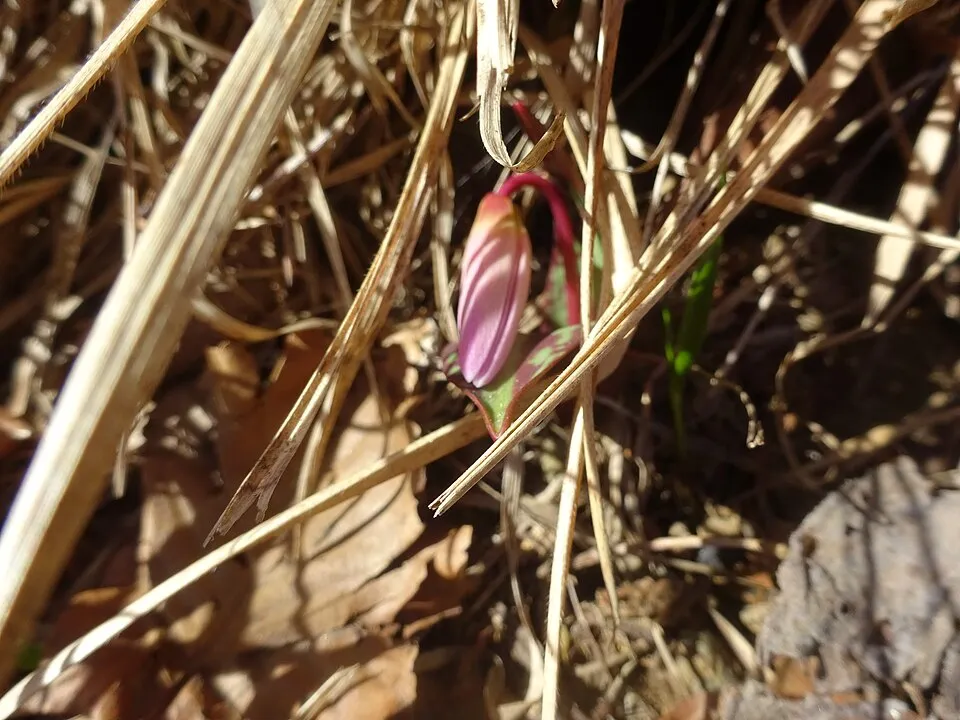
Erythronium dens-canis, commonly recognized as dog-tooth violet, is a captivating perennial plant belonging to the Liliaceae family. It typically grows to a modest height of 15 to 25 cm (6 to 10 inches), making it an ideal understory plant. Its most striking feature is its early spring bloom, where nodding, bell-shaped flowers emerge before or with the foliage.
These delicate flowers exhibit a wide color spectrum, ranging from pale yellow to pristine white, often beautifully variegated with purple or brown mottling, adding to their allure. The plant's broad, lanceolate leaves are equally distinctive, adorned with intricate patterns of light and dark green marbling. Each leaf measures approximately 10 to 20 cm (4 to 8 inches) in length and 3 to 5 cm (1 to 2 inches) in width, arising gracefully from the plant's base.
Native to the diverse forests, scrubs, and mountain grasslands across Europe, Erythronium dens-canis thrives in shaded or partially shaded environments, preferring rich, well-drained soils up to an elevation of 1700 meters. This species is highly valued in woodland gardens and naturalized spring-flowering displays. Taxonomically, it is a prominent member of the Erythronium genus, known for its unique subterranean bulbous roots, which are crucial for its survival during periods of dormancy.
Trusted Scientific References
1. Authoritative external sources for Erythronium dens-canis
1.1 Wikipedia — Erythronium dens-canis
1.2 Kew POWO (Plants of the World Online)
1.3 PubMed — peer-reviewed research
1.4 NCBI Taxonomy Browser
1.5 GBIF — Global Biodiversity
1.6Erythronium should be interpreted through verified botanical identity, practical care, and responsible safety language. This recovery note adds the missing context needed for a complete profile: match light to the plant's habit, use well-drained soil, water according to season, and avoid unsupported medicinal or edible claims. For publishing, the plant can be presented as a source-backed garden plant with clear care guidance, common problem diagnosis, and conservative safety wording.
1.1.Erythronium — Distinguishing Points
- ✓Common Name — Dog's-Tooth Violet
- ✓Scientific Name — Erythronium dens-canis
- ✓Family — Liliaceae
- ✓Native Range — Europe
- ✓Growth Habit — Perennial, bulbous geophyte
- ✓Flowering Season — Early Spring (April-June)
- ✓Flower Color — White, yellow, pink, or purple, often mottled
- ✓Foliage — Distinctive marbled, broad lanceolate leaves
- ✓Habitat — Woodland, scrub, mountain grassland
- ✓Known Toxicity — Contains alkaloids, potential skin irritant
1.2.Erythronium — In Brief
- ✓Ornamental spring ephemeral with unique mottled leaves and charming nodding flowers.
- ✓Contains toxic alkaloids; internal consumption is strongly discouraged and unsafe.
- ✓Traditional folk uses include mild diuretic and diaphoretic properties, but these are largely unverified.
- ✓Can cause skin irritation (dermatitis) upon direct contact with its bulbs.
- ✓Thrives in semi-shade and well-drained, humus-rich soil, ideal for woodland gardens.
- ✓Primarily valued for its aesthetic contribution to early spring landscapes.
2.Erythronium — Botanical Identity
3.Erythronium — Fact Sheet
4.Erythronium — Botanical Description
5.Erythronium — Origin & Spread
6.Erythronium — Folk Medicine Applications
7.Erythronium — Key Phytochemicals
- ✓Alkaloids — The plant notably contains alkaloids, including erythronine, which contribute to its biological activity and are responsible for its potential toxicity, necessitating careful handling.
- ✓Glycosides — Various glycosidic compounds, such as erythrin, are present in Erythronium dens-canis, which can exert diverse physiological effects and warrant caution in any form of consumption.
- ✓Flavonoids — While not specifically isolated for this species, many plants within the Liliaceae family possess flavonoids, known for their antioxidant properties and roles as plant pigments.
- ✓Saponins — Some members of the Liliaceae family are known to contain saponins, which can have expectorant or diuretic actions, though their specific presence and concentration in Erythronium dens-canis require further investigation.
- ✓Phenolic Acids — Common in plant tissues, phenolic acids contribute to antioxidant capacity and plant defense mechanisms, likely present in the foliage and other parts.
- ✓Carbohydrates — The bulb is a rich source of complex carbohydrates and starches, serving as the plant's primary energy reserve and historically used as a survival food after extensive processing.
- ✓Minerals — Like all living plants, Erythronium dens-canis accumulates various essential minerals from the soil, contributing to its overall nutritional and biochemical composition.
- ✓Volatile Compounds — Trace amounts of volatile organic compounds may be present, potentially contributing to the plant's subtle scent or acting as defensive secondary metabolites.
8.Erythronium — Pharmacological Findings
- ✓Traditional Diuretic Support — Historically, the bulbs of Erythronium dens-canis were cautiously employed in some folk medicine practices for their mild diuretic effects, aiming to increase urine output and alleviate fluid retention.
- ✓Folk Remedy for Fevers and Colds — Some traditional European practices attributed diaphoretic properties to the plant, suggesting its use to induce sweating as a means to reduce fever and alleviate symptoms of colds.
- ✓Unverified Anti-inflammatory Use — Anecdotal historical accounts, though lacking scientific validation, occasionally mention the plant's use for minor inflammatory conditions in localized traditional contexts.
- ✓Potential Expectorant Action (Traditional) — Limited folk applications suggested a role in aiding respiratory health by promoting the expulsion of phlegm, although modern scientific evidence is entirely absent for this use.
- ✓Skin Irritation Relief (Topical, Caution Advised) — Very rare historical mentions point to external applications for certain skin irritations, but this is highly discouraged due to the known risk of contact dermatitis.
- ✓General Tonic (Historical, Unsubstantiated) — In some ancient, unspecific herbal texts, spring-blooming plants like Dog's-Tooth Violet were broadly categorized as tonics, lacking any specific evidence of targeted medicinal benefits.
8.1.Erythronium — Indications & Uses
9.Erythronium — Cautions & Contraindications
9.1.Erythronium — Caution Notes
- ✓Gastrointestinal Distress — Ingestion of bulbs or other plant parts can lead to symptoms such as nausea, vomiting, diarrhea, and severe abdominal pain due to alkaloid content.
- ✓Skin Irritation (Dermatitis) — Direct contact with the bulbs, particularly in sensitive individuals, is known to cause allergic reactions, redness, itching, and contact dermatitis.
- ✓Cardiac Effects — Large doses of the plant's alkaloids, including erythronine, may potentially disrupt heart rhythm and function, posing a serious health risk.
- ✓Central Nervous System Depression — High levels of toxic compounds could induce symptoms like drowsiness, dizziness, confusion, or in severe cases, more profound neurological effects.
- ✓Liver or Kidney Strain — Prolonged or excessive consumption of the plant's toxic compounds could potentially place undue stress on vital detoxification organs like the liver and kidneys.
- ✓Oral and Mucosal Irritation — Chewing or ingesting fresh plant material can cause immediate irritation, burning sensations, and inflammation in the mouth and throat.
9.2.Erythronium — Clinical Safety Notes
- ✓Internal Consumption Contraindicated — Due to the presence of toxic alkaloids, Erythronium dens-canis should never be consumed internally without explicit and expert medical supervision.
- ✓Skin Contact Precaution — Individuals with sensitive skin should wear protective gloves when handling the bulbs and other plant parts to prevent potential contact dermatitis and irritation.
- ✓Keep Away from Children and Pets — Ensure the plant is inaccessible to young children and domestic animals, as accidental ingestion can lead to severe poisoning.
- ✓Pregnancy and Lactation — Avoid any form of use during pregnancy and breastfeeding due to insufficient safety data and the presence of potentially harmful compounds.
- ✓Pre-existing Conditions — Individuals with heart conditions, kidney dysfunction, or gastrointestinal sensitivities should strictly avoid any internal use of this plant.
- ✓Professional Guidance Essential — Any traditional or experimental medicinal use must be undertaken only under the strict guidance of a qualified medical herbalist or physician.
- ✓Dosage Unknown for Safety — Safe and effective internal dosages for medicinal purposes are not established, rendering any internal use inherently risky and unadvisable.
10.Erythronium — Usage Guide
- ✓Ornamental Display — The primary and most recommended use for Erythronium dens-canis is for its exceptional aesthetic value in gardens, providing vibrant early spring color and unique foliage.
- ✓Traditional Topical Applications (Caution) — Historically, very limited folk practices involved external use of prepared plant parts for certain skin conditions, requiring extreme caution due to potential dermatitis.
- ✓Folk Diuretic Infusions (Not Recommended) — In some traditional systems, highly diluted infusions from the bulbs were cautiously administered for mild diuretic effects, a practice now strongly discouraged due to toxicity.
- ✓Diaphoretic Decoctions (Internal Avoidance) — Traditional remedies for colds and fevers included decoctions intended to induce sweating, but internal consumption is advised against due to the plant's alkaloid content.
- ✓Emergency Food Source (Historical, Extreme Precaution) — While historical records mention the bulbs and leaves being consumed as a survival food after thorough processing, this is not a recommended modern culinary practice due to toxicity.
- ✓Herbal Compresses (External, Patch Test) — For very limited, unverified external uses, a compress from diluted plant material might have been attempted, always with a prior skin patch test to check for sensitivity.
11.Erythronium — Garden Cultivation
- ✓Soil Preference — Thrives best in well-drained, humus-rich soils, accommodating a pH range from slightly acidic to mildly alkaline (chalky) conditions.
- ✓Light Requirements — Prefers semi-shade or dappled shade, ideally provided by deciduous trees or shrubs, rather than direct, intense sun exposure.
- ✓Planting Depth — Bulbs should be planted approximately 7-10 cm (3-4 inches) deep to ensure proper establishment and encourage robust flowering.
- ✓Moisture Needs — Requires consistently moist soil, especially during its active growth period in spring, but it is crucial to avoid waterlogged conditions.
- ✓Propagation — Primarily propagated by the division of its stoloniferous bulbs in late summer when the plant is dormant, or by fresh seed sown in autumn.
- ✓Flowering Cycle — Typically flowers 3-4 years after germination from seed; established clumps benefit from periodic division every few years to maintain vigor and abundant flowering.
- ✓Hardiness Zone — Hardy in USDA zones 3-7, indicating its tolerance to cold winters and suitability for a wide range of temperate climates.
- ✓Naturalization — An excellent candidate for naturalizing in woodland gardens, under deciduous trees, or in meadow-like settings, where it forms attractive colonies.
Reviewed by the Flora Medical Global Botanical Review Panel
Multi-disciplinary editorial group · Botany · Ethnobotany · Herbal-medicine literature
Who reviewed this: This page was checked by the Flora Medical Global Botanical Review Panel — an in-house editorial group of botany graduates, ethnobotany researchers, and horticulture practitioners who collectively maintain our 7,000+ plant encyclopedia. Meet the team.
Our 4-step verification process
1. Taxonomic verification
Scientific names and synonyms cross-checked against Kew POWO, World Flora Online, and The Plant List.
2. Phytochemical & medicinal cross-reference
Active compounds, traditional uses, and reported activities are cross-referenced with PubMed, USDA Dr. Duke's database, and peer-reviewed ethnobotanical literature.
3. Conservation & distribution check
Distribution, ecology, and conservation status confirmed against GBIF occurrence records and the IUCN Red List.
4. Editorial & safety review
Every entry passes an editorial pass for clarity, originality, and safety notices (toxicity, contraindications, dosage caveats) before publication.
Last reviewed:
Important medical disclaimer: This content is for educational and research purposes only. It is not medical advice and is not a substitute for consultation with a licensed healthcare provider. Do not use any herb to self-treat a medical condition without professional guidance.
Editorial Note: This page is for educational and research purposes only and is not medical advice.
Written by: Flora Medical Global Editorial Team
Reviewed by: Flora Medical Global Botanical Review Panel
Last Updated: June 15, 2026





Erythronium — Comments & Community Reviews
Rate this plant