

Medical Disclaimer: This content is for educational purposes only. It is not medical advice. Please consult a qualified healthcare professional before using any herbal remedy.
Safety Overview
1.Escallonia — Overview
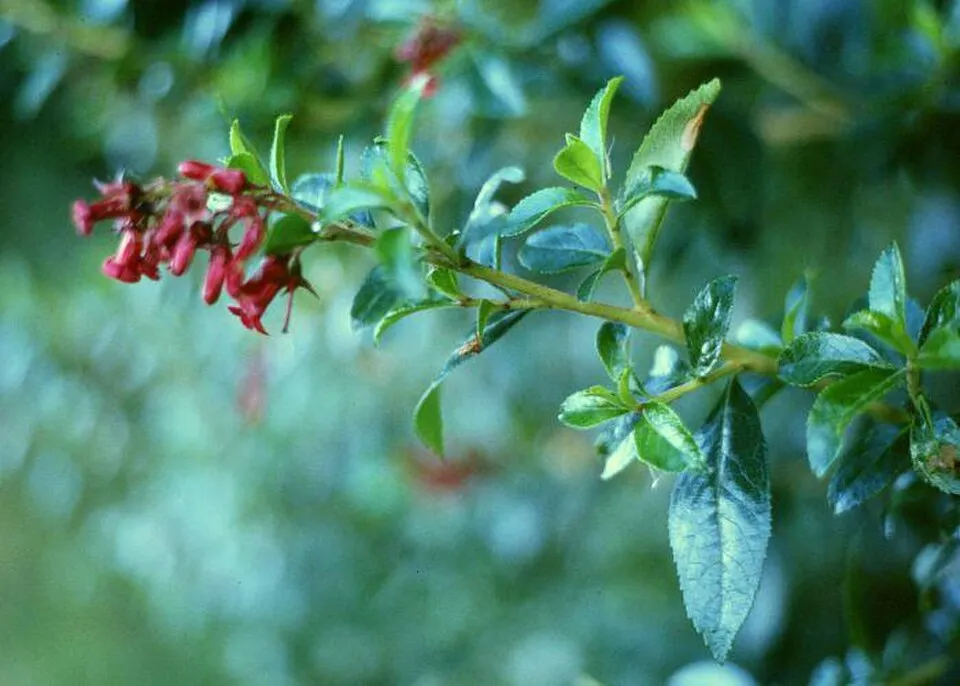
Escallonia rubra, commonly known as Red Escallonia or Redclaws, is a captivating broadleaf evergreen shrub native to the temperate regions of Chile and Argentina, thriving across diverse habitats from coastal cliffs to mountainous terrains. This robust member of the Escalloniaceae family typically reaches heights of 3 to 15 feet (0.9 to 4.5 meters) and spreads equally wide, forming a dense, rounded, and often spreading habit. Its foliage consists of lustrous, dark green leaves, ovate to lanceolate in shape, measuring 1 to 3 inches (2.5 to 7.5 cm) long, with finely serrated margins and a somewhat sticky, glossy texture.
The bark is characteristically grayish-brown and subtly furrowed, providing a textural contrast to the vibrant leaves. During the summer months, and sometimes extending into fall, Escallonia rubra produces an abundance of showy, tubular flowers arranged in clusters of 4 to 40. These blossoms exhibit a striking color range from deep pink to bright crimson-red, often with a hint of white, each about 1 inch (2.5 cm) in diameter.
These fragrant flowers are a significant draw for pollinators, including bees and hummingbirds. While primarily valued for its ornamental appeal in landscaping, where it serves as an excellent hedging plant, windbreak, or specimen shrub, its resilience to salt spray and varying soil conditions underscores its adaptability. Its natural distribution extends to small areas of coastal Oregon and Northern California as an introduced species, where it can be found along roads, bluffs, and beaches.
Trusted Scientific References
1. Authoritative external sources for Escallonia rubra
1.1 Wikipedia — Escallonia rubra
1.2 Kew POWO (Plants of the World Online)
1.3 PubMed — peer-reviewed research
1.4 NCBI Taxonomy Browser
1.5 GBIF — Global Biodiversity
1.6Escallonia should be interpreted through verified botanical identity, practical care, and responsible safety language. This recovery note adds the missing context needed for a complete profile: match light to the plant's habit, use well-drained soil, water according to season, and avoid unsupported medicinal or edible claims. For publishing, the plant can be presented as a source-backed garden plant with clear care guidance, common problem diagnosis, and conservative safety wording.
1.1.Escallonia — Standout Qualities
- ✓Botanical Name — Escallonia rubra (Red Escallonia, Redclaws).
- ✓Evergreen Foliage — Dense, glossy green leaves, ovate to lanceolate with serrated margins.
- ✓Showy Flowers — Clusters of tubular, deep pink to bright red flowers blooming in summer and fall.
- ✓Native Range — Indigenous to temperate regions of Chile and Argentina.
- ✓Adaptability — Tolerant of salt spray, frost, and various well-drained soil types and pH levels.
- ✓Pollinator Friendly — Flowers attract bees and hummingbirds.
- ✓Ornamental Value — Ideal for hedging, screening, or as a specimen plant.
- ✓Growth Habit — Rounded, dense, spreading shrub, reaching 3-15 feet in height and width.
- ✓Chemical Profile — Contains beneficial phenolic compounds and flavonoids.
- ✓Low Maintenance — Requires minimal care, with occasional pruning for optimal form.
1.2.Escallonia — Concise Overview
- ✓Escallonia rubra — Evergreen shrub native to Chile/Argentina, known for glossy leaves and red/pink tubular flowers.
- ✓Rich in flavonoids and phenolic compounds, offering potential antioxidant and anti-inflammatory benefits.
- ✓Primarily ornamental; thrives in full sun, well-drained soil, and tolerates salt spray and frost.
- ✓No established traditional medicinal internal uses; caution advised with ingestion.
- ✓Attracts pollinators and is excellent for hedges and windbreaks in coastal regions.
- ✓Low maintenance, but benefits from post-flowering pruning for structure.
2.Escallonia — Scientific Profile
3.Escallonia — Quick Facts
4.Escallonia — Structural Profile
5.Escallonia — Where It Grows
6.Escallonia — Ethnobotanical Uses
7.Escallonia — Secondary Metabolites
- ✓Flavonoids — Key compounds like quercetin, kaempferol, and their glycosides are present, known for their potent antioxidant, anti-inflammatory, and cardioprotective actions.
- ✓Phenolic Acids — Includes gallic acid, caffeic acid, and ferulic acid, which contribute significantly to the plant's antioxidant capacity and may possess antimicrobial properties.
- ✓Tannins — Both hydrolyzable and condensed tannins are likely present, providing astringent properties that can be beneficial for skin health and mucosal membranes.
- ✓Triterpenes — Compounds such as ursolic acid and oleanolic acid derivatives might be found, often associated with anti-inflammatory and hepatoprotective activities.
- ✓Essential Oils — Volatile compounds contributing to the plant's aroma, potentially including monoterpenes and sesquiterpenes, which can have antimicrobial or insect-repellent properties.
- ✓Coumarins — Simple coumarins or furanocoumarins may be present, sometimes linked to anticoagulant or photosensitizing effects.
- ✓Saponins — These glycosides can have surfactant properties and are sometimes associated with immune-modulating or cholesterol-lowering effects.
- ✓Alkaloids — While less common in this family, trace amounts of nitrogen-containing compounds could be present, often with potent pharmacological activities.
- ✓Glycosides — Various sugar-bound compounds, including cyanogenic glycosides or cardiac glycosides, which can have specific physiological impacts.
- ✓Lignans — Phenolic compounds that can exhibit antioxidant, anti-inflammatory, and even anti-cancer properties.
- ✓Sterols — Plant sterols such as beta-sitosterol are common, offering potential benefits for cholesterol management and anti-inflammatory action.
- ✓Chlorogenic Acid — A prominent ester of caffeic acid and quinic acid, known for its strong antioxidant activity and potential role in glucose metabolism.
8.Escallonia — What Research Suggests
- ✓Antioxidant Support — Escallonia rubra contains phenolic compounds and flavonoids, which are potent antioxidants that help neutralize free radicals and protect cells from oxidative damage, contributing to overall cellular health.
- ✓Anti-inflammatory Properties — The rich profile of secondary metabolites, particularly flavonoids, suggests potential anti-inflammatory effects that could help mitigate inflammatory responses in the body.
- ✓Antimicrobial Activity — Certain plant extracts, often rich in phenolic acids, may exhibit antimicrobial properties, potentially inhibiting the growth of various bacteria and fungi.
- ✓Skin Health Promotion — The antioxidant and anti-inflammatory compounds could support skin integrity and aid in soothing minor irritations or promoting a healthy complexion when applied topically.
- ✓Digestive Aid — Traditionally, plants rich in tannins might offer mild astringent effects, potentially assisting with minor digestive discomforts or promoting gut lining health.
- ✓Cardiovascular Support — Flavonoids are often associated with supporting cardiovascular health by improving blood vessel function and reducing oxidative stress on the heart.
- ✓Immune System Modulation — The presence of various phytochemicals may contribute to modulating the immune system, enhancing its ability to respond to pathogens and maintain balance.
- ✓Wound Healing — Topical application of extracts rich in compounds like tannins and flavonoids might aid in minor wound healing by promoting tissue regeneration and offering antiseptic qualities.
- ✓Respiratory Comfort — Astringent and anti-inflammatory compounds could potentially offer relief for minor respiratory irritations, though specific research is needed.
- ✓Analgesic Potential — Some plant-derived compounds are known for mild pain-relieving effects, which could be explored in Escallonia rubra due to its anti-inflammatory constituents.
- ✓Diuretic Effects — Certain plant components can act as mild diuretics, potentially assisting the body in expelling excess fluids and supporting kidney function.
- ✓Mood Enhancement — While not directly proven, the aromatic qualities of some plant compounds can have subtle effects on mood and relaxation, contributing to overall well-being.
8.1.Escallonia — Health Applications
9.Escallonia — Adverse Effects
9.1.Escallonia — Reported Side Effects
- ✓Allergic Reactions — Sensitive individuals may experience skin irritation or allergic contact dermatitis upon direct contact with leaves or flowers.
- ✓Digestive Upset — Ingesting large quantities of any plant material, including Escallonia rubra, could potentially lead to mild digestive discomfort, nausea, or stomach upset.
- ✓Photosensitivity — While not commonly reported, some plant compounds can induce photosensitivity, making skin more susceptible to sunburn.
- ✓Astringent Overuse — Excessive internal use of highly astringent plant parts could theoretically lead to nutrient malabsorption or constipation.
- ✓Interactions with Medications — Hypothetically, some phytochemicals could interact with certain medications, particularly anticoagulants or anti-inflammatory drugs, though specific data is lacking.
- ✓Skin Discoloration — Topical application of concentrated extracts might temporarily stain the skin due to high tannin content.
- ✓Pregnancy and Lactation — Lack of safety data necessitates avoidance during pregnancy and lactation due to unknown effects on fetal development or infant health.
9.2.Escallonia — Clinical Safety Notes
- ✓General Safety — Escallonia rubra is primarily cultivated as an ornamental plant, with no widespread traditional internal medicinal use reported, suggesting caution with ingestion.
- ✓Topical Application — Generally considered safe for external handling, though sensitive individuals should perform a patch test before extensive skin contact.
- ✓Ingestion Advisory — Internal consumption is not recommended without specific scientific backing and professional guidance due to unstudied pharmacological effects.
- ✓Children and Pets — Keep plant material out of reach of small children and pets to prevent accidental ingestion and potential adverse reactions.
- ✓Pregnancy and Breastfeeding — Due to insufficient data, pregnant and breastfeeding individuals should strictly avoid any internal use of Escallonia rubra.
- ✓Allergen Potential — Individuals with known plant allergies, especially to members of the Escalloniaceae family, should exercise caution.
- ✓Medication Interactions — Consult a healthcare professional before using any plant-derived product, especially if on existing medications, to rule out potential interactions.
10.Escallonia — Preparation & Dosage
- ✓Ornamental Use — Widely used in landscaping for hedging, screening, mass planting, or as a specimen shrub due to its dense growth and showy, fragrant flowers.
- ✓Aromatic Infusion — Leaves can be steeped in hot water to create an aromatic infusion, potentially for topical washes or as a gentle, non-medicinal beverage.
- ✓Topical Poultice — Crushed fresh leaves could hypothetically be applied as a poultice for minor skin irritations or bruises, leveraging potential astringent properties.
- ✓Decoction for Baths — A stronger decoction of stems and leaves might be added to bathwater for a soothing, aromatic experience, though not for medicinal claims.
- ✓Botanical Extract — For research purposes, extracts can be prepared using various solvents (e.g., ethanol, water) to isolate and study specific phytochemicals.
- ✓Essential Oil Distillation — While not a primary source, leaves and flowers might yield trace amounts of essential oils through steam distillation for aromatic applications.
- ✓Culinary Garnish (Caution) — Though not traditionally consumed, flowers could potentially serve as an edible garnish for visual appeal, but prior research on safety is crucial.
- ✓Windbreak or Barrier — Due to its dense growth and tolerance to wind and salt, it is an excellent choice for creating natural windbreaks or living barriers in coastal gardens.
11.Escallonia — Propagation & Care
- ✓Soil Preference — Thrives in well-drained, sandy loam to clay soils; adaptable to a wide range of pH levels from acidic to alkaline (pH 8.0).
- ✓Light Requirements — Prefers full sun (6+ hours of direct sunlight daily) but can tolerate partial shade, though flowering may be reduced.
- ✓Water Needs — Requires consistent moisture but is tolerant of occasionally dry conditions once established; good drainage is crucial to prevent root rot.
- ✓Pruning — Benefits from regular pruning after flowering to maintain a strong structure, shape, and promote abundant blooms; tolerant of severe pruning.
- ✓Climate Suitability — Best suited for coastal states and USDA Zones 8a-10b; tolerant of salt spray and frost but intolerant of high inland summer heat and humidity.
- ✓Propagation — Can be propagated effectively by seed or stem cuttings, with stem cuttings being a common method for maintaining cultivar characteristics.
- ✓Spacing — Allow 10-15 feet of space for growth when planting as a specimen or in a hedge to accommodate its mature dimensions.
- ✓Pest and Disease — Generally robust with no serious issues, though minor problems like scale insects and Escallonia leaf spot can occasionally occur.
Reviewed by the Flora Medical Global Botanical Review Panel
Multi-disciplinary editorial group · Botany · Ethnobotany · Herbal-medicine literature
Who reviewed this: This page was checked by the Flora Medical Global Botanical Review Panel — an in-house editorial group of botany graduates, ethnobotany researchers, and horticulture practitioners who collectively maintain our 7,000+ plant encyclopedia. Meet the team.
Our 4-step verification process
1. Taxonomic verification
Scientific names and synonyms cross-checked against Kew POWO, World Flora Online, and The Plant List.
2. Phytochemical & medicinal cross-reference
Active compounds, traditional uses, and reported activities are cross-referenced with PubMed, USDA Dr. Duke's database, and peer-reviewed ethnobotanical literature.
3. Conservation & distribution check
Distribution, ecology, and conservation status confirmed against GBIF occurrence records and the IUCN Red List.
4. Editorial & safety review
Every entry passes an editorial pass for clarity, originality, and safety notices (toxicity, contraindications, dosage caveats) before publication.
Last reviewed:
Important medical disclaimer: This content is for educational and research purposes only. It is not medical advice and is not a substitute for consultation with a licensed healthcare provider. Do not use any herb to self-treat a medical condition without professional guidance.
Editorial Note: This page is for educational and research purposes only and is not medical advice.
Written by: Flora Medical Global Editorial Team
Reviewed by: Flora Medical Global Botanical Review Panel
Last Updated: June 15, 2026





Escallonia — Comments & Community Reviews
Rate this plant