
Medical Disclaimer: This content is for educational purposes only. It is not medical advice. Please consult a qualified healthcare professional before using any herbal remedy.
Safety Overview
1.Eupatorium Garden — Plant Snapshot
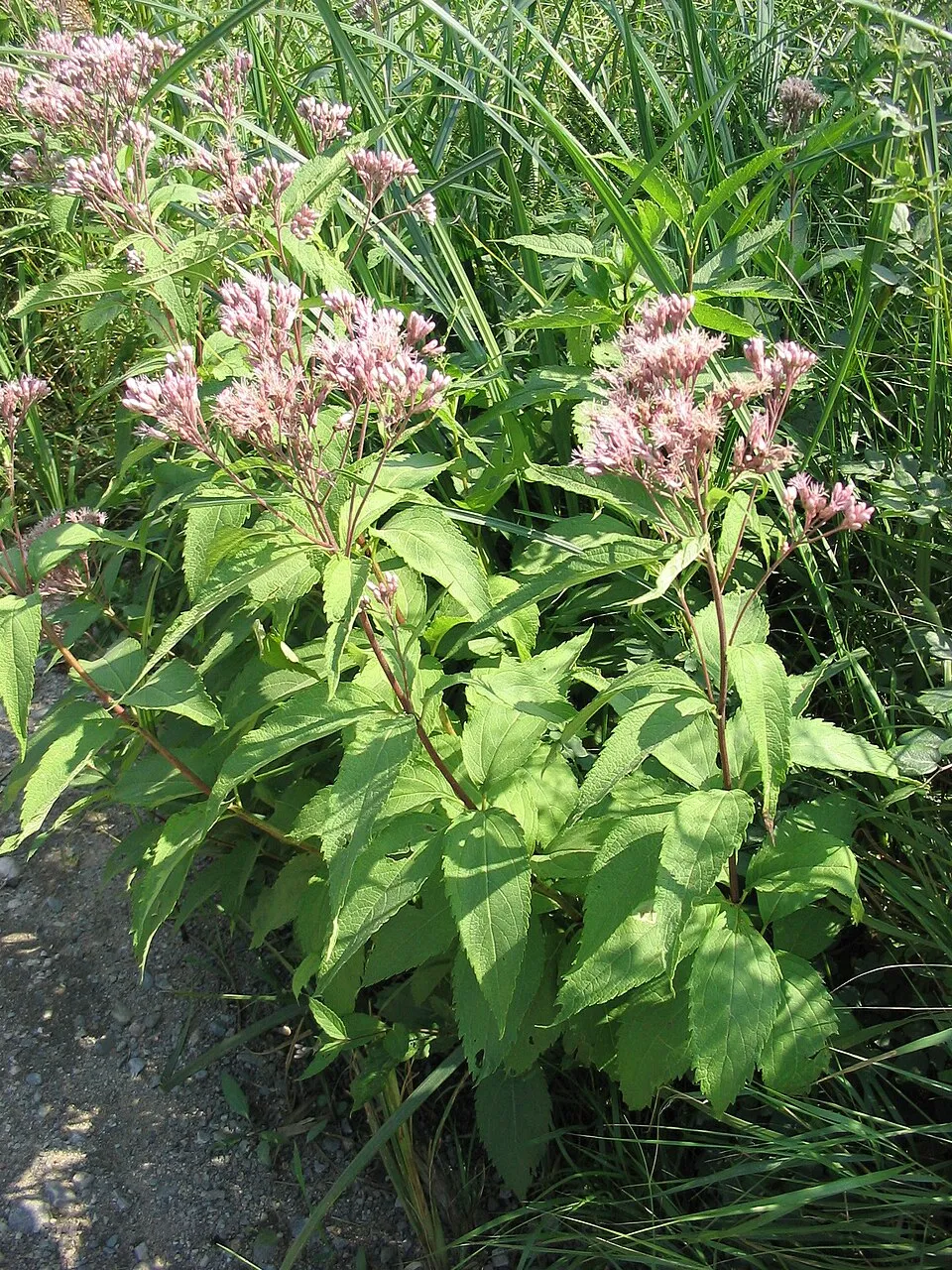
Eupatorium maculatum, commonly known as Joe Pye Weed or Eupatorium Garden, is a stately perennial herbaceous plant belonging to the expansive Asteraceae family. This robust species typically reaches an impressive height of 1.2 to 1.8 meters (4 to 6 feet) at maturity, forming a commanding presence in its native landscapes. Its foliage consists of elongated, lanceolate leaves, which can extend up to 15 cm (6 inches) in length, featuring a glossy green surface and subtly serrated margins. The plant's most striking feature is its dense, dome-shaped clusters of pale purple to lavender flowers, measuring 5 to 7.5 cm (2 to 3 inches) in diameter, which bloom profusely from mid-summer through early autumn.
These vibrant inflorescences are highly attractive to a diverse array of pollinators, including various species of bees and butterflies, contributing significantly to local biodiversity. The erect stems often exhibit a distinctive reddish-purple mottling, adding to its ornamental appeal. Eupatorium maculatum is indigenous to the moist meadows, damp thickets, and wetland margins across eastern and central North America, spanning from Newfoundland to British Columbia and south to Washington and New York. It thrives in rich, organic, well-drained yet consistently moist soils, adapting to a range of pH levels from mildly acidic to basic.
This resilient species is well-suited for USDA hardiness zones 3 to 8, making it a versatile choice for temperate garden climates. Taxonomically, it is part of the Eupatorium genus, which comprises approximately 40 flowering plant species, often recognized for their aromatic qualities and attractive bloom structures.
Trusted Scientific References
1. Authoritative external sources for Eupatorium maculatum
1.1 Wikipedia — Eupatorium maculatum
1.2 Kew POWO (Plants of the World Online)
1.3 PubMed — peer-reviewed research
1.4 NCBI Taxonomy Browser
1.5 GBIF — Global Biodiversity
1.6Eupatorium Garden should be interpreted through verified botanical identity, practical care, and responsible safety language. This recovery note adds the missing context needed for a complete profile: match light to the plant's habit, use well-drained soil, water according to season, and avoid unsupported medicinal or edible claims. For publishing, the plant can be presented as a source-backed garden plant with clear care guidance, common problem diagnosis, and conservative safety wording.
1.1.Eupatorium Garden — Standout Qualities
- ✓Common Name — Joe Pye Weed, Spotted Joe Pye Weed, Eupatorium Garden.
- ✓Botanical Family — Asteraceae (Daisy family).
- ✓Native Range — Eastern and Central North America.
- ✓Mature Height — Typically 1.2 to 1.8 meters (4 to 6 feet).
- ✓Flower Color — Pale purple to lavender.
- ✓Bloom Time — Mid to late summer through early fall.
- ✓Traditional Uses — Antipyretic, diaphoretic, diuretic, anti-rheumatic.
- ✓Preferred Habitat — Moist meadows, wetlands, damp thickets.
- ✓Pollinator Attractor — Highly attractive to bees and butterflies.
- ✓USDA Hardiness Zones — Hardy in zones 3 to 8.
- ✓Stem Characteristics — Erect stems often with reddish-purple mottling.
1.2.Eupatorium Garden — Snapshot Summary
- ✓Eupatorium maculatum, or Joe Pye Weed, is a tall, ornamental perennial native to North American wetlands.
- ✓Renowned for its attractive purple flower clusters that are highly beneficial to pollinators.
- ✓Possesses a rich history of traditional medicinal use, particularly for fevers, respiratory issues, and as a diuretic.
- ✓Generally regarded as safe for use, but accurate identification is paramount to avoid confusion with toxic relatives within the Eupatorium genus.
- ✓Valued for its ecological contribution, aesthetic appeal, and versatile herbal applications.
- ✓Thrives in moist, rich soils in USDA hardiness zones 3 to 8.
2.Eupatorium Garden — Scientific Profile
3.Eupatorium Garden — Quick Facts
4.Eupatorium Garden — Morphological Account
5.Eupatorium Garden — Geographic Distribution
6.Eupatorium Garden — Cultural & Traditional Roles
7.Eupatorium Garden — Active Compounds
- ✓Flavonoids — Contains various flavonoid glycosides, such as derivatives of quercetin and kaempferol, which possess potent antioxidant and anti-inflammatory properties, contributing to cellular protection and immune modulation.
- ✓Sesquiterpene Lactones — While Eupatorium maculatum is generally considered free of hepatotoxic pyrrolizidine alkaloids (PAs) found in some other Eupatorium species, related sesquiterpene lactones may be present, imparting bitter principles and potential anti-inflammatory or antimicrobial effects.
- ✓Volatile Oils — Contains trace amounts of essential oils, which contribute to the plant's subtle aroma and may offer mild diaphoretic and expectorant qualities.
- ✓Phenolic Acids — Includes caffeic acid and chlorogenic acid derivatives, known for their strong antioxidant activity and roles in plant defense mechanisms, also offering anti-inflammatory benefits.
- ✓Polysaccharides — Complex carbohydrates that may contribute to immunomodulatory effects and provide structural support, potentially enhancing the body's natural defenses.
- ✓Tannins — Astringent compounds that can help to tone tissues, reduce inflammation, and may contribute to the plant’s traditional use in digestive and external applications.
- ✓Saponins — Natural glycosides that can have expectorant and anti-inflammatory properties, potentially aiding in respiratory tract clearance.
- ✓Alkaloids — While not a primary class of active compounds, trace amounts of nitrogen-containing alkaloids might be present, requiring careful consideration of the whole plant's pharmacology.
8.Eupatorium Garden — Research Insights
- ✓Antipyretic Action — Traditionally utilized by Native American herbalists to reduce fevers and alleviate symptoms associated with colds and flu, promoting a return to normal body temperature.
- ✓Diaphoretic Properties — Induces sweating, which is beneficial for cooling the body during febrile states and assisting in the detoxification process through skin excretion.
- ✓Diuretic Effects — Promotes increased urine flow, supporting kidney function and aiding in the elimination of excess fluids and toxins from the body.
- ✓Respiratory Support — Employed in traditional practices to soothe coughs, ease congestion, and enhance overall respiratory function, particularly during periods of seasonal illness.
- ✓Digestive Aid — Infusions made from the leaves have been historically consumed to support healthy digestion and alleviate mild gastrointestinal discomfort.
- ✓Anti-rheumatic Potential — A decoction prepared from the roots has been traditionally applied externally as a wash to alleviate pain and inflammation associated with rheumatic joints.
- ✓Kidney and Liver Complaints — Used in traditional medicine to address various complaints related to kidney and liver health, supporting their natural cleansing and filtering roles.
- ✓Painful Urination Alleviation — Its diuretic and anti-inflammatory properties may contribute to easing discomfort experienced during urination.
- ✓General Tonic for Women — Historically considered to have a tonic effect on pregnant women, though modern use requires strict medical supervision due to limited safety data.
- ✓Cold and Flu Symptom Relief — Comprehensive action addresses multiple symptoms, including general malaise, body aches, and congestion, promoting overall comfort.
8.1.Eupatorium Garden — Health Applications
9.Eupatorium Garden — Adverse Effects
9.1.Eupatorium Garden — Warnings
- ✓Allergic Reactions — Individuals sensitive to the Asteraceae family (e.g., ragweed, chamomile) may experience allergic reactions such as skin rashes or respiratory irritation.
- ✓Gastrointestinal Upset — High doses or prolonged use may lead to mild gastrointestinal discomfort, including nausea, vomiting, or diarrhea.
- ✓Pyrrolizidine Alkaloids (PAs) — While E. maculatum is generally considered PA-free, misidentification with closely related species containing hepatotoxic PAs poses a significant risk of liver damage.
- ✓Diuretic-Induced Dehydration — Excessive use, especially in conjunction with other diuretics, could potentially lead to electrolyte imbalances or dehydration.
- ✓Drug Interactions — May interact with diuretic medications, blood thinners, or drugs metabolized by the liver, altering their efficacy or increasing side effects.
- ✓Pregnancy and Lactation — Due to insufficient safety data, internal use is generally contraindicated during pregnancy and breastfeeding.
9.2.Eupatorium Garden — Safety Profile
- ✓Proper Identification — Absolutely critical to distinguish Eupatorium maculatum from other Eupatorium species, some of which contain toxic pyrrolizidine alkaloids (PAs).
- ✓Dosage Adherence — Always adhere to recommended dosages from qualified herbalists or healthcare professionals to minimize the risk of adverse effects.
- ✓Professional Consultation — Advised for pregnant or nursing women, individuals with pre-existing medical conditions, or those currently taking prescription medications.
- ✓Allergic Sensitivity — Exercise caution if you have known allergies to plants in the Asteraceae family, as cross-reactivity is possible.
- ✓Long-term Use — The safety of prolonged internal use is not thoroughly established; intermittent use or periodic breaks may be prudent.
- ✓Quality Sourcing — Obtain plant material from reputable suppliers to ensure correct identification and absence of contaminants.
- ✓External Use — While generally safer, external applications should still be patch-tested for skin sensitivity.
10.Eupatorium Garden — Preparation & Dosage
- ✓Herbal Tea (Infusion) — Infuse 1-2 teaspoons of dried Eupatorium maculatum leaves or aerial parts in hot water for 10-15 minutes to make a diaphoretic or digestive tea.
- ✓Root Decoction — Simmer 1 teaspoon of dried, chopped Eupatorium maculatum roots in 1 cup of water for 20-30 minutes; used for more potent extracts for fevers, kidney, or rheumatic complaints.
- ✓Topical Wash for Joints — Prepare a stronger root decoction and allow it to cool; apply externally with a cloth to rheumatic joints for localized relief.
- ✓Tincture Preparation — Macerate fresh or dried plant material in high-proof alcohol for several weeks to create a concentrated liquid extract for internal use, following specific dosage guidelines.
- ✓Steam Inhalation — Steep fresh or dried leaves in a bowl of hot water; inhale the steam to help alleviate respiratory congestion and coughs.
- ✓Powdered Herb (Capsules) — Dried Eupatorium maculatum can be finely powdered and encapsulated for convenient internal dosing, ensuring accurate measurement.
- ✓Syrups — Combine a strong decoction with honey or glycerin to create a soothing syrup for coughs and sore throats.
11.Eupatorium Garden — Propagation & Care
- ✓Site Selection — Prefers a location with full sun to partial shade, mimicking its natural habitat in open meadows or woodland edges.
- ✓Soil Requirements — Thrives in rich, organic, well-drained but consistently moist soils; adaptable to a range of pH from mildly acidic to mildly alkaline.
- ✓Watering — Requires ample and consistent moisture, especially during dry spells, to prevent wilting and ensure robust growth.
- ✓Hardiness Zones — Successfully cultivated in USDA hardiness zones 3 to 8, tolerating cold temperatures down to approximately -25°C (-13°F).
- ✓Propagation — Easily propagated from seeds sown in spring with minimal cover, or more commonly by division of established clumps in either spring or autumn.
- ✓Pest and Disease Resistance — Generally robust and low-maintenance; notably reported to be resistant to predation by rabbits.
- ✓Landscape Use — Excellent for native plant gardens, rain gardens, borders, mass plantings, and as a specimen plant, providing significant ecological value by attracting pollinators.
Reviewed by the Flora Medical Global Botanical Review Panel
Multi-disciplinary editorial group · Botany · Ethnobotany · Herbal-medicine literature
Who reviewed this: This page was checked by the Flora Medical Global Botanical Review Panel — an in-house editorial group of botany graduates, ethnobotany researchers, and horticulture practitioners who collectively maintain our 7,000+ plant encyclopedia. Meet the team.
Our 4-step verification process
1. Taxonomic verification
Scientific names and synonyms cross-checked against Kew POWO, World Flora Online, and The Plant List.
2. Phytochemical & medicinal cross-reference
Active compounds, traditional uses, and reported activities are cross-referenced with PubMed, USDA Dr. Duke's database, and peer-reviewed ethnobotanical literature.
3. Conservation & distribution check
Distribution, ecology, and conservation status confirmed against GBIF occurrence records and the IUCN Red List.
4. Editorial & safety review
Every entry passes an editorial pass for clarity, originality, and safety notices (toxicity, contraindications, dosage caveats) before publication.
Last reviewed:
Important medical disclaimer: This content is for educational and research purposes only. It is not medical advice and is not a substitute for consultation with a licensed healthcare provider. Do not use any herb to self-treat a medical condition without professional guidance.
Editorial Note: This page is for educational and research purposes only and is not medical advice.
Written by: Flora Medical Global Editorial Team
Reviewed by: Flora Medical Global Botanical Review Panel
Last Updated: June 15, 2026





Eupatorium Garden — Comments & Community Reviews
Rate this plant