
Medical Disclaimer: This content is for educational purposes only. It is not medical advice. Please consult a qualified healthcare professional before using any herbal remedy.
Safety Overview
1.Eupatorium Maculatum — At a Glance
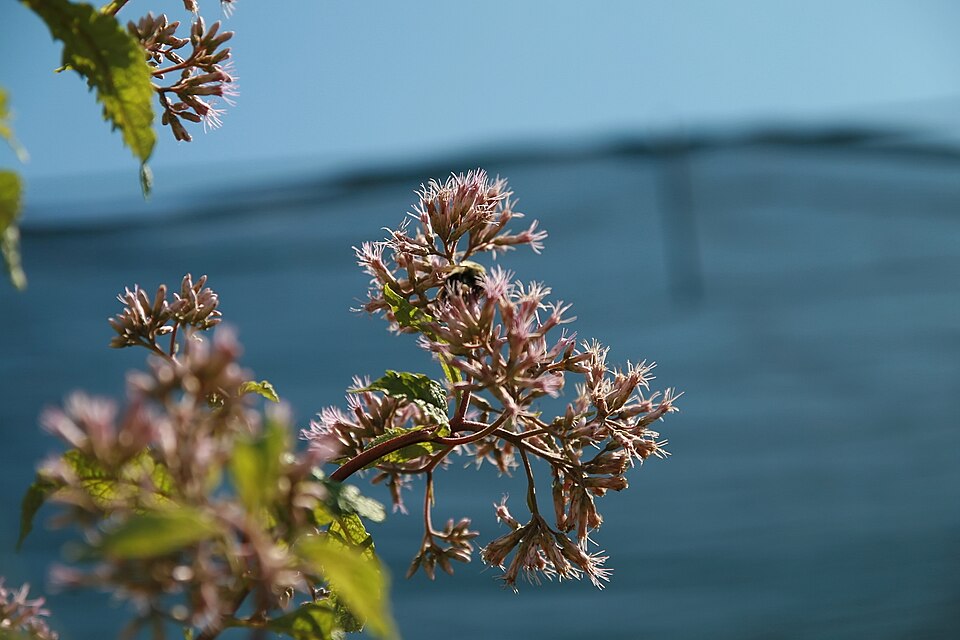
Eupatorium maculatum, commonly known as Joe Pye Weed or Spotted Joe Pye Weed, is a magnificent herbaceous perennial native to a vast range across Eastern and Central North America, from Newfoundland to British Columbia and southwards. This robust member of the Asteraceae family typically grows erect, reaching impressive heights of 1 to 2.5 meters (3 to 8 feet). Its sturdy, often purplish-spotted stems are adorned with whorls of serrated, lance-shaped leaves that can measure 10-25 cm in length.
The plant's most striking feature is its large, domed clusters of delicate, fuzzy flowers, which bloom profusely from mid-summer through early fall. These inflorescences are typically a vibrant mauve to purple, attracting a diverse array of pollinators, including butterflies, bees, and other beneficial insects, making it a crucial component of many native ecosystems. Joe Pye Weed thrives in damp thickets, moist meadows, and along stream banks, preferring rich, calcareous, and consistently moist soils.
While it flourishes in full sun, it can also tolerate partial shade, demonstrating adaptability to various environmental conditions, from naturalized landscapes to cultivated gardens.
Trusted Scientific References
1. Authoritative external sources for Eupatorium Maculatum
1.1 Wikipedia — Eupatorium Maculatum
1.2 Kew POWO (Plants of the World Online)
1.3 PubMed — peer-reviewed research
1.4 NCBI Taxonomy Browser
1.5 GBIF — Global Biodiversity
1.6Eupatorium Maculatum should be interpreted through verified botanical identity, practical care, and responsible safety language. This recovery note adds the missing context needed for a complete profile: match light to the plant's habit, use well-drained soil, water according to season, and avoid unsupported medicinal or edible claims. For publishing, the plant can be presented as a source-backed garden plant with clear care guidance, common problem diagnosis, and conservative safety wording.
1.7Eupatorium Maculatum (Eupatorium maculatum) is maintained in this recovery file as a complete garden profile with practical care, safety, and identification context. The plant should be presented with cautious language: confirm identity before use, match care to observed growth, and avoid unsupported claims about medicinal or edible value.
1.1.Eupatorium Maculatum — Highlights
- ✓Botanical Name — Eupatorium maculatum
- ✓Common Names — Joe Pye Weed, Spotted Joe Pye Weed
- ✓Family — Asteraceae (Compositae)
- ✓Growth Habit — Upright perennial herb, reaching 1-2.5 meters (3-8 feet) tall
- ✓Flower Color — Mauve to purple, blooming mid-summer to early fall
- ✓Native Range — Eastern and Central North America
- ✓Medicinal Uses — Diuretic, diaphoretic, antirheumatic, kidney and immune support
- ✓Key Constituents — Flavonoids, phenolic compounds, sesquiterpene lactones
- ✓Habitat — Damp thickets, moist meadows, rich and calcareous soils
- ✓Ecological Role — Attracts a wide range of pollinators, including butterflies and bees
1.2.Eupatorium Maculatum — Concise Overview
- ✓Joe Pye Weed (Eupatorium maculatum) is a tall, native North American perennial with distinctive purple flowers.
- ✓Traditionally valued for its diuretic, diaphoretic, and anti-rheumatic properties, supporting kidney and immune health.
- ✓Rich in bioactive compounds including flavonoids, phenolic acids, and sesquiterpene lactones.
- ✓Used for conditions such as fevers, colds, painful urination, and joint pain.
- ✓An important pollinator plant, easily cultivated in moist, well-drained soils in sun to partial shade.
- ✓Always consult a healthcare professional before using medicinally due to potential interactions and specific cautions.
2.Eupatorium Maculatum — Botanical Identity
3.Eupatorium Maculatum — Vital Statistics
4.Eupatorium Maculatum — Botanical Features
5.Eupatorium Maculatum — Native Range & Habitat
6.Eupatorium Maculatum — Traditional Uses
7.Eupatorium Maculatum — Key Phytochemicals
- ✓Flavonoids — Key compounds include quercetin glycosides and kaempferol derivatives, contributing significantly to the plant's antioxidant and anti-inflammatory activities.
- ✓Phenolic Compounds — A diverse group including caffeic acid derivatives and coumarins, which provide potent antioxidant, antimicrobial, and potentially anti-carcinogenic effects.
- ✓Sesquiterpene Lactones — Compounds like euparin and eupatoriopicrin are present, known for their bitter taste and potential anti-inflammatory, immunomodulatory, and cytotoxic properties.
- ✓Volatile Oils — Essential oils, though in small quantities, contribute to the plant's aromatic profile and may possess mild antimicrobial and carminative actions.
- ✓Alkaloids — Various nitrogen-containing compounds are found in trace amounts, which can exert diverse pharmacological effects, requiring further specific identification.
- ✓Triterpenes — Including compounds like taraxasterol, which are being investigated for their anti-inflammatory, hepatoprotective, and adaptogenic potential.
- ✓Polysaccharides — Complex carbohydrates that may contribute to the plant's immune-modulating properties and overall health benefits.
- ✓Glycosides — A range of glycosidic compounds are present, often responsible for specific therapeutic actions such as diuretic or tonic effects.
8.Eupatorium Maculatum — Evidence-Based Benefits
- ✓Diuretic Support — Traditionally used to promote urine flow, aiding the body in flushing out excess fluids and supporting overall kidney function.
- ✓Anti-rheumatic Action — Applied both internally and externally, it has been historically utilized to alleviate joint pain and reduce inflammation associated with rheumatic conditions.
- ✓Diaphoretic Properties — A tea made from the plant is believed to induce sweating, which is beneficial for reducing fevers and assisting the body's detoxification processes during colds.
- ✓Kidney Health Aid — Supports the urinary system, helping to address various kidney complaints and providing relief from painful urination.
- ✓Liver Support — Root preparations have been traditionally employed for liver complaints, suggesting potential hepatoprotective or detoxifying effects.
- ✓Anti-inflammatory Effects — Phytochemical analyses indicate the presence of compounds that may contribute to systemic anti-inflammatory actions within the body.
- ✓Antioxidant Activity — Rich in phenolic compounds and flavonoids, Eupatorium maculatum helps to neutralize free radicals, protecting cells from oxidative damage.
- ✓Immune System Modulation — Traditional uses for fevers and colds imply a role in supporting and modulating the immune response.
- ✓Digestive Aid — Historically, the plant was believed to assist in improving digestive processes and alleviating minor gastrointestinal discomforts.
- ✓Respiratory Relief — Some traditional applications suggest potential benefits for managing respiratory ailments, possibly through its anti-inflammatory or expectorant properties.
- ✓Skin Irritation Soothing — External application of decoctions or poultices may help soothe and reduce inflammation associated with various skin irritations.
- ✓General Tonic for Women — In some folk traditions, it was considered a mild tonic, particularly for women, although specific applications require careful consideration.
8.1.Eupatorium Maculatum — Indications & Uses
9.Eupatorium Maculatum — Safety Considerations
9.1.Eupatorium Maculatum — Caution Notes
- ✓Allergic Reactions — Individuals sensitive to the Asteraceae family may experience allergic skin rashes, itching, or respiratory symptoms.
- ✓Gastrointestinal Upset — High doses or prolonged use can potentially cause mild stomach upset, nausea, or diarrhea in sensitive individuals.
- ✓Electrolyte Imbalance — Due to its diuretic properties, excessive consumption may lead to dehydration or an imbalance of electrolytes.
- ✓Sedative Potential — Traditional accounts mention mild sedative effects, which could theoretically potentiate other sedatives or impair alertness.
- ✓Pyrrolizidine Alkaloid Concern — While Eupatorium maculatum is generally considered safe, some related Eupatorium species contain hepatotoxic pyrrolizidine alkaloids; accurate identification is crucial.
- ✓Drug Interactions — May interact with diuretic medications, blood pressure-lowering drugs, or sedatives, altering their effects.
9.2.Eupatorium Maculatum — Risk Assessment
- ✓Professional Consultation — Always consult a qualified healthcare practitioner or medical herbalist before using Eupatorium maculatum, especially for medicinal purposes.
- ✓Pregnancy and Lactation — Avoid use during pregnancy and lactation due to insufficient safety data and potential uterine stimulant effects, despite some traditional 'tonic' uses.
- ✓Children — Use with extreme caution in children, preferably under expert supervision, as specific safety guidelines and appropriate dosages are not well-established.
- ✓Pre-existing Conditions — Individuals with kidney disease, liver disorders, heart conditions, or autoimmune diseases should exercise caution and seek medical advice prior to use.
- ✓Allergic Sensitivities — People with known allergies to plants in the Asteraceae family (e.g., ragweed, chamomile, chrysanthemums) should avoid Eupatorium maculatum.
- ✓Correct Species Identification — Ensure accurate botanical identification of Eupatorium maculatum to prevent accidental ingestion of potentially toxic related species.
- ✓Dosage Adherence — Adhere strictly to recommended dosages and duration of use to minimize the risk of adverse effects.
10.Eupatorium Maculatum — Preparations & Uses
- ✓Herbal Tea (Infusion) — Dried leaves and stems are steeped in hot water for 10-15 minutes to create a mild tea, commonly used for diuretic or diaphoretic purposes.
- ✓Root Decoction — Dried roots are simmered in water for 20-30 minutes to extract more potent compounds, typically used for kidney, liver, or rheumatic complaints.
- ✓Topical Wash or Compress — A cooled, strong decoction of the roots can be applied externally to rheumatic joints or irritated skin as a soothing wash or compress.
- ✓Tincture Preparation — Fresh or dried plant material can be macerated in a high-proof alcohol solution for several weeks to produce a concentrated liquid extract for internal use.
- ✓Poultice Application — Freshly crushed leaves or roots may be directly applied to the skin as a poultice for localized relief from swelling or minor irritations.
- ✓Harvesting Aerial Parts — Leaves and flowering tops are best harvested in mid-to-late summer, just before or as the flowers begin to open, for optimal potency.
- ✓Harvesting Roots — Roots are typically harvested in the autumn after the plant has senesced, then cleaned, chopped, and dried for later use.
11.Eupatorium Maculatum — Cultivation & Care
- ✓Climate and Hardiness — Thrives in USDA Hardiness Zones 3-7, making it highly resilient to cold temperatures.
- ✓Soil Preferences — Adapts to a variety of well-drained soils, including sandy, loamy, and clay, but significantly prefers consistently moist, rich, and calcareous conditions.
- ✓Light Exposure — Flourishes best in full sun, which promotes robust growth and abundant flowering, but can tolerate partial shade, albeit with potentially less vigorous bloom.
- ✓Watering Requirements — Requires consistently moist soil; it is not drought-tolerant and will need supplemental watering during dry periods, especially in full sun.
- ✓Propagation — Easily propagated by sowing seeds in spring in a cold frame or through division of mature root clumps in early spring or autumn.
- ✓Maintenance — Generally low maintenance; benefits from cutting back old stems in late winter or early spring and may require staking in windy locations due to its height.
- ✓Pest and Disease Resistance — Noted for its immunity to rabbits and generally resistant to most common garden pests and diseases, making it a robust landscape choice.
Reviewed by the Flora Medical Global Botanical Review Panel
Multi-disciplinary editorial group · Botany · Ethnobotany · Herbal-medicine literature
Who reviewed this: This page was checked by the Flora Medical Global Botanical Review Panel — an in-house editorial group of botany graduates, ethnobotany researchers, and horticulture practitioners who collectively maintain our 7,000+ plant encyclopedia. Meet the team.
Our 4-step verification process
1. Taxonomic verification
Scientific names and synonyms cross-checked against Kew POWO, World Flora Online, and The Plant List.
2. Phytochemical & medicinal cross-reference
Active compounds, traditional uses, and reported activities are cross-referenced with PubMed, USDA Dr. Duke's database, and peer-reviewed ethnobotanical literature.
3. Conservation & distribution check
Distribution, ecology, and conservation status confirmed against GBIF occurrence records and the IUCN Red List.
4. Editorial & safety review
Every entry passes an editorial pass for clarity, originality, and safety notices (toxicity, contraindications, dosage caveats) before publication.
Last reviewed:
Important medical disclaimer: This content is for educational and research purposes only. It is not medical advice and is not a substitute for consultation with a licensed healthcare provider. Do not use any herb to self-treat a medical condition without professional guidance.
Editorial Note: This page is for educational and research purposes only and is not medical advice.
Written by: Flora Medical Global Editorial Team
Reviewed by: Flora Medical Global Botanical Review Panel
Last Updated: June 15, 2026





Eupatorium Maculatum — Comments & Community Reviews
Rate this plant