

Medical Disclaimer: This content is for educational purposes only. It is not medical advice. Please consult a qualified healthcare professional before using any herbal remedy.
Safety Overview
1.Euphorbia Characias — Overview
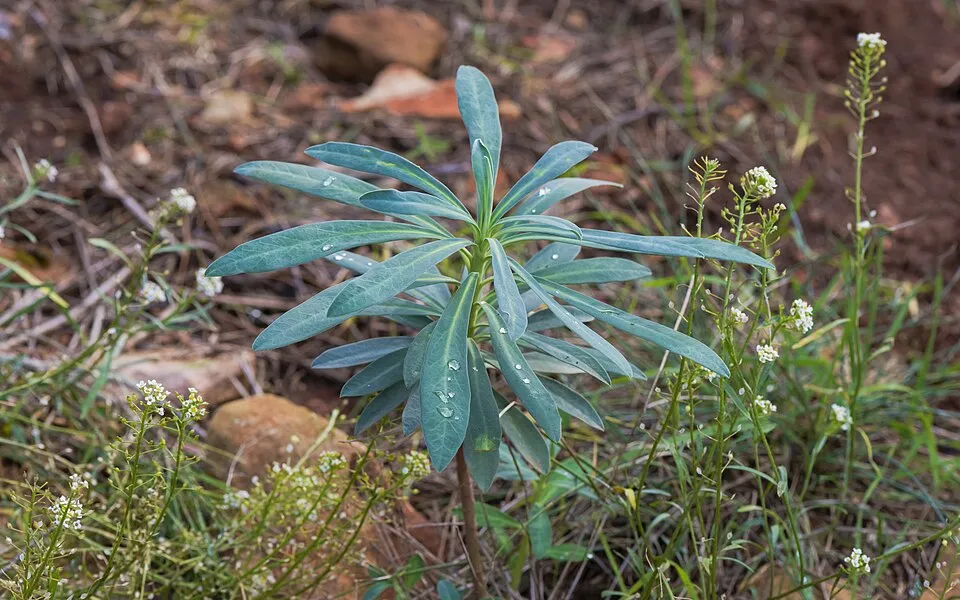
Euphorbia characias, commonly known as Mediterranean spurge, is a robust evergreen perennial shrub native to the Mediterranean basin, thriving in countries like Italy, Spain, France, and Greece. This distinctive plant typically attains a height of 60 to 150 cm, forming a dense, bushy habit. Its thick, fleshy stems are adorned with striking grey-green foliage, with lanceolate to ovate leaves that can extend up to 15-30 cm in length.
These leaves are often arranged in whorls, creating a visually appealing, architectural structure. The most notable feature is its inflorescence, characterized by unique cyathia—small, cup-like structures that encapsulate the true flowers. These cyathia are surrounded by vibrant, chartreuse to bright yellow bracts, which provide a spectacular display from late spring through early summer.
Mediterranean spurge is exceptionally well-adapted to arid conditions, preferring well-drained, sandy, or rocky soils and full sun exposure. Its resilience makes it a popular choice for xeriscaping and low-water gardens. A key botanical characteristic, shared with other members of the Euphorbiaceae family, is the presence of a milky white latex sap within its tissues, which exudes readily when the plant is cut and is known for its toxic properties.
Trusted Scientific References
1. Authoritative external sources for Euphorbia characias
1.1 Wikipedia — Euphorbia characias
1.2 Kew POWO (Plants of the World Online)
1.3 PubMed — peer-reviewed research
1.4 NCBI Taxonomy Browser
1.5 GBIF — Global Biodiversity
1.6Euphorbia Characias should be interpreted through verified botanical identity, practical care, and responsible safety language. This recovery note adds the missing context needed for a complete profile: match light to the plant's habit, use well-drained soil, water according to season, and avoid unsupported medicinal or edible claims. For publishing, the plant can be presented as a source-backed garden plant with clear care guidance, common problem diagnosis, and conservative safety wording.
1.1.Euphorbia Characias — Key Features
- ✓Evergreen Perennial Shrub — Provides year-round foliage and structure.
- ✓Distinctive Inflorescence — Features vibrant yellow-green bracts surrounding unique cyathia.
- ✓Drought — Tolerant — Highly adapted to dry conditions and low-water landscapes.
- ✓Mediterranean Native — Thrives in rocky, sunny habitats typical of the Mediterranean region.
- ✓Toxic Milky Latex — Contains a caustic sap that can cause irritation and is poisonous if ingested.
- ✓Architectural Foliage — Grey-green, lanceolate leaves arranged in whorls create a striking appearance.
- ✓Low Maintenance — Once established, requires minimal care, pruning, and watering.
- ✓Potential Biomedical Source — Extracts are under investigation for a range of biological activities.
- ✓Pest Resistant — Natural compounds in its latex deter many common garden pests.
- ✓Xeriscape Plant — An excellent choice for water-wise gardening and arid environments.
1.2.Euphorbia Characias — In Brief
- ✓Mediterranean spurge (Euphorbia characias) is a striking evergreen shrub known for its unique cyathia and grey-green foliage.
- ✓It is highly drought-tolerant and thrives in full sun, making it ideal for xeriscaping.
- ✓The plant contains a milky latex sap that is toxic and can cause severe skin and eye irritation if contacted.
- ✓Research indicates its extracts possess potential antioxidant, antimicrobial, antiviral, and enzyme inhibitory activities.
- ✓Key chemical constituents include diverse terpenoids, sterols, fatty acids, and phenolic compounds.
- ✓Primarily used ornamentally, with ongoing scientific investigation into its phytochemical and biological properties.
2.Euphorbia Characias — Scientific Profile
3.Euphorbia Characias — Reference Facts
4.Euphorbia Characias — Morphological Account
5.Euphorbia Characias — Where It Grows
6.Euphorbia Characias — Ethnobotanical Uses
7.Euphorbia Characias — Bioactive Constituents
- ✓Terpenoids — A diverse group including diterpenes, triterpenes, and their derivatives like euphorbones, which are often responsible for the plant's biological activities and its characteristic latex.
- ✓Sterol Hydrocarbons — Compounds such as beta-sitosterol and stigmasterol are present, contributing to membrane stability and potentially offering anti-inflammatory properties.
- ✓Saturated Fatty Acids — Palmitic acid and stearic acid are found, serving as fundamental building blocks and energy reserves within the plant.
- ✓Unsaturated Fatty Acids — Linoleic acid and oleic acid are notable, playing roles in cellular signaling and membrane fluidity, and possessing potential health benefits.
- ✓Cerebrosides — Glycosphingolipids identified in the plant, which are involved in cell recognition and signaling pathways.
- ✓Phenolic Acids — Compounds like gallic acid and caffeic acid, known for their strong antioxidant and anti-inflammatory properties, contributing to the plant's protective mechanisms.
- ✓Carboxylic Acids — Various organic acids, including succinic acid and malic acid, involved in metabolic processes and contributing to the plant's overall chemical profile.
- ✓Proteins and Enzymes — The latex contains specialized proteins such as Euphorbia latex peroxidase (ELP) and copper/TPQ-containing amine oxidase, which are involved in plant defense and catalytic reactions.
8.Euphorbia Characias — What Research Suggests
- ✓Antioxidant Activity — Extracts from Euphorbia characias have demonstrated significant antioxidant properties, helping to neutralize free radicals and protect cells from oxidative stress damage.
- ✓Antimicrobial Properties — Studies indicate that various extracts possess antimicrobial capabilities against certain bacteria and fungi, suggesting potential in combating microbial infections.
- ✓Antiviral Effects — Research has pointed to potential antiviral activities, which could be beneficial in inhibiting the replication of specific viruses.
- ✓Wound-Healing Promotion — The plant's compounds may contribute to accelerated wound closure and tissue regeneration, supporting the body's natural healing processes.
- ✓Anti-Aging Potential — Through its antioxidant and protective actions, Euphorbia characias may offer properties that help mitigate cellular aging processes.
- ✓Hypoglycemic Effects — Some studies suggest a potential role in blood sugar regulation, indicating possible benefits for managing hyperglycemia or related conditions.
- ✓Cholinesterase Inhibition — Compounds within the plant have shown inhibitory activity against cholinesterases, enzymes involved in neurotransmitter breakdown, which is relevant for neurodegenerative research.
- ✓Xanthine Oxidase Inhibition — Euphorbia characias extracts exhibit inhibitory effects on xanthine oxidase, an enzyme linked to uric acid production, potentially offering insights for conditions like gout.
- ✓Pesticidal Activity — The plant's natural latex and certain extracts demonstrate pesticidal properties, acting as a defense mechanism against various plant pathogens and pests.
8.1.Euphorbia Characias — Conditions Traditionally Used For
9.Euphorbia Characias — Risk Profile
9.1.Euphorbia Characias — Caution Notes
- ✓Skin Irritation — Contact with the milky latex can cause immediate skin irritation, redness, itching, and blistering in sensitive individuals.
- ✓Eye Damage — Accidental contact with the eyes can lead to severe pain, inflammation, temporary blindness, and corneal damage, requiring immediate medical attention.
- ✓Gastrointestinal Upset — Ingestion of any part of the plant, especially the latex, can cause nausea, vomiting, abdominal pain, and diarrhea.
- ✓Allergic Reactions — Some individuals may experience more severe allergic responses, including dermatitis or respiratory irritation.
- ✓Oral and Mucosal Irritation — Ingestion can lead to burning sensations, swelling, and irritation of the mouth, throat, and digestive tract.
- ✓Toxicity to Pets — Highly toxic to animals if ingested, potentially causing severe gastrointestinal distress and other systemic effects.
9.2.Euphorbia Characias — Safety Overview
- ✓Avoid Direct Contact — Always wear protective gloves and eyewear when handling Euphorbia characias, especially when pruning or breaking stems.
- ✓Keep Away from Children and Pets — Plant in areas inaccessible to young children and domestic animals to prevent accidental ingestion or contact.
- ✓First Aid for Skin Contact — Wash affected skin immediately and thoroughly with soap and water to remove latex residues.
- ✓Emergency Eye Care — In case of eye contact, flush eyes continuously with copious amounts of water for at least 15 minutes and seek immediate medical help.
- ✓Do Not Ingest — Emphasize that no part of the plant should be consumed; it is considered toxic if ingested.
- ✓Consult a Professional — If any adverse reactions occur after contact or ingestion, seek prompt medical advice.
- ✓Not for Internal Medicinal Use — Due to its toxicity, Euphorbia characias is not recommended for self-medication or internal therapeutic purposes.
10.Euphorbia Characias — Preparation & Dosage
- ✓Biomedical Research — Extracts and isolated compounds are primarily investigated in laboratory settings for their potential pharmacological activities, including antioxidant, antimicrobial, and enzyme inhibitory effects.
- ✓Traditional External Applications — Historically, the milky latex has been used topically in some folk medicine practices for treating skin ailments like warts, corns, or skin lesions, though with extreme caution due to its irritant nature.
- ✓Ornamental Landscaping — Widely cultivated as an attractive, drought-tolerant perennial for xeriscapes, rock gardens, and Mediterranean-themed plantings, often used as a striking architectural specimen or groundcover.
- ✓Botanical Specimen — Utilized in botanical gardens and educational institutions for its unique morphology, particularly its distinctive cyathia and adaptation to harsh environments.
- ✓Natural Pest Deterrent — Due to its toxic latex, Euphorbia characias can act as a natural deterrent against certain garden pests and browsing animals, making it useful in strategic garden placements.
- ✓Plant-Derived Compound Isolation — The plant serves as a source for isolating specific terpenoids, phenolic acids, and other phytochemicals for further scientific study and potential drug development.
11.Euphorbia Characias — Growing Guide
- ✓Soil Preference — Thrives in well-drained, sandy, or rocky soils; adapts poorly to heavy, waterlogged conditions.
- ✓Light Requirements — Prefers full sun exposure to achieve optimal growth and flowering, tolerating partial shade but with reduced vigor.
- ✓Water Management — Highly drought-tolerant once established, requiring minimal supplemental irrigation; overwatering should be avoided.
- ✓Pruning Techniques — Prune after flowering in late spring to maintain shape, remove spent flower stems, and encourage new, healthy growth.
- ✓Propagation Methods — Can be propagated by seed, though germination can be slow, or more commonly by stem cuttings taken in late summer or early autumn.
- ✓Pest and Disease Resistance — Generally resistant to most common pests and diseases due to its toxic latex, making it a low-maintenance landscape plant.
- ✓Mulching Benefits — Apply a layer of organic mulch around the base to help retain soil moisture, regulate soil temperature, and suppress weed growth.
- ✓Winter Hardiness — Tolerant of mild frosts, but may require protection in colder climates where temperatures drop significantly below freezing.
Reviewed by the Flora Medical Global Botanical Review Panel
Multi-disciplinary editorial group · Botany · Ethnobotany · Herbal-medicine literature
Who reviewed this: This page was checked by the Flora Medical Global Botanical Review Panel — an in-house editorial group of botany graduates, ethnobotany researchers, and horticulture practitioners who collectively maintain our 7,000+ plant encyclopedia. Meet the team.
Our 4-step verification process
1. Taxonomic verification
Scientific names and synonyms cross-checked against Kew POWO, World Flora Online, and The Plant List.
2. Phytochemical & medicinal cross-reference
Active compounds, traditional uses, and reported activities are cross-referenced with PubMed, USDA Dr. Duke's database, and peer-reviewed ethnobotanical literature.
3. Conservation & distribution check
Distribution, ecology, and conservation status confirmed against GBIF occurrence records and the IUCN Red List.
4. Editorial & safety review
Every entry passes an editorial pass for clarity, originality, and safety notices (toxicity, contraindications, dosage caveats) before publication.
Last reviewed:
Important medical disclaimer: This content is for educational and research purposes only. It is not medical advice and is not a substitute for consultation with a licensed healthcare provider. Do not use any herb to self-treat a medical condition without professional guidance.
Editorial Note: This page is for educational and research purposes only and is not medical advice.
Written by: Flora Medical Global Editorial Team
Reviewed by: Flora Medical Global Botanical Review Panel
Last Updated: June 15, 2026





Euphorbia Characias — Comments & Community Reviews
Rate this plant