
Medical Disclaimer: This content is for educational purposes only. It is not medical advice. Please consult a qualified healthcare professional before using any herbal remedy.
Safety Overview
1.Euphorbia Diamond Frost — Essential Profile
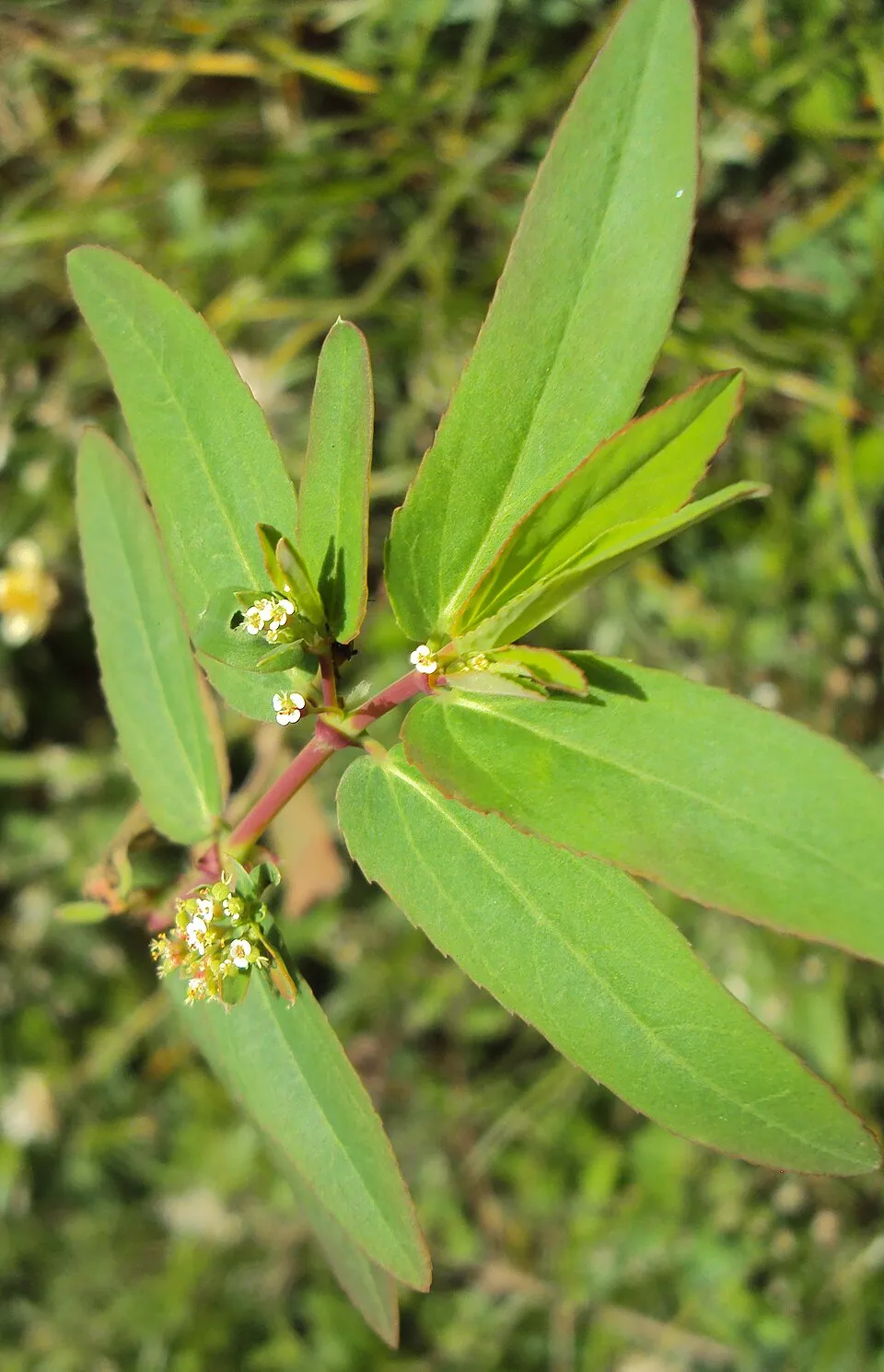
Euphorbia hypericifolia, widely recognized by its captivating cultivar name Euphorbia Diamond Frost, is a delicate perennial herbaceous plant often cultivated as an annual in cooler climates. It belongs to the expansive and diverse Euphorbiaceae family, a group known for its characteristic milky white latex. This species typically forms a graceful, bushy mound, reaching a height of 30 to 60 cm (12 to 24 inches) with a similar spread.
Its slender stems branch profusely, creating an airy, cloud-like aesthetic. The leaves are small, measuring between 2 to 6 cm in length, elliptical to ovate with an entire margin, and display a vibrant medium to grayish-green hue, providing a subtle backdrop for the prolific floral display.
Native to the tropical and subtropical regions of the Americas, including Central and South America and the Caribbean, Euphorbia hypericifolia thrives in warm, open environments. It is commonly found inhabiting open woodlands, forest edges, savannas, and disturbed grounds, showcasing its adaptability to various well-drained soil conditions and ample sunlight. The inflorescence, a unique structure called a cyathium, comprises numerous tiny, inconspicuous true flowers.
These are enveloped by abundant, showy, petal-like white bracts, which create the illusion of countless miniature white flowers. These ethereal 'blooms' appear continuously from late spring through the first hard frost, offering exceptional extended seasonal interest. The plant's resilience, delicate beauty, and striking visual impact have firmly established its popularity in contemporary ornamental horticulture, particularly as a 'filler' or 'spiller' in containers and hanging baskets.
Trusted Scientific References
1. Authoritative external sources for Euphorbia hypericifolia
1.1 Wikipedia — Euphorbia hypericifolia
1.2 Kew POWO (Plants of the World Online)
1.3 PubMed — peer-reviewed research
1.4 NCBI Taxonomy Browser
1.5 GBIF — Global Biodiversity
1.6Euphorbia Diamond Frost should be interpreted through verified botanical identity, practical care, and responsible safety language. This recovery note adds the missing context needed for a complete profile: match light to the plant's habit, use well-drained soil, water according to season, and avoid unsupported medicinal or edible claims. For publishing, the plant can be presented as a source-backed garden plant with clear care guidance, common problem diagnosis, and conservative safety wording.
1.1.Euphorbia Diamond Frost — Notable Characteristics
- ✓Botanical Name — Euphorbia hypericifolia 'Diamond Frost'.
- ✓Family — Euphorbiaceae, known for milky latex.
- ✓Growth Habit — Mounding, bushy, 12-24 inches tall and wide.
- ✓Bloom Season — Exceptionally long-blooming from late spring until first frost.
- ✓Flower Appearance — Abundant, showy white bracts creating a delicate, cloud-like effect.
- ✓Sap — Contains characteristic milky white latex, which is toxic and irritant.
- ✓Hardiness — Perennial in USDA Zones 10-12, widely grown as an annual elsewhere.
- ✓Resilience — Notably drought-tolerant, heat-tolerant, and resistant to deer and rabbits.
- ✓Maintenance — Requires very low maintenance; no deadheading is necessary.
- ✓Primary Use — Exclusively ornamental, prized for its ethereal beauty and versatility.
1.2.Euphorbia Diamond Frost — At-a-Glance Summary
- ✓Euphorbia Diamond Frost is a popular ornamental perennial, typically grown as an annual.
- ✓Features delicate, airy white bracts that bloom continuously from spring to frost.
- ✓All parts of the plant contain a toxic milky latex that causes contact dermatitis and is poisonous if ingested.
- ✓Highly valued for its drought tolerance, low maintenance, and resistance to deer and rabbits.
- ✓Excellent for containers, hanging baskets, and as a versatile landscape or houseplant.
- ✓Despite some historical folkloric claims, it lacks established safe medicinal uses and is primarily cultivated for aesthetic purposes.
2.Euphorbia Diamond Frost — Nomenclature & Classification
3.Euphorbia Diamond Frost — Fact Sheet
4.Euphorbia Diamond Frost — Physical Description
5.Euphorbia Diamond Frost — Ecological Habitat
6.Euphorbia Diamond Frost — Folk Medicine Applications
7.Euphorbia Diamond Frost — Phytochemistry
- ✓The phytochemistry of Euphorbia hypericifolia, like many members of the Euphorbiaceae family, is characterized by compounds that contribute to its defense mechanisms and, unfortunately, its toxicity.
- ✓Diterpene Esters — These are the primary active irritants found in the milky white latex, such as phorbol esters, responsible for severe contact dermatitis, blistering, and gastrointestinal symptoms upon ingestion.
- ✓Flavonoids — Commonly present in plant tissues, compounds like kaempferol and quercetin contribute to antioxidant activity, though their therapeutic relevance in this toxic plant is negligible.
- ✓Triterpenoids — Found in the plant, including euphol and beta-sitosterol, which can have diverse biological activities in isolation but are overshadowed by the plant's overall toxic profile.
- ✓Saponins — While not extensively characterized for this specific species, some Euphorbia plants contain saponins, which can cause hemolysis and further gastrointestinal irritation.
- ✓Tannins — Astringent compounds present in various plant parts, which might contribute to some traditional external uses but also to digestive upset if ingested in sufficient quantities.
- ✓Phenolic Acids — Such as gallic acid, contribute to the plant's general antioxidant capacity, a common feature in many botanical species.
- ✓Hydrocarbons — The latex of Euphorbiaceae often contains complex hydrocarbons, which contribute to its physical properties and chemical composition.
- ✓Amino Acids — Essential components for plant growth and metabolism, present throughout the plant but not typically associated with its unique medicinal or toxic properties.
8.Euphorbia Diamond Frost — Pharmacological Findings
- ✓Despite some historical folkloric claims, it is crucial to note that Euphorbia hypericifolia is considered toxic and is not recommended for internal medicinal use. The following are reported traditional applications, which carry significant health risks and lack scientific validation for safety or efficacy:
- ✓Skin Irritation Relief (Folkloric Topical) — Historically, the milky latex was sometimes applied topically in folk medicine for conditions like warts or skin lesions, despite its known irritant and vesicant properties which can cause severe contact dermatitis.
- ✓Purgative Action (Traditional Internal) — Certain traditional practices in parts of its native range reportedly utilized preparations for their strong purgative effects, a dangerous application often leading to severe gastrointestinal distress, vomiting, and dehydration.
- ✓Emetic Properties (Folkloric Internal) — Folkloric accounts suggest the plant was occasionally employed to induce vomiting, a hazardous practice given the plant's inherent toxicity and the risk of further mucosal damage.
- ✓Anti-inflammatory Claims (Unsubstantiated) — Some traditional systems vaguely attribute anti-inflammatory properties to the plant, but there is no scientific basis for safe therapeutic application, particularly considering the potent irritants in the latex.
- ✓External Wound Cleansing (Cautionary) — In some traditional contexts, diluted sap was used externally for minor cuts or abrasions, though this practice carries a high risk of severe skin irritation, allergic reactions, and delayed healing due to toxicity.
- ✓Respiratory Ailments (Dangerous Folkloric) — In certain regions, traditional healers reportedly prepared concoctions for coughs or asthma, a critically dangerous internal application given the plant's confirmed toxicity to the respiratory and digestive systems.
8.1.Euphorbia Diamond Frost — Indications & Uses
9.Euphorbia Diamond Frost — Cautions & Contraindications
9.1.Euphorbia Diamond Frost — Side Effects & Warnings
- ✓Euphorbia hypericifolia contains a milky white latex sap that is toxic and can cause several adverse effects.
- ✓Contact Dermatitis — Direct skin contact with the sap can cause mild to severe skin irritation, including redness, itching, burning, and blistering.
- ✓Eye Irritation and Damage — Sap contact with the eyes can lead to severe pain, inflammation, temporary blindness, and potentially permanent corneal damage.
- ✓Gastrointestinal Distress — Ingestion of any plant part can cause blistering and irritation of the lips and oral mucosa, nausea, vomiting, abdominal pain, and diarrhea.
- ✓Allergic Reactions — Sensitive individuals may experience more pronounced allergic responses, including swelling or respiratory distress.
- ✓Oral Cavity Blistering — Swallowing plant material can result in immediate and painful blistering inside the mouth and throat.
- ✓Systemic Toxicity — While typically low severity, large ingestions, especially in children or pets, could lead to more significant systemic symptoms and require urgent medical attention.
9.2.Euphorbia Diamond Frost — Risk Assessment
- ✓Handling Euphorbia Diamond Frost requires strict adherence to safety precautions due to its toxic milky latex.
- ✓Keep Out of Reach — Absolutely ensure the plant is inaccessible to small children and pets, as all parts are poisonous if ingested.
- ✓Wear Protective Gear — Always wear gloves and eye protection when handling, pruning, or working with the plant, especially when stems are broken and sap exudes.
- ✓Avoid Ingestion — Under no circumstances should any part of Euphorbia hypericifolia be consumed, as it is toxic and can cause severe internal reactions.
- ✓First Aid for Skin Contact — In case of skin exposure to sap, immediately wash the affected area thoroughly with soap and plenty of water.
- ✓First Aid for Eye Contact — If sap enters the eyes, flush immediately with copious amounts of clean water for at least 15-20 minutes and seek prompt medical attention.
- ✓Seek Medical/Veterinary Care — If ingestion occurs or severe symptoms develop after contact, contact a poison control center, doctor, or veterinarian immediately.
- ✓Indoor Placement — When grown as a houseplant, place it in an area where children and pets cannot easily reach or tamper with it.
10.Euphorbia Diamond Frost — Usage Guide
- ✓Euphorbia Diamond Frost is primarily valued for its ornamental appeal and versatile landscaping applications, with extreme caution required due to its toxic nature.
- ✓Ornamental Container Plant — Ideal for use in mixed containers, window boxes, and hanging baskets, where its airy texture complements other plants.
- ✓Landscape Filler and Border — Planted in garden beds as a delicate filler or along borders and walkways to create a continuous, cloud-like display.
- ✓Indoor Houseplant — Can be successfully grown indoors in a bright location, adding a touch of elegance to interior spaces.
- ✓Drought-Tolerant Gardens — A perfect addition to xeriscapes and other low-water gardens due to its excellent drought resistance.
- ✓Fairy Garden Accent — Its delicate appearance makes it a charming component for miniature or fairy garden designs.
- ✓Mass Planting — Effective when planted en masse to create a soft, ethereal groundcover or a continuous white carpet of 'blooms'.
- ✓Cautionary Topical Use (Traditional) — Historically, some folk remedies involved external application of the sap for skin issues like warts, but this is highly discouraged due to severe contact dermatitis risk.
11.Euphorbia Diamond Frost — How to Grow
- ✓Cultivating Euphorbia Diamond Frost is relatively straightforward, making it a popular choice for gardeners.
- ✓Light Requirements — Thrives in full sun (6 or more hours of direct sunlight daily) to partial shade (2-6 hours of direct sunlight).
- ✓Soil Preferences — Prefers well-drained soil; adaptable to loam and sand textures with a neutral to acidic pH (6.0-8.0).
- ✓Watering Schedule — Highly drought and heat tolerant; allow the soil to dry out completely between waterings to prevent root rot.
- ✓Hardiness Zones — Perennial in USDA Plant Hardiness Zones 10-12, but commonly grown as an annual in temperate climates.
- ✓Maintenance — Low maintenance; no deadheading is required for continuous bloom. Pinching stems encourages a bushier, more compact habit.
- ✓Pest and Disease Resistance — Generally resistant to common garden pests like deer and rabbits, and experiences no significant disease problems.
- ✓Container and Landscape Use — Excellent for containers, hanging baskets, border fronts, and mass plantings; can also be grown indoors as a houseplant.
Reviewed by the Flora Medical Global Botanical Review Panel
Multi-disciplinary editorial group · Botany · Ethnobotany · Herbal-medicine literature
Who reviewed this: This page was checked by the Flora Medical Global Botanical Review Panel — an in-house editorial group of botany graduates, ethnobotany researchers, and horticulture practitioners who collectively maintain our 7,000+ plant encyclopedia. Meet the team.
Our 4-step verification process
1. Taxonomic verification
Scientific names and synonyms cross-checked against Kew POWO, World Flora Online, and The Plant List.
2. Phytochemical & medicinal cross-reference
Active compounds, traditional uses, and reported activities are cross-referenced with PubMed, USDA Dr. Duke's database, and peer-reviewed ethnobotanical literature.
3. Conservation & distribution check
Distribution, ecology, and conservation status confirmed against GBIF occurrence records and the IUCN Red List.
4. Editorial & safety review
Every entry passes an editorial pass for clarity, originality, and safety notices (toxicity, contraindications, dosage caveats) before publication.
Last reviewed:
Important medical disclaimer: This content is for educational and research purposes only. It is not medical advice and is not a substitute for consultation with a licensed healthcare provider. Do not use any herb to self-treat a medical condition without professional guidance.
Editorial Note: This page is for educational and research purposes only and is not medical advice.
Written by: Flora Medical Global Editorial Team
Reviewed by: Flora Medical Global Botanical Review Panel
Last Updated: June 15, 2026





Euphorbia Diamond Frost — Comments & Community Reviews
Rate this plant