

Medical Disclaimer: This content is for educational purposes only. It is not medical advice. Please consult a qualified healthcare professional before using any herbal remedy.
Safety Overview
1.Eurya Japonica — Overview
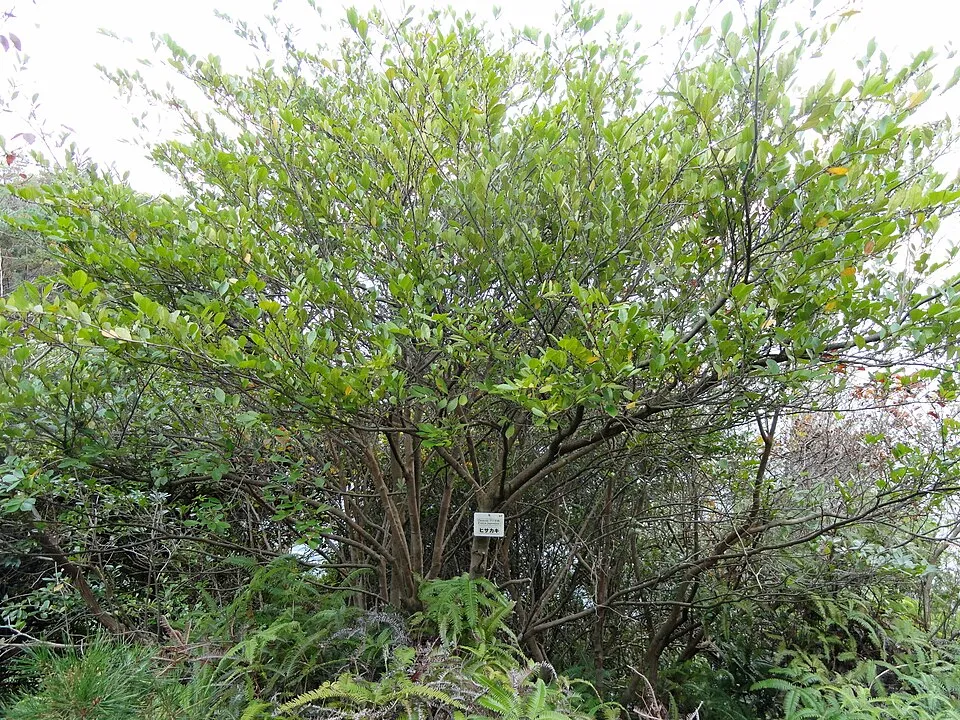
Eurya japonica, commonly known as Japanese Eurya or Sakaki, is an elegant evergreen shrub or small tree belonging to the family Pentaphylacaceae, native to the hillsides and forests of East Asia, including China, Japan, Korea, Vietnam, and the Eastern Himalayas. This resilient species typically attains a height of 1 to 2 meters in cultivation, though it can reach up to 10 meters in its native forest habitats, often forming dense, multi-stemmed clumps with a unique horizontal to slightly upright branch structure. The plant's overall architecture is characterized by its upright, somewhat spreading habit with numerous slender branches. The leaves are a defining feature of Eurya japonica; they are alternate, simple, obovate to elliptic or lance-shaped, and measure approximately 3 to 7 cm in length and 1.5 to 3 cm in width. Their upper surface is a lustrous dark green, often feeling thick and leathery, while the underside is notably paler. The margins are finely serrated, and the venation is pinnate, subtly impressed on the adaxial surface.
The bark of older stems is typically smooth, grayish-brown, becoming somewhat furrowed with age. The root system is fibrous and moderately spreading, enabling the plant to establish firmly in various soil types and contributing to its role in soil stabilization. Flowering occurs primarily from late spring to early summer, typically between April and June, though some regional variations may see blooms in early to mid-spring. Eurya japonica produces small, inconspicuous yet charming flowers that are white to pale yellow, often tinged with green. These flowers are dioecious, meaning male and female flowers are borne on separate plants, making cross-pollination essential for fruit production. They are solitary or arranged in small axillary clusters, emerging from the leaf axils and often hanging downward below the branches on short stems.
The individual flowers are campanulate, possessing five petals and numerous stamens in male flowers, or a superior ovary with a short style in female flowers. Following successful pollination, the plant develops small, spherical to ovoid capsules, typically 5-8 mm in diameter. These fruits mature in late summer to fall, transitioning from green to a purplish-black hue, containing several small, dark seeds. Trusted Scientific References Authoritative external sources for Eurya japonica : Wikipedia — Eurya japonica Kew POWO (Plants of the World Online) PubMed — peer-reviewed research NCBI Taxono ...[CURRENT TEXT EXISTS: 2537 chars]
1.1.Eurya Japonica — Defining Traits
- ✓Botanical Name — Eurya japonica.
- ✓Common Names — Japanese Eurya, Sakaki, East Asian Eurya.
- ✓Family — Pentaphylacaceae.
- ✓Growth Habit — Evergreen shrub or small tree, reaching 1-10 meters in height.
- ✓Foliage — Lustrous dark green, leathery, serrated, obovate to elliptic leaves.
- ✓Flowers — Small, white to pale yellow, inconspicuous, dioecious, bell-shaped.
- ✓Fruits — Small, spherical to ovoid capsules, maturing to purplish-black berries.
- ✓Native Range — Indigenous to China, Japan, Korea, Southeast Asia, and the Eastern Himalayas.
- ✓Traditional Use — Employed as a tea substitute and in sacred Shinto offerings.
- ✓Cultivation — Prefers full sun to partial shade, well-drained soil, and is frost-tender.
1.2.Eurya Japonica — Quick Summary
- ✓Evergreen shrub or small tree native to East Asia.
- ✓Valued ornamentally for its glossy, leathery foliage and winter interest.
- ✓Leaves traditionally used as a mild tea substitute and in Shinto sacred rituals.
- ✓Flowers are small, white to pale yellow, dioecious, and can be malodorous.
- ✓Contains potential antioxidant and anti-inflammatory phytochemicals like polyphenols and flavonoids.
- ✓Requires protection from frost and cold, drying winds for optimal growth.
2.Eurya Japonica — Scientific Profile
3.Eurya Japonica — Botanical Stats
4.Eurya Japonica — Structural Profile
5.Eurya Japonica — Habitat & Distribution
6.Eurya Japonica — Ethnobotanical Uses
7.Eurya Japonica — Bioactive Constituents
- ✓Polyphenols — Including various catechins and epicatechins, these compounds are potent antioxidants known for their ability to scavenge free radicals and protect cellular integrity.
- ✓Flavonoids — Such as quercetin, kaempferol, and their glycosides, which contribute to the plant's antioxidant, anti-inflammatory, and potentially antiallergic properties.
- ✓Tannins — Predominantly condensed tannins, providing the plant with astringent qualities that may support digestive health and offer protective effects against pathogens.
- ✓Saponins — Triterpenoid saponins, which can exhibit emulsifying properties and are sometimes associated with adaptogenic, immune-modulating, or hypocholesterolemic effects.
- ✓Triterpenoids — Including compounds like ursolic acid and oleanolic acid derivatives, often investigated for their anti-inflammatory, hepatoprotective, and potential anti-cancer activities.
- ✓Volatile Organic Compounds (VOCs) — Contributing to the plant's distinctive aroma, these may include monoterpenes and sesquiterpenes, which can have antimicrobial or subtle aromatic properties.
- ✓Glycosides — Various sugar-bound compounds that can enhance the solubility and bioavailability of other phytochemicals, influencing their overall pharmacological activity.
- ✓Organic Acids — Such as malic and citric acids, which contribute to the plant's flavor profile and may play roles in metabolic processes and nutrient absorption.
- ✓Lignans — Phenolic compounds that can act as phytoestrogens and possess antioxidant properties, contributing to cellular defense and hormonal balance.
- ✓Sterols — Including beta-sitosterol, which are plant compounds known for their potential cholesterol-lowering effects and anti-inflammatory actions.
8.Eurya Japonica — Research Insights
- ✓Traditional Tea Substitute — The leaves of Eurya japonica have been historically prepared as a mild, earthy beverage, offering a caffeine-free alternative to traditional teas in some regions.
- ✓Potential Antioxidant Support — Like many plants used for infusions, it is believed to contain polyphenolic compounds that may contribute to antioxidant activity, helping to neutralize free radicals in the body.
- ✓Digestive Comfort — As a gentle herbal infusion, it may traditionally offer soothing properties for the digestive system, aiding in mild gastrointestinal comfort.
- ✓General Wellness Beverage — Regular consumption of Eurya japonica tea is thought to contribute to overall hydration and a sense of well-being, supporting daily health routines.
- ✓Cultural and Spiritual Significance — Beyond physical benefits, its sacred role in Shinto rituals underscores its importance for spiritual and community health in Japan.
- ✓Source of Bioactive Phytochemicals — Preliminary investigations into related Eurya species suggest the presence of various plant compounds that could have future therapeutic applications, warranting further research.
- ✓Mild Astringent Properties — The presence of tannins may impart mild astringent qualities, which could traditionally be beneficial for conditions requiring tissue toning.
- ✓Support for Oral Health — As a tea, its potential mild astringency could contribute to general oral hygiene and gum health.
8.1.Eurya Japonica — Indications & Uses
9.Eurya Japonica — Risk Profile
9.1.Eurya Japonica — Possible Adverse Reactions
- ✓Allergic Reactions — Sensitive individuals may experience contact dermatitis or respiratory irritation from pollen or direct contact with Eurya japonica foliage.
- ✓Digestive Upset — Excessive consumption of the tea or improper preparation could potentially lead to mild gastrointestinal discomfort, such as nausea or stomach upset.
- ✓Malodorous Flowers — The flowers of the wild species are sometimes considered unpleasant-smelling, which can be an undesirable sensory side effect if planted near living areas or brought indoors.
- ✓Unknown Drug Interactions — Due to limited research, the potential for Eurya japonica to interact with prescription medications or other herbal supplements is unknown.
- ✓Contamination Risk — As with any plant material, there is a risk of pesticide residues, heavy metals, or microbial contamination if not sourced from reputable, clean environments.
- ✓Photosensitivity — While unconfirmed, some plant compounds can increase skin sensitivity to sunlight, a potential side effect that has not been specifically studied for this species.
9.2.Eurya Japonica — Toxicity Assessment
- ✓Consult Healthcare Professional — Always consult a qualified medical herbalist or healthcare provider before using Eurya japonica for medicinal purposes, especially if pregnant, nursing, or on medication.
- ✓Proper Identification — Ensure correct botanical identification of Eurya japonica to avoid confusion with similar-looking species that may be toxic or have different properties.
- ✓Moderation in Consumption — If used as a tea or infusion, consume in moderation, observing for any individual sensitivities or adverse reactions that may arise.
- ✓Patch Testing for Topical Use — For any intended topical applications, perform a patch test on a small, inconspicuous skin area to check for allergic reactions before widespread use.
- ✓Avoid During Pregnancy and Lactation — Due to a lack of comprehensive safety data, use of Eurya japonica is not recommended for pregnant or breastfeeding individuals.
- ✓Quality Sourcing — Obtain plant material from reputable and certified sources to ensure purity and freedom from contaminants such as pesticides or heavy metals.
- ✓Storage Guidelines — Store dried plant material in a cool, dark, airtight container to maintain its potency and prevent degradation or the growth of mold.
10.Eurya Japonica — Application Forms
- ✓Herbal Infusion (Tea) — Dried or fresh leaves are steeped in hot water (around 85-95°C) for 5-10 minutes to create a mild, earthy beverage, traditionally consumed as a tea substitute.
- ✓Tincture Preparation — Fresh or dried leaves can be macerated in an alcohol-water solution (e.g., 1:5 ratio with 40-60% alcohol) for several weeks to produce a concentrated liquid extract.
- ✓Topical Poultice — Crushed fresh leaves, possibly warmed, could be traditionally applied directly to the skin as a poultice for minor irritations, though specific evidence is limited.
- ✓Decoction for External Wash — Tougher plant parts, if used, could be simmered in water for a longer period to create a decoction, potentially used as an external wash or bath additive.
- ✓Cultural and Ritual Offerings — The evergreen leaves are prominently used in Shinto religious ceremonies as sacred offerings, symbolizing purity and continuity.
- ✓Aromatic Sachets (Cultivar Specific) — While the species flowers can be malodorous, specific cultivars like 'Moutiers' with better-smelling blossoms could be dried and used in aromatic sachets.
- ✓Landscape and Ornamental Use — Primarily used as an ornamental shrub or small tree for hedges, screens, or specimen planting due to its attractive evergreen foliage.
11.Eurya Japonica — Growth Requirements
- ✓Soil Requirements — Thrives in well-draining, humus-rich soil, preferring neutral to slightly acidic pH; an ideal blend includes loam and peat compost.
- ✓Light Exposure — For optimal flowering and dense growth, full sun (at least 6 hours direct sunlight daily) is recommended, though it tolerates partial shade.
- ✓Water Needs — Requires consistent moisture, particularly during dry spells; however, ensure good drainage to prevent waterlogging and subsequent root issues.
- ✓Temperature & Protection — This plant is frost-tender and necessitates protection from cold, drying winter winds and temperatures below freezing, thriving in USDA Zones 8a-11b.
- ✓Propagation — Best propagated by semi-hardwood stem cuttings taken in late summer or early fall, rooted in a sandy, well-draining medium under controlled conditions.
- ✓Pruning — Can be pruned to maintain desired shape and size, often used as a hedge or screen; best performed after the main flowering period to avoid sacrificing blooms.
- ✓Fertilization — Benefits from a balanced, slow-release granular fertilizer applied in early spring to support vigorous growth, especially in nutrient-deficient soils.
Reviewed by the Flora Medical Global Botanical Review Panel
Multi-disciplinary editorial group · Botany · Ethnobotany · Herbal-medicine literature
Who reviewed this: This page was checked by the Flora Medical Global Botanical Review Panel — an in-house editorial group of botany graduates, ethnobotany researchers, and horticulture practitioners who collectively maintain our 7,000+ plant encyclopedia. Meet the team.
Our 4-step verification process
1. Taxonomic verification
Scientific names and synonyms cross-checked against Kew POWO, World Flora Online, and The Plant List.
2. Phytochemical & medicinal cross-reference
Active compounds, traditional uses, and reported activities are cross-referenced with PubMed, USDA Dr. Duke's database, and peer-reviewed ethnobotanical literature.
3. Conservation & distribution check
Distribution, ecology, and conservation status confirmed against GBIF occurrence records and the IUCN Red List.
4. Editorial & safety review
Every entry passes an editorial pass for clarity, originality, and safety notices (toxicity, contraindications, dosage caveats) before publication.
Last reviewed:
Important medical disclaimer: This content is for educational and research purposes only. It is not medical advice and is not a substitute for consultation with a licensed healthcare provider. Do not use any herb to self-treat a medical condition without professional guidance.
Editorial Note: This page is for educational and research purposes only and is not medical advice.
Written by: Flora Medical Global Editorial Team
Reviewed by: Flora Medical Global Botanical Review Panel
Last Updated: June 15, 2026





Eurya Japonica — Comments & Community Reviews
Rate this plant