
Medical Disclaimer: This content is for educational purposes only. It is not medical advice. Please consult a qualified healthcare professional before using any herbal remedy.
Safety Overview
1.Farfugium Japonicum — Plant Snapshot
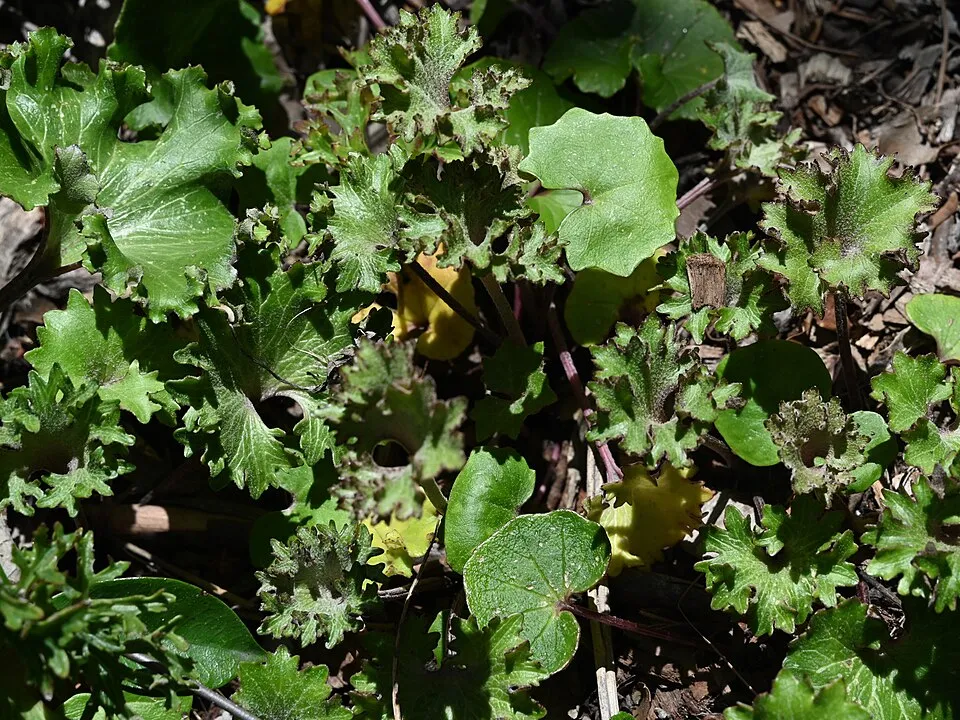
Farfugium japonicum, commonly known as the Leopard Plant, is a distinctive herbaceous perennial belonging to the Asteraceae (daisy) family. Native to Japan and other parts of eastern Asia, this striking plant is typically found flourishing in moist environments such as streambanks, woodland margins, and shaded meadows.
It is highly prized for its ornamental value, characterized by its large, glossy, kidney-shaped leaves, which often display unique variegation or spots of gold, giving rise to its common name. The plant forms a compact, clumping habit, with robust stems that can reach heights of up to 60-90 cm.
Unlike the often 'insignificant' flowers of many foliage plants, Farfugium japonicum produces showy, aster-like yellow blooms that emerge gracefully in late summer and continue through fall, providing a vibrant contrast to its lush green or variegated foliage. These flowers consist of bright yellow ray florets surrounding a central disc of ochre stamens and anthers. The plant thrives best in conditions of full to partial shade, as its magnificent leaves are prone to scorching when exposed to direct sunlight.
It prefers rich, consistently moist, well-drained soils with a slightly acidic to neutral pH, mimicking its natural riparian habitats. Historically, Farfugium japonicum has also been recognized in traditional practices, not just for its aesthetic appeal but also for its various purported medicinal properties, especially in its native regions.
Trusted Scientific References
1. Authoritative external sources for Farfugium Japonicum
1.1 Wikipedia — Farfugium Japonicum
1.2 Kew POWO (Plants of the World Online)
1.3 PubMed — peer-reviewed research
1.4 NCBI Taxonomy Browser
1.5 GBIF — Global Biodiversity
1.6Farfugium Japonicum should be interpreted through verified botanical identity, practical care, and responsible safety language. This recovery note adds the missing context needed for a complete profile: match light to the plant's habit, use well-drained soil, water according to season, and avoid unsupported medicinal or edible claims. For publishing, the plant can be presented as a source-backed garden plant with clear care guidance, common problem diagnosis, and conservative safety wording.
1.1.Farfugium Japonicum — Defining Traits
- ✓Large, glossy, kidney — shaped leaves, often variegated with gold spots.
- ✓Produces showy, aster — like yellow flowers in late summer to fall.
- ✓A clumping herbaceous — A clumping herbaceous perennial with a robust and decorative growth habit.
- ✓Native to Japan — Native to Japan and East Asia, preferring moist, shady habitats.
- ✓Known for its traditional anti — inflammatory and antioxidant properties.
- ✓Historically used for — Historically used for digestive support, respiratory conditions, and skin ailments.
- ✓Highly valued for — Highly valued for its ornamental appeal in shade gardens and borders.
- ✓Requires consistently moist — Requires consistently moist soil and protection from direct sun exposure.
- ✓Susceptible to slugs — Susceptible to slugs and snails as common garden pests.
- ✓Tolerant of wet — Tolerant of wet soils and heavy shade conditions.
1.2.Farfugium Japonicum — Concise Overview
- ✓Botanical Name — Farfugium japonicum, commonly known as Leopard Plant.
- ✓Native to East Asia, thriving in shaded, moist environments.
- ✓Traditionally valued for anti-inflammatory, antioxidant, digestive, and skin-supportive properties.
- ✓Rich in beneficial phytochemicals including flavonoids, tannins, and terpenoids.
- ✓Primarily grown as an ornamental plant, with traditional medicinal applications.
- ✓Requires shade, consistently moist soil, and protection from common pests like slugs and snails.
2.Farfugium Japonicum — Taxonomic Classification
3.Farfugium Japonicum — Botanical Stats
4.Farfugium Japonicum — Structural Profile
5.Farfugium Japonicum — Where It Grows
6.Farfugium Japonicum — Ethnobotanical Uses
7.Farfugium Japonicum — Bioactive Constituents
- ✓Flavonoids — This group includes compounds like quercetin, kaempferol, and their glycosides, which are well-known for their potent antioxidant, anti-inflammatory, and potentially anticancer activities.
- ✓Tannins — Present in the plant, tannins contribute astringent and antimicrobial properties, often playing a role in wound healing and digestive support.
- ✓Essential Oils — Volatile compounds are responsible for subtle aromatic notes and may possess antimicrobial, antispasmodic, and calming effects.
- ✓Saponins — These glycosides are known for their foaming properties and may offer expectorant, anti-inflammatory, and cholesterol-lowering benefits.
- ✓Alkaloids — Nitrogen-containing compounds that can exert a wide range of pharmacological effects, though specific types and their actions in Farfugium japonicum require further research.
- ✓Terpenoids — A diverse class including sesquiterpenoids, which often contribute to anti-inflammatory and analgesic properties.
- ✓Phenolic Acids — Such as caffeic acid and chlorogenic acid, these compounds are strong antioxidants and contribute to the plant's protective effects against oxidative damage.
- ✓Sterols — Plant sterols like beta-sitosterol are recognized for their potential anti-inflammatory and cholesterol-modulating effects.
- ✓Polysaccharides — Complex carbohydrates that can have immunomodulatory effects, supporting overall immune system function.
- ✓Glycosides — Various compounds linked to sugar molecules, often influencing the bioavailability and activity of other plant constituents.
8.Farfugium Japonicum — What Research Suggests
- ✓Anti-inflammatory Properties — Farfugium japonicum contains compounds like flavonoids and terpenoids that may help reduce inflammation in the body by inhibiting pro-inflammatory pathways.
- ✓Antioxidant Activity — Rich in phenolic compounds, this plant exhibits potent antioxidant effects, protecting cells from oxidative stress and free radical damage.
- ✓Digestive Aid — Traditionally used to alleviate various digestive issues, it may help soothe gastrointestinal discomfort and promote healthy digestion.
- ✓Respiratory Support — In folk medicine, preparations from the Leopard Plant have been utilized to relieve symptoms of respiratory conditions such as coughs and congestion.
- ✓Skin Health Enhancement — Applied topically, its cooling and anti-inflammatory properties are believed to aid in treating skin ailments, reducing redness and irritation.
- ✓Antimicrobial Action — Certain constituents may possess mild antimicrobial activity, contributing to its traditional use in addressing minor skin infections.
- ✓Wound Healing — The plant's compounds could support the natural wound healing process by reducing inflammation and protecting against microbial contamination.
- ✓Immunomodulatory Effects — Some phytochemicals might modulate immune responses, potentially enhancing the body's natural defense mechanisms.
- ✓Detoxification Support — Through its antioxidant action, Farfugium japonicum may assist the body's natural detoxification processes by neutralizing harmful substances.
- ✓Pain Management — Its anti-inflammatory effects can contribute to alleviating mild to moderate pain, particularly that associated with inflammatory conditions.
8.1.Farfugium Japonicum — Therapeutic Indications
9.Farfugium Japonicum — Precautions & Warnings
9.1.Farfugium Japonicum — Warnings
- ✓Gastrointestinal Upset — Oral consumption, especially in high doses, may lead to symptoms such as nausea, vomiting, or diarrhea in sensitive individuals.
- ✓Allergic Reactions — Individuals with sensitivities to the Asteraceae family (e.g., ragweed, daisies) may experience allergic reactions like skin rashes, itching, or respiratory symptoms.
- ✓Potential for Liver Stress — While not extensively documented for Farfugium japonicum, some plants in closely related genera can contain compounds that may affect liver function, warranting caution with prolonged internal use.
- ✓Skin Irritation — Direct contact with the plant sap or topical application in sensitive individuals might cause mild skin irritation or dermatitis.
- ✓Drug Interactions — Due to its active compounds, Farfugium japonicum may theoretically interact with certain medications, particularly anticoagulants or drugs metabolized by the liver.
- ✓Photosensitivity — There is a theoretical possibility that some plant constituents could increase skin sensitivity to sunlight, although this is not a commonly reported side effect.
9.2.Farfugium Japonicum — Clinical Safety Notes
- ✓Pregnancy and Breastfeeding — Avoid use during pregnancy and lactation due to insufficient scientific data regarding its safety for expectant mothers or nursing infants.
- ✓Children — Not recommended for use in infants and young children unless specifically advised and supervised by a qualified healthcare practitioner.
- ✓Pre-existing Medical Conditions — Individuals with chronic health issues, especially liver or kidney disorders, should consult a healthcare professional before considering any internal use.
- ✓Allergic Predisposition — Exercise caution if you have known allergies to plants within the Asteraceae family, as cross-reactivity may occur.
- ✓Drug Interactions — Patients on prescription medications, particularly those affecting blood clotting, immune function, or liver metabolism, should seek medical advice prior to use.
- ✓Internal Use Caution — Given the limited clinical human trials, internal consumption should be guided by a qualified medical herbalist to ensure appropriate dosage and monitoring.
- ✓Topical Patch Test — Always perform a small patch test on the skin before extensive topical application to check for any adverse skin reactions or sensitivities.
10.Farfugium Japonicum — Preparation & Dosage
- ✓Herbal Infusion (Tea) — Dried leaves can be steeped in hot water to create a soothing tea, traditionally consumed for digestive or respiratory discomfort.
- ✓Topical Poultice — Fresh, crushed leaves can be applied directly to the skin as a poultice to help reduce inflammation, soothe skin irritations, or aid minor wound healing.
- ✓Tincture Preparation — A concentrated liquid extract can be made by macerating plant material in alcohol, allowing for precise dosing for systemic effects.
- ✓Decoction for Roots — If roots are used, they are typically simmered in water for a longer duration to extract their beneficial compounds, suitable for internal or external use.
- ✓Ointment or Salve — Infused oils, created by steeping plant parts in carrier oil, can be incorporated into beeswax to produce topical ointments for skin ailments.
- ✓Medicinal Compress — A cloth soaked in a strong infusion or decoction can be applied externally to localized areas to alleviate pain, swelling, or skin conditions.
- ✓Inhalation Therapy — Steam from a hot infusion can be carefully inhaled to help clear respiratory passages and ease congestion.
- ✓Herbal Bath — Adding a strong infusion or decoction to bathwater can provide a soothing and therapeutic experience for skin conditions or general relaxation.
11.Farfugium Japonicum — Growing Guide
- ✓Light Requirements — Plant in full to partial shade, as direct sunlight can easily scorch the large, tender leaves of Farfugium japonicum.
- ✓Soil Preference — Thrives in rich, consistently moist, well-drained soils with a slightly acidic to neutral pH, mimicking its native woodland and streambank habitats.
- ✓Watering Schedule — Requires regular and deep watering, particularly during dry spells in summer, to keep the soil uniformly moist but never waterlogged.
- ✓Fertilization — Apply a balanced, slow-release granular fertilizer in early spring to encourage vigorous growth throughout the growing season.
- ✓Pruning and Maintenance — Remove any damaged, yellowed, or spent foliage in early spring to maintain plant aesthetics and encourage new, healthy growth.
- ✓Pest Management — Monitor routinely for slugs and snails, which are common pests that can damage the leaves; implement organic or chemical controls as needed.
- ✓Propagation — Easily propagated by division of established clumps in either spring or fall, or by collecting and sowing seeds.
- ✓Climate Adaptability — Best suited for USDA hardiness zones 7-10, where it can tolerate mild winters and thrive in humid, shaded environments.
Reviewed by the Flora Medical Global Botanical Review Panel
Multi-disciplinary editorial group · Botany · Ethnobotany · Herbal-medicine literature
Who reviewed this: This page was checked by the Flora Medical Global Botanical Review Panel — an in-house editorial group of botany graduates, ethnobotany researchers, and horticulture practitioners who collectively maintain our 7,000+ plant encyclopedia. Meet the team.
Our 4-step verification process
1. Taxonomic verification
Scientific names and synonyms cross-checked against Kew POWO, World Flora Online, and The Plant List.
2. Phytochemical & medicinal cross-reference
Active compounds, traditional uses, and reported activities are cross-referenced with PubMed, USDA Dr. Duke's database, and peer-reviewed ethnobotanical literature.
3. Conservation & distribution check
Distribution, ecology, and conservation status confirmed against GBIF occurrence records and the IUCN Red List.
4. Editorial & safety review
Every entry passes an editorial pass for clarity, originality, and safety notices (toxicity, contraindications, dosage caveats) before publication.
Last reviewed:
Important medical disclaimer: This content is for educational and research purposes only. It is not medical advice and is not a substitute for consultation with a licensed healthcare provider. Do not use any herb to self-treat a medical condition without professional guidance.
Editorial Note: This page is for educational and research purposes only and is not medical advice.
Written by: Flora Medical Global Editorial Team
Reviewed by: Flora Medical Global Botanical Review Panel
Last Updated: June 15, 2026





Farfugium Japonicum — Comments & Community Reviews
Rate this plant