

Medical Disclaimer: This content is for educational purposes only. It is not medical advice. Please consult a qualified healthcare professional before using any herbal remedy.
Safety Overview
1.Ficus Alii — Essential Profile
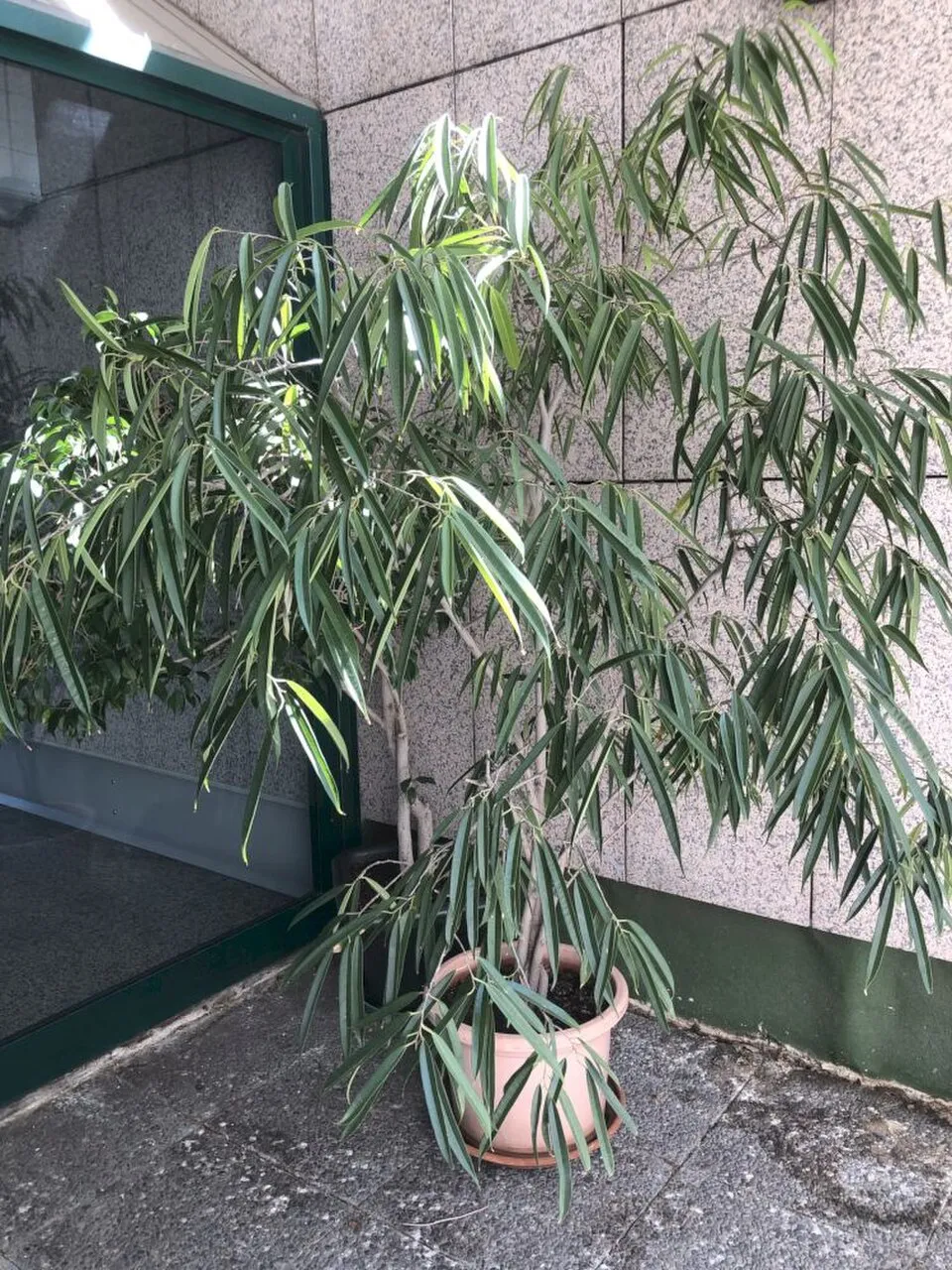
Ficus Alii, botanically known as Ficus maclellandii, stands as an elegant evergreen tree within the extensive Moraceae family, primarily celebrated for its graceful ornamental appeal, particularly as a popular indoor specimen. In its native tropical and subtropical habitats across Southeast Asia, including regions like Thailand, Malaysia, Indonesia, and southern China, Ficus maclellandii can develop into a substantial tree, often reaching significant heights with a robust, frequently multi-stemmed trunk. The bark is smooth and distinctively light gray-brown, contributing to its aesthetic allure. The species is readily identified by its unique foliage: elongated, lanceolate leaves, typically measuring 10-25 cm (4-10 inches) in length and 2.5-7.5 cm (1-3 inches) in width.
These leaves possess a striking glossy, dark green hue, tapering elegantly to a pointed apex, and feature prominent, parallel venation that imparts a graceful, slightly weeping or drooping appearance, earning it common names like "Banana Leaf Fig" or "Long Leaf Fig." Short petioles ensure the leaves cluster densely along the branches, enhancing its full, lush canopy. While rarely observed in typical indoor cultivation, Ficus maclellandii, characteristic of its genus, produces specialized inflorescences called syconia. These inconspicuous, fleshy receptacles enclose numerous minute flowers. Upon successful pollination, often facilitated by specific fig wasps in its natural range, these syconia mature into small, fig-like fruits, approximately 2.5 cm (1 inch) in diameter, which transition from green to a purplish-brown at ripeness.
Its root system is typically fibrous, providing stability, though in high humidity, some Ficus species can develop aerial roots. Taxonomically, it belongs to the diverse genus Ficus, which encompasses over 800 species, including well-known examples like the common fig (Ficus carica) and the sacred fig (Ficus religiosa). Its classification within the Moraceae family further links it to other notable plants such as mulberries and breadfruit. The cultivar 'Alii' is particularly favored for its slender leaves and adaptability to indoor conditions.
Trusted Scientific References
1. Authoritative external sources for Ficus maclellandii
1.1 Wikipedia — Ficus maclellandii
1.2 Kew POWO (Plants of the World Online)
1.3 PubMed — peer-reviewed research
1.4 NCBI Taxonomy Browser
1.5 GBIF — Global Biodiversity
1.1.Ficus Alii — Distinguishing Points
- ✓Elegant Ornamental Tree — Highly valued for its aesthetic appeal as a houseplant or landscape specimen.
- ✓Lanceolate, Glossy Leaves — Distinctive long, slender, dark green leaves with prominent venation.
- ✓Weeping Foliage — Characterized by a graceful, slightly drooping or weeping growth habit.
- ✓Evergreen Nature — Retains its foliage year-round, providing continuous greenery.
- ✓Low Maintenance (for a Ficus) — Generally considered easier to care for than many other Ficus species.
- ✓Latex — Producing — Contains a milky sap that can be irritating to skin and mucous membranes.
- ✓Native to Southeast Asia — Thrives in warm, humid tropical and subtropical environments.
- ✓Air Purifying Potential — Like many indoor plants, it may contribute to improving indoor air quality.
- ✓Syconium Fruit Production — Produces small, fig-like fruits in its native habitat, rarely indoors.
- ✓Cultivar 'Alii' — The most popular cultivated variety, recognized for its adaptability.
1.2.Ficus Alii — At-a-Glance Summary
- ✓Ficus Alii (Ficus maclellandii) is an elegant ornamental evergreen tree from Southeast Asia.
- ✓Renowned for its slender, glossy, dark green leaves and weeping habit.
- ✓Primarily cultivated as a popular, relatively low-maintenance houseplant.
- ✓Contains a milky latex sap that can cause skin irritation upon contact.
- ✓Lacks documented traditional or modern medicinal uses specific to this species.
- ✓Contributes to indoor aesthetics and potential air purification like many houseplants.
2.Ficus Alii — Botanical Identity
3.Ficus Alii — Fact Sheet
4.Ficus Alii — Physical Description
5.Ficus Alii — Ecological Habitat
6.Ficus Alii — Folk Medicine Applications
7.Ficus Alii — Key Phytochemicals
- ✓Flavonoids — These are common polyphenolic compounds found across the Ficus genus, often associated with antioxidant, anti-inflammatory, and antimicrobial activities; specific flavonoid profiles for Ficus maclellandii require detailed analysis.
- ✓Triterpenoids — Several Ficus species contain various triterpenoids, known for their potential anti-inflammatory, anticancer, and hepatoprotective properties; their presence in Ficus maclellandii is plausible but needs confirmation.
- ✓Steroids — Plant steroids, such as beta-sitosterol, are generally present in Ficus plants and can contribute to various biological activities, including cholesterol-lowering and anti-inflammatory effects; their specific concentration in Ficus maclellandii is not documented.
- ✓Phenolic Acids — Compounds like gallic acid and caffeic acid are widespread in plants, including the Ficus genus, contributing to antioxidant and astringent properties; their occurrence and specific roles in Ficus maclellandii are yet to be fully characterized.
- ✓Latex Enzymes — The milky sap (latex) of Ficus maclellandii contains proteolytic enzymes, similar to other Ficus species, which can have digestive and anti-inflammatory properties but are also known skin irritants.
- ✓Alkaloids — While less prominent than other classes, some Ficus species contain trace amounts of alkaloids, which are known for diverse pharmacological actions; their specific presence and activity in Ficus maclellandii are not well-researched.
- ✓Saponins — These glycosides are found in many plant species, including some Ficus, and are noted for their foaming properties and potential immunomodulatory and cholesterol-lowering effects; their specific role in Ficus maclellandii is not established.
- ✓Coumarins — Certain Ficus species contain coumarins, which can exhibit anticoagulant, anti-inflammatory, and antimicrobial activities; further phytochemical investigation is needed to confirm their presence and concentration in Ficus maclellandii.
8.Ficus Alii — Pharmacological Findings
- ✓Air Purification Potential — Like many houseplants, Ficus maclellandii contributes to indoor air quality by absorbing common volatile organic compounds (VOCs) and releasing oxygen, though specific studies on this species are limited.
- ✓Anti-inflammatory Properties — Research on various Ficus species indicates the presence of compounds with potential anti-inflammatory effects, suggesting a broader genus-level characteristic that warrants investigation in Ficus maclellandii.
- ✓Antioxidant Activity — Extracts from several Ficus species have demonstrated significant antioxidant capacity, attributed to their flavonoid and phenolic content, which could hypothetically extend to Ficus maclellandii.
- ✓Wound Healing Support — Traditionally, the latex of some Ficus plants has been applied topically for minor cuts and wounds due to presumed proteolytic and antimicrobial properties, an area for potential exploration with Ficus maclellandii's latex, albeit with caution due to irritancy.
- ✓Digestive Health — Certain Ficus fruits are known for their dietary fiber and enzymes that aid digestion; while Ficus maclellandii fruits are not typically consumed, the genus connection suggests potential, if indirect, relevance to digestive well-being.
- ✓Anti-diabetic Potential — Some Ficus species have shown promise in modulating blood glucose levels in preliminary studies, indicating a phytochemical profile that might contain compounds of interest for metabolic health, though not specifically studied for Ficus maclellandii.
- ✓Antimicrobial Effects — Phytochemicals from various Ficus species exhibit activity against bacteria and fungi, suggesting a defensive mechanism that could potentially be present in Ficus maclellandii, contributing to overall plant health and potentially human health applications.
- ✓Stress Reduction & Well-being — As an ornamental houseplant, Ficus Alii contributes to biophilic design, which is linked to reduced stress, improved mood, and enhanced cognitive function, offering indirect mental health benefits.
- ✓Immunomodulatory Effects — Compounds from other Ficus species have been investigated for their ability to modulate immune responses, presenting a theoretical avenue for Ficus maclellandii research, although specific data is absent.
8.1.Ficus Alii — Conditions Traditionally Used For
9.Ficus Alii — Safety Considerations
9.1.Ficus Alii — Side Effects & Warnings
- ✓Contact Dermatitis — The milky latex sap present in the stems and leaves of Ficus maclellandii can cause skin irritation, redness, itching, or allergic contact dermatitis in sensitive individuals upon direct contact.
- ✓Allergic Reactions — Inhalation of sap particles or contact with eyes can lead to more severe allergic responses, including respiratory irritation or conjunctivitis, particularly in predisposed individuals.
- ✓Gastrointestinal Upset — Accidental ingestion of any part of the plant, especially the latex, is not recommended and may lead to mild gastrointestinal discomfort, nausea, or vomiting, although severe toxicity is rare.
- ✓Leaf Drop — Sudden changes in environment, overwatering, underwatering, or pest infestations can cause Ficus Alii to shed its leaves, indicating stress rather than a direct toxic effect on humans.
- ✓Pest Infestations — Susceptible to common houseplant pests like whiteflies, scale insects, and mealybugs, which, while not direct side effects on humans, can impact the plant's health and aesthetic value.
9.2.Ficus Alii — Safety Overview
- ✓External Contact Precaution — Always wear gloves and protective eyewear when handling Ficus maclellandii, particularly during pruning or repotting, to prevent skin and eye contact with the irritating latex sap.
- ✓Keep Away from Children and Pets — Ensure Ficus Alii is placed out of reach of young children and pets, who may be prone to ingesting plant parts, leading to mild irritation or gastrointestinal upset.
- ✓Allergic Sensitivity — Individuals with known latex allergies or sensitive skin should exercise extreme caution or avoid direct contact with the plant altogether.
- ✓No Internal Use — Explicitly avoid internal consumption of any part of Ficus maclellandii, as its medicinal properties are unproven for this species and the latex is an irritant.
- ✓Ventilate When Pruning — Prune in a well-ventilated area to minimize inhalation of airborne latex particles, which could potentially cause respiratory irritation in sensitive individuals.
10.Ficus Alii — Preparation Methods
- ✓Ornamental Display — Ficus Alii is primarily used as an elegant indoor specimen plant, often featured in homes and offices for its attractive, weeping foliage and ability to add a tropical aesthetic.
- ✓Air Quality Enhancement — Position Ficus Alii in living spaces to potentially contribute to indoor air purification, as many Ficus species are known to filter common airborne toxins, improving ambient air quality.
- ✓Biophilic Design Integration — Incorporate Ficus Alii into biophilic design concepts to foster a connection with nature indoors, promoting a sense of calm and well-being, enhancing interior aesthetics and occupant comfort.
- ✓Landscape Accent — In tropical and subtropical climates (USDA Zones 11a, 11b), Ficus maclellandii can be grown outdoors as a specimen tree or shrub, providing shade and visual interest in gardens and landscapes.
- ✓Caution with Latex — When handling Ficus Alii, especially during pruning or repotting, wear gloves to avoid contact with the milky latex sap, which can cause skin irritation or allergic reactions in sensitive individuals.
- ✓Not for Internal Consumption — It is crucial to emphasize that Ficus maclellandii is NOT recommended for internal medicinal use due to a lack of scientific validation for this specific species and the presence of potentially irritating latex.
11.Ficus Alii — How to Grow
- ✓Lighting — Ficus Alii thrives in bright, indirect light, mimicking its natural dappled sunlight habitat; direct, harsh sunlight can scorch its delicate leaves, while insufficient light may lead to leggy growth and leaf drop.
- ✓Watering — Maintain consistent moisture by watering when the top 1-2 inches of soil feel dry to the touch, ensuring good drainage to prevent waterlogging, as Ficus maclellandii is sensitive to soggy conditions and root rot.
- ✓Soil — Use a well-draining potting mixture, ideally a blend rich in organic matter that retains some moisture but allows excess water to escape efficiently, with a slightly acidic to neutral pH (6.0-8.0).
- ✓Temperature & Humidity — Prefers warm environments, typically between 18-29°C (65-85°F), and benefits from moderate to high humidity, which can be supplemented indoors with misting or a pebble tray.
- ✓Fertilization — Fertilize sparingly, usually twice yearly during the active growing season (spring and summer) with a balanced liquid fertilizer diluted to half strength, reducing frequency in fall and winter.
- ✓Pruning — Prune to maintain desired size and shape, remove dead or damaged branches, and encourage bushier growth; wear gloves when pruning due to the irritating latex sap.
- ✓Propagation — Primarily propagated by stem cuttings, which should be taken from healthy, semi-hardwood stems and rooted in a moist, well-draining medium under warm, humid conditions.
Reviewed by the Flora Medical Global Botanical Review Panel
Multi-disciplinary editorial group · Botany · Ethnobotany · Herbal-medicine literature
Who reviewed this: This page was checked by the Flora Medical Global Botanical Review Panel — an in-house editorial group of botany graduates, ethnobotany researchers, and horticulture practitioners who collectively maintain our 7,000+ plant encyclopedia. Meet the team.
Our 4-step verification process
1. Taxonomic verification
Scientific names and synonyms cross-checked against Kew POWO, World Flora Online, and The Plant List.
2. Phytochemical & medicinal cross-reference
Active compounds, traditional uses, and reported activities are cross-referenced with PubMed, USDA Dr. Duke's database, and peer-reviewed ethnobotanical literature.
3. Conservation & distribution check
Distribution, ecology, and conservation status confirmed against GBIF occurrence records and the IUCN Red List.
4. Editorial & safety review
Every entry passes an editorial pass for clarity, originality, and safety notices (toxicity, contraindications, dosage caveats) before publication.
Last reviewed:
Important medical disclaimer: This content is for educational and research purposes only. It is not medical advice and is not a substitute for consultation with a licensed healthcare provider. Do not use any herb to self-treat a medical condition without professional guidance.
Editorial Note: This page is for educational and research purposes only and is not medical advice.
Written by: Flora Medical Global Editorial Team
Reviewed by: Flora Medical Global Botanical Review Panel
Last Updated: June 15, 2026





Ficus Alii — Comments & Community Reviews
Rate this plant