
Medical Disclaimer: This content is for educational purposes only. It is not medical advice. Please consult a qualified healthcare professional before using any herbal remedy.
Safety Overview
1.Ficus Benjamina — Overview
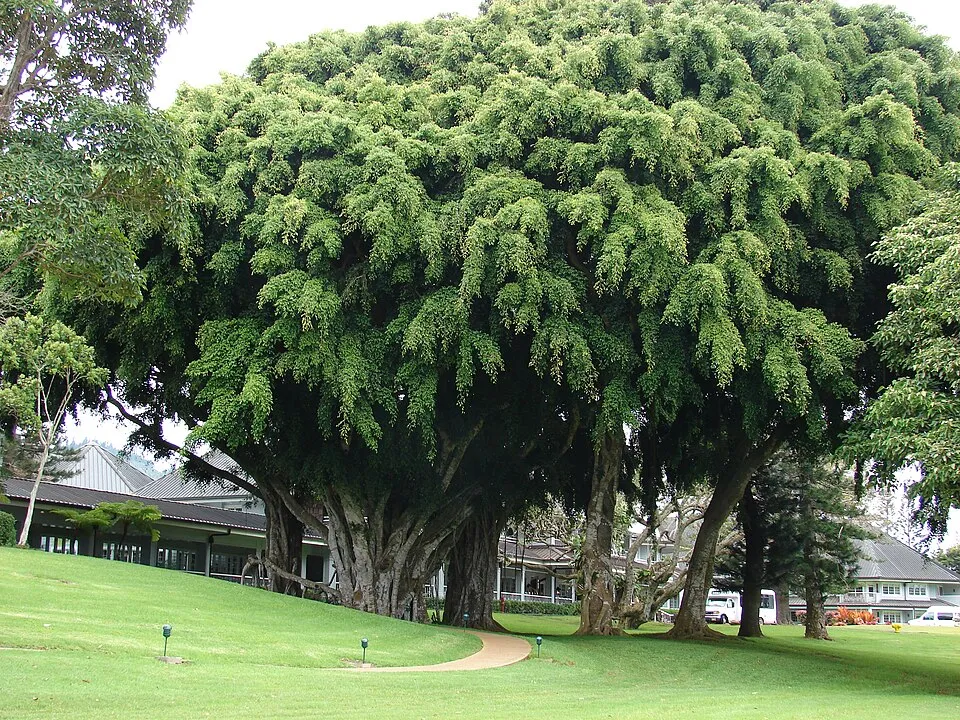
Ficus benjamina, commonly known as the Weeping Fig, is an elegant evergreen tree belonging to the Moraceae family, renowned for its graceful, drooping habit. In indoor environments, it typically reaches heights of up to 2 meters, though in its native habitat, it can soar to 8 meters with a crown spread of nearly 10 meters. Its distinctive foliage features lanceolate leaves, measuring between 5 to 10 cm in length, boasting a glossy, dark green surface that adds a vibrant touch to any setting.
The bark is characteristically smooth and grayish-brown, gradually developing fissures and texture as the tree matures. While primarily an ornamental plant indoors, Ficus benjamina rarely produces the small, inconspicuous fig fruits when cultivated outside its natural range, and flowers are generally not observed. This species thrives across a variety of indoor settings but flourishes best in bright, indirect light, which significantly enhances the vibrancy of its rich green leaves.
Native to a vast area encompassing India, southern China, Southeast Asia, Malaysia, the Philippines, northern Australia, and the islands of the South Pacific, the Weeping Fig is a common sight in tropical and subtropical forests. Its taxonomic classification places it within the diverse Ficus genus, which comprises over 800 species, each adapted to distinct climatic conditions.
Ficus benjamina stands out for its remarkable adaptability, making it a globally popular choice for interior decor, even in temperate regions. This adaptability and widespread distribution contribute to its cultural significance and traditional uses across various communities.
Trusted Scientific References
1. Authoritative external sources for Ficus benjamina
1.1 Wikipedia — Ficus benjamina
1.2 Kew POWO (Plants of the World Online)
1.3 PubMed — peer-reviewed research
1.4 NCBI Taxonomy Browser
1.5 GBIF — Global Biodiversity
1.6Ficus Benjamina should be interpreted through verified botanical identity, practical care, and responsible safety language. This recovery note adds the missing context needed for a complete profile: match light to the plant's habit, use well-drained soil, water according to season, and avoid unsupported medicinal or edible claims. For publishing, the plant can be presented as a source-backed indoor plant with clear care guidance, common problem diagnosis, and conservative safety wording.
1.1.Ficus Benjamina — Standout Qualities
- ✓Evergreen Ornamental Tree — Provides lush, year-round foliage, making it a staple in interior landscaping.
- ✓Glossy Lanceolate Leaves — Characterized by its distinctive dark green, shiny, and elongated leaves.
- ✓Pendulous Branches — Creates its iconic 'weeping' appearance, adding a graceful aesthetic.
- ✓Adaptable Indoor Plant — Thrives in a range of indoor environments, offering versatility for plant enthusiasts.
- ✓Antioxidant — Rich Extracts — Demonstrates significant free-radical scavenging capabilities due to its chemical composition.
- ✓Broad — Spectrum Antimicrobial — Exhibits potent activity against various microbial pathogens, as shown in scientific studies.
- ✓Traditional Anti — inflammatory — Utilized in folk medicine to soothe and reduce inflammatory conditions.
- ✓Potential Insect Repellent — Leaves and twigs have traditional applications in deterring common insects.
- ✓Contains Phenolic Acids — Key chemical markers like chlorogenic and caffeic acids underpin its therapeutic potential.
- ✓Latex Irritant — Produces a milky sap that can cause skin irritation and is toxic if ingested.
1.2.Ficus Benjamina — Concise Overview
- ✓Ornamental Weeping Fig — A widely popular indoor plant known for its elegant, drooping branches and glossy green foliage.
- ✓Traditional Medicinal Uses — Historically employed for skin ailments, inflammation, fevers, and as an antimicrobial in various folk medicine systems.
- ✓Rich in Bioactive Compounds — Contains significant amounts of phenolic acids and flavonoids, contributing to its antioxidant and antimicrobial potential.
- ✓Caution with Latex Sap — The plant's sap is irritating to the skin and has documented hemolytic activity, making internal consumption unsafe.
- ✓Air Purifying Qualities — Contributes to improving indoor air quality, a common benefit associated with many Ficus species.
- ✓Native to Asia/Australia — Indigenous to tropical and subtropical regions of Southeast Asia and Australia, thriving in warm, humid climates.
2.Ficus Benjamina — Taxonomic Classification
3.Ficus Benjamina — Quick Facts
4.Ficus Benjamina — Morphological Account
5.Ficus Benjamina — Habitat & Distribution
6.Ficus Benjamina — Cultural & Traditional Roles
7.Ficus Benjamina — Bioactive Constituents
- ✓Phenolic Acids — Key compounds include chlorogenic acid, p-coumaric acid, ferulic acid, and syringic acid found in roots and stem, along with caffeic acid prominent in leaves, all contributing significantly to the plant's antioxidant and anti-inflammatory activities.
- ✓Flavonoids — Important examples like naringenin and quercetin are present, known for their powerful antioxidant, anti-inflammatory, and potential anticancer effects, protecting cells from damage.
- ✓Triterpenoids — Compounds such as stigmasterol contribute to the plant's pharmacological profile, often associated with anti-inflammatory and cholesterol-lowering properties.
- ✓Cinnamic Acid Derivatives — Cinnamic acid itself and related compounds are found, recognized for their antimicrobial, antioxidant, and sometimes anti-inflammatory actions.
- ✓Carbohydrates — Lactose is identified, indicating a broader metabolic profile within the plant, though its direct medicinal contribution is less emphasized.
- ✓Essential Oils — Volatile organic compounds, identified via GC/MS in the stem and root, contribute to its distinct aroma and are linked to antimicrobial and potential insect-repellent properties.
- ✓Saponins — These compounds are often found in Ficus species and are known for their hemolytic activity, which has been observed in Ficus benjamina extracts.
- ✓Alkaloids — While not explicitly detailed, the presence of alkaloids is common in many medicinal plants and could contribute to a range of biological activities.
- ✓Tannins — These astringent compounds are typically present in many plant parts and contribute to properties useful in addressing skin ailments and gastrointestinal issues.
- ✓Glycosides — A diverse group of compounds, often associated with various biological activities including antioxidant protection and modulation of cellular processes.
8.Ficus Benjamina — What Research Suggests
- ✓Antioxidant Activity — Extracts from Ficus benjamina are significantly rich in antioxidants, which are crucial for combating oxidative stress and protecting cellular health.
- ✓Antimicrobial Properties — The plant exhibits potent antimicrobial activity, demonstrating efficacy against various bacterial and fungal pathogens, supporting its traditional use in fighting infections.
- ✓Anti-inflammatory Support — Traditionally, Ficus benjamina has been used to alleviate inflammation, a property likely attributed to its array of bioactive compounds.
- ✓Skin Disorder Relief — Indigenous communities have historically applied parts of the plant, particularly latex and fruit extracts, to treat various skin ailments and irritations.
- ✓Antipyretic Effects — In traditional medicine, Ficus benjamina has been employed as a remedy to reduce fever, helping to manage febrile conditions.
- ✓Analgesic (Antinociceptive) Action — The plant has been traditionally utilized for its pain-relieving properties, offering natural comfort for various aches and discomforts.
- ✓Hypotensive Potential — Some traditional uses suggest that Ficus benjamina may possess properties that contribute to lowering blood pressure.
- ✓Anti-dysentery Aid — Historically, the plant was used as a remedy for dysentery, helping to manage symptoms and support gastrointestinal health.
- ✓Insect Repellent — The leaves and twigs of Ficus benjamina have been traditionally utilized as a natural insect repellent, keeping pests at bay.
- ✓General Tonic — In some indigenous cultures, the plant is valued as a general health tonic, believed to promote overall well-being and vitality.
- ✓Respiratory Support — When present in an indoor environment, the plant's foliage is anecdotally noted to offer mild soothing properties that can benefit bronchial issues.
- ✓Anti-Cancer Potential — Traditional texts mention the use of Ficus benjamina extracts for cancer, though modern scientific validation in this area is still emerging and requires extensive research.
8.1.Ficus Benjamina — Health Applications
9.Ficus Benjamina — Risk Profile
9.1.Ficus Benjamina — Reported Side Effects
- ✓Skin Irritation — The latex or sap of Ficus benjamina can cause contact dermatitis, redness, itching, and swelling in sensitive individuals upon direct skin contact.
- ✓Allergic Reactions — Exposure to the plant, particularly its sap, may trigger allergic responses ranging from skin rashes to more severe respiratory symptoms in susceptible persons.
- ✓Hemolytic Activity — Scientific studies have shown that extracts from Ficus benjamina exhibit substantial hemolytic activity, indicating a potential to damage red blood cells if ingested systemically.
- ✓Gastrointestinal Upset — Ingestion of any part of the plant, especially the sap, can lead to symptoms such as nausea, vomiting, abdominal pain, and diarrhea.
- ✓Respiratory Irritation — Airborne particles from the plant or direct contact with sap near the respiratory tract could potentially cause irritation and discomfort.
- ✓Toxicity to Pets — Ficus benjamina is considered toxic to common household pets like cats and dogs, causing oral irritation, excessive drooling, vomiting, and diarrhea if ingested.
9.2.Ficus Benjamina — Clinical Safety Notes
- ✓External Use Caution — Always perform a patch test on a small skin area before applying any Ficus benjamina preparations topically due to its potential for severe skin irritation.
- ✓Avoid Ingestion — Due to documented hemolytic activity and the risk of gastrointestinal upset, internal consumption of Ficus benjamina in any form is strongly advised against.
- ✓Pregnancy & Lactation — There is insufficient scientific research to confirm the safety of Ficus benjamina during pregnancy or breastfeeding; therefore, its use should be avoided by expectant or nursing mothers.
- ✓Children & Pets — Keep Ficus benjamina plants well out of reach of children and pets to prevent accidental ingestion and subsequent toxic effects.
- ✓Allergy Sufferers — Individuals with known latex allergies or sensitivities to other Ficus species should exercise extreme caution or completely avoid contact with Ficus benjamina.
- ✓Professional Consultation — Prior to considering any therapeutic application of Ficus benjamina, consultation with a qualified medical herbalist or healthcare professional is essential.
- ✓Handling Precautions — Wear protective gloves when pruning, repotting, or otherwise handling the plant to prevent contact with its irritating latex sap.
10.Ficus Benjamina — Preparation & Dosage
- ✓Topical Application (Sap/Latex) — Historically applied externally for skin disorders and inflammation, though extreme caution is advised due to its irritating nature.
- ✓Decoction (Leaves/Bark) — Prepared by simmering leaves or bark in water to extract soluble compounds for traditional internal remedies, though not recommended for general use.
- ✓Infusion (Leaves) — Dried Ficus benjamina leaves can be steeped in hot water to create an infusion for mild respiratory support or as a general tonic, with careful consideration of safety.
- ✓Poultice (Crushed Leaves) — Fresh, crushed leaves might be applied as a poultice for localized pain or skin issues in traditional practices, necessitating a patch test.
- ✓Essential Oil Extraction — Essential oils from stem and root can be extracted for their antimicrobial and aromatic properties, typically for external use or diffusion, not internal.
- ✓Extract Preparation (Methanol/Ethanol) — Scientific studies often utilize methanolic or ethanolic extracts for evaluating antioxidant and antimicrobial activities in controlled laboratory settings.
- ✓Insect Repellent Sachets — Dried leaves and twigs can be placed in sachets or bundles as a natural deterrent against various insects, especially in storage areas.
11.Ficus Benjamina — Growing Guide
- ✓Light Requirements — Provide bright, indirect light; direct sunlight can scorch the glossy leaves and cause stress.
- ✓Watering — Maintain consistently moist soil, allowing the top inch to dry out between waterings to prevent root rot or drought stress.
- ✓Soil Type — Use a well-draining, peat-based potting mix that retains some moisture but prevents waterlogging.
- ✓Temperature & Humidity — Prefers stable indoor temperatures between 18-24°C (65-75°F) and benefits from high humidity; avoid cold drafts.
- ✓Fertilization — Feed with a balanced liquid fertilizer every 2-4 weeks during the active growing season (spring and summer).
- ✓Pruning — Prune regularly to maintain desired shape, control size, and encourage bushier growth by removing leggy or dead branches.
- ✓Propagation — Can be successfully propagated from stem cuttings placed in water or a moist, well-draining rooting medium.
- ✓Repotting — Repot every 1-2 years in spring, increasing the pot size gradually to accommodate root growth and refresh the soil.
Reviewed by the Flora Medical Global Botanical Review Panel
Multi-disciplinary editorial group · Botany · Ethnobotany · Herbal-medicine literature
Who reviewed this: This page was checked by the Flora Medical Global Botanical Review Panel — an in-house editorial group of botany graduates, ethnobotany researchers, and horticulture practitioners who collectively maintain our 7,000+ plant encyclopedia. Meet the team.
Our 4-step verification process
1. Taxonomic verification
Scientific names and synonyms cross-checked against Kew POWO, World Flora Online, and The Plant List.
2. Phytochemical & medicinal cross-reference
Active compounds, traditional uses, and reported activities are cross-referenced with PubMed, USDA Dr. Duke's database, and peer-reviewed ethnobotanical literature.
3. Conservation & distribution check
Distribution, ecology, and conservation status confirmed against GBIF occurrence records and the IUCN Red List.
4. Editorial & safety review
Every entry passes an editorial pass for clarity, originality, and safety notices (toxicity, contraindications, dosage caveats) before publication.
Last reviewed:
Important medical disclaimer: This content is for educational and research purposes only. It is not medical advice and is not a substitute for consultation with a licensed healthcare provider. Do not use any herb to self-treat a medical condition without professional guidance.
Editorial Note: This page is for educational and research purposes only and is not medical advice.
Written by: Flora Medical Global Editorial Team
Reviewed by: Flora Medical Global Botanical Review Panel
Last Updated: June 15, 2026





Ficus Benjamina — Comments & Community Reviews
Rate this plant