
Medical Disclaimer: This content is for educational purposes only. It is not medical advice. Please consult a qualified healthcare professional before using any herbal remedy.
Safety Overview
1.Ficus Bonsai Retusa — Introduction & Highlights
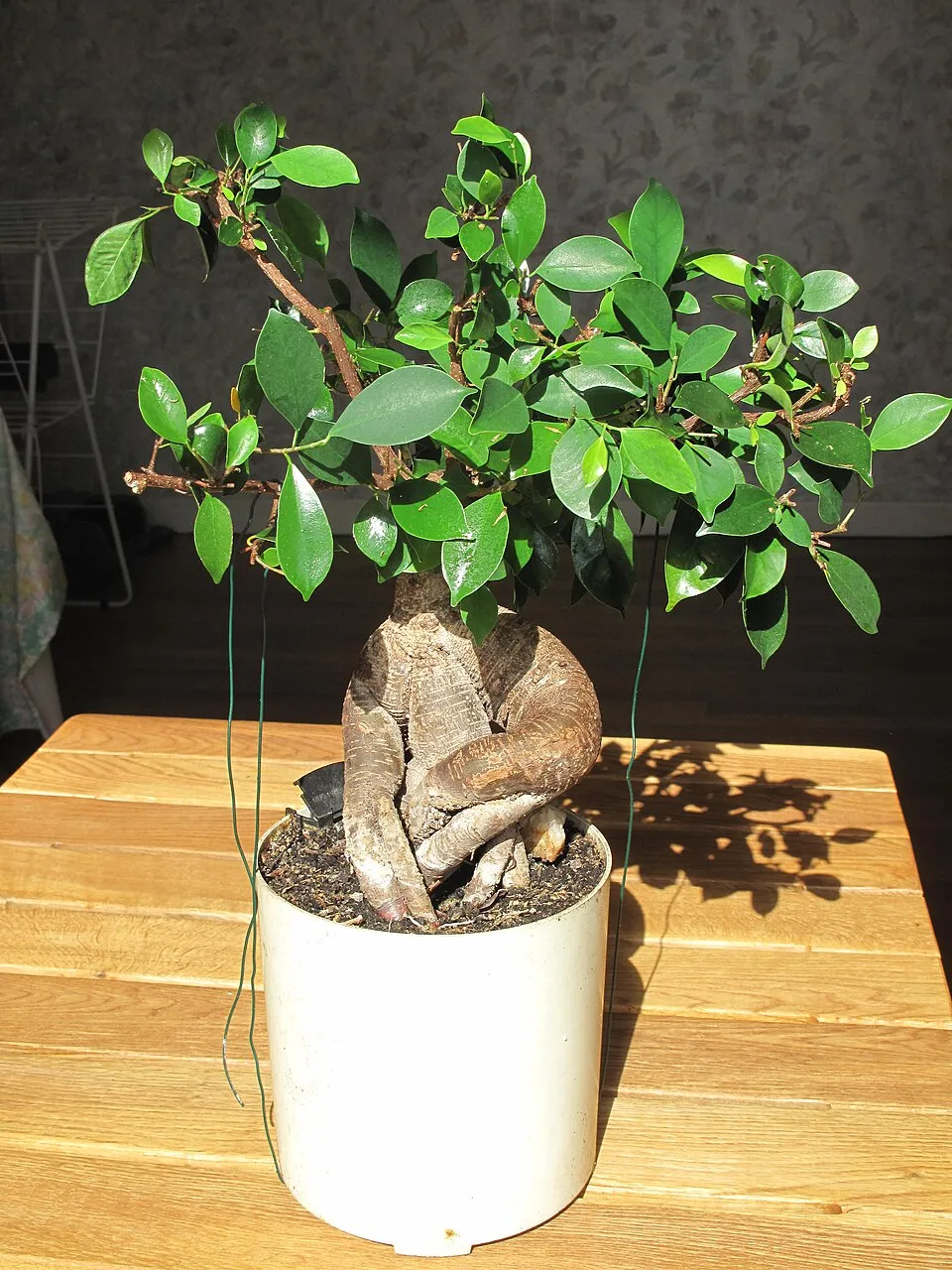
Ficus retusa bonsai, commonly known as the Indian Laurel Fig or Chinese Banyan, is a captivating evergreen tree belonging to the Moraceae family. While capable of reaching heights of 3 to 15 meters in its natural habitat, it is predominantly cultivated as a miniature bonsai specimen, rarely exceeding a fraction of that size.
Its defining features include dense, oval-shaped leaves, typically 4 to 10 cm long, which exhibit a vibrant, glossy green surface, beautifully reflecting light. The bark presents a smooth, grayish-brown texture, often developing subtle fissures and character over time, enhancing its aesthetic appeal.
Native to the tropical and subtropical regions of Southeast Asia, Ficus retusa thrives in warm, humid environments. In optimal outdoor conditions, it can produce small, inconspicuous yellowish fig-like fruits, though this is uncommon for indoor specimens. This species is highly prized among bonsai enthusiasts and indoor gardeners for its remarkable adaptability to various lighting conditions, its inherent resilience, and its exceptional responsiveness to pruning and shaping.
Furthermore, Ficus retusa can develop impressive aerial roots in high humidity, a characteristic that allows for stunning 'banyan-style' bonsai creations. Its robust nature and striking appearance make it an enduring favorite for bringing a touch of natural elegance into indoor living and working spaces.
Trusted Scientific References
1. Authoritative external sources for Ficus retusa bonsai
1.1 Wikipedia — Ficus retusa bonsai
1.2 Kew POWO (Plants of the World Online)
1.3 PubMed — peer-reviewed research
1.4 NCBI Taxonomy Browser
1.5 GBIF — Global Biodiversity
1.6Ficus Bonsai Retusa should be interpreted through verified botanical identity, practical care, and responsible safety language. This recovery note adds the missing context needed for a complete profile: match light to the plant's habit, use well-drained soil, water according to season, and avoid unsupported medicinal or edible claims. For publishing, the plant can be presented as a source-backed indoor plant with clear care guidance, common problem diagnosis, and conservative safety wording.
1.1.Ficus Bonsai Retusa — Key Features
- ✓Evergreen foliage with — Evergreen foliage with glossy, oval leaves and smooth grayish-brown bark
- ✓Highly adaptable to — Highly adaptable to indoor environments and various lighting conditions
- ✓Exceptionally resilient and — Exceptionally resilient and tolerant of occasional care fluctuations
- ✓Preferred species for — Preferred species for bonsai cultivation due to ease of pruning and shaping
- ✓Capable of developing — Capable of developing striking aerial roots in high humidity, enabling unique styles
- ✓Produces a milky — Produces a milky latex sap, characteristic of the Ficus genus
- ✓Native to tropical — Native to tropical and subtropical regions of Southeast Asia
- ✓Valued for its — Valued for its aesthetic appeal and potential to improve indoor air quality
- ✓Traditional uses in — Traditional uses in some cultures for minor skin and digestive support
- ✓Available in various — Available in various forms, including 'Ginseng Ficus' with thickened root bases
1.2.Ficus Bonsai Retusa — Quick Summary
- ✓Ficus retusa bonsai is an evergreen ornamental tree known for its glossy leaves and adaptability.
- ✓Primarily valued for aesthetics and bonsai cultivation, it has limited traditional medicinal uses.
- ✓In Ayurveda, the sap is used for skin ailments; in TCM, leaves for digestion.
- ✓Contains flavonoids, triterpenoids, and phenolic acids with potential antioxidant properties.
- ✓The milky latex sap can cause skin irritation and is toxic to pets if ingested.
- ✓Medicinal applications require expert guidance and caution due to lack of specific research.
2.Ficus Bonsai Retusa — Taxonomic Classification
3.Ficus Bonsai Retusa — Reference Facts
4.Ficus Bonsai Retusa — Plant Morphology
5.Ficus Bonsai Retusa — Geographic Distribution
6.Ficus Bonsai Retusa — Historical Applications
7.Ficus Bonsai Retusa — Bioactive Constituents
- ✓Flavonoids — A diverse group of polyphenolic compounds, including quercetin and rutin, recognized for their potent antioxidant, anti-inflammatory, and capillary-strengthening properties, contributing to cellular protection.
- ✓Triterpenoids — These natural compounds, such as beta-sitosterol, are often associated with anti-inflammatory, analgesic, and hepatoprotective activities, forming a significant part of the plant's defense mechanisms.
- ✓Phenolic Acids — Compounds like gallic acid and chlorogenic acid are prevalent, known for their strong antioxidant and free-radical scavenging abilities, supporting overall cellular health.
- ✓Alkaloids — While generally present in lower concentrations, certain alkaloidal compounds may contribute to various biological activities, though their specific roles in Ficus retusa are less defined.
- ✓Saponins — These glycosides can exhibit emulsifying and foaming properties, and in some plants, are associated with immune-modulating and cholesterol-lowering effects.
- ✓Tannins — Astringent polyphenols found in the bark and leaves, known for their antimicrobial, antioxidant, and wound-healing properties, contributing to traditional topical applications.
- ✓Latex (Milky Sap) — Contains proteolytic enzymes, such as ficin, which traditionally have been used for their protein-digesting and cleansing actions, particularly in wound care.
- ✓Steroids — Plant steroids, including phytosterols, are present and can contribute to the plant's structural integrity and may possess anti-inflammatory and adaptogenic qualities.
8.Ficus Bonsai Retusa — What Research Suggests
- ✓Skin Healing Support — In Ayurvedic tradition, the milky latex sap of Ficus species, including Ficus retusa, has been topically applied to minor cuts, abrasions, and skin irritations, believed to aid in wound closure and soothe epidermal discomfort.
- ✓Digestive Health Promotion — Traditional Chinese Medicine (TCM) practices sometimes utilize infusions made from Ficus retusa leaves, which are thought to support digestive function and contribute to the body's natural detoxification processes.
- ✓Anti-inflammatory Potential — While specific research on Ficus retusa is limited, other Ficus species exhibit anti-inflammatory properties attributed to their flavonoid and triterpenoid content, suggesting a potential role in modulating inflammatory responses.
- ✓Antioxidant Activity — Phytochemical analyses of various Ficus species indicate the presence of antioxidant compounds, which can help neutralize free radicals and protect cells from oxidative stress.
- ✓Antimicrobial Properties — Extracts from certain Ficus species have demonstrated mild antimicrobial effects against various pathogens, suggesting a possible traditional role in preventing infection in minor wounds.
- ✓Gastroprotective Effects — Some Ficus species have been investigated for their ability to protect the gastric lining, potentially due to compounds that strengthen mucosal barriers or reduce acidity.
- ✓Blood Sugar Regulation — Preliminary studies on other Ficus species suggest compounds that may influence glucose metabolism, though this requires extensive research specifically for Ficus retusa.
- ✓Respiratory Support — In some traditional systems, certain Ficus preparations are used to alleviate minor respiratory discomforts, though this application for Ficus retusa specifically is less documented and requires caution.
8.1.Ficus Bonsai Retusa — Reported Uses
9.Ficus Bonsai Retusa — Precautions & Warnings
9.1.Ficus Bonsai Retusa — Reported Side Effects
- ✓Skin Irritation — The milky latex sap can cause contact dermatitis, skin irritation, or allergic reactions in sensitive individuals upon direct exposure.
- ✓Allergic Reactions — Individuals sensitive to other Ficus species or latex may experience cross-reactivity, leading to symptoms like rash, itching, or swelling.
- ✓Gastrointestinal Upset — Ingestion of leaves or sap, particularly by pets, can lead to gastrointestinal distress, including vomiting, diarrhea, and mouth irritation.
- ✓Toxicity to Pets — Ficus retusa, like many Ficus species, is considered toxic to animals if ingested, potentially causing oral irritation, drooling, and digestive issues.
- ✓Photosensitivity — Some Ficus species contain furocoumarins in their sap, which can cause photosensitivity reactions if skin is exposed to both sap and sunlight.
- ✓Oral Irritation — Direct contact of the sap with mucous membranes, such as the mouth or eyes, can cause irritation and discomfort.
9.2.Ficus Bonsai Retusa — Clinical Safety Notes
- ✓Expert Consultation Required — Any internal or extensive external medicinal application of Ficus retusa should only be undertaken after consultation with a qualified medical herbalist or healthcare practitioner.
- ✓Topical Use with Caution — Due to the potential for skin irritation and allergic reactions from the latex sap, always perform a patch test before widespread topical application.
- ✓Not for Internal Consumption — Ficus retusa is not generally recommended for internal medicinal use without expert guidance, given its primary ornamental status and limited specific human clinical data.
- ✓Keep Away from Pets — Ensure the plant is placed out of reach of household pets, as ingestion of leaves or sap can be toxic and cause adverse reactions.
- ✓Pregnancy and Lactation — Pregnant or nursing individuals should avoid medicinal use of Ficus retusa due to insufficient safety data.
- ✓Allergy Sufferers — Individuals with known allergies to latex or other Ficus species should exercise extreme caution or avoid contact with Ficus retusa.
- ✓Children's Safety — Keep Ficus retusa out of reach of young children to prevent accidental ingestion or contact with irritating sap.
10.Ficus Bonsai Retusa — Application Forms
- ✓Ornamental Cultivation — Primarily cultivated as a bonsai, Ficus retusa is admired for its aesthetic beauty, adaptability, and ease of shaping, enhancing indoor environments.
- ✓Topical Sap Application (Traditional) — In traditional Ayurvedic practice, the milky latex sap is carefully collected and applied externally to minor skin irritations, small cuts, or superficial wounds, under expert guidance.
- ✓Leaf Infusions (Traditional) — In Traditional Chinese Medicine, dried leaves may be prepared as an infusion or decoction, traditionally consumed to support digestive health and detoxification processes, always with professional consultation.
- ✓Air Purification — As a living plant, Ficus retusa contributes to indoor air quality by absorbing certain airborne toxins, making it a beneficial presence in homes and offices.
- ✓Bonsai Styling — Utilized for its flexible branches and ability to develop aerial roots, it is a favored species for various bonsai styles, including banyan, root-over-rock, and formal upright.
- ✓Educational Display — Often featured in botanical gardens and educational settings to demonstrate bonsai artistry, plant physiology, and ethnobotanical connections.
- ✓Environmental Enrichment — Its presence in indoor spaces offers psychological benefits, reducing stress and enhancing well-being through connection with nature.
11.Ficus Bonsai Retusa — Growing Guide
- ✓Placement — Ficus retusa requires abundant light, ideally full sunlight, and stable temperatures above 15°C (60°F); it should be protected from frost and sudden temperature fluctuations.
- ✓Watering — Water generously when the topsoil feels slightly dry, using room-temperature soft water; Ficus tolerates occasional over or underwatering but prefers consistent moisture.
- ✓Humidity — While tolerant of lower humidity due to waxy leaves, higher humidity (approaching 100%) is crucial for the development of aerial roots, often requiring misting or a humidity tray.
- ✓Fertilizing — During the growing season (summer), apply a balanced liquid fertilizer every two weeks; reduce frequency to every four weeks in winter if growth continues.
- ✓Pruning — Regular pruning is essential to maintain the desired bonsai shape, typically cutting back to two leaves after six to eight leaves have grown; heavy pruning is well-tolerated.
- ✓Repotting — Repot every two years in spring, using a well-draining bonsai soil mix; Ficus retusa tolerates significant root pruning during this process.
- ✓Propagation — Cuttings can be rooted successfully, especially during mid-summer; air-layering is also an effective method, best performed in spring.
- ✓Pest Management — Generally resistant, but monitor for spider mites or scale insects, particularly in dry, low-light conditions; improve living conditions and use appropriate organic insecticides if necessary.
Reviewed by the Flora Medical Global Botanical Review Panel
Multi-disciplinary editorial group · Botany · Ethnobotany · Herbal-medicine literature
Who reviewed this: This page was checked by the Flora Medical Global Botanical Review Panel — an in-house editorial group of botany graduates, ethnobotany researchers, and horticulture practitioners who collectively maintain our 7,000+ plant encyclopedia. Meet the team.
Our 4-step verification process
1. Taxonomic verification
Scientific names and synonyms cross-checked against Kew POWO, World Flora Online, and The Plant List.
2. Phytochemical & medicinal cross-reference
Active compounds, traditional uses, and reported activities are cross-referenced with PubMed, USDA Dr. Duke's database, and peer-reviewed ethnobotanical literature.
3. Conservation & distribution check
Distribution, ecology, and conservation status confirmed against GBIF occurrence records and the IUCN Red List.
4. Editorial & safety review
Every entry passes an editorial pass for clarity, originality, and safety notices (toxicity, contraindications, dosage caveats) before publication.
Last reviewed:
Important medical disclaimer: This content is for educational and research purposes only. It is not medical advice and is not a substitute for consultation with a licensed healthcare provider. Do not use any herb to self-treat a medical condition without professional guidance.
Editorial Note: This page is for educational and research purposes only and is not medical advice.
Written by: Flora Medical Global Editorial Team
Reviewed by: Flora Medical Global Botanical Review Panel
Last Updated: June 15, 2026





Ficus Bonsai Retusa — Comments & Community Reviews
Rate this plant