

Medical Disclaimer: This content is for educational purposes only. It is not medical advice. Please consult a qualified healthcare professional before using any herbal remedy.
Safety Overview
1.Ficus Petiolaris — At a Glance
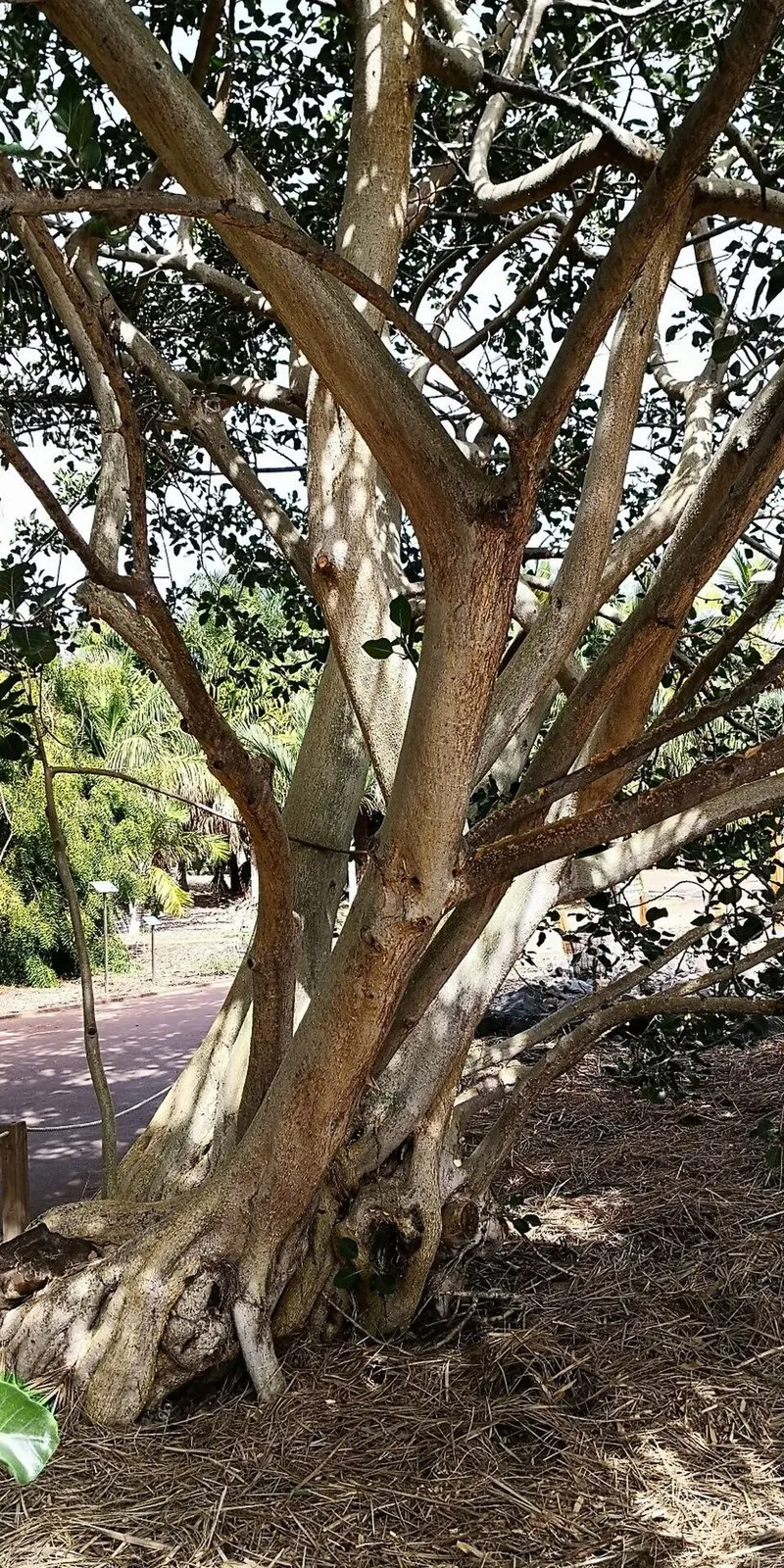
Ficus petiolaris, commonly known as the Rock Fig or Amole, is a distinctive member of the Moraceae family, showcasing remarkable adaptations to arid environments. Native to the rocky canyons and desert ecosystems of Baja California Sur, Baja California, Sonora, and Sinaloa in Mexico, this species thrives in dry woodlands and exposed rocky outcrops. It often begins its life as a lithophyte or epiphyte, establishing itself on rocks or other plants before developing its iconic form. The most striking feature of Ficus petiolaris is its dramatically swollen, caudiciform trunk, which can reach up to 1 meter (3 feet) in height and substantial width.
This caudex serves as a crucial water storage organ, enabling the plant to endure prolonged drought conditions characteristic of its native habitat. The bark is smooth and often peels in thin layers, revealing shades from pale gray to light brown, with younger bark sometimes exhibiting reddish tinges, enhancing its visual appeal. Its leaves are distinctively heart-shaped (cordate), typically measuring 8 to 12 cm (3 to 5 inches) in length, with a glossy green upper surface. A key identifying characteristic is the prominent, often vibrant pink to reddish venation that beautifully contrasts with the leaf lamina, especially in younger leaves or those exposed to bright light.
Like other Ficus species, its minute flowers are encased within a specialized structure called a syconium, which matures into the fig fruit. These hidden flowers are pollinated by specific fig wasps, a symbiotic relationship vital for the species' reproduction. Beyond its ornamental value as a sculptural plant for arid landscaping and bonsai, Ficus petiolaris holds cultural significance in its native regions, with the name 'Amole' often referencing soap-like properties derived from its sap or bark, highlighting its traditional utility.
Trusted Scientific References
1. Authoritative external sources for Ficus petiolaris
1.1 Wikipedia — Ficus petiolaris
1.2 Kew POWO (Plants of the World Online)
1.3 PubMed — peer-reviewed research
1.4 NCBI Taxonomy Browser
1.5 GBIF — Global Biodiversity
1.1.Ficus Petiolaris — Distinguishing Points
- ✓Caudiciform Trunk — Dramatically swollen trunk for water storage, characteristic of desert adaptation.
- ✓Cordate Leaves — Heart-shaped leaves with glossy green lamina and striking pink to reddish venation.
- ✓Lithophytic/Epiphytic Growth — Often starts growing on rocks or other plants in its juvenile stage.
- ✓Drought Tolerance — Highly adapted to arid environments, requiring minimal water once established.
- ✓Syconium Fruit — Produces inconspicuous flowers enclosed within a specialized fig structure, pollinated by fig wasps.
- ✓Traditional Medicinal Uses — Employed in Mexican and African ethnomedicine for various ailments, including wounds, fever, and parasites.
- ✓Rich Phytochemistry — Contains a wide array of bioactive compounds like phenolics, terpenoids, and flavonoids.
- ✓Ornamental Value — Highly prized as a sculptural plant for arid landscaping and bonsai enthusiasts.
- ✓'Amole' Designation — Cultural name reflecting its traditional use, often linked to soap-like properties.
- ✓Resilience — Known for its hardiness and ability to thrive in challenging, dry conditions.
1.2.Ficus Petiolaris — At-a-Glance Summary
- ✓Ficus petiolaris, the Rock Fig, is known for its caudiciform trunk and distinctive heart-shaped leaves with reddish veins.
- ✓Native to Mexico, it thrives in arid, rocky environments, showcasing remarkable drought adaptation.
- ✓Traditionally used for ailments like rheumatism, fever, wounds, and intestinal parasites in ethnomedicine.
- ✓Rich in phenolic compounds, terpenoids, and flavonoids, contributing to its antioxidant and antimicrobial properties.
- ✓Lacks rigorous clinical trials, necessitating caution and professional guidance for medicinal use.
- ✓Valued ornamentally for its unique sculptural form and ease of care in arid landscapes.
2.Ficus Petiolaris — Nomenclature & Classification
3.Ficus Petiolaris — Key Data
4.Ficus Petiolaris — Botanical Features
5.Ficus Petiolaris — Origin & Spread
6.Ficus Petiolaris — Traditional Uses
7.Ficus Petiolaris — Key Phytochemicals
- ✓Phenolic Compounds — This is the most dominant group identified in Ficus petiolaris and related Ficus species, including a wide array of flavonoids, phenolic acids, and lignans, known for their potent antioxidant and anti-inflammatory activities.
- ✓Terpenoids — A diverse class of organic compounds, including monoterpenes, sesquiterpenes, and triterpenes, which contribute to the plant's aroma and possess various bioactivities like anti-inflammatory and antimicrobial effects.
- ✓Phytosterols — Plant sterols such as beta-sitosterol, campesterol, and stigmasterol are present, recognized for their cholesterol-lowering properties and potential anti-cancer activities.
- ✓Furanocoumarins — Compounds like psoralen and bergapten, which can exhibit phototoxic effects and have been studied for their dermatological applications, particularly in treating skin conditions.
- ✓Xanthotoxin — A specific furanocoumarin, also known as methoxsalen, known for its photosensitizing properties and traditional use in phototherapy for certain skin disorders.
- ✓Tannins — These astringent polyphenols are abundant, contributing to the plant's antimicrobial, anti-inflammatory, and wound-healing properties by binding to proteins and enzymes.
- ✓Saponins — Glycosides that produce a frothy lather when mixed with water, known for their expectorant, anti-inflammatory, and immune-modulating effects.
- ✓Flavonoids — A subgroup of phenolic compounds, including quercetin, kaempferol, and rutin, which are powerful antioxidants and contribute to cardiovascular health and anti-cancer mechanisms.
- ✓Alkaloids — Nitrogen-containing organic compounds that often have significant pharmacological effects, such as analgesic, anti-inflammatory, and antimalarial activities, though their specific roles in F. petiolaris require more study.
- ✓Phenolic Acids — Including gallic acid, caffeic acid, and ferulic acid, these compounds are strong antioxidants and play roles in protecting against chronic diseases.
8.Ficus Petiolaris — Pharmacological Findings
- ✓Antioxidant Activity — Ficus petiolaris extracts exhibit significant antioxidant properties, helping to neutralize free radicals and mitigate oxidative stress in the body, which contributes to cellular protection.
- ✓Antimicrobial Effects — Studies indicate that various parts of the plant possess antimicrobial capabilities, potentially inhibiting the growth of certain bacteria and fungi.
- ✓Anti-inflammatory Potential — The plant's compounds may help reduce inflammation, offering a natural approach to managing inflammatory conditions.
- ✓Wound Healing Support — Traditionally used for wound healing, the plant's constituents are thought to promote tissue regeneration and protect against infection in minor cuts and abrasions.
- ✓Relief from Intestinal Parasites — In traditional medicine, Ficus petiolaris has been employed to manage and expel intestinal parasites, though specific mechanisms require further research.
- ✓Rheumatism Alleviation — Traditional applications suggest the plant may offer relief from symptoms associated with rheumatism, likely due to its anti-inflammatory properties.
- ✓Fever Reduction — Ethnomedicinal practices utilize Ficus petiolaris for its febrifugal effects, helping to lower body temperature during febrile states.
- ✓Chest Pain Management — Historically, remedies from this plant have been used to address chest pain, possibly through analgesic or anti-inflammatory pathways.
- ✓Support for Fractures — Traditional healers have applied Ficus petiolaris preparations to aid in the healing process of fractures, potentially assisting bone regeneration or reducing pain.
- ✓Antiviral Properties (Herpes) — The plant has been traditionally used for herpes infections, suggesting potential antiviral activity against certain viral strains.
- ✓Female Reproductive Health — Ethnomedicinal uses include addressing various female reproductive challenges, indicating a potential role in gynecological health, though scientific validation is needed.
- ✓Cytotoxic Activity — Preliminary research suggests some extracts may exhibit cytotoxic effects against certain cell lines, warranting further investigation into potential anti-cancer applications.
8.1.Ficus Petiolaris — Conditions Traditionally Used For
9.Ficus Petiolaris — Safety Considerations
9.1.Ficus Petiolaris — Caution Notes
- ✓Allergic Reactions — Individuals sensitive to latex may experience allergic reactions, including skin irritation, rash, or, in severe cases, anaphylaxis, due to the plant's milky sap.
- ✓Gastrointestinal Upset — Oral consumption of unprepared plant parts or excessive doses may lead to stomach discomfort, nausea, vomiting, or diarrhea.
- ✓Skin Irritation — Direct contact with the sap can cause contact dermatitis, redness, itching, or blistering, particularly in sensitive individuals.
- ✓Photosensitivity — Due to the presence of furanocoumarins like xanthotoxin, topical or internal use may increase skin sensitivity to sunlight, leading to sunburn or phytophotodermatitis.
- ✓Drug Interactions — Potential exists for interactions with medications, especially those affecting blood clotting, blood sugar, or immune function, given its bioactive compounds.
- ✓Toxicity Concerns — While traditionally used, the internal use of some plant parts without proper preparation or dosage guidance could pose toxicity risks.
9.2.Ficus Petiolaris — Clinical Safety Notes
- ✓Pregnancy and Breastfeeding — Not recommended for use during pregnancy or breastfeeding due to insufficient safety data and potential effects on reproductive health.
- ✓Children — Avoid use in infants and young children, as their systems are more sensitive, and safety has not been established.
- ✓Latex Allergy — Absolutely contraindicated for individuals with known latex allergies, as the plant's sap can trigger severe allergic reactions.
- ✓Pre-existing Conditions — Individuals with chronic health conditions (e.g., liver, kidney, autoimmune diseases) should consult a healthcare professional before use.
- ✓Medication Interactions — Exercise caution if taking prescription medications, especially anticoagulants, immunosuppressants, or drugs metabolized by the liver, due to potential interactions.
- ✓Photosensitivity Risk — Advise users to avoid excessive sun exposure after topical or internal use, particularly if furanocoumarins are present, to prevent photodermatitis.
- ✓Expert Guidance — Always seek guidance from a qualified medical herbalist or healthcare provider before using Ficus petiolaris for medicinal purposes.
10.Ficus Petiolaris — Usage Guide
- ✓Decoction of Bark — The stem bark can be boiled in water to create a decoction, traditionally used internally for conditions like fever or intestinal parasites.
- ✓Leaf Infusion — Dried leaves can be steeped in hot water to make an infusion, sometimes consumed for its purported anti-inflammatory or antioxidant benefits.
- ✓Topical Poultice — Crushed fresh leaves or bark, mixed with a small amount of water, can be applied as a poultice to wounds, fractures, or areas of rheumatic pain.
- ✓Latex Application — The milky latex, carefully collected, has been traditionally applied topically for skin conditions such as herpes infections or as a soap-like cleanser.
- ✓Tincture Preparation — Plant parts can be macerated in alcohol to create a tincture, offering a concentrated extract for internal or external use, though dosage requires expert guidance.
- ✓Powdered Form — Dried and powdered leaves or bark can be encapsulated or mixed with a carrier for internal consumption or external application.
- ✓Fruit Consumption — While less emphasized for medicinal use, the figs (syconia) of some Ficus species are consumed, and F. petiolaris fruits may offer nutritional or minor medicinal benefits.
- ✓Root Preparations — Aerial roots or root extracts have been used in some traditional systems, often in decoctions for specific ailments.
11.Ficus Petiolaris — Garden Cultivation
- ✓Sunlight — Ficus petiolaris thrives in full sun exposure, requiring at least 6-8 hours of direct sunlight daily for optimal growth and caudex development.
- ✓Soil — Plant in well-draining, gritty soil mixes, ideally a succulent or cactus blend, to prevent root rot, as it is highly sensitive to excessive moisture.
- ✓Watering — Water thoroughly but infrequently, allowing the soil to dry out completely between waterings, especially during its dormant winter period.
- ✓Temperature — Prefers warm temperatures, ideally between 65-90°F (18-32°C), and should be protected from frost, as it is not cold-hardy.
- ✓Propagation — Can be propagated from seeds or stem cuttings, though seed propagation is common for developing a prominent caudex.
- ✓Fertilization — Fertilize sparingly during the growing season (spring and summer) with a balanced, diluted liquid fertilizer, typically once a month.
- ✓Pruning — Minimal pruning is usually required, primarily for shaping or removing dead/damaged branches, best done in late winter or early spring.
Reviewed by the Flora Medical Global Botanical Review Panel
Multi-disciplinary editorial group · Botany · Ethnobotany · Herbal-medicine literature
Who reviewed this: This page was checked by the Flora Medical Global Botanical Review Panel — an in-house editorial group of botany graduates, ethnobotany researchers, and horticulture practitioners who collectively maintain our 7,000+ plant encyclopedia. Meet the team.
Our 4-step verification process
1. Taxonomic verification
Scientific names and synonyms cross-checked against Kew POWO, World Flora Online, and The Plant List.
2. Phytochemical & medicinal cross-reference
Active compounds, traditional uses, and reported activities are cross-referenced with PubMed, USDA Dr. Duke's database, and peer-reviewed ethnobotanical literature.
3. Conservation & distribution check
Distribution, ecology, and conservation status confirmed against GBIF occurrence records and the IUCN Red List.
4. Editorial & safety review
Every entry passes an editorial pass for clarity, originality, and safety notices (toxicity, contraindications, dosage caveats) before publication.
Last reviewed:
Important medical disclaimer: This content is for educational and research purposes only. It is not medical advice and is not a substitute for consultation with a licensed healthcare provider. Do not use any herb to self-treat a medical condition without professional guidance.
Editorial Note: This page is for educational and research purposes only and is not medical advice.
Written by: Flora Medical Global Editorial Team
Reviewed by: Flora Medical Global Botanical Review Panel
Last Updated: June 15, 2026





Ficus Petiolaris — Comments & Community Reviews
Rate this plant