


Medical Disclaimer: This content is for educational purposes only. It is not medical advice. Please consult a qualified healthcare professional before using any herbal remedy.
Safety Overview
1.Ficus Elastica Tineke — Botanical Snapshot
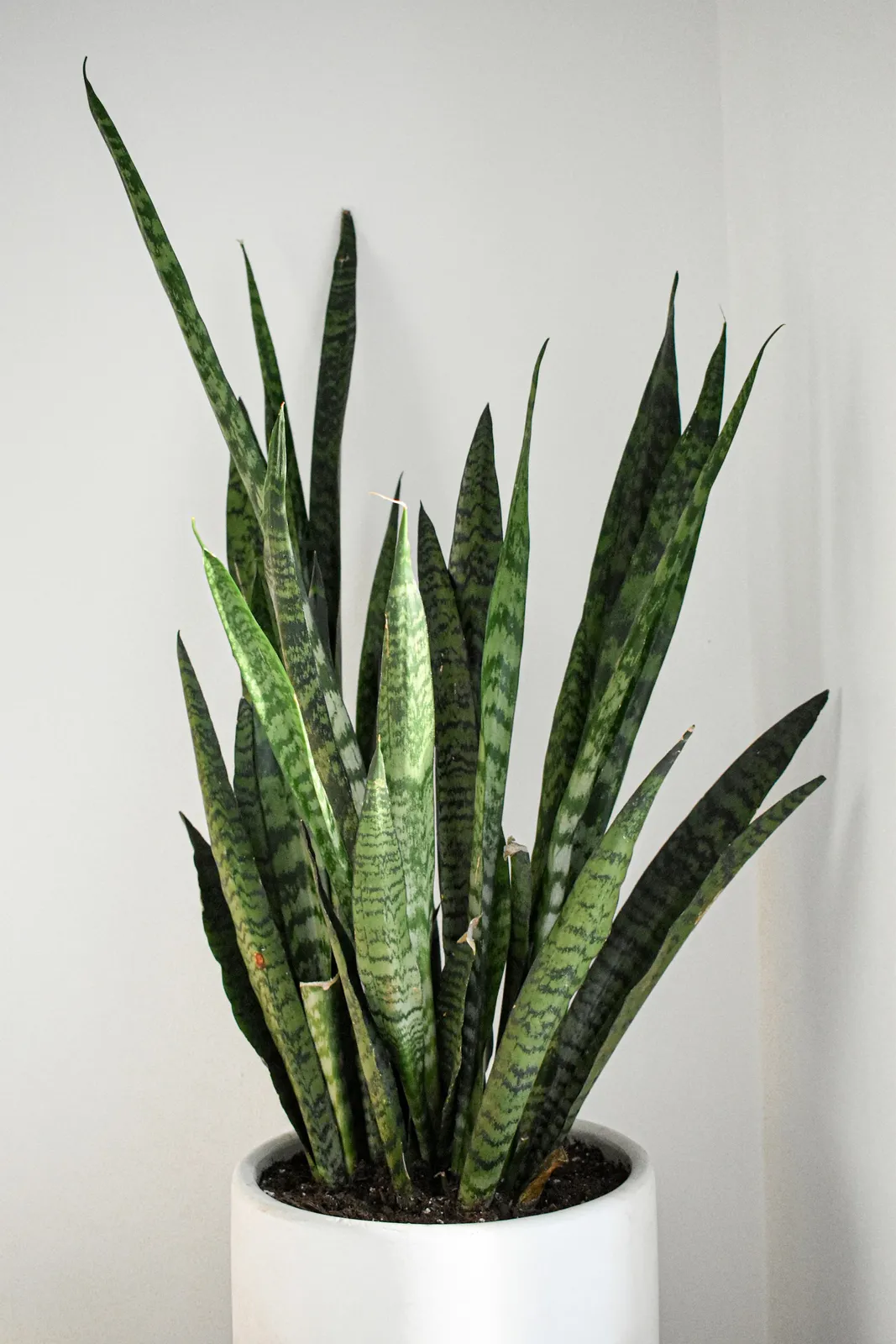
Ficus Elastica Tineke, scientifically known as Ficus elastica 'Tineke', is a captivating cultivar of the Indian Rubber Plant, belonging to the extensive Moraceae family. This evergreen species is highly prized as an indoor ornamental plant, typically reaching heights of 2 to 6 feet in cultivated environments, though its wild counterparts can grow significantly larger. Its most distinguishing feature is its glossy, ovate leaves, which can extend up to 12 inches in length and 4 inches in width.
These leaves display a striking variegated pattern, characterized by a central dark green hue that gradually transitions to creamy white or pale yellow margins, often with subtle pink or reddish tints along the edges and midribs when exposed to adequate light. The leaf texture is leathery and stiff, contributing to its robust appearance.
Native to the tropical and subtropical regions of India and Southeast Asia, Ficus elastica 'Tineke' thrives in warm, humid conditions, mimicking its natural rainforest habitat. While the species Ficus elastica does produce small, inconspicuous syconia (a type of inflorescence that develops into a fruit), the 'Tineke' cultivar rarely flowers or fruits when grown indoors, with its aesthetic value lying almost entirely in its magnificent foliage. The plant prefers bright, indirect light and well-draining soil, making it adaptable to various interior settings as a focal point or an elegant vertical accent.
Its sturdy stems and distinctive aerial roots, sometimes seen in mature outdoor specimens, are characteristic of the Ficus genus. Beyond its visual appeal, Ficus elastica 'Tineke' is also recognized for its contribution to enhancing indoor air quality, a significant benefit in urban living spaces, cementing its role as a prominent ornamental and functional houseplant.
Trusted Scientific References
1. Authoritative external sources for Ficus elastica tineke
1.1 Wikipedia — Ficus elastica tineke
1.2 Kew POWO (Plants of the World Online)
1.3 PubMed — peer-reviewed research
1.4 NCBI Taxonomy Browser
1.5 GBIF — Global Biodiversity
1.1.Ficus Elastica Tineke — Highlights
- ✓Striking Variegated Foliage — Leaves boast unique patterns of dark green, creamy white, and pink.
- ✓Excellent Indoor Air Purifier — Effectively removes common household toxins from the air.
- ✓Evergreen Ornamental Plant — Provides year-round aesthetic appeal.
- ✓Easy to Moderate Care — Adaptable to indoor conditions with proper attention.
- ✓Tropical Aesthetic — Brings a lush, exotic feel to interior spaces.
- ✓Large, Glossy Leaves — Contributes to its impressive visual presence.
- ✓Member of the Moraceae Family — Genus Ficus, known for diverse species.
- ✓Milky, Irritant Sap — Contains latex that can cause skin irritation and is toxic if ingested.
- ✓Moderate Growth Rate — Can grow into a substantial indoor tree over time.
- ✓Low Maintenance — Once established, requires relatively straightforward care.
1.2.Ficus Elastica Tineke — At-a-Glance Summary
- ✓Ficus Elastica 'Tineke' is a popular variegated Rubber Plant cultivar.
- ✓Primarily an ornamental houseplant known for striking foliage.
- ✓Highly effective at purifying indoor air by removing toxins like formaldehyde.
- ✓Contains mildly toxic milky sap, requiring careful handling.
- ✓Requires bright, indirect light and consistent care for optimal growth.
- ✓Contributes to improved indoor aesthetics and psychological well-being.
2.Ficus Elastica Tineke — Scientific Identity
3.Ficus Elastica Tineke — Key Data
4.Ficus Elastica Tineke — Botanical Description
5.Ficus Elastica Tineke — Origin & Spread
6.Ficus Elastica Tineke — Heritage Uses
7.Ficus Elastica Tineke — Chemical Profile
- ✓Polyisoprene — This is the primary component of the milky white latex, constituting the rubbery substance that gives the plant its common name; it is an industrial raw material.
- ✓Triterpenoids — Compounds like lupeol and β-amyrin are found in the latex and leaves, known for potential anti-inflammatory and antioxidant activities in various plant species.
- ✓Flavonoids — Present in the leaves, these polyphenolic compounds contribute to the plant's defense mechanisms and exhibit antioxidant properties, such as quercetin derivatives.
- ✓Furocoumarins — Found in the latex, these compounds can be photosensitizing and contribute to skin irritation upon contact.
- ✓Proteolytic Enzymes — Enzymes like ficin are present in the latex, which contribute to its protein-digesting properties and can cause skin irritation.
- ✓Alkaloids — Various nitrogen-containing compounds may be present in trace amounts, contributing to the plant's overall chemical profile.
- ✓Saponins — These glycosides are found in some Ficus species and can have detergent-like properties, though their presence in Ficus elastica 'Tineke' is typically low.
- ✓Phenolic Acids — Compounds such as gallic acid and caffeic acid derivatives are found in the leaves, contributing to antioxidant capacity.
- ✓Calcium Oxalate Crystals — Present in all plant parts, these needle-like or prismatic crystals (raphides and druses) are a mechanical irritant upon ingestion or contact with mucous membranes.
8.Ficus Elastica Tineke — Evidence-Based Benefits
- ✓Indoor Air Purification — Ficus elastica 'Tineke', like its parent species, is notably effective at absorbing common indoor air toxins such as formaldehyde, benzene, and trichloroethylene, contributing to cleaner breathing environments.
- ✓Reduction of Volatile Organic Compounds (VOCs) — The plant's leaves and root-associated microbes work synergistically to metabolize and reduce the concentration of various harmful VOCs released from furniture, carpets, and household products.
- ✓Enhanced Respiratory Environment — By removing airborne pollutants, the Ficus elastica 'Tineke' can indirectly support respiratory health, especially for individuals sensitive to indoor air contaminants.
- ✓Biophilic Stress Reduction — The presence of living plants like the variegated Rubber Plant in indoor spaces is associated with psychological benefits, including reduced stress levels, improved mood, and enhanced cognitive function through biophilic design principles.
- ✓Aesthetic and Psychological Well-being — Its striking variegated foliage provides a natural, calming aesthetic that can improve the ambiance of a room, fostering a sense of tranquility and connection to nature.
- ✓Minor Humidification — While not a primary humidifier, the plant contributes minimally to ambient humidity through transpiration, which can be beneficial in overly dry indoor environments.
- ✓Antioxidant Activity (General Ficus elastica) — Extracts from the broader Ficus elastica species have shown some antioxidant properties in vitro, attributed to phenolic compounds, though this is not a direct medicinal benefit for 'Tineke' as an ornamental.
- ✓Anti-inflammatory Potential (General Ficus elastica) — Some studies on Ficus species latex indicate potential anti-inflammatory compounds, suggesting a broader medicinal profile for the genus, though not clinically applied to the 'Tineke' cultivar.
- ✓Traditional Topical Uses (Ficus latex) — Historically, the latex from Ficus species has been used externally in some traditional medicine systems for its fibrous and mildly astringent properties on minor cuts or skin ailments, always with caution due to its irritant nature.
8.1.Ficus Elastica Tineke — Conditions Traditionally Used For
9.Ficus Elastica Tineke — Safety & Side Effects
9.1.Ficus Elastica Tineke — Possible Adverse Reactions
- ✓Skin Irritation — Contact with the milky latex sap can cause dermatitis, skin redness, itching, and allergic reactions in sensitive individuals.
- ✓Gastrointestinal Upset — Ingestion of any part of the plant, especially the sap, can lead to symptoms like nausea, vomiting, diarrhea, and mouth irritation.
- ✓Pet Toxicity — The plant is toxic to cats, dogs, and horses; ingestion can cause oral irritation, excessive drooling, vomiting, and difficulty swallowing.
- ✓Eye Irritation — Sap contact with eyes can cause severe irritation, redness, and pain.
- ✓Allergic Reactions — Rare but possible systemic allergic reactions to Ficus latex, similar to natural rubber latex allergies.
- ✓Leaf Drop — Overwatering, under-watering, cold drafts, or sudden environmental changes can cause significant leaf loss.
9.2.Ficus Elastica Tineke — Clinical Safety Notes
- ✓Handle with Gloves — Always wear gloves when pruning or handling Ficus elastica 'Tineke' to avoid skin contact with the irritating latex sap.
- ✓Keep Out of Reach — Ensure the plant is placed where children and pets cannot easily access or chew on its leaves or stems.
- ✓Not for Internal Consumption — Emphasize that no part of the Ficus elastica 'Tineke' should be ingested by humans or animals.
- ✓Avoid Eye Contact — Prevent sap from coming into contact with eyes; rinse immediately with plenty of water if exposure occurs and seek medical attention.
- ✓Monitor for Allergic Reactions — Individuals with known latex allergies should exercise extreme caution or avoid handling the plant.
- ✓Proper Disposal — Dispose of plant trimmings carefully, ensuring they are not accessible to pets or small children.
- ✓Consult a Professional — In case of accidental ingestion or severe skin/eye reaction, consult a poison control center or healthcare provider immediately.
10.Ficus Elastica Tineke — Preparation Methods
- ✓Indoor Air Purification — Position the Ficus elastica 'Tineke' in living areas or offices to naturally filter common indoor air pollutants.
- ✓Aesthetic Enhancement — Utilize the plant as a striking decorative element to add natural beauty and a touch of tropical elegance to interior spaces.
- ✓Biophilic Design Integration — Incorporate into home or office design to promote a sense of well-being, reduce stress, and improve focus.
- ✓Visual Interest and Focal Point — Use its variegated foliage to create a vibrant focal point in rooms, complementing various decor styles.
- ✓Propagation — Take stem cuttings to propagate new plants, allowing for expansion of your collection or sharing with others.
- ✓Educational Display — Serve as an example in botanical education, showcasing variegated foliage and the characteristics of the Moraceae family.
- ✓Research Material — Leaves and latex can be collected for scientific research into phytochemistry or air purification efficacy, though this is not a general consumer use.
- ✓Traditional Topical Application (Ficus Latex) — In some traditional practices, the diluted latex from Ficus species was carefully applied externally for minor skin issues, but this is not recommended for Ficus elastica 'Tineke' due to its irritant nature and potential for adverse reactions.
11.Ficus Elastica Tineke — How to Grow
- ✓Light — Provide bright, indirect light; direct afternoon sun can scorch the variegated leaves.
- ✓Watering — Water thoroughly when the top 1-2 inches of soil are dry, then allow to drain completely to prevent root rot.
- ✓Humidity — Prefers high humidity; consider misting regularly or placing near a humidifier.
- ✓Soil — Use a well-draining, soil-based potting mix rich in organic matter.
- ✓Temperature — Maintain consistent temperatures between 60-75°F (15-24°C); avoid cold drafts and sudden temperature drops.
- ✓Pruning — Prune to maintain desired size and shape, encouraging bushier growth by snipping off top growth points.
- ✓Fertilization — Feed monthly during the growing season (spring to fall) with a balanced liquid fertilizer.
- ✓Cleaning — Wipe leaves periodically with a damp cloth to remove dust and optimize photosynthesis.
Reviewed by the Flora Medical Global Botanical Review Panel
Multi-disciplinary editorial group · Botany · Ethnobotany · Herbal-medicine literature
Who reviewed this: This page was checked by the Flora Medical Global Botanical Review Panel — an in-house editorial group of botany graduates, ethnobotany researchers, and horticulture practitioners who collectively maintain our 7,000+ plant encyclopedia. Meet the team.
Our 4-step verification process
1. Taxonomic verification
Scientific names and synonyms cross-checked against Kew POWO, World Flora Online, and The Plant List.
2. Phytochemical & medicinal cross-reference
Active compounds, traditional uses, and reported activities are cross-referenced with PubMed, USDA Dr. Duke's database, and peer-reviewed ethnobotanical literature.
3. Conservation & distribution check
Distribution, ecology, and conservation status confirmed against GBIF occurrence records and the IUCN Red List.
4. Editorial & safety review
Every entry passes an editorial pass for clarity, originality, and safety notices (toxicity, contraindications, dosage caveats) before publication.
Last reviewed:
Important medical disclaimer: This content is for educational and research purposes only. It is not medical advice and is not a substitute for consultation with a licensed healthcare provider. Do not use any herb to self-treat a medical condition without professional guidance.
Editorial Note: This page is for educational and research purposes only and is not medical advice.
Written by: Flora Medical Global Editorial Team
Reviewed by: Flora Medical Global Botanical Review Panel
Last Updated: June 15, 2026





Ficus Elastica Tineke — Comments & Community Reviews
Rate this plant