
Medical Disclaimer: This content is for educational purposes only. It is not medical advice. Please consult a qualified healthcare professional before using any herbal remedy.
Safety Overview
1.Ficus Triangularis — At a Glance
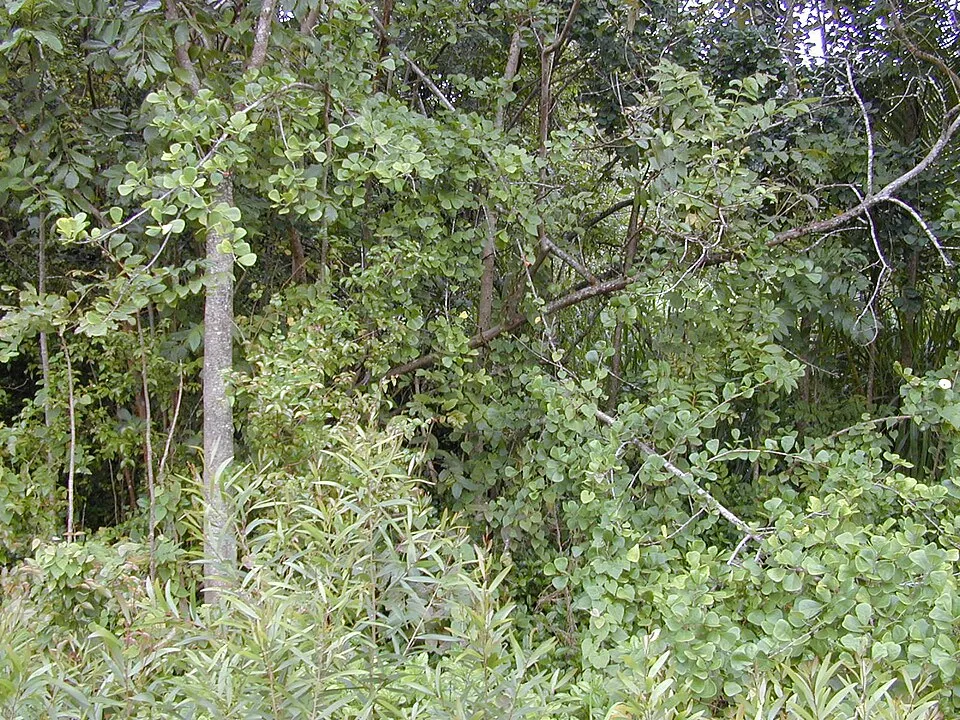
Ficus triangularis, affectionately known as the Triangle-leaf Fig or Sweetheart Plant, is an evergreen shrub or small tree celebrated for its distinctive foliage. Native to the tropical and subtropical regions of Southern Africa, particularly thriving across South Africa, this species is a proud member of the Moraceae family, which also encompasses other notable fig species and mulberries.
In its natural rainforest understory habitat, Ficus triangularis can ascend to several meters, forming a robust presence. However, when cultivated indoors, it typically maintains a more manageable size, usually between 3 to 6 feet, making it a highly favored ornamental houseplant.
The most striking morphological characteristic of Ficus triangularis is its unique leaves, which are distinctly triangular to heart-shaped. These glossy green leaves measure approximately 3 to 6 inches (7-15 cm) in length and possess subtly undulate or wavy margins, enhancing their aesthetic appeal. The bark of mature specimens is generally smooth and exhibits a light grey hue, providing an elegant contrast to the vibrant green leaves.
A characteristic feature shared with many Ficus species is the milky white latex sap that exudes when the stems or leaves are damaged. While its true flowers are inconspicuous, enclosed within the specialized fig structure known as a syconium, it produces small, typically inedible figs. These figs are less commonly observed in indoor cultivation but are vital for reproduction in the wild, often relying on specific fig wasps for pollination.
The plant develops a fibrous root system, which can be extensive in natural settings for firm anchorage, and forms a robust root ball suitable for container growth when potted. Ficus triangularis thrives in bright, indirect sunlight and consistently high humidity, reflecting its tropical origins, and can be sensitive to dry air and abrupt environmental shifts.
Trusted Scientific References
1. Authoritative external sources for Ficus triangularis
1.1 Wikipedia — Ficus triangularis
1.2 Kew POWO (Plants of the World Online)
1.3 PubMed — peer-reviewed research
1.4 NCBI Taxonomy Browser
1.5 GBIF — Global Biodiversity
1.1.Ficus Triangularis — Notable Characteristics
- ✓Distinctive triangular to heart — shaped, glossy green leaves with subtle wavy margins.
- ✓Evergreen shrub or — Evergreen shrub or small tree, typically grown as an indoor ornamental plant.
- ✓Native to tropical — Native to tropical and subtropical Southern Africa, particularly South Africa.
- ✓Produces a milky — Produces a milky white latex sap that is irritating to skin and toxic if ingested.
- ✓Relatively low — maintenance compared to some other Ficus species, making it a popular choice.
- ✓Adaptable to indoor — Adaptable to indoor cultivation, reaching manageable sizes of 3-6 feet when potted.
- ✓Can be trained — Can be trained and shaped into elegant bonsai specimens, showcasing its structural beauty.
- ✓Prefers bright, indirect — Prefers bright, indirect light and consistently high humidity, mimicking its natural habitat.
- ✓Exhibits inconspicuous flowers — Exhibits inconspicuous flowers enclosed within characteristic fig structures (syconia).
- ✓Less prone to — Less prone to dropping leaves compared to some other Ficus, provided care is consistent.
1.2.Ficus Triangularis — Concise Overview
- ✓Ficus triangularis is an ornamental evergreen shrub known for its unique triangular or heart-shaped leaves.
- ✓Native to Southern Africa, it's a popular, relatively easy-care indoor houseplant.
- ✓It produces a milky white latex sap that is toxic if ingested and can cause skin irritation.
- ✓Thrives in bright, indirect light and high humidity, sensitive to environmental changes.
- ✓Primarily valued for its aesthetic appeal, not for documented medicinal uses specific to this species.
- ✓Can be cultivated as a striking bonsai specimen or a decorative indoor plant.
2.Ficus Triangularis — Nomenclature & Classification
3.Ficus Triangularis — Fact Sheet
4.Ficus Triangularis — Physical Description
5.Ficus Triangularis — Origin & Spread
6.Ficus Triangularis — Folk Medicine Applications
7.Ficus Triangularis — Phytochemistry
- ✓Flavonoids — Key compounds like rutin and quercetin are likely present, contributing to antioxidant and anti-inflammatory activities commonly found in Ficus species.
- ✓Triterpenoids — Compounds such as lupeol and beta-sitosterol are characteristic of the Ficus genus, often found in bark and leaves, known for anti-inflammatory and other medicinal properties.
- ✓Phenolic Compounds — A diverse group of compounds including phenolic acids and tannins are expected, playing roles in antioxidant defense and plant pigmentation.
- ✓Latex Proteins — The milky sap contains various proteins, including proteolytic enzymes like ficin, which is known for its protein-digesting capabilities and can cause irritation.
- ✓Alkaloids — While less prominent than in some other plant families, certain alkaloids may be present in trace amounts, contributing to the plant's overall biochemical profile.
- ✓Coumarins — These secondary metabolites can be found in Ficus species and are known for various biological activities, including anti-inflammatory and anticoagulant properties.
- ✓Steroids — Plant steroids, such as stigmasterol, are common in the plant kingdom and support various physiological functions within the plant and may have biological activity.
- ✓Resins — The latex sap of Ficus triangularis also contains complex resinous substances, which contribute to its physical properties and protective mechanisms.
- ✓Carbohydrates — Polysaccharides and simple sugars are fundamental components, supporting plant metabolism and potentially having immunomodulatory effects in extracts.
- ✓Fatty Acids — Essential fatty acids can be found in plant tissues, contributing to cell membrane integrity and potentially offering nutritional or therapeutic benefits in extracts.
- ✓Hydrocarbons — Waxes and other long-chain hydrocarbons form part of the plant's protective cuticle and surface layers, influencing its interaction with the environment.
- ✓Volatile Organic Compounds (VOCs) — Though not a primary medicinal constituent, various VOCs contribute to the plant's scent profile and defense mechanisms.
8.Ficus Triangularis — Scientific Evidence
- ✓Ornamental Value — Ficus triangularis is highly prized for its unique foliage and aesthetic appeal, contributing to indoor air quality and creating a calming environment.
- ✓Potential Air Purification — Like other Ficus species, Ficus triangularis may contribute to filtering airborne toxins, enhancing indoor air quality through its leaf surfaces.
- ✓Traditional External Applications (Ficus genus) — In traditional medicine, the latex of some Ficus species has been used topically for minor skin irritations or as a poultice, though F. triangularis sap is known to be irritating and toxic.
- ✓Anti-inflammatory Potential (Ficus genus) — Extracts from various Ficus species have demonstrated anti-inflammatory properties in preliminary studies, suggesting a broader genus-level potential.
- ✓Antioxidant Support (Phytochemical Presence) — The presence of flavonoids and phenolic compounds in Ficus triangularis, typical of the Ficus genus, indicates potential antioxidant activity.
- ✓Wound Healing Properties (Ficus genus) — The latex from certain Ficus species has been historically applied to minor cuts and abrasions to aid healing, but caution is paramount due to F. triangularis sap toxicity.
- ✓Antimicrobial Activity (Ficus genus) — Some Ficus species exhibit antimicrobial effects against various pathogens, suggesting a general defensive mechanism that may be present in F. triangularis.
- ✓Digestive Aid (Ficus genus fruits) — While F. triangularis figs are inedible, the fruits of other Ficus species are known for their laxative and digestive properties, offering a genus-wide reference.
- ✓Immunomodulatory Effects (Ficus genus) — Research on other Ficus species points to potential immunomodulatory effects, influencing immune responses at a cellular level.
- ✓Anti-diabetic Potential (Ficus genus) — Some Ficus species have been investigated for compounds that may help regulate blood sugar levels, a common area of interest within the genus.
- ✓Anti-cancer Research (Ficus genus) — Certain phytochemicals isolated from the Ficus genus are being explored for their potential anti-proliferative effects against cancer cells.
- ✓Stress Reduction (Horticultural Therapy) — As a living plant, Ficus triangularis contributes to biophilic design, which is associated with reduced stress and improved well-being in indoor environments.
8.1.Ficus Triangularis — Conditions Traditionally Used For
9.Ficus Triangularis — Cautions & Contraindications
9.1.Ficus Triangularis — Caution Notes
- ✓Skin Irritation — Contact with the milky white latex sap can cause skin irritation, redness, and itching, particularly in sensitive individuals.
- ✓Allergic Reactions — Individuals with latex allergies may experience more severe allergic responses upon contact with the sap.
- ✓Gastrointestinal Upset — Ingestion of any part of the plant, especially the sap, can lead to gastrointestinal symptoms such as nausea, vomiting, and diarrhea.
- ✓Oral Irritation — Swallowing the sap can cause irritation and burning sensations in the mouth, throat, and esophagus.
- ✓Pet Toxicity — The plant is toxic to pets if ingested, potentially causing oral irritation, vomiting, and other digestive issues.
- ✓Eye Irritation — Accidental contact of the sap with eyes can result in irritation, redness, and discomfort, requiring immediate rinsing.
- ✓Photosensitivity — While less common, some individuals may experience increased skin sensitivity to sunlight after contact with Ficus sap.
9.2.Ficus Triangularis — Toxicity Assessment
- ✓Keep Away from Children and Pets — Due to its toxic sap, ensure the plant is placed out of reach of curious children and household animals.
- ✓Wear Protective Gloves — Always wear gloves when handling or pruning Ficus triangularis to avoid skin contact with the irritating latex sap.
- ✓Not for Internal Consumption — Emphatically, no part of Ficus triangularis should be ingested by humans or animals.
- ✓Immediate Rinse for Skin Contact — In case of accidental skin contact with sap, wash the affected area thoroughly with soap and water.
- ✓Seek Medical Advice for Ingestion — If ingestion occurs, especially by a child or pet, seek immediate medical or veterinary attention.
- ✓Avoid Eye Contact — Prevent sap from coming into contact with eyes; if it does, flush with copious amounts of water and seek medical attention.
- ✓Latex Allergy Precaution — Individuals with known latex allergies should exercise extreme caution or avoid handling this plant altogether.
10.Ficus Triangularis — Usage Guide
- ✓Ornamental Houseplant — Primarily cultivated as an indoor ornamental plant, cherished for its unique triangular leaves and elegant form in homes and offices.
- ✓Bonsai Specimen — Due to its robust nature and appealing foliage, Ficus triangularis can be trained and shaped into an attractive bonsai specimen.
- ✓Landscape Accent (Tropical Zones) — In USDA zones 12-13, it can be grown outdoors as an accent plant in warm, frost-free landscapes, flanking doorways or entries.
- ✓Propagation by Cuttings — Propagate new plants from stem cuttings, allowing the cut end to callus before planting in moist soil or water until roots develop.
- ✓Foliage Display — Utilize its striking leaves for visual interest in interior design, often placed in decorative pots to highlight its unique aesthetic.
- ✓Air Quality Enhancement — While not a direct medicinal use, as an indoor plant, it contributes to a healthier living environment by potentially purifying the air.
- ✓Handling Caution — Always handle with care, especially when pruning, as the milky white latex sap can be irritating to skin and toxic if ingested; wear gloves.
- ✓Educational Specimen — Serve as an educational plant in botanical gardens or classrooms to illustrate unique leaf morphology and the diversity of the Ficus genus.
11.Ficus Triangularis — Garden Cultivation
- ✓Light — Provide bright, indirect sunlight; direct harsh sun can scorch leaves, while too little light causes leggy growth.
- ✓Watering — Water thoroughly until water drains from the bottom, then allow the top half of the soil to dry out completely before re-watering to prevent root rot.
- ✓Soil — Plant in a well-draining potting mix, ideally one formulated for houseplants, to ensure proper aeration and moisture retention.
- ✓Humidity — Prefers consistently high humidity; misting regularly or placing near a humidifier can prevent dry leaf edges.
- ✓Fertilization — Feed every four weeks during the growing season (spring and summer) with a balanced liquid indoor plant fertilizer diluted to half strength.
- ✓Temperature & Drafts — Maintain stable room temperatures (65-80°F / 18-27°C) and protect from cold drafts from windows, doors, or air conditioning vents.
- ✓Pruning — Trim to shape or manage size by cutting above a leaf node; remove any dead, yellowing, or damaged leaves and stems.
- ✓Relocation — Avoid frequent relocation as Ficus triangularis, like other Ficus, can be sensitive to changes in its environment and may drop leaves.
Reviewed by the Flora Medical Global Botanical Review Panel
Multi-disciplinary editorial group · Botany · Ethnobotany · Herbal-medicine literature
Who reviewed this: This page was checked by the Flora Medical Global Botanical Review Panel — an in-house editorial group of botany graduates, ethnobotany researchers, and horticulture practitioners who collectively maintain our 7,000+ plant encyclopedia. Meet the team.
Our 4-step verification process
1. Taxonomic verification
Scientific names and synonyms cross-checked against Kew POWO, World Flora Online, and The Plant List.
2. Phytochemical & medicinal cross-reference
Active compounds, traditional uses, and reported activities are cross-referenced with PubMed, USDA Dr. Duke's database, and peer-reviewed ethnobotanical literature.
3. Conservation & distribution check
Distribution, ecology, and conservation status confirmed against GBIF occurrence records and the IUCN Red List.
4. Editorial & safety review
Every entry passes an editorial pass for clarity, originality, and safety notices (toxicity, contraindications, dosage caveats) before publication.
Last reviewed:
Important medical disclaimer: This content is for educational and research purposes only. It is not medical advice and is not a substitute for consultation with a licensed healthcare provider. Do not use any herb to self-treat a medical condition without professional guidance.
Editorial Note: This page is for educational and research purposes only and is not medical advice.
Written by: Flora Medical Global Editorial Team
Reviewed by: Flora Medical Global Botanical Review Panel
Last Updated: June 15, 2026





Ficus Triangularis — Comments & Community Reviews
Rate this plant