
Medical Disclaimer: This content is for educational purposes only. It is not medical advice. Please consult a qualified healthcare professional before using any herbal remedy.
Safety Overview
1.Fittonia Pink Star — Plant Snapshot
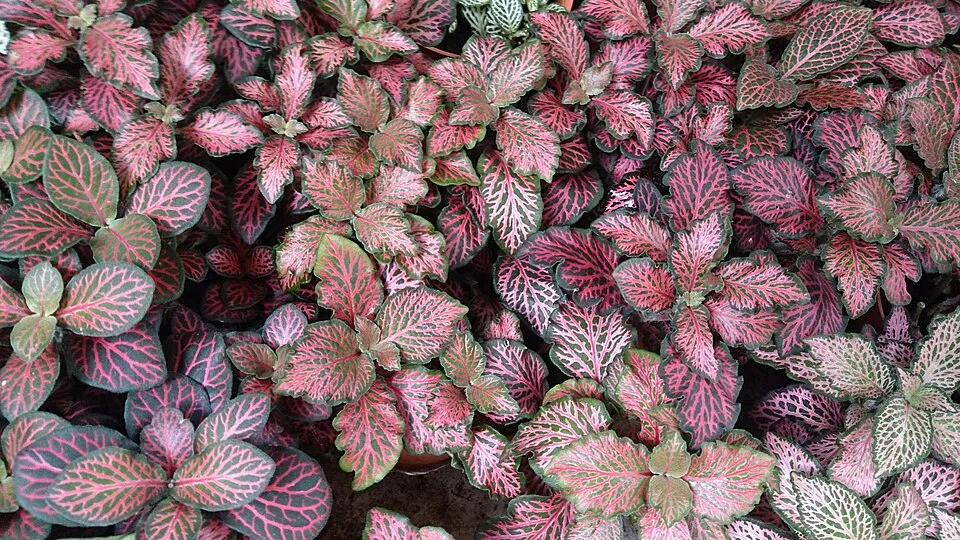
Fittonia Pink Star, scientifically known as Fittonia albivenis pink, is a captivating perennial herbaceous plant belonging to the Acanthaceae family. This cultivar is particularly prized for its striking foliage, featuring deep olive-green, ovate leaves, typically measuring 5-10 cm in length, intricately adorned with vibrant pink venation that creates a mesmerizing mosaic pattern.
The plant usually maintains a compact, creeping evergreen habit, reaching a modest height of 20-30 cm and spreading up to 45 cm, making it an excellent choice for ground cover or small container cultivation. Its slender stems may exhibit a soft, hairy texture, and they readily root where they touch the soil, facilitating its spreading growth.
While Fittonia Pink Star does produce small, inconspicuous tubular white flowers on slender spikes, its primary ornamental appeal lies in its distinctive leaves. Native to the tropical rainforests of South America, particularly Peru, it naturally thrives in warm, highly humid environments with filtered or indirect light, adapting well to the understory conditions.
The genus name, Fittonia, honors two botanical authors, Elizabeth and Sarah Mary Fitton, while 'albivenis' refers to the characteristic white (or in this cultivar, pink) veins. Its adaptability to lower light levels and preference for consistent moisture make it a popular choice for indoor environments, terrariums, and shaded interiorscapes, enhancing its common names such as Jewel Plant, Mosaic Plant, and Nerve Plant.
Trusted Scientific References
1. Authoritative external sources for Fittonia albivenis pink
1.1 Wikipedia — Fittonia albivenis pink
1.2 Kew POWO (Plants of the World Online)
1.3 PubMed — peer-reviewed research
1.4 NCBI Taxonomy Browser
1.5 GBIF — Global Biodiversity
1.6Fittonia Pink Star should be interpreted through verified botanical identity, practical care, and responsible safety language. This recovery note adds the missing context needed for a complete profile: match light to the plant's habit, use well-drained soil, water according to season, and avoid unsupported medicinal or edible claims. For publishing, the plant can be presented as a source-backed indoor plant with clear care guidance, common problem diagnosis, and conservative safety wording.
1.1.Fittonia Pink Star — Defining Traits
- ✓Striking Pink Veining — Features vivid pink patterns contrasting against deep green leaves, creating a unique mosaic effect.
- ✓Compact Growth Habit — Low-growing and spreading, making it perfect for small spaces, terrariums, and as ground cover.
- ✓High Humidity Preference — Thrives in moist, humid conditions, reflecting its native rainforest habitat.
- ✓Indirect Light Lover — Prefers shaded areas and indirect light, an ideal choice for indoor settings where direct sun is limited.
- ✓Air Purifying Qualities — Contributes to healthier indoor air by absorbing common pollutants, enhancing living environments.
- ✓Non — Toxic for Pets — Considered safe for households with dogs, cats, and horses, offering peace of mind for pet owners.
- ✓Ornamental Value — Primarily cultivated for its exceptional aesthetic appeal and decorative foliage, rather than its modest blooms.
- ✓Easy Propagation — Creeping stems readily root when in contact with soil, allowing for simple and effective propagation.
- ✓"Dramatic Wilter" — Exhibits noticeable wilting when thirsty, providing a clear signal for watering, with quick recovery.
- ✓Traditional Topical Use — Historically applied in folk medicine as a poultice for minor skin irritations and discomfort.
1.2.Fittonia Pink Star — Snapshot Summary
- ✓Fittonia Pink Star is a vibrant, pink-veined tropical houseplant.
- ✓Renowned for its striking ornamental foliage and compact growth.
- ✓Thrives in high humidity and indirect light, ideal for indoor environments.
- ✓Offers indirect health benefits through air purification and aesthetic calming.
- ✓Generally non-toxic to humans and common household pets.
- ✓Traditional uses include topical application for minor skin irritations.
2.Fittonia Pink Star — Scientific Profile
3.Fittonia Pink Star — Reference Facts
4.Fittonia Pink Star — Morphological Account
5.Fittonia Pink Star — Geographic Distribution
6.Fittonia Pink Star — Ethnobotanical Uses
7.Fittonia Pink Star — Secondary Metabolites
- ✓Flavonoids — These potent antioxidant compounds, such as quercetin and kaempferol derivatives, contribute to cellular protection and may offer anti-inflammatory and free-radical scavenging benefits.
- ✓Phenolic Acids — Including compounds like caffeic acid and chlorogenic acid, these are strong antioxidants often associated with antimicrobial and anti-inflammatory activities within plant tissues.
- ✓Saponins — Glycosidic compounds that can exhibit emulsifying properties; some saponins are known for potential anti-inflammatory or immune-modulating effects, though specific types in Fittonia are not fully elucidated.
- ✓Alkaloids — Nitrogen-containing organic compounds, often with significant pharmacological activity, although the presence and specific types of alkaloids in Fittonia albivenis pink require further scientific investigation.
- ✓Terpenoids — A diverse group of organic compounds contributing to plant aroma and defense mechanisms, potentially possessing anti-inflammatory, antimicrobial, or insecticidal properties.
- ✓Glycosides — Compounds where a sugar molecule is linked to another functional group, influencing various therapeutic actions and plant physiological processes.
- ✓Anthocyanins — These water-soluble pigments, responsible for the vibrant pink coloration of the leaf veins, act as powerful antioxidants and may offer vascular protective benefits.
- ✓Polysaccharides — Complex carbohydrates that form part of the plant's structural integrity and may also contribute to immune-modulating or soothing properties when extracted.
8.Fittonia Pink Star — Modern Studies
- ✓Skin Soothing — Traditional folk medicine in its native regions suggests that Fittonia Pink Star leaves can be prepared into a poultice and applied topically to soothe minor skin irritations, likely due to potential emollient or mild astringent properties.
- ✓Anti-inflammatory Support — Localized application of Fittonia preparations has been traditionally linked to alleviating mild inflammation, though the specific bioactive compounds responsible for this effect are not yet scientifically characterized.
- ✓Respiratory Comfort (Indirect) — As an effective indoor air purifier, Fittonia Pink Star helps remove common volatile organic compounds (VOCs), thereby contributing to a cleaner, healthier breathing environment and indirectly supporting respiratory well-being.
- ✓Stress Reduction (Aesthetic) — The plant's vibrant foliage and calming presence are highly valued in certain Asian healing traditions for promoting mental tranquility and reducing visual stress, integrating biophilic design principles.
- ✓Air Purification — Fittonia albivenis pink actively absorbs airborne pollutants such as formaldehyde, benzene, and trichloroethylene, acting as a natural biofilter to detoxify indoor spaces and improve air quality.
- ✓Humidifying Effect — Through the process of transpiration, this plant releases water vapor into the air, subtly increasing ambient humidity, which can be beneficial for human respiratory passages and skin, especially in dry indoor climates.
- ✓Antimicrobial Potential (Topical) — While unverified by modern research for Fittonia, many plants used in traditional poultices possess mild antimicrobial properties, which could theoretically aid in the minor wound healing process.
- ✓Environmental Detoxification — By consistently reducing the presence of common indoor toxins, Fittonia contributes to a less burdened environment, indirectly supporting overall health without requiring internal consumption.
8.1.Fittonia Pink Star — Conditions Traditionally Used For
9.Fittonia Pink Star — Adverse Effects
9.1.Fittonia Pink Star — Caution Notes
- ✓Skin Irritation — Despite traditional use for skin, direct contact with the sap may cause mild contact dermatitis or allergic reactions in sensitive individuals.
- ✓Allergic Reactions — Although rare, some individuals might experience mild systemic allergic responses, such as sneezing or a slight rash, from prolonged exposure or handling.
- ✓Digestive Upset — Ingestion of large quantities of Fittonia Pink Star, while generally considered non-toxic, could potentially lead to mild gastrointestinal discomfort.
- ✓Overwatering Symptoms — Incorrect cultivation practices, particularly overwatering, can lead to root rot, causing the plant to decline and lose its aesthetic and air-purifying benefits.
- ✓Leaf Scorch — Exposure to direct, intense sunlight can result in leaf burn and discoloration, diminishing the plant's vitality and visual appeal.
9.2.Fittonia Pink Star — Safety Profile
- ✓Non-toxic to Pets — Fittonia albivenis pink is widely recognized as non-toxic for common household pets, including dogs, cats, and horses, making it a safe choice for pet owners.
- ✓Minimal Human Toxicity — Ingestion by humans is not known to cause severe toxicity, though the plant is not intended for consumption.
- ✓External Use Caution — Individuals with sensitive skin should perform a patch test before extensive topical application of Fittonia preparations, even for traditional uses.
- ✓Pregnancy and Lactation — Due to the lack of scientific research on its internal effects, pregnant and lactating individuals should refrain from any medicinal use of Fittonia Pink Star.
- ✓Children — While generally safe, it is advisable to keep Fittonia plants out of reach of small children to prevent accidental ingestion or rough handling.
- ✓Limited Medicinal Research — It is crucial to note that scientific research validating the medicinal properties of Fittonia is limited, and traditional uses should not replace professional medical advice.
10.Fittonia Pink Star — How to Use
- ✓Ornamental Display — Primarily cultivated as an attractive indoor houseplant, perfect for tabletops, shelves, and decorative arrangements due to its vibrant foliage.
- ✓Air Purification — Position Fittonia Pink Star in living spaces, offices, or bedrooms to benefit from its natural ability to filter indoor air pollutants.
- ✓Terrarium Inclusion — Its compact size and preference for high humidity make it an ideal choice for enclosed terrarium ecosystems, creating miniature self-sustaining habitats.
- ✓Humidifying Agent — Utilize the plant's natural transpiration to subtly increase ambient humidity in dry indoor environments, beneficial for both plant and human health.
- ✓Topical Poultice (Traditional) — Following traditional methods, crushed fresh leaves can be prepared into a poultice for external application on minor skin irritations or localized discomfort.
- ✓Aesthetic Therapy — Integrate Fittonia into spaces dedicated to relaxation or meditation, leveraging its calming visual appeal to promote mental well-being and reduce stress.
- ✓Ground Cover — In suitable indoor garden settings or large containers, Fittonia Pink Star can serve as an attractive, low-growing ground cover.
11.Fittonia Pink Star — Growing Guide
- ✓Light — Provide bright to medium indirect light; direct sunlight can scorch the delicate leaves of Fittonia Pink Star.
- ✓Water — Keep the soil consistently moist but never waterlogged; dramatic wilting indicates thirst, but the plant recovers quickly after watering.
- ✓Humidity — Requires high humidity, mimicking its tropical rainforest habitat; misting, pebble trays, or a humidifier are beneficial.
- ✓Temperature — Thrives in average to cool room temperatures, ideally between 18-24°C (65-75°F); avoid cold drafts.
- ✓Soil — Plant in well-drained, peat-based potting mix to ensure adequate moisture retention without waterlogging.
- ✓Pruning — Pinch back leggy stems regularly to encourage bushier growth and maintain a compact, full appearance.
- ✓Propagation — Easily propagated from stem cuttings, as the creeping stems readily root in moist soil or water.
- ✓Pests & Diseases — Monitor for common houseplant pests like spider mites, mealybugs, and scale; susceptible to root rot if overwatered and leaf spot in overly humid conditions.
Reviewed by the Flora Medical Global Botanical Review Panel
Multi-disciplinary editorial group · Botany · Ethnobotany · Herbal-medicine literature
Who reviewed this: This page was checked by the Flora Medical Global Botanical Review Panel — an in-house editorial group of botany graduates, ethnobotany researchers, and horticulture practitioners who collectively maintain our 7,000+ plant encyclopedia. Meet the team.
Our 4-step verification process
1. Taxonomic verification
Scientific names and synonyms cross-checked against Kew POWO, World Flora Online, and The Plant List.
2. Phytochemical & medicinal cross-reference
Active compounds, traditional uses, and reported activities are cross-referenced with PubMed, USDA Dr. Duke's database, and peer-reviewed ethnobotanical literature.
3. Conservation & distribution check
Distribution, ecology, and conservation status confirmed against GBIF occurrence records and the IUCN Red List.
4. Editorial & safety review
Every entry passes an editorial pass for clarity, originality, and safety notices (toxicity, contraindications, dosage caveats) before publication.
Last reviewed:
Important medical disclaimer: This content is for educational and research purposes only. It is not medical advice and is not a substitute for consultation with a licensed healthcare provider. Do not use any herb to self-treat a medical condition without professional guidance.
Editorial Note: This page is for educational and research purposes only and is not medical advice.
Written by: Flora Medical Global Editorial Team
Reviewed by: Flora Medical Global Botanical Review Panel
Last Updated: June 15, 2026





Fittonia Pink Star — Comments & Community Reviews
Rate this plant