
Medical Disclaimer: This content is for educational purposes only. It is not medical advice. Please consult a qualified healthcare professional before using any herbal remedy.
Safety Overview
1.Fittonia White Anne — Essential Profile
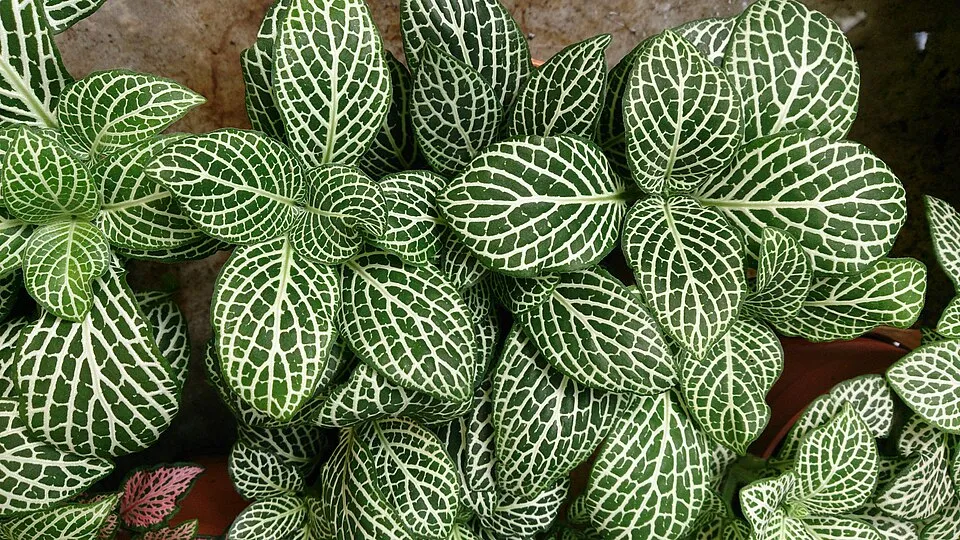
Fittonia White Anne, scientifically known as Fittonia albivenis 'White Anne,' is a distinctive cultivar of the Nerve Plant, belonging to the diverse and widespread Acanthaceae family. This captivating perennial exhibits a low-growing, creeping habit, typically reaching a modest height of 10 to 15 centimeters (4 to 6 inches) and spreading horizontally up to 30 centimeters (12 inches). Its slender, herbaceous stems are somewhat succulent and readily root at nodes where they contact moist soil, contributing to its effective groundcover potential.
The most striking characteristic of Fittonia White Anne is its foliage: ovate to elliptic leaves, approximately 7 to 10 centimeters long and 3 to 5 centimeters wide. These leaves feature a vibrant, deep green base, dramatically contrasted by an intricate, prominent network of bright white or silvery-white veins, which inspired its common names like 'Nerve Plant' or 'Mosaic Plant' and the 'White Anne' epithet. The leaf surface is typically smooth, often displaying a slight puckering along the veins, enhancing its visual appeal.
Unlike many plants, Fittonia albivenis 'White Anne' does not develop robust, woody stems, remaining flexible and herbaceous throughout its life cycle. Its shallow, fibrous root system is well-adapted for nutrient uptake in the humus-rich understory of its native habitat. While primarily cultivated for its ornamental foliage, Fittonia albivenis does produce small, inconspicuous tubular flowers.
These blossoms, ranging from white to pale violet, emerge on slender spikes, but they are generally overshadowed by the plant's highly decorative leaves and are rarely the focus of cultivation. Native to the tropical rainforests of Peru, particularly thriving in the humid, dappled light conditions of the forest floor, Fittonia White Anne is naturally adapted to environments characterized by high humidity, consistent moisture, and indirect light. This ecological background dictates its specific cultivation requirements, making it an ideal and popular choice for terrariums, vivariums, and as an indoor ornamental plant.
Trusted Scientific References
1. Authoritative external sources for Fittonia albivenis white
1.1 Wikipedia — Fittonia albivenis white
1.2 Kew POWO (Plants of the World Online)
1.3 PubMed — peer-reviewed research
1.4 NCBI Taxonomy Browser
1.5 GBIF — Global Biodiversity
1.1.Fittonia White Anne — Distinguishing Points
- ✓Striking White Veins — Deep green leaves intricately veined with bright white or silvery-white.
- ✓Low — Growing Habit — Reaches a modest height of 10-15 cm, ideal for groundcover or small spaces.
- ✓Creeping Growth Pattern — Stems spread horizontally and root at nodes, creating a dense mat.
- ✓High Humidity Lover — Thrives in moist, humid environments, perfect for bathrooms or terrariums.
- ✓Indirect Light Preference — Best suited for bright, indirect light conditions, avoiding direct sun.
- ✓Non — Toxic to Pets — Safe for households with cats, dogs, and other common pets.
- ✓Herbaceous Stems — Flexible, non-woody stems that contribute to its spreading nature.
- ✓Shallow Fibrous Roots — Adapted for surface nutrient uptake in its native habitat.
- ✓Ornamental Foliage — Primarily cultivated for its decorative leaf patterns rather than flowers.
- ✓Terrarium & Vivarium Favorite — Excellent choice for enclosed environments due to specific needs.
1.2.Fittonia White Anne — Snapshot Summary
- ✓Fittonia 'White Anne' is a stunning tropical houseplant known for its distinctive white-veined foliage.
- ✓It thrives in high humidity and indirect light, making it perfect for terrariums and indoor spaces.
- ✓This low-growing, creeping perennial is non-toxic to pets and humans, enhancing its appeal as an ornamental.
- ✓Regular watering and pinching promote a bushy, vibrant appearance.
- ✓Primarily valued for aesthetic and indirect environmental benefits, not traditional medicinal uses.
2.Fittonia White Anne — Botanical Identity
3.Fittonia White Anne — Fact Sheet
4.Fittonia White Anne — Botanical Features
5.Fittonia White Anne — Ecological Habitat
6.Fittonia White Anne — Heritage Uses
7.Fittonia White Anne — Key Phytochemicals
- ✓The specific phytochemistry of Fittonia albivenis 'White Anne' has not been extensively studied for medicinal applications, however, based on its classification within the Acanthaceae family, a range of secondary metabolites are generally anticipated:
- ✓Flavonoids — These phenolic compounds are common in plants and are known for their antioxidant and anti-inflammatory properties; their presence in Fittonia would contribute to cellular protection and potentially minor anti-inflammatory effects.
- ✓Alkaloids — Nitrogen-containing organic compounds often found in Acanthaceae, alkaloids can exhibit diverse pharmacological activities, though their specific role or concentration in Fittonia albivenis remains largely unexplored.
- ✓Terpenoids — A large and diverse class of organic compounds, terpenoids are often responsible for plant aromas and can possess various biological activities, including antimicrobial and anti-inflammatory effects, which might be present in Fittonia foliage.
- ✓Glycosides — Compounds formed from sugars and non-sugar components, glycosides are widespread in plants and can contribute to various physiological functions, potentially including defense mechanisms within the plant.
- ✓Saponins — These soap-like glycosides are known for their foaming properties and can have expectorant, anti-inflammatory, and immune-modulating effects, though their presence and significance in Fittonia require further investigation.
- ✓Phenolic Acids — Simple phenolic compounds that act as antioxidants and contribute to plant defense mechanisms, potentially offering cellular protection within the plant tissues and minor antioxidant benefits upon exposure.
- ✓Steroids — Plant sterols, or phytosterols, are structural components of plant membranes and may possess anti-inflammatory or cholesterol-lowering properties in other plants, but their specific role in Fittonia is undetermined.
- ✓Tannins — Astringent compounds that can offer protective benefits to plants against herbivores and pathogens, and in some medicinal contexts, provide antiseptic or anti-inflammatory effects, though not specifically for Fittonia albivenis.
8.Fittonia White Anne — Pharmacological Findings
- ✓While Fittonia albivenis 'White Anne' is primarily valued for its ornamental appeal, its contributions to well-being are largely indirect and environmental, rather than direct medicinal applications.
- ✓Air Quality Enhancement — Like many houseplants, Fittonia albivenis can contribute to minor improvements in indoor air quality by absorbing some airborne toxins and releasing oxygen through photosynthesis, supporting a healthier living environment.
- ✓Psychological Well-being — The presence of Fittonia White Anne in indoor spaces can reduce stress and improve mood, aligning with the biophilia hypothesis that humans have an innate tendency to connect with nature, fostering mental tranquility and focus.
- ✓Humidity Regulation — Its natural preference for high humidity means it slightly contributes to localized atmospheric moisture, which can be beneficial in dry indoor environments, potentially alleviating symptoms of dry skin or respiratory discomfort.
- ✓Aesthetic Therapy — The plant's vibrant white-veined foliage provides visual stimulation and a sense of natural beauty, acting as a form of passive aesthetic therapy that can enhance interior spaces and promote a calming atmosphere.
- ✓Non-Toxic Pet Safety — Fittonia albivenis is widely recognized as non-toxic to common household pets, making it a safe choice for homes with animals, reducing anxiety for pet owners regarding plant ingestion.
- ✓Educational Value — Cultivating Fittonia White Anne can provide an engaging educational experience, especially for children, teaching principles of plant care, biology, and the importance of environmental conditions.
- ✓Ecosystem Mimicry (Terrariums) — For terrarium enthusiasts, Fittonia helps create miniature self-sustaining ecosystems, offering insights into ecological balance and the needs of tropical flora, without direct medicinal use.
- ✓Potential Anti-inflammatory (Inferred) — While specific research on Fittonia albivenis is limited, some species within the Acanthaceae family are known to contain compounds with anti-inflammatory properties, suggesting a potential area for future phytochemical investigation, though not an established medicinal use for this plant.
8.1.Fittonia White Anne — Reported Uses
9.Fittonia White Anne — Safety Considerations
9.1.Fittonia White Anne — Possible Adverse Reactions
- ✓Root Rot — Overwatering is a common issue, leading to saturated soil, which can cause the roots to rot and the plant to decline rapidly.
- ✓Leaf Scorch — Direct sunlight exposure can cause the delicate leaves of Fittonia White Anne to burn and develop discolored, crispy patches.
- ✓Wilting — Insufficient watering results in dramatic wilting of the foliage, though the plant typically recovers once adequately rehydrated.
- ✓Leggy Growth — Inadequate light conditions can lead to stretched, sparse stems with fewer leaves, diminishing the plant's compact, bushy appearance.
- ✓Leaf Drop — Exposure to dry air, cold drafts, or extreme temperature changes can cause the plant to shed its leaves prematurely.
- ✓Pest Infestations — Susceptible to common houseplant pests such as mealybugs, spider mites, and scale insects, which can weaken the plant and cause damage to foliage.
- ✓Yellowing Leaves — Often an indicator of overwatering or nutrient deficiencies, causing the vibrant green leaves to turn yellow and lose vitality.
9.2.Fittonia White Anne — Risk Assessment
- ✓Non-Toxic to Pets — Fittonia albivenis 'White Anne' is widely considered non-toxic to cats, dogs, and horses, making it a safe choice for households with animals.
- ✓Non-Toxic to Humans — The plant is generally regarded as non-irritating and non-poisonous to humans upon contact or accidental ingestion, posing minimal health risk.
- ✓No Known Allergies — There are no widely reported allergic reactions or dermatological irritations associated with handling Fittonia White Anne.
- ✓Safe for Terrariums — Its non-toxic nature makes it ideal for inclusion in terrariums and vivariums, even those housing small animals like reptiles or amphibians.
- ✓Environmental Safety — Fittonia White Anne does not pose any known environmental risks as an invasive species when grown indoors or in appropriate climates.
- ✓Handling Safety — No special protective equipment is typically required for handling or cultivating Fittonia White Anne, as it lacks thorns, irritating sap, or sharp edges.
- ✓Minimal Risk of Skin Irritation — The leaves are smooth and generally do not cause skin irritation upon touch, making it safe for direct interaction.
10.Fittonia White Anne — Preparations & Uses
- ✓Terrarium Plant — Fittonia White Anne is an excellent choice for closed terrariums or vivariums due to its compact size and high humidity requirements, creating lush miniature ecosystems.
- ✓Indoor Ornamental — Cultivate as a decorative houseplant to add vibrant color and texture to interior spaces, particularly effective in bathrooms or kitchens where humidity is naturally higher.
- ✓Desktop Plant — Its small, spreading habit makes it suitable for office desks or tabletops, providing a natural element in personal workspaces.
- ✓Groundcover in Interiorscapes — Utilize as a low-growing groundcover beneath taller plants in large indoor planters or commercial interiorscape designs.
- ✓Hanging Baskets — Allow its creeping stems to trail elegantly over the edges of hanging baskets, creating a cascading display of its unique foliage.
- ✓Dish Gardens — Combine with other humidity-loving, shade-tolerant plants in decorative dish gardens for a varied and attractive arrangement.
- ✓Humidifier Companion — Place near humidifiers to benefit from the increased moisture, or group with other plants to create a microclimate.
- ✓Propagation — Easily propagated from stem cuttings, which can be rooted in water or moist soil, allowing for expansion of collections or sharing with others.
11.Fittonia White Anne — How to Grow
- ✓High Humidity — Maintain consistently high ambient humidity, ideally above 60%, to mimic its native rainforest environment; misting or pebble trays can be beneficial.
- ✓Indirect Light — Provide bright, indirect light; direct sunlight will scorch the delicate leaves of Fittonia White Anne, while too little light can cause leggy growth and dull coloration.
- ✓Consistent Moisture — Keep the soil consistently moist but not waterlogged; Fittonia albivenis is prone to dramatic wilting if allowed to dry out completely, though it often recovers quickly after watering.
- ✓Well-Drained Soil — Use a light, well-draining potting mix rich in organic matter to prevent root rot, ensuring aeration while retaining adequate moisture.
- ✓Warm Temperatures — Thrive in average to warm room temperatures, ideally between 18-24°C (65-75°F); avoid cold drafts or sudden temperature fluctuations.
- ✓Pinching for Bushiness — Regularly pinch back the stem tips to encourage a bushier, more compact growth habit and prevent the plant from becoming leggy.
- ✓Shallow Root System — Due to its shallow roots, Fittonia White Anne can be maintained in relatively small pots or used effectively as a groundcover in larger containers.
- ✓Fertilization — Feed sparingly during the growing season (spring and summer) with a diluted balanced liquid fertilizer, reducing frequency in cooler months.
Reviewed by the Flora Medical Global Botanical Review Panel
Multi-disciplinary editorial group · Botany · Ethnobotany · Herbal-medicine literature
Who reviewed this: This page was checked by the Flora Medical Global Botanical Review Panel — an in-house editorial group of botany graduates, ethnobotany researchers, and horticulture practitioners who collectively maintain our 7,000+ plant encyclopedia. Meet the team.
Our 4-step verification process
1. Taxonomic verification
Scientific names and synonyms cross-checked against Kew POWO, World Flora Online, and The Plant List.
2. Phytochemical & medicinal cross-reference
Active compounds, traditional uses, and reported activities are cross-referenced with PubMed, USDA Dr. Duke's database, and peer-reviewed ethnobotanical literature.
3. Conservation & distribution check
Distribution, ecology, and conservation status confirmed against GBIF occurrence records and the IUCN Red List.
4. Editorial & safety review
Every entry passes an editorial pass for clarity, originality, and safety notices (toxicity, contraindications, dosage caveats) before publication.
Last reviewed:
Important medical disclaimer: This content is for educational and research purposes only. It is not medical advice and is not a substitute for consultation with a licensed healthcare provider. Do not use any herb to self-treat a medical condition without professional guidance.
Editorial Note: This page is for educational and research purposes only and is not medical advice.
Written by: Flora Medical Global Editorial Team
Reviewed by: Flora Medical Global Botanical Review Panel
Last Updated: June 15, 2026





Fittonia White Anne — Comments & Community Reviews
Rate this plant