


Medical Disclaimer: This content is for educational purposes only. It is not medical advice. Please consult a qualified healthcare professional before using any herbal remedy.
Safety Overview
1.Fleabane Glaucus — Introduction & Highlights
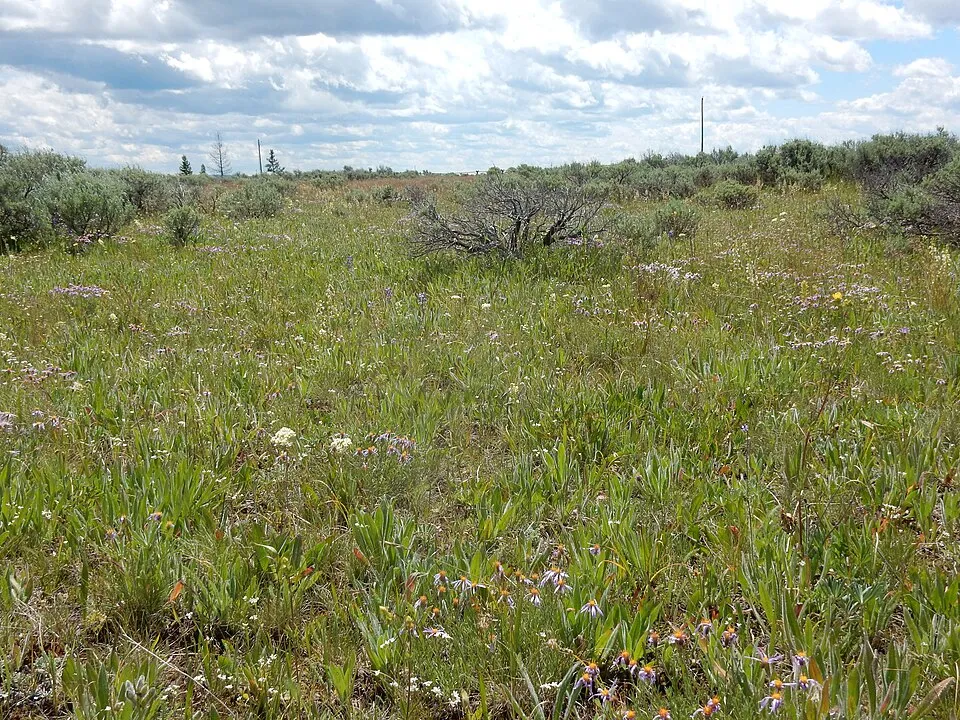
Erigeron glaucus, commonly known as Fleabane Glaucus or Seaside Daisy, is an enchanting coastal perennial belonging to the extensive Asteraceae family. This resilient species is indigenous to the rugged coastlines of western North America, flourishing in environments that would challenge many other plants. Its distinctive morphology includes a compact, mounding habit, typically reaching 6 to 12 inches in height, adorned with striking blue-green, somewhat glaucous foliage.
The plant's aesthetic appeal is further enhanced by its profusion of lavender-blue, daisy-like flowers, each featuring a bright yellow center disk. These captivating blooms emerge from late spring and continue through the summer months, providing a vibrant display. Adaptability is a hallmark of Fleabane Glaucus; it thrives in harsh conditions such as direct salt spray, prolonged drought periods, and nutrient-poor, quick-draining soils, making it an excellent choice for xeriscaping, rock gardens, and seaside landscapes.
The genus name 'Erigeron' is derived from Greek, meaning 'early' and 'old man,' referring to the early blooming and the production of fuzzy white seed heads that resemble an old man's beard, often while new flowers are still forming. Historically, the common name 'fleabane' is thought to have originated from a traditional belief that the dried plants could repel or banish fleas and other insects, a property attributed to its volatile compounds. Beyond its ornamental value, Erigeron glaucus plays a significant ecological role as a highly effective pollinator attractor, drawing in various species of native bees, butterflies, and moths, which are crucial for ecosystem health.
Trusted Scientific References
1. Authoritative external sources for Fleabane Glaucus
1.1 Wikipedia — Fleabane Glaucus
1.2 Kew POWO (Plants of the World Online)
1.3 PubMed — peer-reviewed research
1.4 NCBI Taxonomy Browser
1.5 GBIF — Global Biodiversity
1.6Fleabane Glaucus should be interpreted through verified botanical identity, practical care, and responsible safety language. This recovery note adds the missing context needed for a complete profile: match light to the plant's habit, use well-drained soil, water according to season, and avoid unsupported medicinal or edible claims. For publishing, the plant can be presented as a source-backed garden plant with clear care guidance, common problem diagnosis, and conservative safety wording.
1.1.Fleabane Glaucus — Standout Qualities
- ✓Botanical Name — Erigeron glaucus.
- ✓Common Name — Fleabane Glaucus, Seaside Daisy.
- ✓Family — Asteraceae.
- ✓Habitat — Coastal regions of western North America.
- ✓Appearance — Blue-green foliage, lavender-blue daisy-like flowers.
- ✓Medicinal Uses — Anti-inflammatory, antioxidant, antimicrobial, analgesic.
- ✓Traditional Uses — Insect repellent, diuretic, wound healing.
- ✓Cultivation — Drought-tolerant, deer-resistant, thrives in full sun and poor soils.
- ✓Key Compounds — Flavonoids, sesquiterpenes, phenolic acids.
- ✓Ecological Role — Excellent pollinator attractor.
1.2.Fleabane Glaucus — Quick Summary
- ✓Fleabane Glaucus is a resilient coastal perennial from western North America.
- ✓Known for its anti-inflammatory, antioxidant, and antimicrobial properties.
- ✓Traditionally used for pain relief, digestive issues, and insect deterrence.
- ✓Thrives in challenging conditions like salt spray and drought.
- ✓Rich in flavonoids, sesquiterpenes, and phenolic acids.
- ✓Requires well-draining soil and full sun, low maintenance.
2.Fleabane Glaucus — Scientific Profile
3.Fleabane Glaucus — Reference Facts
4.Fleabane Glaucus — Morphological Account
5.Fleabane Glaucus — Where It Grows
6.Fleabane Glaucus — Cultural & Traditional Roles
7.Fleabane Glaucus — Bioactive Constituents
- ✓Flavonoids — Key compounds include quercetin, luteolin, and apigenin, known for potent antioxidant, anti-inflammatory, and immunomodulatory activities.
- ✓Sesquiterpenes — Such as germacrene D and bisabolene derivatives, contributing to the plant's anti-inflammatory, antimicrobial, and insect-repellent properties.
- ✓Polyacetylenes — Unique long-chain fatty acid derivatives with documented antimicrobial, anti-inflammatory, and cytotoxic potentials.
- ✓Phenolic Acids — Including chlorogenic acid, caffeic acid, and ferulic acid, which are powerful antioxidants and contribute to the plant's protective effects against oxidative damage.
- ✓Essential Oils — A complex blend of volatile compounds, primarily monoterpenes (e.g., alpha-pinene, limonene) and sesquiterpenes, responsible for its characteristic aroma, antimicrobial, and insecticidal actions.
- ✓Coumarins — Compounds like scopoletin, which may possess anti-inflammatory, anticoagulant, and antimicrobial activities.
- ✓Triterpenoids — Such as ursolic acid and oleanolic acid, often associated with anti-inflammatory, hepatoprotective, and anticancer properties.
- ✓Alkaloids — Present in minor quantities, these nitrogen-containing compounds can exhibit various pharmacological effects, though specific types in E. glaucus require further investigation.
- ✓Lignans — Phenolic compounds with potential antioxidant, anti-inflammatory, and estrogenic activities.
8.Fleabane Glaucus — Modern Studies
- ✓Anti-inflammatory Action — Fleabane Glaucus is rich in active compounds like flavonoids, sesquiterpenes, and polyacetylenes that effectively modulate inflammatory pathways, providing significant relief from conditions such as arthritis, muscle soreness, and various inflammatory skin conditions.
- ✓Antioxidant Properties — The plant is abundant in phenolic acids, diverse flavonoids, and other potent antioxidant compounds, which work synergistically to neutralize harmful free radicals, thereby protecting cellular integrity and supporting overall health against oxidative damage.
- ✓Antimicrobial Effects — Essential oils and specific sesquiterpenes found in Fleabane Glaucus demonstrate broad-spectrum antimicrobial activity against a range of bacteria and fungi, making it valuable in the prevention and treatment of minor topical infections.
- ✓Diuretic Activity — Traditionally, Fleabane Glaucus has been utilized as a gentle diuretic, assisting the body in expelling excess water and accumulated toxins, which can support optimal kidney function and help alleviate symptoms of edema.
- ✓Insecticidal and Repellent Qualities — The volatile compounds, particularly monoterpenes and sesquiterpenes present in the plant, are renowned for their natural insecticidal and repellent properties, historically employed to deter fleas, mosquitoes, and other common pests.
- ✓Analgesic Effects — Through its established anti-inflammatory actions and potential neuro-modulatory capabilities, Fleabane Glaucus may contribute to alleviating mild to moderate pain, supporting its traditional use for headaches, muscular aches, and minor localized discomfort.
- ✓Digestive Aid — Certain bitter principles and volatile oils within the plant can stimulate digestive secretions, promoting more efficient digestion, reducing instances of bloating, and easing mild gastrointestinal discomfort like indigestion.
- ✓Wound Healing Support — The combined antimicrobial and anti-inflammatory properties of Erigeron glaucus contribute to its utility in wound care, helping to prevent infection, reduce swelling, and accelerate the natural healing process of minor cuts and abrasions.
- ✓Immunomodulatory Potential — Emerging research suggests that specific phytochemicals in Fleabane Glaucus may help modulate immune responses, potentially enhancing the body's natural defense mechanisms without overstimulating.
- ✓Hepatoprotective Effects — Some compounds, particularly certain flavonoids, are believed to offer protective benefits to liver cells, assisting in detoxification processes and shielding against damage from toxins.
- ✓Cardioprotective Properties — The antioxidant and anti-inflammatory actions may extend to cardiovascular health, helping to protect blood vessels from oxidative stress and inflammation, which are contributing factors to heart disease.
- ✓Neuroprotective Activity — Flavonoids and phenolic acids may exert neuroprotective effects by reducing oxidative stress and inflammation in neural tissues, potentially supporting cognitive function and protecting against neurodegenerative processes.
8.1.Fleabane Glaucus — Reported Uses
9.Fleabane Glaucus — Precautions & Warnings
9.1.Fleabane Glaucus — Warnings
- ✓Allergic Reactions — Individuals sensitive to the Asteraceae family (e.g., ragweed, chamomile) may experience allergic contact dermatitis or respiratory symptoms.
- ✓Gastrointestinal Upset — High doses or prolonged internal use may lead to mild stomach discomfort, nausea, or diarrhea.
- ✓Skin Irritation — Direct contact with fresh plant sap may cause skin irritation in sensitive individuals.
- ✓Drug Interactions — Potential interactions with anticoagulant medications due to coumarin content, or with diuretics due to its own diuretic effects.
- ✓Photosensitivity — Some compounds could theoretically increase skin sensitivity to sunlight, though rarely reported.
- ✓Pregnancy and Lactation — Lack of sufficient safety data; generally advised against use during pregnancy and breastfeeding.
- ✓Children — Internal use is not recommended for young children without professional medical advice.
9.2.Fleabane Glaucus — Toxicity Assessment
- ✓Allergic Sensitivity — Exercise caution if you have known allergies to plants in the Asteraceae family; perform a patch test before topical use.
- ✓Pregnancy and Breastfeeding — Avoid use due to insufficient research on safety during these critical periods.
- ✓Medication Interactions — Consult a healthcare professional if taking prescription medications, especially anticoagulants, diuretics, or sedatives.
- ✓Dosage Adherence — Always follow recommended dosages for prepared herbal remedies to minimize potential side effects.
- ✓External Use Predominance — Most traditional and documented uses for Fleabane Glaucus are external; internal use should be approached with caution and professional guidance.
- ✓Quality Sourcing — Ensure plant material is sourced from reputable suppliers to avoid contamination or misidentification.
- ✓Professional Consultation — It is always advisable to consult a qualified medical herbalist or healthcare provider before incorporating Fleabane Glaucus into a therapeutic regimen.
10.Fleabane Glaucus — Preparation & Dosage
- ✓Herbal Infusion (Tea) — Steep 1-2 teaspoons of dried leaves and flowers in hot water for 5-10 minutes; consume for digestive aid or mild diuretic effects.
- ✓Tincture — Prepare by macerating fresh or dried aerial parts in alcohol; typically taken orally in drops for systemic benefits.
- ✓Poultice — Crush fresh leaves and flowers to apply directly to skin for localized inflammation, muscle soreness, or minor wound healing.
- ✓Essential Oil (External) — Dilute a few drops of steam-distilled essential oil in a carrier oil for topical application as an insect repellent or for skin irritation.
- ✓Salve or Cream — Infuse dried plant material into an oil, then combine with beeswax to create a topical balm for inflammatory skin conditions or minor aches.
- ✓Decoction — Simmer roots or tougher plant parts in water for a longer period to extract compounds, suitable for more robust internal uses, though less common for E. glaucus.
- ✓Dried Herb Sachets — Place dried leaves and flowers in small sachets or bags to deter insects in closets or pantries.
- ✓Herbal Bath — Add a strong infusion or dried plant material to bathwater to soothe muscle aches and inflammatory skin conditions.
11.Fleabane Glaucus — Growth Requirements
- ✓Soil Preference — Thrives in well-draining, sandy, or gravelly soils; tolerant of poor soil fertility.
- ✓Light Requirements — Prefers full sun exposure but can tolerate partial shade, especially in hotter climates.
- ✓Water Needs — Drought-tolerant once established, but benefits from occasional watering during prolonged dry spells.
- ✓Planting — Best planted from seeds or young plants in spring or early fall.
- ✓Spacing — Allow 12-24 inches between plants to accommodate its mounding habit.
- ✓Pruning — Deadhead spent flowers regularly to encourage continuous blooming and prevent excessive self-seeding.
- ✓Winter Care — In colder zones, cut back stems to the ground at the end of autumn; otherwise, it remains evergreen.
- ✓Pest and Disease — Highly resistant to deer and most common garden pests and diseases due to its robust nature.
Reviewed by the Flora Medical Global Botanical Review Panel
Multi-disciplinary editorial group · Botany · Ethnobotany · Herbal-medicine literature
Who reviewed this: This page was checked by the Flora Medical Global Botanical Review Panel — an in-house editorial group of botany graduates, ethnobotany researchers, and horticulture practitioners who collectively maintain our 7,000+ plant encyclopedia. Meet the team.
Our 4-step verification process
1. Taxonomic verification
Scientific names and synonyms cross-checked against Kew POWO, World Flora Online, and The Plant List.
2. Phytochemical & medicinal cross-reference
Active compounds, traditional uses, and reported activities are cross-referenced with PubMed, USDA Dr. Duke's database, and peer-reviewed ethnobotanical literature.
3. Conservation & distribution check
Distribution, ecology, and conservation status confirmed against GBIF occurrence records and the IUCN Red List.
4. Editorial & safety review
Every entry passes an editorial pass for clarity, originality, and safety notices (toxicity, contraindications, dosage caveats) before publication.
Last reviewed:
Important medical disclaimer: This content is for educational and research purposes only. It is not medical advice and is not a substitute for consultation with a licensed healthcare provider. Do not use any herb to self-treat a medical condition without professional guidance.
Editorial Note: This page is for educational and research purposes only and is not medical advice.
Written by: Flora Medical Global Editorial Team
Reviewed by: Flora Medical Global Botanical Review Panel
Last Updated: June 15, 2026





Fleabane Glaucus — Comments & Community Reviews
Rate this plant