
Medical Disclaimer: This content is for educational purposes only. It is not medical advice. Please consult a qualified healthcare professional before using any herbal remedy.
Safety Overview
1.Foeniculum Vulgare — At a Glance
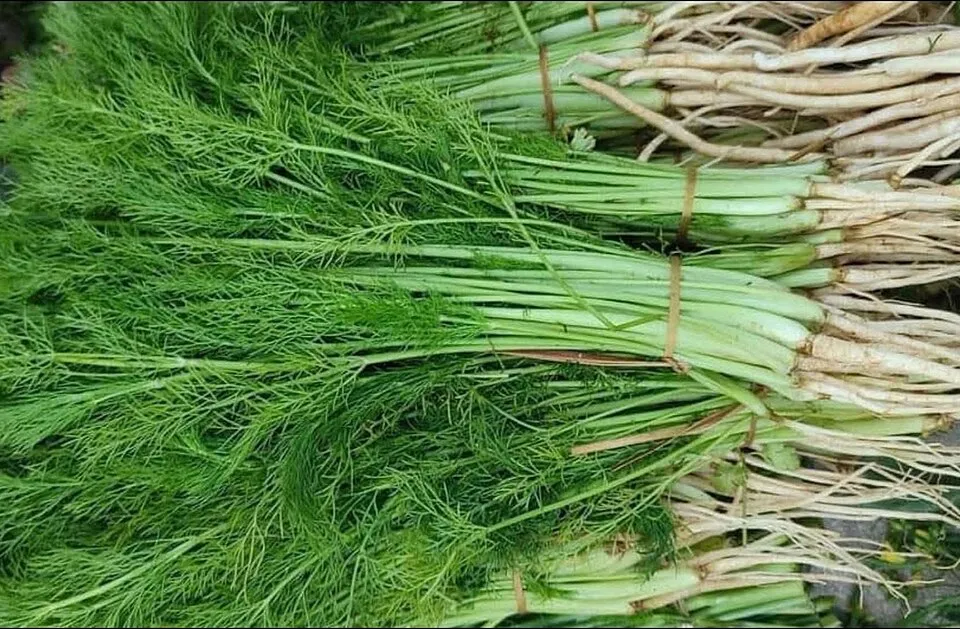
Foeniculum vulgare, commonly known as Fennel, is a resilient, aromatic herb belonging to the Apiaceae family, often grown as a short-lived perennial in USDA zones 4-9 or as an annual in cooler climates. Native to the sun-drenched Mediterranean coasts, it has been embraced and cultivated globally for its distinctive sweet, licorice-like flavor and versatile applications. The plant showcases a striking morphology, featuring delicate, feathery green leaves that are finely dissected, giving them an airy texture reminiscent of dill.
Its smooth, hollow, jointed stems can reach heights of up to 6 feet, culminating in terminal compound umbels adorned with small, bright yellow flowers. These flowers are highly attractive to beneficial insects, including bees and butterflies, before yielding oblong, ridged seeds that mature from dark green to greyish-brown. A notable variety, Florence fennel (F.
vulgare var. azoricum), is prized for its enlarged, flattened stem bases that form a crisp, edible bulb. The entire plant, from its deep taproot to its fronds and seeds, exudes a characteristic anise aroma, primarily due to the presence of anethole, making it a staple in both culinary and medicinal traditions worldwide.
Trusted Scientific References
1. Authoritative external sources for Foeniculum Vulgare
1.1 Wikipedia — Foeniculum Vulgare
1.2 Kew POWO (Plants of the World Online)
1.3 PubMed — peer-reviewed research
1.4 NCBI Taxonomy Browser
1.5 GBIF — Global Biodiversity
1.6Foeniculum Vulgare should be interpreted through verified botanical identity, practical care, and responsible safety language. This recovery note adds the missing context needed for a complete profile: match light to the plant's habit, use well-drained soil, water according to season, and avoid unsupported medicinal or edible claims. For publishing, the plant can be presented as a source-backed garden plant with clear care guidance, common problem diagnosis, and conservative safety wording.
1.1.Foeniculum Vulgare — Distinguishing Points
- ✓Botanical Name — Foeniculum vulgare Mill.
- ✓Family — Apiaceae (Carrot family).
- ✓Aroma/Flavor — Sweet, warm, licorice-like, and anise-like.
- ✓Plant Parts Used — Seeds (fruits), leaves, stems, bulb (Florence fennel), roots.
- ✓Growth Habit — Hardy perennial, often cultivated as an annual, reaching up to 6 feet tall.
- ✓Foliage — Delicate, feathery, finely dissected green leaves.
- ✓Flowers — Small, bright yellow flowers arranged in characteristic compound umbels.
- ✓Traditional Uses — Primarily for digestive ailments, lactation support, and respiratory conditions.
- ✓Key Bioactive Compound — Anethole, responsible for its dominant flavor and many pharmacological actions.
- ✓Culinary Versatility — Used as a vegetable, fresh herb, and dried spice in diverse cuisines globally.
1.2.Foeniculum Vulgare — Quick Summary
- ✓Digestive powerhouse — Relieves bloating, gas, and stomach cramps effectively.
- ✓Anise-like flavor — Versatile in both culinary and medicinal applications worldwide.
- ✓Rich in anethole — Key compound responsible for its distinctive aroma and therapeutic effects.
- ✓Galactagogue — Traditionally used to support and increase breast milk production in nursing mothers.
- ✓Antioxidant & Anti-inflammatory — Contributes to cellular protection and overall wellness.
- ✓Cultivated globally — Thrives in full sun and well-drained soil, easy to grow at home.
2.Foeniculum Vulgare — Nomenclature & Classification
3.Foeniculum Vulgare — Key Data
4.Foeniculum Vulgare — Botanical Description
5.Foeniculum Vulgare — Ecological Habitat
6.Foeniculum Vulgare — Heritage Uses
7.Foeniculum Vulgare — Phytochemistry
- ✓Phenylpropanoids — Anethole (specifically trans-anethole) is the predominant aromatic compound, imparting the characteristic anise flavor and providing significant carminative, antispasmodic, galactagogue, and antimicrobial activities. Estragole (methyl chavicol) is also present, varying in concentration.
- ✓Monoterpenes — Fenchone, limonene, alpha-pinene, beta-myrcene, and camphene contribute to the essential oil's complex aroma profile and possess additional anti-inflammatory, antioxidant, and antimicrobial properties.
- ✓Sesquiterpenes — Trace amounts of sesquiterpenes like beta-caryophyllene can be found, contributing to the plant's overall therapeutic and aromatic characteristics.
- ✓Flavonoids — Key flavonoids such as quercetin, kaempferol, and rutin are powerful antioxidants that protect against cellular damage and contribute to the plant's anti-inflammatory effects.
- ✓Coumarins — Various coumarin derivatives are present, which may possess diverse biological activities including anti-inflammatory and anticoagulant properties, warranting cautious use.
- ✓Fatty Acids — The seeds are a source of beneficial fatty acids, including linoleic acid, oleic acid, and petroselinic acid, which contribute to their nutritional value and potential health benefits.
- ✓Phenolic Acids — Caffeic acid, chlorogenic acid, and rosmarinic acid are additional phenolic compounds that bolster fennel's antioxidant and anti-inflammatory capacities.
- ✓Fiber — Both the bulb and seeds are rich in dietary fiber, crucial for supporting healthy digestion, promoting satiety, and aiding in the regulation of blood glucose levels.
- ✓Sterols — Beta-sitosterol, a plant sterol, is present and recognized for its potential role in cholesterol management and anti-inflammatory actions.
- ✓Vitamins and Minerals — Fennel is a good source of Vitamin C, folate, potassium, manganese, and iron, essential micronutrients supporting various physiological functions.
8.Foeniculum Vulgare — Evidence-Based Benefits
- ✓Digestive Aid — Fennel is highly regarded for its ability to soothe the digestive tract, effectively alleviating symptoms like indigestion, heartburn, and discomfort by promoting efficient nutrient absorption.
- ✓Carminative Properties — It acts as a potent carminative, helping to expel gas from the intestines, thereby reducing flatulence, bloating, and abdominal distension.
- ✓Antispasmodic Effects — The volatile compounds in fennel exert antispasmodic actions, relaxing the smooth muscles of the gastrointestinal tract and alleviating stomach cramps, colic, and intestinal spasms.
- ✓Expectorant Action — Fennel possesses mild expectorant qualities, assisting in the loosening and expulsion of phlegm from the respiratory passages, beneficial for coughs, bronchitis, and congestion.
- ✓Galactagogue — Traditionally and anecdotally, fennel is used as a galactagogue to promote and increase breast milk production in nursing mothers, a property often attributed to its phytoestrogenic content.
- ✓Anti-inflammatory Support — Its rich composition of phenolic compounds and flavonoids contributes to anti-inflammatory effects throughout the body, helping to mitigate various inflammatory conditions.
- ✓Antioxidant Activity — Abundant in antioxidants, including flavonoids and phenolic acids, fennel helps to neutralize harmful free radicals, protecting cells from oxidative damage and supporting cellular health.
- ✓Antimicrobial Properties — Extracts and essential oil from fennel have demonstrated antimicrobial effects against a range of bacteria and fungi, supporting its traditional use in preventing infections.
- ✓Hormonal Balance — Due to anethole's mild estrogenic activity, fennel has been traditionally employed to support menstrual health, potentially easing symptoms of premenstrual syndrome and regulating cycles.
- ✓Diuretic Effects — Fennel can act as a mild diuretic, promoting increased urine output which may assist in detoxification and fluid balance within the body.
- ✓Oral Health — Chewing fennel seeds after meals is a time-honored practice to freshen breath and act as a natural antiseptic for the mouth, contributing to overall oral hygiene.
- ✓Eye Health — In traditional systems, fennel water or diluted infusions were used topically to soothe irritated eyes and reduce inflammation, offering a gentle, natural remedy.
8.1.Foeniculum Vulgare — Reported Uses
9.Foeniculum Vulgare — Safety Considerations
9.1.Foeniculum Vulgare — Warnings
- ✓Allergic Reactions — Individuals sensitive to plants in the Apiaceae family (e.g., celery, carrot, parsley, dill) may experience cross-reactivity, leading to skin rashes, itching, or respiratory symptoms.
- ✓Photosensitivity — The plant sap, particularly when combined with sun exposure, can cause skin irritation or phototoxic reactions in susceptible individuals.
- ✓Estrogenic Effects — Due to its anethole content, high doses of fennel, especially essential oil, may exert mild estrogenic effects, potentially interfering with hormone-sensitive conditions or medications.
- ✓Seizure Risk — Excessive intake of fennel essential oil, particularly if rich in estragole, has been associated with a potential risk of inducing seizures in predisposed individuals.
- ✓Drug Interactions — Fennel may interact with certain medications, including blood thinners (due to coumarins) and potentially hormone replacement therapies or oral contraceptives.
- ✓Gastrointestinal Upset — While generally beneficial for digestion, very large quantities of fennel may paradoxically cause mild nausea, heartburn, or stomach discomfort in some sensitive individuals.
- ✓Contamination Risk — Improper cultivation or harvesting can lead to pesticide residues or cross-pollination with dill, altering the flavor profile and potentially introducing undesirable compounds.
9.2.Foeniculum Vulgare — Safety Profile
- ✓Pregnancy and Lactation — Use during pregnancy should be approached with caution and only under medical supervision due to potential estrogenic effects. While traditionally used as a galactagogue, moderate use is generally considered safe during lactation, but high doses should be avoided.
- ✓Children — Fennel preparations, especially teas, are often used for infant colic; however, always consult a pediatrician or qualified herbalist for appropriate dosages and safety for children.
- ✓Pre-existing Conditions — Individuals with hormone-sensitive cancers (e.g., breast cancer), endometriosis, or seizure disorders should avoid high doses or concentrated forms of fennel without medical advice.
- ✓Essential Oil Caution — Fennel essential oil is highly concentrated and should never be ingested without professional guidance. Always dilute significantly for topical application to avoid skin irritation.
- ✓Allergy Alert — People with known allergies to plants in the Apiaceae family (e.g., anise, caraway, dill, celery) should exercise caution due to potential cross-reactivity.
- ✓Dosage Adherence — Always adhere to recommended dosages for herbal preparations; excessive intake can lead to adverse effects, particularly with essential oil.
- ✓Quality Sourcing — Ensure all fennel products, especially supplements and essential oils, are sourced from reputable suppliers to guarantee purity, potency, and freedom from contaminants.
10.Foeniculum Vulgare — Usage Guide
- ✓Herbal Tea — Infuse 1-2 teaspoons of crushed fennel seeds or fresh chopped leaves in hot water for 5-10 minutes. This tea is traditionally used to aid digestion, relieve gas, or as a galactagogue for nursing mothers.
- ✓Tincture — Prepare an alcohol-based extract from dried fennel seeds or root. Tinctures offer a concentrated form of the herb, typically taken in drops for systemic medicinal effects, such as digestive support.
- ✓Essential Oil — Steam-distilled from seeds, fennel essential oil is potent. It should always be diluted in a carrier oil (e.g., almond, jojoba) for topical application, such as for abdominal massage to relieve cramps, and used internally only under expert guidance.
- ✓Culinary Spice — Whole or ground fennel seeds are widely used in cooking to flavor breads, pastries, sausages, fish dishes, and various spice blends like garam masala and Chinese five-spice powder.
- ✓Vegetable (Florence Fennel) — The crisp, bulbous base of Florence fennel can be enjoyed raw in salads, or cooked by roasting, grilling, braising, or sautéing, offering a delicate anise flavor to savory dishes.
- ✓Fresh Herb — The feathery leaves and tender young shoots are used fresh to garnish and flavor salads, soups, fish, and egg dishes, providing a milder anise note. Note that the flavor diminishes significantly when dried.
- ✓Mouth Freshener — Chewing a small quantity of roasted fennel seeds after meals is a traditional practice to stimulate digestion, cleanse the palate, and naturally freshen breath.
- ✓Topical Application — Diluted fennel infusions or hydrosols can be used as a compress for tired or irritated eyes (traditionally) or applied to soothe minor skin irritations due to its anti-inflammatory properties.
11.Foeniculum Vulgare — How to Grow
- ✓Sunlight — Plant fennel in a location that receives full sun, ideally at least 6-8 hours of direct sunlight daily, for optimal growth and flavor development.
- ✓Soil Requirements — It thrives in well-drained, fertile soil with a slightly acidic to neutral pH, typically ranging between 6.0 and 7.0. Amend heavy soils with organic matter to improve drainage.
- ✓Sowing Seeds — Sow seeds directly into the garden after the last frost in spring, or in mid-summer for a fall crop of Florence fennel. Plant seeds about ¼ inch deep; soaking them for 24-48 hours can enhance germination, which usually occurs within 1-2 weeks.
- ✓Spacing and Thinning — Space individual plants 6-12 inches apart to allow for proper air circulation and growth. Once seedlings emerge and reach about 2 inches tall, thin them to 4-6 inches apart.
- ✓Watering — Maintain consistent soil moisture, particularly for Florence fennel, as dry conditions can trigger premature bolting. Avoid waterlogging, which can lead to root rot. Common fennel is more drought-tolerant once established.
- ✓Blanching (Florence Fennel) — For larger, tender Florence fennel bulbs, mound soil around the base of the plant as the bulb begins to swell, a process known as blanching. Harvest bulbs when they are roughly the size of a tennis ball.
- ✓Pest and Disease Management — Fennel generally exhibits good resistance to pests and diseases, though it can occasionally host swallowtail caterpillars. Root rot may occur in overly wet soil conditions.
- ✓Harvesting — Harvest Florence fennel bulbs before they bolt. For seeds, cut the umbels as they turn brown and dry them on screens to prevent shattering. Deadhead common fennel to prevent unwanted self-seeding.
Reviewed by the Flora Medical Global Botanical Review Panel
Multi-disciplinary editorial group · Botany · Ethnobotany · Herbal-medicine literature
Who reviewed this: This page was checked by the Flora Medical Global Botanical Review Panel — an in-house editorial group of botany graduates, ethnobotany researchers, and horticulture practitioners who collectively maintain our 7,000+ plant encyclopedia. Meet the team.
Our 4-step verification process
1. Taxonomic verification
Scientific names and synonyms cross-checked against Kew POWO, World Flora Online, and The Plant List.
2. Phytochemical & medicinal cross-reference
Active compounds, traditional uses, and reported activities are cross-referenced with PubMed, USDA Dr. Duke's database, and peer-reviewed ethnobotanical literature.
3. Conservation & distribution check
Distribution, ecology, and conservation status confirmed against GBIF occurrence records and the IUCN Red List.
4. Editorial & safety review
Every entry passes an editorial pass for clarity, originality, and safety notices (toxicity, contraindications, dosage caveats) before publication.
Last reviewed:
Important medical disclaimer: This content is for educational and research purposes only. It is not medical advice and is not a substitute for consultation with a licensed healthcare provider. Do not use any herb to self-treat a medical condition without professional guidance.
Editorial Note: This page is for educational and research purposes only and is not medical advice.
Written by: Flora Medical Global Editorial Team
Reviewed by: Flora Medical Global Botanical Review Panel
Last Updated: June 15, 2026





Foeniculum Vulgare — Comments & Community Reviews
Rate this plant