

Medical Disclaimer: This content is for educational purposes only. It is not medical advice. Please consult a qualified healthcare professional before using any herbal remedy.
Safety Overview
1.Fragaria Vesca Garden — Introduction & Highlights
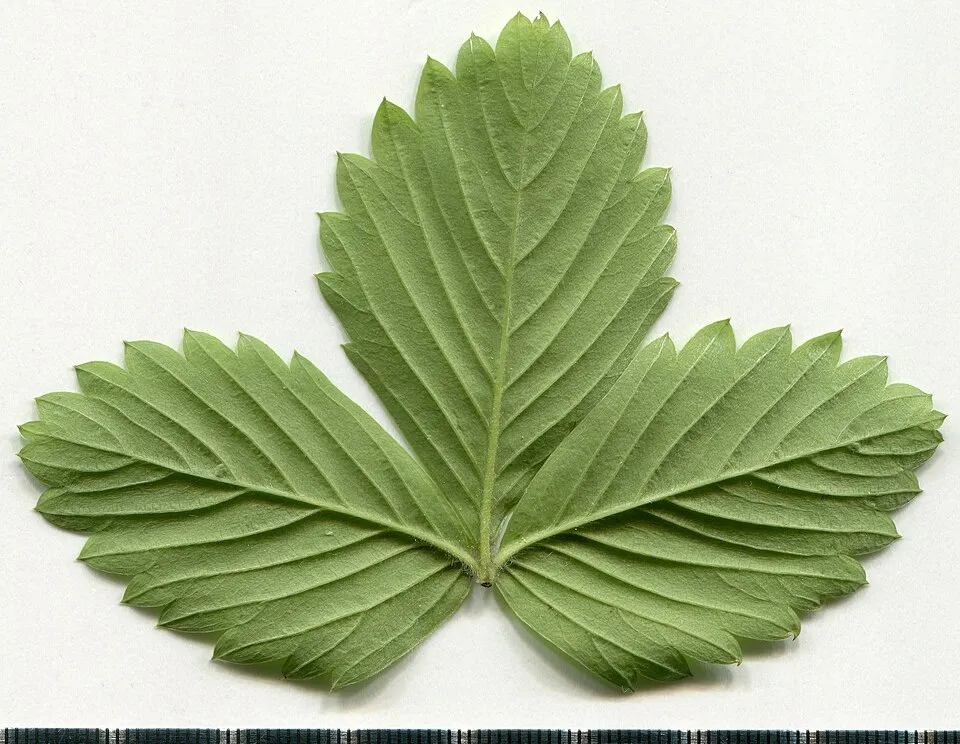
Fragaria vesca, widely recognized as the wild strawberry, woodland strawberry, or Alpine strawberry, is a charming perennial herbaceous plant belonging to the distinguished Rosaceae family. This low-growing species typically reaches a height of 20–30 cm, characterized by its distinctive trifoliate leaves, each composed of three heart-shaped, serrated leaflets. Its slender stems are often covered in fine hairs, adding to its delicate appearance.
The plant produces small, elegant white to pale pink flowers, each with five petals, which eventually give way to its most cherished feature: the small, conical, bright red, and intensely aromatic berries. These fleshy fruits are among the first to ripen in temperate growing seasons, offering a sweet and distinct flavor.
Native to vast regions of Europe, Asia, and parts of North America, Fragaria vesca thrives in a variety of habitats including dappled woodlands, open grasslands, and along forest edges and paths. It demonstrates a preference for slightly acidic, well-drained, sandy loam soils rich in organic matter, flourishing in temperate climates with distinct seasonal changes. A remarkable aspect of its growth habit is its ability to spread vigorously via runners, or stolons, forming dense groundcover mats.
This natural propagation not only contributes to its widespread distribution but also makes it a valuable plant for landscape design, particularly for preventing soil erosion. Furthermore, its flowers are a significant attraction for a diverse range of pollinators, thereby enhancing local biodiversity in any garden or natural setting.
Trusted Scientific References
1. Authoritative external sources for Fragaria vesca
1.1 Wikipedia — Fragaria vesca
1.2 Kew POWO (Plants of the World Online)
1.3 PubMed — peer-reviewed research
1.4 NCBI Taxonomy Browser
1.5 GBIF — Global Biodiversity
1.6Fragaria Vesca Garden should be interpreted through verified botanical identity, practical care, and responsible safety language. This recovery note adds the missing context needed for a complete profile: match light to the plant's habit, use well-drained soil, water according to season, and avoid unsupported medicinal or edible claims. For publishing, the plant can be presented as a source-backed garden plant with clear care guidance, common problem diagnosis, and conservative safety wording.
1.1.Fragaria Vesca Garden — Standout Qualities
- ✓Botanical Name — Fragaria vesca.
- ✓Common Names — Wild strawberry, woodland strawberry, Alpine strawberry.
- ✓Family — Rosaceae.
- ✓Key Compounds — Ellagic acid, anthocyanins, flavonoids, Vitamin C, tannins.
- ✓Traditional Uses — European folk medicine for digestion, circulation, skin; Ayurvedic 'Phagaria' for pitta balance.
- ✓Growth Habit — Low-growing perennial with extensive runners (stolons).
- ✓Edible Parts — Both the aromatic berries and the medicinal leaves are utilized.
- ✓Habitat — Prefers temperate woodlands, meadows, and forest edges with partial shade.
- ✓Ecological Role — Acts as an important food source, attracts pollinators, and prevents soil erosion.
- ✓Taste Profile — Features small, intensely sweet, and aromatic red berries.
1.2.Fragaria Vesca Garden — At-a-Glance Summary
- ✓Fragaria vesca, or wild strawberry, is a nutrient-dense perennial from the Rosaceae family, cherished for both its culinary and medicinal value.
- ✓Rich in potent antioxidants like anthocyanins, ellagic acid, and Vitamin C, it offers a wide spectrum of health benefits.
- ✓Traditionally employed in European folk medicine and Ayurveda for digestive support, circulatory health, skin nourishment, and anti-inflammatory effects.
- ✓Known for its distinctively sweet, aromatic fruit and therapeutically active leaves.
- ✓Thrives in well-drained soil and temperate climates, spreading readily via runners.
- ✓Generally safe for consumption, but specific populations and those on certain medications should exercise caution and consult a professional.
2.Fragaria Vesca Garden — Taxonomic Classification
3.Fragaria Vesca Garden — Botanical Stats
4.Fragaria Vesca Garden — Morphological Account
5.Fragaria Vesca Garden — Habitat & Distribution
6.Fragaria Vesca Garden — Ethnobotanical Uses
7.Fragaria Vesca Garden — Active Compounds
- ✓Ellagic Acid — A potent phenolic antioxidant found in both berries and leaves, known for its ability to neutralize free radicals, support collagen integrity, and exhibit anti-mutagenic properties in cellular models.
- ✓Anthocyanins — Primarily pelargonidin and cyanidin, these pigments are responsible for the berry's characteristic red hue and are crucial for reducing oxidative stress in vascular endothelium, thereby promoting healthy circulation.
- ✓Flavonoids — Including quercetin and kaempferol, these compounds provide significant anti-inflammatory benefits by inhibiting pro-inflammatory cytokines, which can be advantageous for conditions like arthritic discomfort.
- ✓Tannins — Concentrated particularly in the leaves, these astringent molecules are effective in toning mucous membranes, making them useful for addressing mild diarrhea and gingivitis.
- ✓Vitamin C (Ascorbic Acid) — An essential vitamin abundantly present in the berries, vital for supporting immune function, facilitating collagen synthesis, and enhancing iron absorption.
- ✓Organic Acids — Such as malic acid and citric acid, these natural compounds contribute to the berry's tartness, aid digestion by stimulating gastric juices, and support the body's detoxification pathways in the liver.
- ✓Dietary Fiber — Found in both the fruit and leaves, dietary fiber plays a crucial role in promoting healthy digestion, regulating bowel movements, and contributing to satiety.
- ✓Folate — An important B vitamin essential for cell growth, DNA synthesis, and various metabolic processes, contributing to overall health.
- ✓Phenolic Acids — Beyond ellagic acid, various other phenolic acids contribute to the plant's overall antioxidant capacity and protective effects.
8.Fragaria Vesca Garden — Research Insights
- ✓Digestive Support — A warm infusion crafted from dried Fragaria vesca leaves is traditionally used to soothe gastrointestinal spasms and alleviate symptoms of mild dyspepsia, aligning with Ayurvedic principles of cooling excessive pitta contributing to acid reflux.
- ✓Circulatory Health — The abundant vitamin C and anthocyanin content in wild strawberries contributes to strengthening capillary walls, historically utilized to manage mild varicose veins and more recently noted in studies for reducing feelings of leg heaviness.
- ✓Skin Nourishment — Topical applications of mashed wild strawberry berries have been documented since medieval times for their ability to soothe sunburn and minor skin rashes, with modern research highlighting ellagic acid's role in inhibiting UV-induced melanin overproduction, supporting gentle skin brightening.
- ✓Anti-inflammatory Action — Extracts rich in quercetin from Fragaria vesca leaves are known to downregulate pro-inflammatory mediators, offering relief for general inflammatory conditions and echoing folk use for mild rheumatism by reducing joint swelling.
- ✓Immune Boosting — Regular consumption of wild strawberry, whether fresh or as a preserve, significantly increases serum vitamin C levels, supporting robust immune function and fortifying the body against common upper respiratory infections.
- ✓Mild Diuretic and Detox — The gentle diuretic action of wild strawberry aids the body in flushing out toxins, making it a popular component in spring cleansing regimens by traditional practitioners to alleviate water retention and support healthy kidney function.
- ✓Menstrual Comfort — Folk remedies across various European cultures have employed wild strawberry leaf tea to ease menstrual cramps, likely attributed to a combination of its antispasmodic malic acid content and its cooling effect on pitta-type cramps.
- ✓Antimicrobial Properties — Tannin-rich extracts from Fragaria vesca leaves exhibit mild antibacterial activity, particularly against oral bacteria like Streptococcus mutans, providing a scientific basis for historical uses in mouthwashes for gingivitis and mouth ulcers.
- ✓Antioxidant Richness — The synergistic presence of ellagic acid, anthocyanins, and flavonoids in Fragaria vesca offers powerful antioxidant protection, neutralizing harmful free radicals and protecting cellular integrity throughout the body.
8.1.Fragaria Vesca Garden — Indications & Uses
9.Fragaria Vesca Garden — Precautions & Warnings
9.1.Fragaria Vesca Garden — Caution Notes
- ✓Allergic Reactions — Rare instances of contact dermatitis have been reported from handling the leaves or fruit, manifesting as skin irritation.
- ✓Gastrointestinal Upset — High doses of leaf preparations, particularly due to their tannin content, may lead to mild stomach discomfort or constipation in sensitive individuals.
- ✓Increased Bleeding Risk — The anthocyanins present in Fragaria vesca may theoretically influence blood clotting, warranting caution for individuals on anticoagulant or antiplatelet medications.
- ✓Hypoglycemia — While generally mild, very high doses could potentially lower blood sugar levels, requiring monitoring for individuals with diabetes or those on hypoglycemic drugs.
- ✓Drug Interactions — Potential interactions exist with medications affecting blood coagulation and blood glucose regulation; consultation with a healthcare provider is advised.
- ✓Oxalate Content — The leaves contain moderate levels of oxalates, which may be a concern for individuals prone to kidney stones if consumed in excessively large quantities.
9.2.Fragaria Vesca Garden — Clinical Safety Notes
- ✓Generally Safe — Fragaria vesca is widely considered safe when consumed as food or used in moderate herbal doses, adhering to traditional practices.
- ✓Pregnancy and Breastfeeding — While culinary consumption of the berries is typically safe, the use of higher-dose leaf extracts lacks robust safety data during pregnancy and lactation; professional consultation is recommended.
- ✓Pediatric Use — Children over 12 years old can generally tolerate lower doses of leaf tea, but always consult a pediatrician before administering herbal remedies to younger children.
- ✓Medical Consultation — Individuals with pre-existing medical conditions, especially those on blood-thinning medications or diabetes treatments, should consult a healthcare professional before therapeutic use.
- ✓Patch Testing — Prior to topical application of berry or leaf preparations, a patch test on a small skin area is advisable to rule out rare allergic reactions.
- ✓Quality Sourcing — It is crucial to source organically certified or responsibly wild-harvested Fragaria vesca to ensure purity and avoid contamination from pesticides or other environmental pollutants.
- ✓Dosage Adherence — Strict adherence to recommended dosages for extracts and teas is essential to minimize potential side effects and maximize therapeutic benefits.
10.Fragaria Vesca Garden — Application Forms
- ✓Dried Leaf Tea — Steep 1–2 teaspoons (2–4 g) of dried leaves in 250 ml of hot water for 10 minutes, consumed 1–2 times daily for digestive and diuretic purposes.
- ✓Standardized Berry Extract — Take 250–500 mg, standardized to 25–35% anthocyanins, once or twice daily with meals to support vascular health.
- ✓Fresh or Frozen Berries — Incorporate 10–20 fresh fruits daily into smoothies, cereals, or consume directly to boost antioxidant and vitamin C intake.
- ✓Tincture — Administer 20–30 drops (approximately 1–1.5 ml) of a 1:5 tincture in 40% alcohol, diluted in water, 2–3 times per day for mild diuretic or digestive aid.
- ✓Topical Poultice — Mash 10–15 fresh berries into a pulp and apply to minor burns or insect bites for 10–15 minutes, then rinse gently, for soothing skin relief.
- ✓Jams and Preserves — Prepare traditional jams or preserves from the berries for culinary enjoyment and a continuous source of antioxidants.
- ✓Infused Oils/Creams — Create botanical infusions with leaves or berries for use in skin care products, leveraging its ellagic acid and anti-inflammatory properties.
- ✓Mouthwash/Gargle — Prepare a cooled decoction of the leaves for use as a mouthwash to address gingivitis or minor mouth ulcers.
11.Fragaria Vesca Garden — Growing Guide
- ✓Soil Preference — Requires well-drained, sandy loam soil with a substantial amount of organic matter for optimal growth.
- ✓Climate and Light — Best suited for cooler, temperate climates, thriving in partial shade which mimics its natural forest-edge habitats.
- ✓Watering Requirements — Regular watering is essential to maintain consistent soil moisture, though care must be taken to avoid waterlogging.
- ✓Propagation — Can be readily propagated from seeds, but more commonly and easily spread by its abundant runners (stolons).
- ✓Harvesting — Fruits are best hand-picked at peak ripeness when they are bright red and unblemished; leaves are optimally gathered in early summer before the flowering period for maximum bioactive potency.
- ✓Groundcover Use — Its natural tendency to spread through runners makes it an excellent choice for groundcover, aiding in soil erosion prevention.
- ✓Mulching Benefits — Applying a layer of organic mulch can help retain soil moisture, regulate temperature, and suppress weed growth, benefiting overall plant health.
Reviewed by the Flora Medical Global Botanical Review Panel
Multi-disciplinary editorial group · Botany · Ethnobotany · Herbal-medicine literature
Who reviewed this: This page was checked by the Flora Medical Global Botanical Review Panel — an in-house editorial group of botany graduates, ethnobotany researchers, and horticulture practitioners who collectively maintain our 7,000+ plant encyclopedia. Meet the team.
Our 4-step verification process
1. Taxonomic verification
Scientific names and synonyms cross-checked against Kew POWO, World Flora Online, and The Plant List.
2. Phytochemical & medicinal cross-reference
Active compounds, traditional uses, and reported activities are cross-referenced with PubMed, USDA Dr. Duke's database, and peer-reviewed ethnobotanical literature.
3. Conservation & distribution check
Distribution, ecology, and conservation status confirmed against GBIF occurrence records and the IUCN Red List.
4. Editorial & safety review
Every entry passes an editorial pass for clarity, originality, and safety notices (toxicity, contraindications, dosage caveats) before publication.
Last reviewed:
Important medical disclaimer: This content is for educational and research purposes only. It is not medical advice and is not a substitute for consultation with a licensed healthcare provider. Do not use any herb to self-treat a medical condition without professional guidance.
Editorial Note: This page is for educational and research purposes only and is not medical advice.
Written by: Flora Medical Global Editorial Team
Reviewed by: Flora Medical Global Botanical Review Panel
Last Updated: June 15, 2026





Fragaria Vesca Garden — Comments & Community Reviews
Rate this plant