
Medical Disclaimer: This content is for educational purposes only. It is not medical advice. Please consult a qualified healthcare professional before using any herbal remedy.
Safety Overview
1.Freesia — Essential Profile
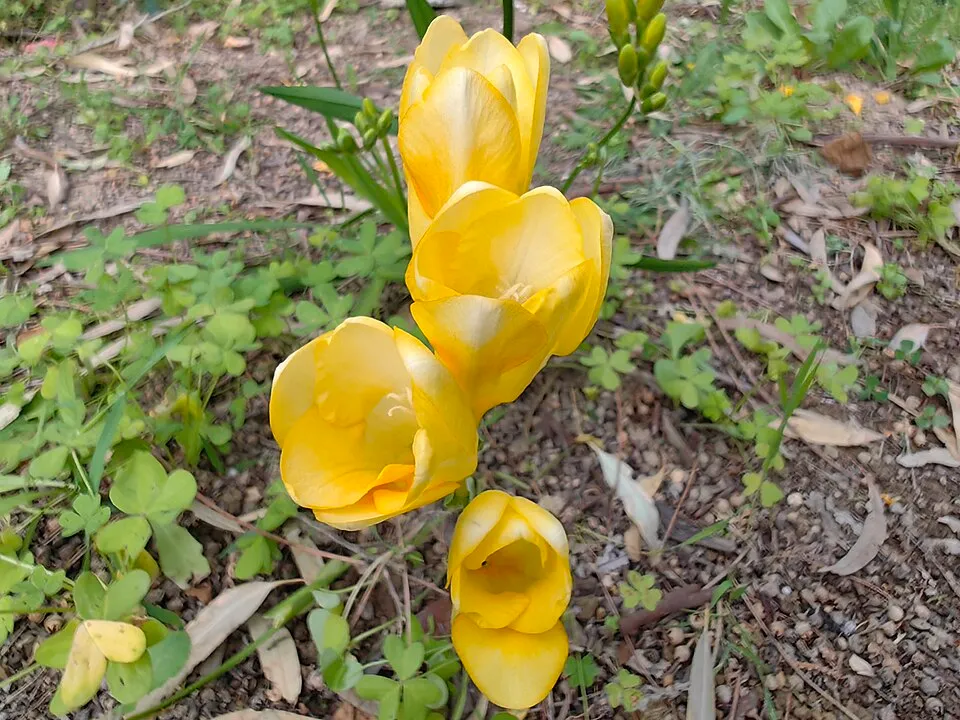
Freesia refracta, commonly known as Freesia, is an exquisite perennial herbaceous plant belonging to the Iridaceae family, renowned for its captivating fragrance and vibrant blooms. Native to the Western Cape Province of South Africa, this species thrives in its indigenous habitat, characterized by well-drained, loamy soils and moderate precipitation. Freesia possesses a distinctive cormous root system, which serves as a vital storage organ for nutrients and water, enabling the plant to endure dry periods and re-emerge robustly.
Its foliage consists of narrow, lanceolate leaves that grow in an elegant basal rosette directly from the corm, typically reaching lengths of up to 30 cm. The plant's most striking feature is its inflorescence, typically gracing gardens in spring. Flowers are tubular with six petals, arranged in a graceful, funnel-shaped spike, and display an impressive spectrum of colors including pristine white, sunny yellow, delicate pink, rich purple, and fiery orange.
Each flower cluster can bear up to ten individual blooms, contributing to Freesia's immense popularity as an ornamental plant and a highly sought-after cut flower. Freesia refracta flourishes best in full sun exposure but can tolerate partial shade, particularly in regions with intense summer heat. Beyond its aesthetic appeal, Freesia is valued for its ability to naturalize in favorable climates, enhancing local biodiversity and providing essential nectar resources for pollinators like bees.
Trusted Scientific References
1. Authoritative external sources for Freesia refracta
1.1 Wikipedia — Freesia refracta
1.2 Kew POWO (Plants of the World Online)
1.3 PubMed — peer-reviewed research
1.4 NCBI Taxonomy Browser
1.5 GBIF — Global Biodiversity
1.6Freesia should be interpreted through verified botanical identity, practical care, and responsible safety language. This recovery note adds the missing context needed for a complete profile: match light to the plant's habit, use well-drained soil, water according to season, and avoid unsupported medicinal or edible claims. For publishing, the plant can be presented as a source-backed garden plant with clear care guidance, common problem diagnosis, and conservative safety wording.
1.1.Freesia — Highlights
- ✓Botanical Origin — Native to South Africa's Western Cape, thriving in specific well-drained soil conditions.
- ✓Cormous Perennial — Features an underground corm for nutrient and water storage, ensuring perennial growth.
- ✓Vibrant, Funnel — Shaped Blooms — Produces striking flowers in a wide array of colors, arranged on elegant spikes.
- ✓Distinctive Sweet Fragrance — Highly valued globally for its intense, pleasant, and characteristic aroma.
- ✓Emerging Cosmetic Ingredient — Freesia refracta callus extract (FCE) is a focus of modern anti-aging skincare research.
- ✓Collagen Synthesis Booster — FCE significantly promotes the production of collagen I, crucial for skin elasticity.
- ✓Proven Anti — Wrinkle Efficacy — Clinical studies demonstrate FCE's ability to reduce skin roughness and improve texture.
- ✓Antioxidant Activity — FCE provides protection against oxidative stress, contributing to overall skin health.
- ✓Ornamental & Cut Flower Value — Widely cultivated for garden display and as a popular, long-lasting cut flower.
- ✓Iridaceae Family Member — Shares botanical characteristics and some phytochemical profiles with Iris and Gladiolus.
1.2.Freesia — Snapshot Summary
- ✓Freesia refracta is a fragrant, ornamental cormous plant native to South Africa, prized for its vibrant flowers.
- ✓Its callus extract (FCE) has been scientifically shown to possess significant anti-aging and antioxidant benefits for skin.
- ✓Key active compounds in FCE include nicotinamide and pyroglutamic acid, which enhance collagen production and reduce skin roughness.
- ✓Traditional medicinal uses are largely anecdotal and lack scientific validation, primarily revolving around aromatic respiratory comfort.
- ✓The plant is primarily valued for its aesthetic appeal, cut flower industry contribution, and emerging cosmetic applications.
- ✓Generally safe for external use, but potential for allergic reactions or respiratory sensitivity exists in susceptible individuals.
2.Freesia — Botanical Identity
3.Freesia — Vital Statistics
4.Freesia — Botanical Features
5.Freesia — Native Range & Habitat
6.Freesia — Folk Medicine Applications
7.Freesia — Phytochemistry
- ✓Nicotinamide — A form of Vitamin B3, this essential nutrient is identified in Freesia refracta callus extract (FCE) and is crucial for cellular energy, supporting skin barrier function, and exerting anti-inflammatory effects.
- ✓Pyroglutamic Acid (PCA) — A natural moisturizing factor (NMF) and an amino acid derivative, PCA is also found in FCE, renowned for its powerful humectant properties that aid in skin hydration.
- ✓Flavonoids — These polyphenolic compounds are common across the Iridaceae family, contributing significant antioxidant activity and offering cellular protection against oxidative damage.
- ✓Essential Oils — Responsible for the distinctive, sweet fragrance of Freesia flowers, these volatile organic compounds encompass various terpenes, esters, and alcohols that may offer aromatherapy benefits.
- ✓Iridoids — A class of monoterpenoids often present in Iridaceae species, iridoids are known for their potential anti-inflammatory and antimicrobial properties, contributing to the plant's defense mechanisms.
- ✓Carotenoids — Pigments that impart vibrant colors to Freesia flowers, carotenoids act as potent antioxidants within the plant and can serve as precursors to Vitamin A.
- ✓Saponins — Glycosides found in many plants, saponins possess surfactant properties and are sometimes associated with anti-inflammatory and immunomodulatory effects.
- ✓Phenolic Acids — These natural phenols contribute to the plant's overall antioxidant capacity, playing a role in protecting plant tissues from environmental stressors and oxidative processes.
- ✓Sugars — Basic carbohydrates such as glucose and fructose are present, providing metabolic energy and contributing to the plant's structural integrity and overall chemical composition.
- ✓Amino Acids — Beyond pyroglutamic acid, other amino acids are fundamental building blocks of proteins within Freesia, essential for various metabolic pathways and cellular health.
8.Freesia — Scientific Evidence
- ✓Anti-aging for Skin — Freesia refracta callus extract (FCE) significantly boosts collagen I production in both normal and aged fibroblasts, promoting youthful skin structure.
- ✓Wrinkle Reduction — An in vivo study demonstrated that topical application of FCE cream led to an 11.1% reduction in skin roughness, indicative of reduced wrinkle appearance.
- ✓Enhanced Collagen Density — Clinical research showed a 2.3-fold increase in skin collagen density after 28 days of FCE cream application, improving skin firmness.
- ✓Antioxidant Protection — FCE exhibits protective effects against oxidative stress, safeguarding skin cells from environmental damage and premature aging.
- ✓Fibroblast-Collagen Interaction — FCE enhances the crucial interaction between fibroblasts and collagen, strengthening the skin's dermal matrix and improving elasticity.
- ✓Skin Smoothing — The active components in FCE contribute to a smoother skin texture, improving overall skin appearance and tactile quality.
- ✓Traditional Respiratory Support — Anecdotal evidence suggests that the aromatic qualities of Freesia may offer relief for common cold symptoms and improve respiratory comfort, though scientific validation is limited.
- ✓Aromatic Upliftment — The distinct, pleasant fragrance of Freesia is utilized in aromatherapy for its potential to uplift mood and reduce stress, contributing to psychological well-being.
- ✓Moisturizing Effects — Compounds like pyroglutamic acid, identified in FCE, are natural moisturizing factors (NMFs) that can help hydrate the skin and prevent moisture loss.
- ✓Skin Barrier Reinforcement — Nicotinamide, another key component of FCE, is known to strengthen the skin's epidermal barrier, enhancing its protective function against external aggressors.
8.1.Freesia — Reported Uses
9.Freesia — Cautions & Contraindications
9.1.Freesia — Possible Adverse Reactions
- ✓Allergic Contact Dermatitis — Direct handling of Freesia plants, especially the sap or flowers, may cause skin irritation, redness, or allergic reactions in sensitive individuals.
- ✓Gastrointestinal Upset — While not highly toxic, ingestion of significant quantities of Freesia plant parts, particularly the corms, could potentially lead to mild digestive discomfort.
- ✓Respiratory Irritation — The strong, natural fragrance of Freesia flowers might trigger respiratory sensitivities or exacerbate symptoms in individuals with asthma or severe allergies.
- ✓Cross-Reactivity — Individuals with known allergies to other members of the Iridaceae family, such as Iris or Gladiolus, may experience cross-reactive allergic responses to Freesia.
- ✓Eye Irritation — Direct contact of plant sap or extracts with the eyes can cause irritation, redness, and discomfort, necessitating immediate rinsing.
9.2.Freesia — Risk Assessment
- ✓External Use Only — Freesia refracta callus extract (FCE) is formulated for topical cosmetic application; internal consumption of the plant or its extracts is not recommended for medicinal purposes.
- ✓Patch Testing Advised — Before applying any Freesia-derived cosmetic product or plant preparation to a large skin area, perform a patch test on a small, inconspicuous area to check for adverse reactions.
- ✓Consult Medical Professionals — Pregnant or breastfeeding individuals, those with pre-existing medical conditions, or those on medication should consult a healthcare provider before using any botanical product, including Freesia extracts.
- ✓Keep Away From Children and Pets — Ensure Freesia plants and all derived products are stored securely out of reach of children and domestic animals to prevent accidental ingestion or contact.
- ✓Aromatic Caution — When using Freesia for its fragrance, ensure adequate ventilation, especially for individuals sensitive to strong scents or with respiratory conditions.
- ✓Avoid Eye Contact — Prevent direct contact of Freesia plant materials or extracts with the eyes; in case of contact, rinse thoroughly with clean water.
- ✓Not for Internal Medicinal Use — Despite some anecdotal traditional claims, Freesia is not recognized in modern herbal medicine for internal therapeutic use, and scientific evidence for such applications is absent.
10.Freesia — Preparations & Uses
- ✓Ornamental Gardening — Freesia refracta is extensively cultivated for its aesthetic appeal, planted in garden beds, borders, and containers to add vibrant color and delightful fragrance to outdoor spaces.
- ✓Cut Flowers — Harvest Freesia stems when the first flower on the spike begins to open; these long-lasting blooms are highly prized in floral arrangements and bouquets due to their beauty and strong aroma.
- ✓Aromatic Applications — The distinctive, sweet scent of Freesia flowers is captured in essential oils and fragrances, used in perfumery, soaps, and candles, as well as for general ambient aromatic pleasure.
- ✓Topical Cosmetic Formulations — Freesia refracta callus extract (FCE) is incorporated into advanced cosmeceuticals such as anti-aging creams, serums, and lotions to leverage its proven skin rejuvenating benefits.
- ✓Skin Rejuvenation Regimens — Apply FCE-containing products externally to the skin to target concerns like wrinkles, roughness, and reduced collagen density, following product-specific instructions for optimal results.
- ✓Traditional Aromatic Inhalation — In some anecdotal practices, the aromatic properties of Freesia are believed to aid respiratory comfort when inhaled, although this use lacks scientific substantiation and is not widely recognized.
- ✓Home Fragrance Enhancement — Dried Freesia flowers or preparations derived from them can be used in potpourri or diffusers to infuse indoor environments with their pleasant and uplifting fragrance.
11.Freesia — Cultivation & Care
- ✓Soil Requirements — Freesia thrives in well-drained, fertile, sandy-loam soil with a slightly acidic to neutral pH (6.0-7.0), enriched with ample organic matter.
- ✓Planting — Plant Freesia corms in early spring after the last frost, positioning them 5-7 cm deep and 10-15 cm apart, ensuring the pointed end faces upwards.
- ✓Light Exposure — Full sun is essential for robust growth and prolific flowering, ideally at least 6-8 hours of direct sunlight daily; partial shade may be tolerated in very hot climates.
- ✓Watering — Maintain consistently moist soil during the active growing season and flowering period, but avoid waterlogging; reduce watering as foliage yellows and the plant enters dormancy.
- ✓Fertilization — Apply a balanced liquid fertilizer (e.g., 5-10-5 NPK) every 2-4 weeks from the emergence of shoots until flowering ceases, promoting strong growth and bloom quality.
- ✓Pests and Diseases — Monitor for common pests like aphids, thrips, and spider mites; good air circulation and proper drainage help prevent fungal diseases such as botrytis blight.
- ✓Winter Care — In USDA Zones 8 and below, lift corms after the foliage has died back in autumn, clean them, and store in a cool, dry, dark, and well-ventilated area for replanting the following spring.
- ✓Support — Taller Freesia varieties or those with heavy flower spikes may benefit from staking or other support structures to prevent stems from bending or breaking.
Reviewed by the Flora Medical Global Botanical Review Panel
Multi-disciplinary editorial group · Botany · Ethnobotany · Herbal-medicine literature
Who reviewed this: This page was checked by the Flora Medical Global Botanical Review Panel — an in-house editorial group of botany graduates, ethnobotany researchers, and horticulture practitioners who collectively maintain our 7,000+ plant encyclopedia. Meet the team.
Our 4-step verification process
1. Taxonomic verification
Scientific names and synonyms cross-checked against Kew POWO, World Flora Online, and The Plant List.
2. Phytochemical & medicinal cross-reference
Active compounds, traditional uses, and reported activities are cross-referenced with PubMed, USDA Dr. Duke's database, and peer-reviewed ethnobotanical literature.
3. Conservation & distribution check
Distribution, ecology, and conservation status confirmed against GBIF occurrence records and the IUCN Red List.
4. Editorial & safety review
Every entry passes an editorial pass for clarity, originality, and safety notices (toxicity, contraindications, dosage caveats) before publication.
Last reviewed:
Important medical disclaimer: This content is for educational and research purposes only. It is not medical advice and is not a substitute for consultation with a licensed healthcare provider. Do not use any herb to self-treat a medical condition without professional guidance.
Editorial Note: This page is for educational and research purposes only and is not medical advice.
Written by: Flora Medical Global Editorial Team
Reviewed by: Flora Medical Global Botanical Review Panel
Last Updated: June 15, 2026





Freesia — Comments & Community Reviews
Rate this plant