
Medical Disclaimer: This content is for educational purposes only. It is not medical advice. Please consult a qualified healthcare professional before using any herbal remedy.
Safety Overview
1.Fuchsia — At a Glance
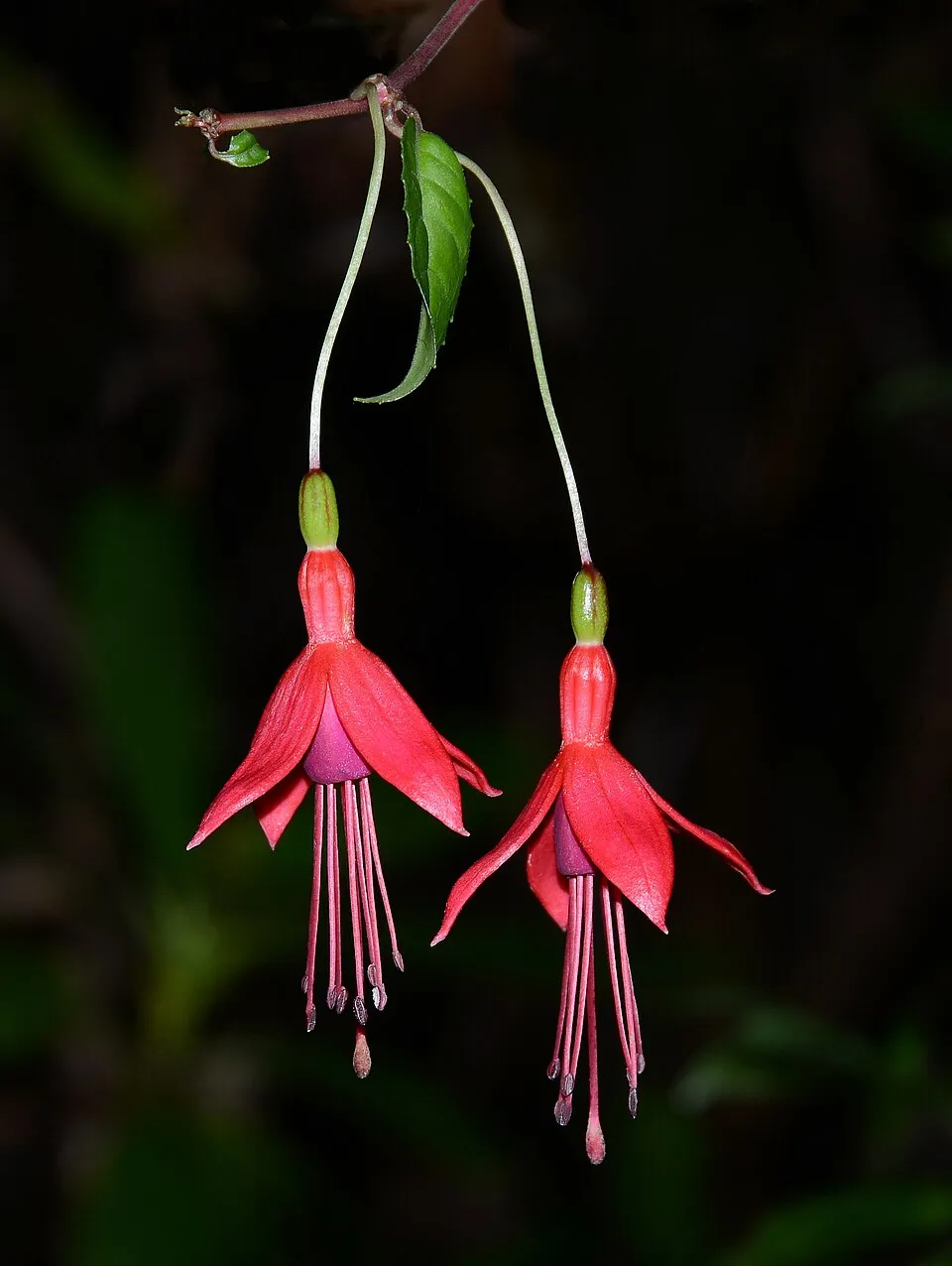
Fuchsia magellanica, widely recognized as hardy fuchsia, is an elegant perennial shrub renowned for its striking ornamental blooms and adaptability. This species typically establishes itself as a multi-stemmed shrub, reaching heights of 1 to 3 meters and often spreading to a similar width, making it a versatile choice for diverse garden landscapes. Its foliage consists of lanceolate, glossy green leaves, each growing up to 7.5 cm in length, arranged oppositely along the stems.
From late spring through early autumn, Fuchsia magellanica showcases its most captivating feature: pendulous, tubular flowers. These vibrant blossoms, which can vary in shades of red, purple, or pink depending on the cultivar, are a magnet for hummingbirds and other pollinators, enhancing biodiversity in any garden. Native to the cool, temperate zones of southern South America, particularly Chile and Argentina, this hardy fuchsia thrives in well-drained, consistently moist soils and prefers sites offering partial shade.
Its natural distribution extends to regions with mild climates, demonstrating its resilience. Taxonomically, it belongs to the Onagraceae family, also known as the evening primrose family, a diverse group of flowering plants.
Trusted Scientific References
1. Authoritative external sources for Fuchsia magellanica
1.1 Wikipedia — Fuchsia magellanica
1.2 Kew POWO (Plants of the World Online)
1.3 PubMed — peer-reviewed research
1.4 NCBI Taxonomy Browser
1.5 GBIF — Global Biodiversity
1.6Fuchsia should be interpreted through verified botanical identity, practical care, and responsible safety language. This recovery note adds the missing context needed for a complete profile: match light to the plant's habit, use well-drained soil, water according to season, and avoid unsupported medicinal or edible claims. For publishing, the plant can be presented as a source-backed garden plant with clear care guidance, common problem diagnosis, and conservative safety wording.
1.1.Fuchsia — Notable Characteristics
- ✓Striking Pendulous Flowers — Red, purple, or pink tubular blossoms.
- ✓Hummingbird Attractor — Highly attractive to various pollinators.
- ✓Edible Berries — Varying flavors, used in desserts and preserves.
- ✓Ornamental Value — Popular for gardens, hanging baskets, and landscapes.
- ✓Hardy Perennial Shrub — Resilient and adaptable to cooler climates.
- ✓Traditional Medicinal Uses — Diuretic, antiseptic, anti-inflammatory.
- ✓Rich in Antioxidants — Contains anthocyanins, flavonoids, and phenolics.
- ✓Adaptable to Partial Shade — Thrives in filtered light conditions.
- ✓Native to South America — Indigenous to temperate regions.
- ✓Easy to Cultivate — Requires moderate care for lush growth.
1.2.Fuchsia — Snapshot Summary
- ✓Hardy perennial shrub known for ornamental beauty and edible berries.
- ✓Traditionally used for diuretic, antiseptic, and anti-inflammatory purposes.
- ✓Rich in antioxidants like anthocyanins and flavonoids.
- ✓Berries are edible and used in various culinary applications.
- ✓Requires well-drained soil and partial shade for optimal growth.
- ✓Considered generally safe for topical and oral use, with precautions for specific groups.
2.Fuchsia — Scientific Identity
3.Fuchsia — Fact Sheet
4.Fuchsia — Botanical Features
5.Fuchsia — Native Range & Habitat
6.Fuchsia — Traditional Uses
7.Fuchsia — Phytochemistry
- ✓Flavonoids — These are potent antioxidants found abundantly in Fuchsia magellanica, contributing to its protective effects against oxidative stress and cellular damage.
- ✓Anthocyanins — Specifically, cyanidin-3-glucoside and cyanidin-3-galloylglucoside are key anthocyanins identified, responsible for the vibrant coloration of the flowers and exhibiting significant antioxidant activity.
- ✓Tannins — These astringent compounds contribute to the plant's diuretic and antiseptic properties, aiding in fluid balance and offering antimicrobial benefits.
- ✓Phenolic Compounds — A broad class of secondary metabolites, including various acids and esters, which collectively provide antioxidant, anti-inflammatory, and protective effects within the plant and when consumed.
- ✓Carotenoids — Present in the berries and flowers, these pigments offer additional antioxidant protection and contribute to the plant's overall phytochemical profile.
- ✓Organic Acids — Various organic acids are present, contributing to the plant's metabolic functions and potentially influencing its taste and preservative qualities, particularly in the fruit.
- ✓Triterpenoids — These compounds are often associated with anti-inflammatory and adaptogenic properties, though their specific roles in Fuchsia magellanica require further investigation.
- ✓Volatile Compounds — Trace amounts of volatile compounds contribute to the plant's characteristic aroma, especially in the flowers, and may possess minor antimicrobial or insect-repellent properties.
8.Fuchsia — Pharmacological Findings
- ✓Diuretic Action — Fuchsia magellanica contains compounds that stimulate increased urinary production, aiding in the elimination of excess water and toxins from the body, which can also help manage mild fluid retention.
- ✓Skin Irritation Relief — Traditionally, the juice or preparations from the plant have been applied topically to soothe various skin ailments, including blisters, rashes, and general itching, due to its potential anti-inflammatory properties.
- ✓Antipyretic Effects — Certain fuchsia species, including F. magellanica, are believed to possess antipyretic qualities that may assist in lowering body temperature, offering support during feverish conditions.
- ✓Antioxidant Support — Rich in anthocyanins and other phenolic compounds, Fuchsia magellanica provides antioxidant benefits, helping to combat cellular oxidative stress and protect against damage from free radicals.
- ✓Antiseptic Properties — The plant's constituents, particularly tannins, contribute to its antiseptic qualities, which may help cleanse minor wounds and prevent microbial growth on the skin.
- ✓Digestive Aid — Indigenous practices have utilized infusions of the leaves and flowers to support digestive health, potentially alleviating discomfort and promoting gut regularity.
- ✓Urinary Tract Health — Due to its diuretic and mild antiseptic actions, Fuchsia magellanica has been traditionally employed to help alleviate symptoms of urinary discomfort and support overall urinary system wellness.
- ✓Blood Pressure Regulation — By facilitating the elimination of excess sodium and water, the diuretic effect of fuchsia may contribute to the maintenance of healthy blood pressure levels.
- ✓Corns and Calluses Remedy — In some folk traditions, crushed fuchsia flowers are applied as a poultice to soften and aid in the removal of corns and calluses on the feet.
8.1.Fuchsia — Health Applications
9.Fuchsia — Cautions & Contraindications
9.1.Fuchsia — Reported Side Effects
- ✓Allergic Reactions — Individuals sensitive to plants in the Onagraceae family may experience mild skin irritation or allergic reactions upon topical application or ingestion.
- ✓Gastrointestinal Upset — High doses of fuchsia preparations, particularly those made from berries or leaves, might lead to mild stomach discomfort or nausea in some individuals.
- ✓Diuretic Overuse — Excessive consumption of fuchsia, due to its diuretic properties, could potentially lead to electrolyte imbalances or dehydration if not properly managed.
- ✓Interaction with Medications — Due to its diuretic effect, fuchsia may potentially interact with diuretic medications, lithium, or blood pressure-lowering drugs, altering their efficacy.
- ✓Contamination Risk — When using wild-harvested or garden-grown fuchsia, ensure thorough washing to remove pesticides, fertilizers, or insect residues that could be harmful if ingested.
- ✓Hypotension Risk — In individuals with already low blood pressure, the diuretic effect might further lower blood pressure, necessitating caution.
- ✓Skin Sensitivity — Topical application may cause mild photosensitivity or irritation in very sensitive skin types, especially if exposed to strong sunlight.
9.2.Fuchsia — Safety Overview
- ✓Pregnancy and Breastfeeding — Due to insufficient research on its effects, pregnant or breastfeeding women should avoid medicinal use of Fuchsia magellanica preparations.
- ✓Pediatric Use — The use of fuchsia in children should be approached with caution and under the guidance of a healthcare professional due to limited safety data.
- ✓Pre-existing Conditions — Individuals with kidney disease, heart conditions, or electrolyte imbalances should consult a healthcare provider before using fuchsia, especially due to its diuretic action.
- ✓Surgical Patients — Discontinue fuchsia use at least two weeks before any scheduled surgery due to its potential effects on blood pressure and fluid balance.
- ✓Dosage Adherence — Always adhere to recommended dosages for prepared remedies; excessive intake can increase the risk of side effects.
- ✓Quality Sourcing — Ensure fuchsia plant material is sourced from reputable growers or suppliers to avoid contamination with pesticides or heavy metals.
- ✓Topical Patch Test — Before extensive topical application, perform a patch test on a small skin area to check for any adverse reactions or sensitivities.
- ✓Professional Consultation — It is always advisable to consult with a qualified healthcare professional or medical herbalist before incorporating fuchsia into a therapeutic regimen.
10.Fuchsia — Preparations & Uses
- ✓Herbal Tea Infusion — Prepare a hot infusion by steeping fresh or dried fuchsia flowers, leaves, or berries in hot water for 5-10 minutes, traditionally used for diuretic and digestive support.
- ✓Tincture Preparation — Create a concentrated alcoholic extract (tincture) from the plant's various parts, allowing for quick and potent oral consumption, typically diluted in water.
- ✓Topical Oil Infusion — Infuse plant material (flowers, leaves) into a carrier oil (e.g., olive, almond) for several weeks, then strain to produce a soothing oil for skin irritations and moisturizing.
- ✓Salve or Balm — Combine fuchsia-infused oil with beeswax to create a salve, ideal for topical application on rashes, itchy skin, and minor inflammatory conditions.
- ✓Poultice Application — Crush fresh fuchsia flowers or leaves and apply directly to the skin, often wrapped in gauze, to address blisters, rashes, and calluses.
- ✓Culinary Use of Berries — The ripe berries, which range from sweet to peppery, can be eaten raw, cooked, or used in jams, jellies, chutneys, cakes, and other desserts.
- ✓Edible Flowers and Leaves — Young leaves and flowers can be added to salads for a decorative and mildly flavored addition, or used as a garnish.
- ✓Decoction from Roots — In some traditional systems, a decoction made from the roots might be prepared for more potent internal medicinal uses, though this is less common and requires expert guidance.
11.Fuchsia — Cultivation & Care
- ✓Soil Preference — Fuchsia magellanica thrives in well-drained, fertile soil with a slightly acidic to neutral pH range of 6.0 to 7.0, ensuring optimal nutrient absorption.
- ✓Light Requirements — This hardy fuchsia prefers partial shade, particularly in hotter climates, as direct afternoon sun can scorch its leaves and reduce flowering.
- ✓Watering Regimen — Consistent moisture is crucial; regular watering is required to keep the soil moist but not waterlogged, especially during dry periods and the growing season.
- ✓Pruning Practices — Pruning in late winter or early spring is essential to remove dead or weak wood, encourage vigorous new growth, and promote abundant flowering.
- ✓Fertilization — Apply a balanced liquid fertilizer every 2-4 weeks during the active growing season to support robust growth and enhance flower production.
- ✓Hardiness Zones — Best suited for USDA Plant Hardiness Zones 6-9, though some cultivars can tolerate Zone 5 with adequate winter protection.
- ✓Planting Depth — When planting, ensure the base of the stem is set approximately two inches (5 cm) below the soil surface to protect the crown.
- ✓Pest and Disease Management — Monitor for common pests like aphids, whiteflies, and spider mites, and diseases such as rust, addressing them promptly with appropriate organic or chemical controls.
Reviewed by the Flora Medical Global Botanical Review Panel
Multi-disciplinary editorial group · Botany · Ethnobotany · Herbal-medicine literature
Who reviewed this: This page was checked by the Flora Medical Global Botanical Review Panel — an in-house editorial group of botany graduates, ethnobotany researchers, and horticulture practitioners who collectively maintain our 7,000+ plant encyclopedia. Meet the team.
Our 4-step verification process
1. Taxonomic verification
Scientific names and synonyms cross-checked against Kew POWO, World Flora Online, and The Plant List.
2. Phytochemical & medicinal cross-reference
Active compounds, traditional uses, and reported activities are cross-referenced with PubMed, USDA Dr. Duke's database, and peer-reviewed ethnobotanical literature.
3. Conservation & distribution check
Distribution, ecology, and conservation status confirmed against GBIF occurrence records and the IUCN Red List.
4. Editorial & safety review
Every entry passes an editorial pass for clarity, originality, and safety notices (toxicity, contraindications, dosage caveats) before publication.
Last reviewed:
Important medical disclaimer: This content is for educational and research purposes only. It is not medical advice and is not a substitute for consultation with a licensed healthcare provider. Do not use any herb to self-treat a medical condition without professional guidance.
Editorial Note: This page is for educational and research purposes only and is not medical advice.
Written by: Flora Medical Global Editorial Team
Reviewed by: Flora Medical Global Botanical Review Panel
Last Updated: June 15, 2026





Fuchsia — Comments & Community Reviews
Rate this plant