

Medical Disclaimer: This content is for educational purposes only. It is not medical advice. Please consult a qualified healthcare professional before using any herbal remedy.
Safety Overview
1.Fukien Tea Bonsai — Botanical Snapshot
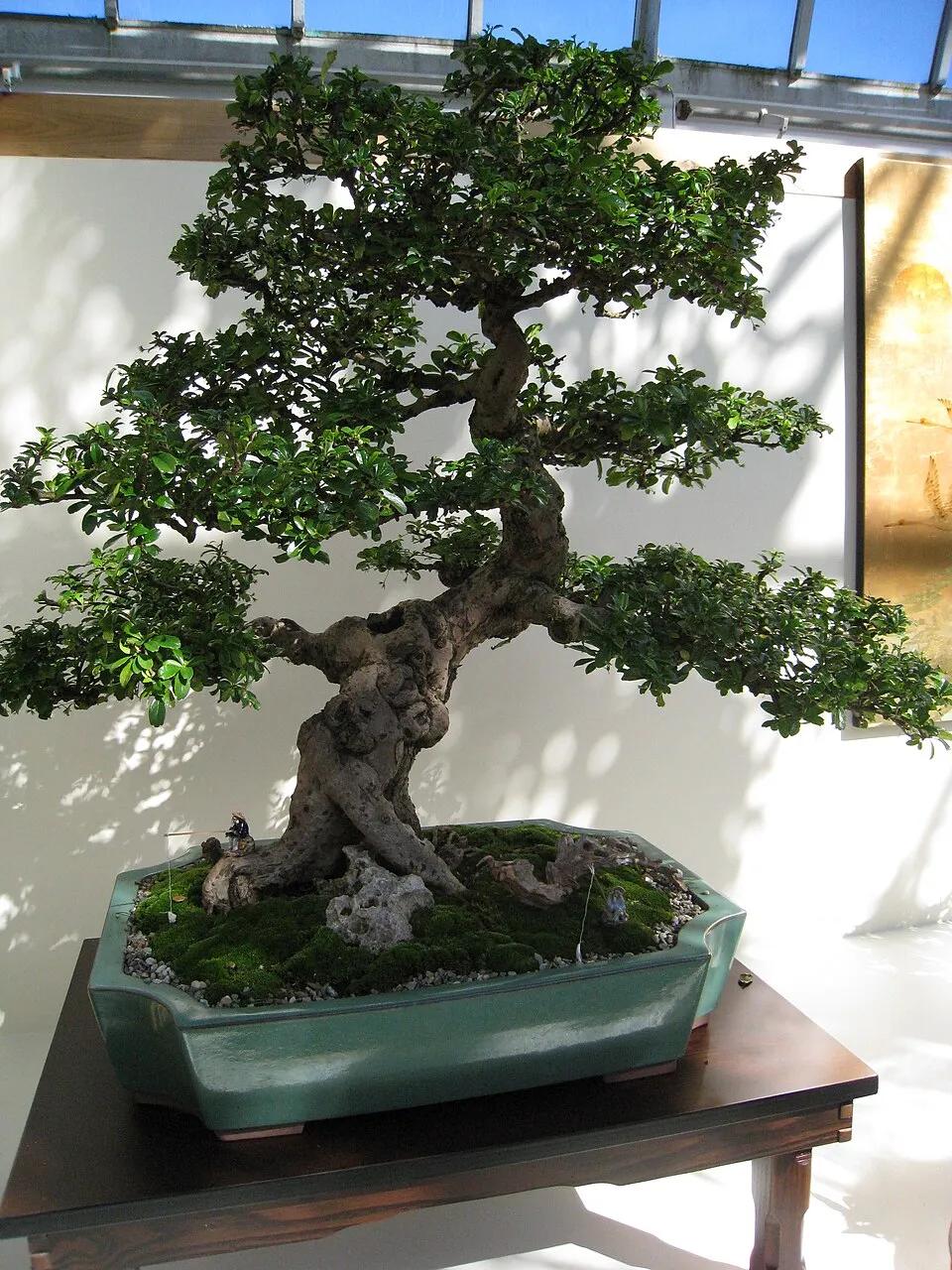
The Fukien Tea Bonsai, scientifically known as Carmona microphylla, is a distinguished member of the Boraginaceae family, renowned for its ornamental and traditional medicinal attributes. This evergreen shrub, typically cultivated to reach heights of 30 to 60 centimeters as a bonsai, can grow up to 3 meters in its native habitat. Its small, glossy, dark green oval leaves, measuring between 2 to 5 centimeters, feature a leathery texture with a notched or dented tip and often display tiny white hairs on their surface.
Throughout the year, Carmona microphylla produces delicate, star-shaped white flowers, approximately 1 centimeter in diameter, which bloom in clusters of two to six. These blossoms are frequently followed by small, round red fruits, about 4 to 6 millimeters across, each containing a stone core with up to four seeds. The bark transitions from a smooth brownish-gray in younger specimens to a more fissured texture as the plant matures, adding to its aesthetic appeal.
Native to the humid, subtropical regions of Southeast Asia, including the Fujian province of China, Japan, Indonesia, Taiwan, and Australia, Fukien Tea thrives in well-drained, acidic soils found in mountainous areas up to 1000 meters above sea level. Its taxonomic classification places it as the sole species within the genus Carmona, closely related to Ehretia within the Ehretioideae subfamily.
The plant's compact stature, robust growth, and decorative qualities make it exceptionally popular among bonsai enthusiasts and as an indoor ornamental plant globally, particularly for Penjing in China.
Trusted Scientific References
1. Authoritative external sources for Carmona microphylla bonsai
1.1 Wikipedia — Carmona microphylla bonsai
1.2 Kew POWO (Plants of the World Online)
1.3 PubMed — peer-reviewed research
1.4 NCBI Taxonomy Browser
1.5 GBIF — Global Biodiversity
1.6Fukien Tea Bonsai should be interpreted through verified botanical identity, practical care, and responsible safety language. This recovery note adds the missing context needed for a complete profile: match light to the plant's habit, use well-drained soil, water according to season, and avoid unsupported medicinal or edible claims. For publishing, the plant can be presented as a source-backed indoor plant with clear care guidance, common problem diagnosis, and conservative safety wording.
1.1.Fukien Tea Bonsai — Highlights
- ✓Botanical Name — Carmona microphylla, belonging to the Boraginaceae family.
- ✓Origin — Native to Southeast Asia, particularly the Fujian province of China.
- ✓Distinctive Foliage — Features small, glossy, dark green oval leaves with a leathery texture.
- ✓Ornamental Value — Highly prized as an indoor bonsai and decorative plant.
- ✓Medicinal History — Traditionally used in TCM for digestive ailments and stress reduction.
- ✓White Flowers — Produces tiny, star-shaped white flowers that can bloom year-round.
- ✓Red Berries — Develops small, round, red fruits after flowering.
- ✓Evergreen Shrub — Retains its foliage throughout the year, offering continuous greenery.
- ✓Adaptable Bonsai — Responds well to pruning and wiring, allowing for various artistic forms.
- ✓Subtropical Nature — Thrives in warm, humid environments, sensitive to cold.
1.2.Fukien Tea Bonsai — In Brief
- ✓Fukien Tea Bonsai (Carmona microphylla) is a popular ornamental and traditional medicinal plant.
- ✓Valued in TCM for its digestive support and calming properties.
- ✓Contains diverse phytochemicals including flavonoids and phenolic acids.
- ✓Requires specific indoor care as a bonsai, thriving in warm, humid conditions with bright light.
- ✓Primarily ornamental but recognized for historical herbal applications in Southeast Asia.
- ✓Caution is advised for medicinal use, especially during pregnancy, lactation, or when on medications.
2.Fukien Tea Bonsai — Nomenclature & Classification
3.Fukien Tea Bonsai — Fact Sheet
4.Fukien Tea Bonsai — Botanical Description
5.Fukien Tea Bonsai — Ecological Habitat
6.Fukien Tea Bonsai — Heritage Uses
7.Fukien Tea Bonsai — Key Phytochemicals
- ✓Flavonoids — Key compounds such as quercetin glycosides and kaempferol derivatives are present, known for their potent antioxidant and anti-inflammatory activities, protecting cells from oxidative damage.
- ✓Phenolic Acids — Includes caffeic acid and chlorogenic acid, which contribute to the plant's antioxidant, antimicrobial, and potentially antidiabetic properties.
- ✓Tannins — These astringent polyphenols are found in the leaves and bark, offering antioxidant effects and contributing to traditional uses for digestive complaints.
- ✓Triterpenoids — Compounds like ursolic acid and oleanolic acid derivatives may be present, potentially conferring anti-inflammatory and hepatoprotective actions.
- ✓Saponins — These glycosides can have diverse biological activities, including immunomodulatory and expectorant effects, though specific types in Carmona require further elucidation.
- ✓Glycosides — Various other glycosidic compounds, beyond flavonoids, contribute to the plant's overall pharmacological profile, influencing diverse cellular processes.
- ✓Alkaloids — While not extensively documented for Carmona microphylla, many plants in the Boraginaceae family contain pyrrolizidine alkaloids; caution is advised as some can be hepatotoxic.
- ✓Volatile Compounds — Though not a primary source of essential oils, the plant may contain trace amounts of volatile organic compounds contributing to its aroma and potentially having mild antimicrobial properties.
8.Fukien Tea Bonsai — Scientific Evidence
- ✓Digestive Support — In Traditional Chinese Medicine (TCM), the leaves of Fukien Tea are traditionally employed to alleviate various digestive system ailments, including indigestion and general stomach discomfort, by promoting gastric harmony.
- ✓Stress Reduction — Dried flowers of Carmona microphylla have been historically prepared as a herbal infusion believed to possess calming properties, aiding in reducing stress levels and promoting mental tranquility.
- ✓Anti-inflammatory Properties — Local folk medicine traditions in regions where Fukien Tea is prevalent suggest that its leaves contain mild anti-inflammatory compounds, which may help soothe minor bodily inflammations.
- ✓Antioxidant Potential — The presence of various phytochemicals, such as flavonoids and phenolic acids, suggests that Carmona microphylla may contribute to antioxidant defense, helping to combat oxidative stress in the body.
- ✓Mild Analgesic Effects — Linked to its traditional anti-inflammatory uses, the plant may offer a gentle analgesic effect for minor aches and pains, though more research is needed.
- ✓General Well-being Enhancement — Regular consumption in traditional contexts is thought to contribute to overall vitality and balance within the body, supporting systemic health.
- ✓Immune System Modulation — Certain plant constituents, like polysaccharides, could potentially interact with the immune system, offering mild modulatory benefits.
8.1.Fukien Tea Bonsai — Health Applications
9.Fukien Tea Bonsai — Cautions & Contraindications
9.1.Fukien Tea Bonsai — Caution Notes
- ✓Allergic Reactions — Sensitive individuals may experience skin irritation, rashes, or respiratory discomfort upon contact or ingestion.
- ✓Gastrointestinal Upset — High doses of Fukien Tea preparations could potentially lead to mild nausea, stomach cramps, or diarrhea in some users.
- ✓Drug Interactions — Due to its bioactive compounds, it may interact with certain medications, particularly anticoagulants, sedatives, or drugs metabolized by the liver.
- ✓Hypotension — There is a theoretical potential for mild blood pressure lowering effects, especially in individuals prone to low blood pressure.
- ✓Sedation — When used for its calming properties, excessive doses might induce drowsiness or impair alertness.
9.2.Fukien Tea Bonsai — Risk Assessment
- ✓Pregnancy and Lactation — Avoid use during pregnancy and breastfeeding due to insufficient safety data and potential unknown effects on the fetus or infant.
- ✓Children — Not recommended for use in children without explicit guidance and supervision from a qualified healthcare professional.
- ✓Pre-existing Conditions — Individuals with chronic health conditions, especially liver, kidney, or cardiovascular diseases, should consult a physician before use.
- ✓Surgery — Discontinue use at least two weeks prior to any scheduled surgery due to potential interactions with anesthesia or effects on blood clotting.
- ✓Allergic Individuals — Exercise caution if there is a known allergy to plants within the Boraginaceae family or other botanical allergens.
- ✓Dosage Adherence — Strictly follow recommended dosages; self-medication with high doses is strongly discouraged due to potential adverse effects.
- ✓Quality Sourcing — Ensure that any plant material used for medicinal purposes is sourced from reputable suppliers to guarantee purity, authenticity, and absence of contaminants.
10.Fukien Tea Bonsai — Usage Guide
- ✓Herbal Infusion — Dried leaves or flowers can be steeped in hot water to create a tea, traditionally consumed for digestive comfort or its calming effects.
- ✓Decoction — A more concentrated extract can be prepared by gently boiling the leaves or bark in water, historically used for stronger medicinal applications.
- ✓Topical Poultice — Fresh, crushed leaves may be traditionally applied directly to the skin as a poultice for localized relief from minor inflammation or irritation.
- ✓Tincture — An alcoholic extract can be made from the leaves and flowers, allowing for a concentrated form for internal administration in measured doses.
- ✓Powdered Form — Dried plant material can be ground into a fine powder, which can then be encapsulated or mixed with other ingredients for consumption.
- ✓Ornamental Cultivation — Primarily, Carmona microphylla is cultivated as a bonsai, appreciating its aesthetic value and potential to enhance indoor air quality.
11.Fukien Tea Bonsai — Cultivation & Care
- ✓Placement — As an indoor bonsai, place it next to a window to ensure ample natural light; can be moved outdoors in very warm, non-frosty climates during summer.
- ✓Temperature — Thrives in stable temperatures around 20°C (70°F); avoid significant temperature drops, especially below 10°C.
- ✓Humidity — Requires high humidity; compensate for dry indoor air (especially in winter) by placing the pot on a tray filled with wet gravel or foamed clay.
- ✓Watering — Water generously when the soil surface begins to dry out; critical to keep moist but avoid constant saturation, which can harm the roots.
- ✓Fertilizing — Use solid organic fertilizer for its sensitive roots from spring to autumn; liquid fertilizers can be applied in carefully measured doses to moist soil.
- ✓Repotting — Repot every two years in early spring, exercising caution with its delicate root system during root pruning.
- ✓Soil — Utilize a well-draining yet moisture-retentive soil mix, such as Akadama blended with humus and pumice, to prevent both drought and excessive wetness.
Reviewed by the Flora Medical Global Botanical Review Panel
Multi-disciplinary editorial group · Botany · Ethnobotany · Herbal-medicine literature
Who reviewed this: This page was checked by the Flora Medical Global Botanical Review Panel — an in-house editorial group of botany graduates, ethnobotany researchers, and horticulture practitioners who collectively maintain our 7,000+ plant encyclopedia. Meet the team.
Our 4-step verification process
1. Taxonomic verification
Scientific names and synonyms cross-checked against Kew POWO, World Flora Online, and The Plant List.
2. Phytochemical & medicinal cross-reference
Active compounds, traditional uses, and reported activities are cross-referenced with PubMed, USDA Dr. Duke's database, and peer-reviewed ethnobotanical literature.
3. Conservation & distribution check
Distribution, ecology, and conservation status confirmed against GBIF occurrence records and the IUCN Red List.
4. Editorial & safety review
Every entry passes an editorial pass for clarity, originality, and safety notices (toxicity, contraindications, dosage caveats) before publication.
Last reviewed:
Important medical disclaimer: This content is for educational and research purposes only. It is not medical advice and is not a substitute for consultation with a licensed healthcare provider. Do not use any herb to self-treat a medical condition without professional guidance.
Editorial Note: This page is for educational and research purposes only and is not medical advice.
Written by: Flora Medical Global Editorial Team
Reviewed by: Flora Medical Global Botanical Review Panel
Last Updated: June 15, 2026





Fukien Tea Bonsai — Comments & Community Reviews
Rate this plant