

Medical Disclaimer: This content is for educational purposes only. It is not medical advice. Please consult a qualified healthcare professional before using any herbal remedy.
Safety Overview
1.Gaillardia Aristata — Overview
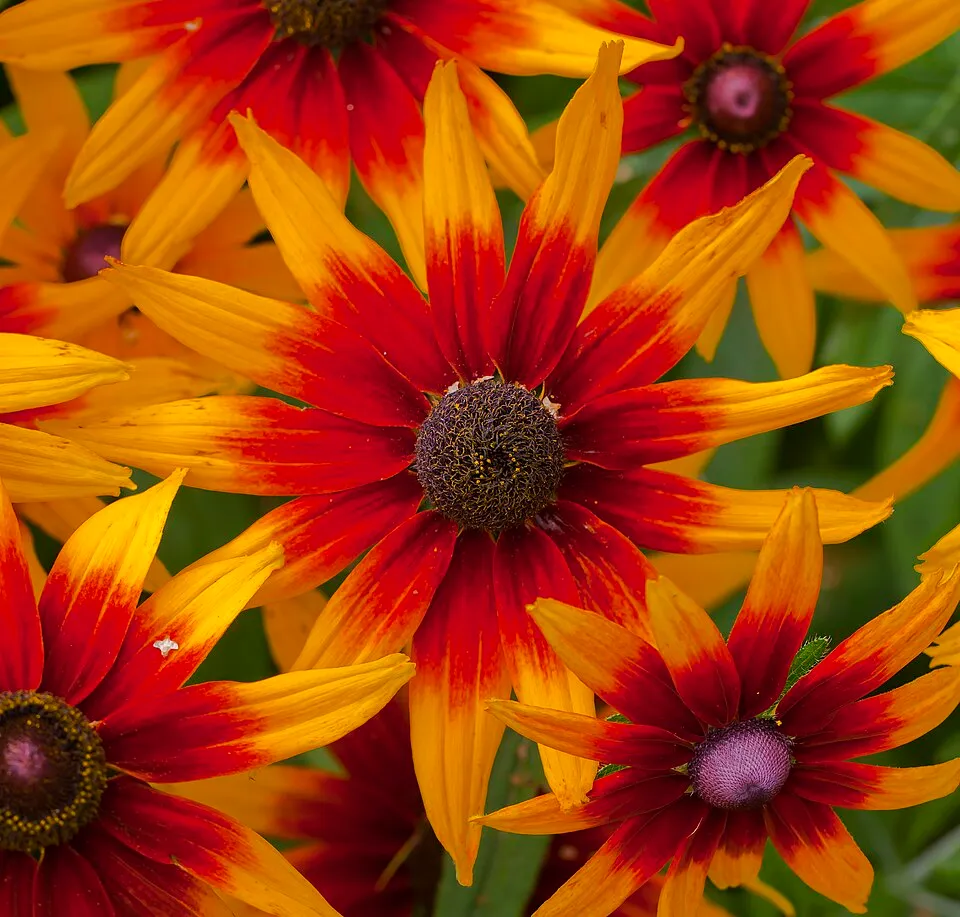
Gaillardia aristata, commonly known as Blanket Flower or Great Blanketflower, is a resilient perennial herbaceous plant belonging to the expansive Asteraceae family. This vibrant species is indigenous to western North America, with its natural range extending from the cool climates of British Columbia down to the warmer regions of California and eastward across the Great Plains. It thrives in open, sun-drenched environments such as prairies, meadows, and dry, well-drained slopes, showcasing its adaptability to diverse conditions and its preference for full sun exposure. Morphologically, Gaillardia aristata establishes a robust basal rosette from which lance-shaped to spatulate leaves emerge.
These leaves are frequently deeply lobed or pinnatifid, and their surface is covered in fine, soft hairs, imparting a distinctive grayish-green hue. The plant typically achieves a height of 30-75 cm (12-30 inches), characterized by erect, branching stems that culminate in its most captivating feature: the daisy-like inflorescence. Each capitulum, or flower head, measures approximately 5-10 cm (2-4 inches) in diameter. The prominent ray florets display a striking bicolor pattern, typically bright yellow or orange at the tips, gradually transitioning to a rich reddish-brown or maroon at their base.
The central disc florets are generally brownish-red, adding to the flower's warm color palette. A distinguishing characteristic of the ray florets is their three-lobed tip, which gives them a unique, somewhat ragged appearance. Gaillardia aristata is remarkably drought-tolerant, owing to its extensive deep taproot system, and flourishes in full sun and well-drained soils. Its hardy nature, combined with a prolonged blooming period from early summer into fall, makes it a highly favored ornamental plant, attracting a multitude of pollinators, including various species of bees and butterflies, and providing a food source for songbirds with its late-season seeds.
Trusted Scientific References
1. Authoritative external sources for Gaillardia Aristata
1.1 Wikipedia — Gaillardia Aristata
1.2 Kew POWO (Plants of the World Online)
1.3 PubMed — peer-reviewed research
1.4 NCBI Taxonomy Browser
1.5 GBIF — Global Biodiversity
1.1.Gaillardia Aristata — Key Features
- ✓North American Native — Indigenous to a wide range across western North America, thriving in diverse open environments.
- ✓Showy, Long — Blooming Flowers — Produces vibrant, daisy-like flowers from late spring through fall, offering extended garden color.
- ✓Drought — Tolerant — Highly adaptable to dry conditions once established, making it ideal for xeriscaping.
- ✓Low Maintenance — Requires minimal care, flourishing in full sun and poor to average well-drained soils.
- ✓Pollinator Magnet — Attracts a variety of beneficial insects, including bees and butterflies, and provides seeds for songbirds.
- ✓Perennial Hardiness — Hardy in USDA Zones 3-10, making it a reliable returner in many climates.
- ✓Traditional Medicinal Use — Historically valued by Native American tribes for its anti-inflammatory and other therapeutic applications.
- ✓Rich Phytochemistry — Contains active compounds such as sesquiterpene lactones, flavonoids, and phenolic acids.
- ✓Deer Resistant — Generally considered deer resistant, though not entirely immune to browsing under severe pressure.
- ✓Garden Versatility — Excellent for borders, rock gardens, containers, and naturalized areas.
1.2.Gaillardia Aristata — Quick Summary
- ✓Gaillardia aristata is a vibrant, drought-tolerant perennial native to North America.
- ✓Known for its striking, long-blooming daisy-like flowers.
- ✓Traditionally used for its anti-inflammatory and wound-healing properties.
- ✓Rich in beneficial phytochemicals like sesquiterpene lactones and flavonoids.
- ✓Attracts essential pollinators such as bees and butterflies to gardens.
- ✓Easy to cultivate in full sun and well-drained soils, requiring minimal care.
2.Gaillardia Aristata — Scientific Profile
3.Gaillardia Aristata — Botanical Stats
4.Gaillardia Aristata — Structural Profile
5.Gaillardia Aristata — Geographic Distribution
6.Gaillardia Aristata — Cultural & Traditional Roles
7.Gaillardia Aristata — Secondary Metabolites
- ✓Sesquiterpene Lactones — Compounds such as gaillardin and related helenanolides are key to Gaillardia aristata's anti-inflammatory and cytotoxic activities, often found throughout the plant.
- ✓Flavonoids — Quercetin, apigenin, and kaempferol derivatives are present, acting as potent antioxidants and contributing to anti-inflammatory and potentially cardioprotective effects.
- ✓Phenolic Acids — Caffeic acid, chlorogenic acid, and ferulic acid are common, providing significant antioxidant and radical-scavenging properties.
- ✓Tannins — These polyphenolic compounds contribute to the plant's astringent properties, useful in traditional wound healing applications and as an antimicrobial agent.
- ✓Volatile Oils — Contains a complex mixture of monoterpenes and sesquiterpenes, which contribute to the plant's aroma and may possess mild antimicrobial or insect-repellent qualities.
- ✓Saponins — While less prominent, some saponins may be present, potentially contributing to expectorant or immune-modulating effects, though further research is needed.
- ✓Carotenoids — Responsible for the vibrant yellow and orange hues of the flowers, these pigments also act as antioxidants and precursors to Vitamin A.
- ✓Polysaccharides — Found in various plant parts, these complex carbohydrates can contribute to immune system modulation and overall plant health.
8.Gaillardia Aristata — Modern Studies
- ✓Anti-inflammatory Properties — Traditionally used to alleviate systemic and localized inflammation, possibly due to the presence of sesquiterpene lactones and flavonoids, which modulate inflammatory pathways.
- ✓Antioxidant Activity — Rich in phenolic compounds and flavonoids, Gaillardia aristata helps neutralize free radicals, protecting cells from oxidative stress and supporting overall cellular health.
- ✓Wound Healing Support — Historically applied topically as a poultice, the plant may aid in minor wound healing through its potential astringent and antiseptic properties, which can help clean and protect affected areas.
- ✓Pain Relief (Analgesic) — In traditional practices, preparations from Blanket Flower were sometimes used to soothe minor aches and discomforts, suggesting a mild analgesic effect.
- ✓Digestive Aid — Some traditional uses hint at its application for minor digestive complaints, potentially due to bitter compounds that can stimulate digestive processes.
- ✓Antimicrobial Potential — Phytochemicals present in Gaillardia aristata may exhibit mild antimicrobial effects, contributing to the plant's traditional use in addressing minor infections.
- ✓Skin Soothing — Topical applications have been employed to calm irritated skin, possibly reducing redness and discomfort from minor rashes or insect bites.
- ✓Immune System Support — Polysaccharides and other compounds within the plant may offer general immune-modulating effects, supporting the body's natural defenses.
- ✓Respiratory Comfort — While not a primary use, some Asteraceae plants are traditionally used for mild respiratory issues, suggesting a possible expectorant or soothing effect for coughs.
- ✓Astringent Action — The presence of tannins can provide an astringent effect, useful in toning tissues and potentially reducing minor bleeding from superficial cuts.
8.1.Gaillardia Aristata — Health Applications
9.Gaillardia Aristata — Precautions & Warnings
9.1.Gaillardia Aristata — Caution Notes
- ✓Skin Irritation — Direct contact with the plant's sap or foliage can cause mild skin irritation or dermatitis in sensitive individuals.
- ✓Allergic Reactions — As a member of the Asteraceae family, Gaillardia aristata may cause allergic reactions, including skin rashes, sneezing, or respiratory symptoms, in individuals sensitive to plants like ragweed or chamomile.
- ✓Gastrointestinal Upset — Ingestion of large quantities of the plant material may lead to mild gastrointestinal discomfort, such as nausea or stomach upset.
- ✓Photosensitivity — While uncommon, some plant compounds can potentially increase skin sensitivity to sunlight, though this is not well-documented for Gaillardia aristata.
- ✓Drug Interactions — The presence of active compounds suggests a potential for interaction with certain medications, particularly those affecting inflammation or blood clotting.
- ✓Pregnancy and Lactation — Due to a lack of sufficient safety data, internal use of Gaillardia aristata is generally advised against during pregnancy and breastfeeding.
9.2.Gaillardia Aristata — Risk Assessment
- ✓Allergic Sensitivity — Individuals with known allergies to plants in the Asteraceae family (e.g., ragweed, daisies, chrysanthemums) should exercise caution, as cross-reactivity may occur.
- ✓Topical Application — A patch test on a small area of skin is recommended before widespread topical use to check for potential skin irritation or allergic reactions.
- ✓Internal Use Caution — Consult a qualified healthcare professional or medical herbalist before internal use, especially if pregnant, breastfeeding, or managing pre-existing health conditions.
- ✓Pregnancy and Lactation — Insufficient scientific data exists regarding the safety of Gaillardia aristata during pregnancy and lactation; therefore, its use should be avoided.
- ✓Children — Use in children should be approached with caution and under professional guidance due to limited safety research.
- ✓Medication Interactions — Potential interactions with blood thinners, immunosuppressants, or other medications are possible due to the plant's active compounds; professional advice is crucial.
- ✓Dosage Adherence — Always adhere to recommended dosages from reputable sources or healthcare providers to minimize the risk of adverse effects.
10.Gaillardia Aristata — Preparation & Dosage
- ✓Herbal Infusion (Tea) — Dried Gaillardia aristata flowers and leaves can be steeped in hot water to create an herbal tea, traditionally used for internal inflammatory conditions or digestive support.
- ✓Decoction — For tougher plant parts like roots or stems, a decoction can be prepared by simmering the material in water, often employed for more potent extraction of certain compounds.
- ✓Tincture — A concentrated liquid extract made by macerating fresh or dried plant material in alcohol, offering a convenient method for internal use and longer shelf life.
- ✓Poultice/Compress — Freshly crushed leaves and flowers can be applied directly to the skin as a poultice or infused into a cloth for a compress, traditionally used for minor wounds, skin irritations, or localized inflammation.
- ✓Salves and Ointments — Infused oil from Gaillardia aristata can be incorporated into salves or ointments for topical application, providing soothing and potentially healing benefits for skin.
- ✓Herbal Bath — Adding a strong infusion or decoction of the plant to bathwater can be used to soothe widespread skin irritations or simply for a relaxing herbal soak.
- ✓Dried Powder/Capsules — Dried and powdered plant material can be encapsulated for convenient internal administration, allowing for precise dosage control.
11.Gaillardia Aristata — Propagation & Care
- ✓Site Selection — Plant Blanket Flower in full sun (at least 6 hours daily) to ensure vigorous growth and abundant blooms, in a location with good air circulation.
- ✓Soil Requirements — Thrives in average, well-draining soil; it is highly tolerant of poor, sandy, or rocky soils and is not particular about soil pH. Avoid heavy clay that retains too much moisture.
- ✓Planting — Plant starts or direct sow seeds outdoors in late spring after the last frost. For earlier blooms, start seeds indoors 4-6 weeks before the average last frost date, transplanting when temperatures are consistently above 50°F (10°C).
- ✓Watering — Keep soil evenly moist until plants are established. Mature Gaillardia aristata is remarkably drought-tolerant, requiring minimal supplemental water, perhaps once or twice a week during prolonged hot, dry periods.
- ✓Fertilization — Blanket Flower requires little to no fertilizer. An annual application of a thin layer of compost around the base of established plants in spring is generally sufficient to provide necessary nutrients.
- ✓Pruning and Deadheading — Deadhead spent flowers regularly to encourage continuous rebloom throughout the growing season. In late summer or fall, leave some seed heads to provide food for birds like goldfinches.
- ✓Winter Care — For perennial varieties, shear clumps back to about 6 inches tall in late summer to improve their chances of winter survival, especially in colder zones.
- ✓Division — To rejuvenate vigor and extend the lifespan of perennial forms, divide established plants every 2 to 3 years in either spring or fall.
Reviewed by the Flora Medical Global Botanical Review Panel
Multi-disciplinary editorial group · Botany · Ethnobotany · Herbal-medicine literature
Who reviewed this: This page was checked by the Flora Medical Global Botanical Review Panel — an in-house editorial group of botany graduates, ethnobotany researchers, and horticulture practitioners who collectively maintain our 7,000+ plant encyclopedia. Meet the team.
Our 4-step verification process
1. Taxonomic verification
Scientific names and synonyms cross-checked against Kew POWO, World Flora Online, and The Plant List.
2. Phytochemical & medicinal cross-reference
Active compounds, traditional uses, and reported activities are cross-referenced with PubMed, USDA Dr. Duke's database, and peer-reviewed ethnobotanical literature.
3. Conservation & distribution check
Distribution, ecology, and conservation status confirmed against GBIF occurrence records and the IUCN Red List.
4. Editorial & safety review
Every entry passes an editorial pass for clarity, originality, and safety notices (toxicity, contraindications, dosage caveats) before publication.
Last reviewed:
Important medical disclaimer: This content is for educational and research purposes only. It is not medical advice and is not a substitute for consultation with a licensed healthcare provider. Do not use any herb to self-treat a medical condition without professional guidance.
Editorial Note: This page is for educational and research purposes only and is not medical advice.
Written by: Flora Medical Global Editorial Team
Reviewed by: Flora Medical Global Botanical Review Panel
Last Updated: June 15, 2026





Gaillardia Aristata — Comments & Community Reviews
Rate this plant