
Medical Disclaimer: This content is for educational purposes only. It is not medical advice. Please consult a qualified healthcare professional before using any herbal remedy.
Safety Overview
1.Gaillardia — Botanical Snapshot
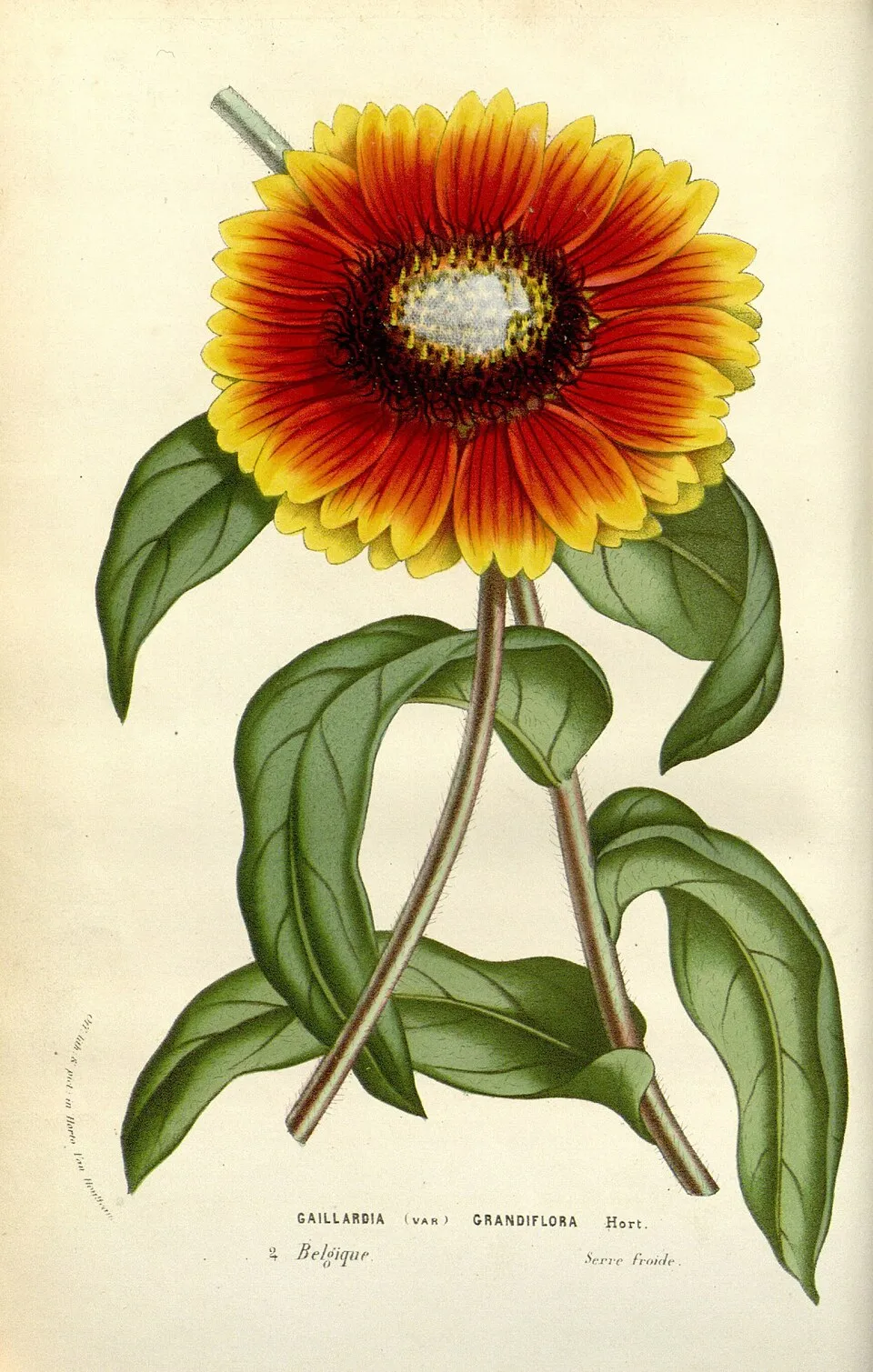
Gaillardia x grandiflora, commonly known as the Blanket Flower, is a captivating perennial herbaceous plant belonging to the expansive Asteraceae family. This hybrid, derived from the perennial Gaillardia aristata and the annual Gaillardia pulchella, is celebrated for its remarkable resilience and vibrant, daisy-like blooms. Native to the North American prairies and open woodlands, it has become a cherished staple in gardens worldwide, admired for its ability to thrive in diverse climatic conditions.
The plant typically exhibits a clumping growth habit, reaching mature heights of 1 to 3 feet with an approximate spread of 2 feet. Its stems and lanceolate to ovate leaves, measuring 2 to 4 inches in length, are densely covered with fine hairs, contributing to its drought tolerance. The most striking feature of Gaillardia x grandiflora is its profusion of flowers, characterized by numerous ray florets that often display a striking bi-coloration—typically shades of orange-red with contrasting yellow edges.
These showy blooms emerge from early summer through early fall, creating a continuous spectacle that attracts a host of pollinators, including bees and butterflies, vital for the plant's reproductive cycle. Gaillardia x grandiflora is particularly favored in xeriscaping and native gardening due to its preference for full sun and well-drained soils, including sandy or loamy types. It is notably resistant to deer and rabbits and can naturalize on coastal dunes, making it an excellent choice for low-maintenance landscapes where it requires minimal water once established.
Trusted Scientific References
1. Authoritative external sources for Gaillardia x grandiflora
1.1 Wikipedia — Gaillardia x grandiflora
1.2 Kew POWO (Plants of the World Online)
1.3 PubMed — peer-reviewed research
1.4 NCBI Taxonomy Browser
1.5 GBIF — Global Biodiversity
1.6Gaillardia should be interpreted through verified botanical identity, practical care, and responsible safety language. This recovery note adds the missing context needed for a complete profile: match light to the plant's habit, use well-drained soil, water according to season, and avoid unsupported medicinal or edible claims. For publishing, the plant can be presented as a source-backed garden plant with clear care guidance, common problem diagnosis, and conservative safety wording.
1.1.Gaillardia — Highlights
- ✓Common Name — Blanket Flower, Indian Blanket.
- ✓Botanical Family — Asteraceae, daisy family.
- ✓Native Range — North America (hybrid of G. aristata and G. pulchella).
- ✓Flower Appearance — Showy, daisy-like composite flowers, often red-orange with yellow tips.
- ✓Bloom Season — Extended period from early summer to early fall.
- ✓Growth Habit — Clumping, short-lived perennial, typically 1-3 feet tall and 2 feet wide.
- ✓Environmental Resilience — Exceptional drought tolerance, deer and rabbit resistant, thrives in full sun.
- ✓Pollinator Attractor — Attracts bees, butterflies, and goldfinches (for seeds).
- ✓Phytochemical Profile — Rich in flavonoids, saponins, and various phenolic compounds.
- ✓Garden Use — Excellent for xeriscaping, cottage gardens, borders, containers, and pollinator gardens.
1.2.Gaillardia — Quick Summary
- ✓Vibrant North American native perennial, Gaillardia x grandiflora, known as Blanket Flower.
- ✓Hybrid admired for its striking bi-colored, daisy-like flowers and long bloom season.
- ✓Highly drought-tolerant, deer-resistant, and low-maintenance, ideal for diverse gardens.
- ✓Contains beneficial phytochemicals like flavonoids, saponins, and phenolic compounds.
- ✓Traditional uses of related Gaillardia species include topical applications for skin issues and minor wounds.
- ✓Limited specific scientific research on the medicinal properties of Gaillardia x grandiflora itself.
2.Gaillardia — Botanical Identity
3.Gaillardia — Fact Sheet
4.Gaillardia — Physical Description
5.Gaillardia — Ecological Habitat
6.Gaillardia — Folk Medicine Applications
7.Gaillardia — Phytochemistry
- ✓Flavonoids — Key compounds such as quercetin, kaempferol, and their glycosides are present, known for their potent antioxidant, anti-inflammatory, and potentially cardioprotective activities.
- ✓Saponins — Triterpenoid and steroidal saponins have been identified, which may contribute to immunomodulatory effects, exhibit anti-inflammatory properties, and potentially influence cholesterol metabolism.
- ✓Phenolic Acids — Includes caffeic acid, chlorogenic acid, and their derivatives, which are powerful antioxidants and contribute significantly to the plant's overall free radical scavenging capacity and anti-inflammatory responses.
- ✓Sesquiterpenes — A class of terpenoids that often contribute to the plant's aroma and may possess antimicrobial, anti-inflammatory, and insecticidal properties.
- ✓Polysaccharides — Complex carbohydrate structures that can play a role in immune system support, gut health, and overall plant defense mechanisms.
- ✓Tannins — Astringent compounds known for their ability to bind to proteins, offering potential benefits in wound healing, antimicrobial action, and reducing inflammation.
- ✓Phytosterols — Compounds like beta-sitosterol, which are structurally similar to cholesterol and may help in regulating cholesterol absorption and possess anti-inflammatory actions.
- ✓Coumarins — Naturally occurring compounds that can exhibit anticoagulant, anti-inflammatory, and antimicrobial activities, contributing to the plant's defensive profile.
- ✓Essential Oils — Volatile compounds, though less documented for this specific hybrid, often contain monoterpenes and sesquiterpenes, which can provide aromatic and mild therapeutic effects.
8.Gaillardia — Pharmacological Findings
- ✓Anti-inflammatory Support — The presence of phenolic compounds and flavonoids in Gaillardia species suggests a potential to modulate inflammatory pathways, offering supportive effects against inflammatory conditions.
- ✓Antioxidant Properties — Rich in various phenolic compounds, Gaillardia x grandiflora may help neutralize harmful free radicals, thereby protecting cells from oxidative stress and supporting overall cellular health.
- ✓Skin Health Enhancement — Traditionally, related Gaillardia species have been used topically for various skin issues, indicating potential soothing and regenerative properties for minor skin irritations.
- ✓Wound Healing Aid — Ethnobotanical records suggest the application of poultices from related species to minor wounds, implying potential antimicrobial and tissue-repairing benefits that could accelerate healing.
- ✓Immunomodulatory Potential — Saponins identified in Gaillardia species may interact with the immune system, potentially modulating its responses and contributing to general immune well-being.
- ✓Antimicrobial Activity — Certain plant compounds, like some flavonoids and terpenoids, often exhibit mild antimicrobial effects, which could provide a protective role against common pathogens.
- ✓Digestive Comfort (Topical) — While not directly for ingestion, some traditional uses of related species indicate external applications for abdominal discomfort, suggesting localized soothing properties.
- ✓General Tonic Support — As a plant rich in various secondary metabolites, it may contribute to overall vitality and well-being through its broad spectrum of phytochemicals, though specific research is limited.
8.1.Gaillardia — Reported Uses
9.Gaillardia — Safety & Side Effects
9.1.Gaillardia — Possible Adverse Reactions
- ✓Allergic Reactions — Individuals with known allergies to plants in the Asteraceae family (e.g., ragweed, marigolds, chamomile) may experience contact dermatitis or other allergic symptoms.
- ✓Gastrointestinal Upset — While rare, consuming large quantities of Gaillardia preparations might lead to mild stomach discomfort, nausea, or diarrhea in sensitive individuals.
- ✓Skin Irritation — Direct topical application of fresh plant material could cause localized skin irritation or redness in very sensitive individuals.
- ✓Photosensitivity — Although not commonly reported, some plant compounds can theoretically increase skin sensitivity to sunlight, especially with prolonged topical exposure to concentrated extracts.
- ✓Drug Interactions — Due to limited research, the potential for interaction with prescription medications, particularly those metabolized by the liver, cannot be entirely ruled out, especially with concentrated internal use.
- ✓Pregnancy and Lactation — Lack of sufficient safety data strongly advises against medicinal use during pregnancy and breastfeeding.
9.2.Gaillardia — Safety Overview
- ✓Consult Healthcare Professional — Always seek advice from a qualified healthcare provider or medical herbalist before using Gaillardia for medicinal purposes, particularly if you have underlying health conditions or are on medication.
- ✓Patch Test for Topical Use — Before extensive topical application, perform a patch test on a small, inconspicuous area of skin to check for any allergic reactions or irritation.
- ✓Adhere to Recommended Dosages — When using any herbal preparation, strictly follow recommended dosages to minimize the risk of adverse effects and ensure safe use.
- ✓Avoid During Pregnancy/Lactation — Due to the absence of conclusive safety data, Gaillardia x grandiflora should be avoided by pregnant and breastfeeding individuals.
- ✓Caution for Asteraceae Allergies — Individuals with known allergies to other plants in the Asteraceae family should exercise extreme caution or avoid Gaillardia preparations altogether.
- ✓Quality Sourcing — Ensure any plant material used for medicinal purposes is obtained from reputable, organic sources to avoid contamination by pesticides or heavy metals.
10.Gaillardia — Usage Guide
- ✓Herbal Infusion (Tea) — Dried aerial parts, particularly flowers and leaves, can be steeped in hot water for 5-10 minutes to create an herbal tea, traditionally used for mild internal support.
- ✓Topical Poultice — Freshly crushed leaves or flowers can be directly applied as a poultice to minor skin irritations, insect bites, or small wounds to soothe and promote healing.
- ✓Tincture Preparation — Macerate dried plant material in high-proof alcohol for several weeks to extract a concentrated liquid extract, which can be taken internally in drops.
- ✓Infused Oil — Gently heat dried flowers and leaves in a carrier oil (e.g., olive, sunflower) for several hours or weeks to create an infused oil, suitable for topical application or salves.
- ✓Salve or Ointment — Combine an infused oil with beeswax to create a topical salve for soothing dry, irritated skin, minor cuts, or abrasions.
- ✓Herbal Compress — Soak a clean cloth in a strong, cooled infusion or decoction of the plant and apply it to the affected area for localized relief from inflammation or discomfort.
- ✓Floral Water (Hydrosol) — For those with distillation equipment, fresh Gaillardia flowers can be distilled to produce a gentle floral water, suitable as a skin toner or refreshing mist.
11.Gaillardia — Cultivation & Care
- ✓Sun Exposure — Requires full sun exposure for at least 6-8 hours daily to ensure robust growth, prolific flowering, and optimal plant health.
- ✓Soil Requirements — Thrives in well-drained soils; tolerates sandy, loamy, and even poor soil conditions. Amend heavy clay soils with organic matter like humus to improve drainage and prevent winter rot.
- ✓Watering — Water regularly during the establishment phase. Once mature, Gaillardia x grandiflora is highly drought-tolerant, requiring minimal supplemental irrigation.
- ✓PH Preference — Adaptable to a wide range of soil pH, but performs best in slightly acidic to neutral conditions, typically between 6.0 and 7.0.
- ✓Planting — Plant in spring after the last frost. Space plants appropriately (1-2 feet apart) to allow for their mature spread and air circulation.
- ✓Maintenance — Deadhead spent flowers consistently to encourage continuous blooming throughout the growing season and to prevent unwanted self-seeding.
- ✓Winter Hardiness — Generally a short-lived perennial; good soil drainage is paramount for its survival through winter, especially in colder climates.
- ✓Pests & Diseases — Generally low susceptibility, but can occasionally be affected by powdery mildew or leaf spot, especially in humid conditions or poor air circulation.
Reviewed by the Flora Medical Global Botanical Review Panel
Multi-disciplinary editorial group · Botany · Ethnobotany · Herbal-medicine literature
Who reviewed this: This page was checked by the Flora Medical Global Botanical Review Panel — an in-house editorial group of botany graduates, ethnobotany researchers, and horticulture practitioners who collectively maintain our 7,000+ plant encyclopedia. Meet the team.
Our 4-step verification process
1. Taxonomic verification
Scientific names and synonyms cross-checked against Kew POWO, World Flora Online, and The Plant List.
2. Phytochemical & medicinal cross-reference
Active compounds, traditional uses, and reported activities are cross-referenced with PubMed, USDA Dr. Duke's database, and peer-reviewed ethnobotanical literature.
3. Conservation & distribution check
Distribution, ecology, and conservation status confirmed against GBIF occurrence records and the IUCN Red List.
4. Editorial & safety review
Every entry passes an editorial pass for clarity, originality, and safety notices (toxicity, contraindications, dosage caveats) before publication.
Last reviewed:
Important medical disclaimer: This content is for educational and research purposes only. It is not medical advice and is not a substitute for consultation with a licensed healthcare provider. Do not use any herb to self-treat a medical condition without professional guidance.
Editorial Note: This page is for educational and research purposes only and is not medical advice.
Written by: Flora Medical Global Editorial Team
Reviewed by: Flora Medical Global Botanical Review Panel
Last Updated: June 15, 2026





Gaillardia — Comments & Community Reviews
Rate this plant