

Medical Disclaimer: This content is for educational purposes only. It is not medical advice. Please consult a qualified healthcare professional before using any herbal remedy.
Safety Overview
1.Galtonia Candicans — Overview
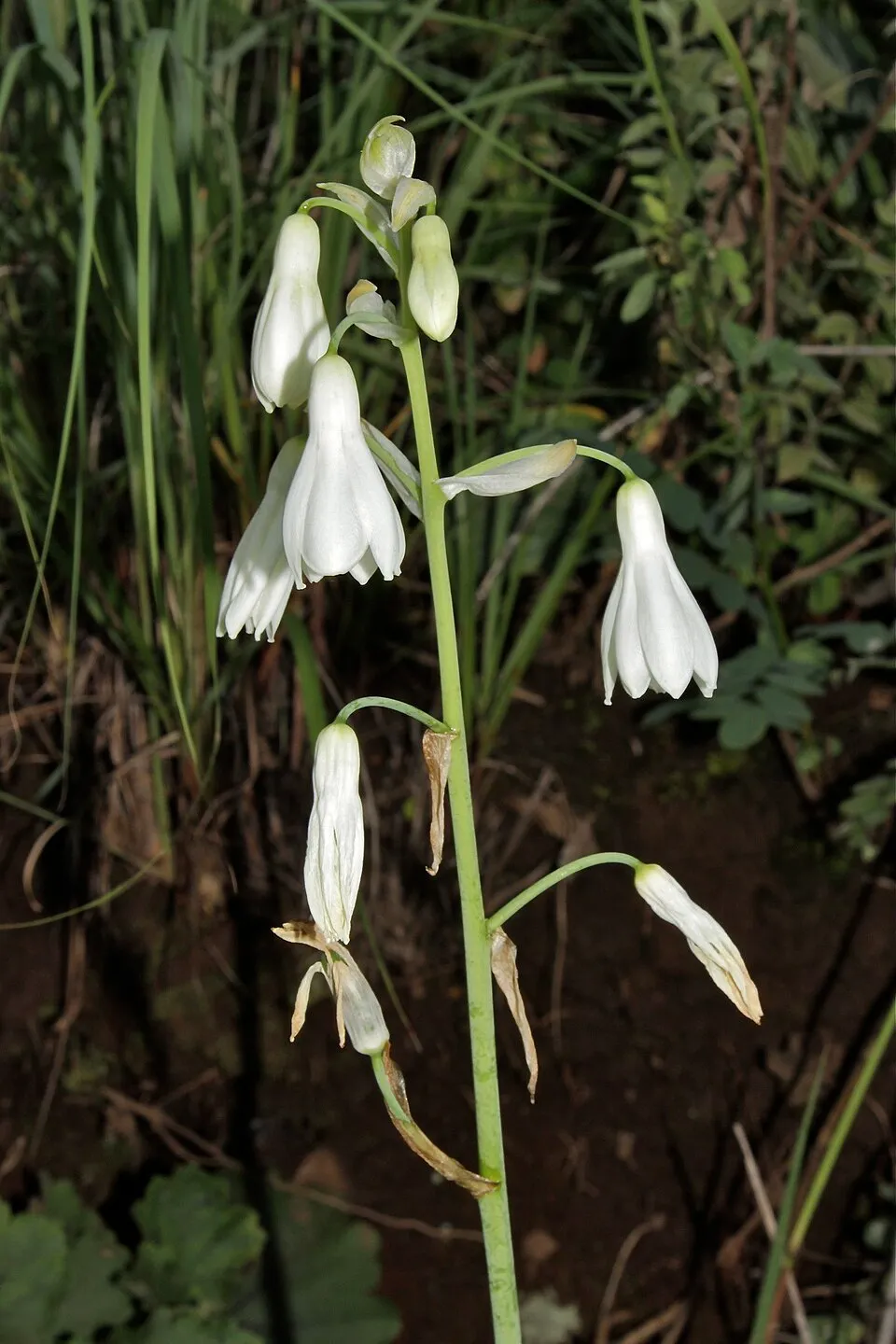
Galtonia Candicans, commonly known as the Summer Hyacinth, Cape Hyacinth, Spire Lily, or Berg Lily, is an elegant bulbous perennial native to the Drakensberg mountains of South Africa. It belongs to the Asparagaceae family, a taxonomic classification that places it among a diverse group of monocotyledonous flowering plants. This striking plant is highly prized in ornamental horticulture for its tall, architectural flower spikes, which can majestically reach heights of up to 1.5 meters (5 feet).
Each spike is adorned with numerous pendulous, bell-shaped, waxy white flowers, often featuring a subtle hint of green at their tips, that bloom profusely from mid-summer through early autumn. These blooms are subtly fragrant, adding another layer of sensory appeal to the garden. Its long-lasting display and impressive vertical form make it an excellent choice for adding dramatic interest to perennial borders, cottage gardens, and for use as elegant cut flowers.
The foliage consists of broad, strap-like, glaucous green leaves that form a robust basal clump, providing a lush and stable backdrop to the impressive floral spectacle. While visually captivating, it is crucial to understand its primary role is ornamental.
Trusted Scientific References
1. Authoritative external sources for Galtonia Candicans
1.1 Wikipedia — Galtonia Candicans
1.2 Kew POWO (Plants of the World Online)
1.3 PubMed — peer-reviewed research
1.4 NCBI Taxonomy Browser
1.5 GBIF — Global Biodiversity
1.6Galtonia Candicans should be interpreted through verified botanical identity, practical care, and responsible safety language. This recovery note adds the missing context needed for a complete profile: match light to the plant's habit, use well-drained soil, water according to season, and avoid unsupported medicinal or edible claims. For publishing, the plant can be presented as a source-backed garden plant with clear care guidance, common problem diagnosis, and conservative safety wording.
1.1.Galtonia Candicans — Standout Qualities
- ✓Botanical Name — Galtonia Candicans
- ✓Common Names — Summer Hyacinth, Cape Hyacinth, Spire Lily, Berg Lily
- ✓Family — Asparagaceae
- ✓Origin — Drakensberg mountains, South Africa
- ✓Growth Habit — Elegant bulbous perennial, reaching up to 1.5 meters tall
- ✓Flowers — Pendulous, bell-shaped, waxy white with green tips, subtly fragrant
- ✓Bloom Time — Profuse flowering from mid-summer to early autumn
- ✓Toxicity — Contains potent cardiac glycosides, making all parts highly toxic if ingested
- ✓Medicinal Use — None; strictly ornamental due to its dangerous chemical constituents
- ✓Garden Value — Excellent for adding vertical interest to borders, cottage gardens, and as a long-lasting cut flower
1.2.Galtonia Candicans — Concise Overview
- ✓Ornamental perennial from South Africa, known for tall, fragrant white flower spikes.
- ✓Contains potent cardiac glycosides; highly poisonous if ingested.
- ✓No documented medicinal benefits or traditional therapeutic uses.
- ✓Primarily cultivated for its striking aesthetic value in gardens and as a cut flower.
- ✓Critical to avoid any internal or external medicinal application due to severe toxicity.
2.Galtonia Candicans — Systematic Position
3.Galtonia Candicans — Botanical Stats
4.Galtonia Candicans — Plant Morphology
5.Galtonia Candicans — Geographic Distribution
6.Galtonia Candicans — Historical Applications
7.Galtonia Candicans — Secondary Metabolites
- ✓Cardiac Glycosides — The predominant toxic compounds, specifically cardenolides and bufadienolides, which interfere with myocardial Na+/K+-ATPase activity, leading to altered electrolyte balance and severe heart rhythm disturbances.
- ✓Cardenolides — A subset of cardiac glycosides present, characterized by a five-membered lactone ring, known for their powerful effects on cardiac muscle and potential to cause life-threatening arrhythmias upon ingestion.
- ✓Bufadienolides — Another significant class of cardiac glycosides, distinguished by a six-membered lactone ring, also contributing substantially to the potent cardiotoxic profile of the plant.
- ✓Steroidal Saponins — While not the primary toxins, these compounds are common in the Asparagaceae family and can cause mild gastrointestinal irritation or foaming if ingested in larger quantities.
- ✓Flavonoids — Generally ubiquitous plant pigments with antioxidant properties, but they are present in trace amounts and are not responsible for the plant's acute toxicity; their role is likely minor.
- ✓Phenolic Acids — Various phenolic compounds are present in plant tissues, contributing to general plant defense but not implicated in the specific acute toxic effects of Galtonia Candicans.
- ✓Volatile Organic Compounds — Responsible for the plant's mild fragrance, these compounds are generally not considered toxic in the context of Galtonia Candicans' overall harmful profile.
- ✓Carbohydrates and Lipids — Basic plant structural and energy storage molecules found throughout the plant, particularly in the bulb, not contributing to its medicinal or toxic properties.
- ✓Amino Acids and Proteins — Essential building blocks for plant growth and metabolic processes, their presence is ubiquitous but unrelated to the plant's specific toxic effects.
8.Galtonia Candicans — What Research Suggests
- ✓Lack of Therapeutic Efficacy — Galtonia Candicans possesses no documented internal or external medicinal benefits, making it unsuitable for any herbal or therapeutic applications.
- ✓High Toxicity Risk — The plant contains potent cardiac glycosides, rendering it highly toxic upon ingestion and unequivocally unsuitable for human or animal consumption.
- ✓Cardiotoxic Potential — Ingesting any part of Galtonia Candicans can lead to severe cardiac arrhythmias, heart palpitations, and potentially fatal cardiac arrest due to its impact on cardiac muscle function.
- ✓Gastrointestinal Distress — Consumption is associated with acute and severe symptoms such as nausea, persistent vomiting, intense abdominal pain, and debilitating diarrhea.
- ✓Neurological Symptoms — In cases of significant exposure, central nervous system effects like dizziness, confusion, profound weakness, and lethargy may manifest.
- ✓Dermatological Irritation — Direct skin contact with the sap or crushed plant parts may cause mild irritation or localized allergic reactions in sensitive individuals.
- ✓Absence of Traditional Use — Unlike many medicinal plants, Galtonia Candicans has no historical or traditional records of safe therapeutic application in any global herbal system, reinforcing its non-medicinal status.
- ✓Veterinary Poisoning Concern — The plant poses a significant poisoning risk to livestock and pets if consumed, leading to similar cardiotoxic and gastrointestinal effects as seen in humans.
- ✓Pharmaceutical Contraindication — Due to its cardiac glycoside content, Galtonia Candicans could dangerously interact with prescribed medications, especially those affecting heart function or blood pressure.
- ✓Public Health Warning — Educational efforts regarding this plant consistently emphasize its ornamental-only status and the critical danger of ingestion to prevent accidental poisoning.
- ✓Ecological Role — Its primary value lies in its ornamental contribution to horticulture and its role in its native ecosystem, serving as a visual delight rather than a medicinal resource.
- ✓Avoidance for Safety — The strongest recommendation for Galtonia Candicans is complete avoidance of any medicinal preparation or consumption due due to its inherent and well-documented toxicity.
8.1.Galtonia Candicans — Conditions Traditionally Used For
9.Galtonia Candicans — Risk Profile
9.1.Galtonia Candicans — Reported Side Effects
- ✓Severe Cardiac Arrhythmias — Ingestion can lead to life-threatening heart rhythm disturbances, including bradycardia (slow heart rate) or tachycardia (rapid heart rate), and potentially cardiac arrest.
- ✓Gastrointestinal Distress — Common and acute symptoms include intense nausea, persistent vomiting, severe abdominal cramps, and debilitating diarrhea, often appearing rapidly after ingestion.
- ✓Dizziness and Weakness — Systemic absorption of the cardiac glycosides can cause profound dizziness, general muscle weakness, and significant lethargy or disorientation.
- ✓Vision Disturbances — Some cardiac glycoside poisonings can manifest as blurred vision, altered color perception (e.g., yellow halos), or other visual anomalies.
- ✓Electrolyte Imbalance — The mechanism of cardiac glycosides can disrupt cellular ion balance, particularly potassium, leading to dangerous electrolyte abnormalities in the body.
- ✓Hypotension — In severe cases of toxicity, a significant and dangerous drop in blood pressure (hypotension) can occur, potentially leading to circulatory collapse and shock.
- ✓Respiratory Depression — While less common, extreme toxicity can potentially affect central nervous system control over respiratory function, leading to depressed breathing.
9.2.Galtonia Candicans — Risk Assessment
- ✓High Toxicity — Galtonia Candicans is classified as a highly toxic plant due to its potent cardiac glycoside content, posing significant health risks if any part is ingested.
- ✓Contraindicated for Internal Use — It is absolutely contraindicated for any form of internal medicinal application, consumption, or inclusion in dietary supplements.
- ✓Keep Out of Reach — It is essential to keep all parts of the plant, especially the bulbs which contain high concentrations of toxins, away from children, pets, and vulnerable individuals.
- ✓Professional Medical Attention — In case of accidental ingestion, seek immediate emergency medical attention; do not attempt self-treatment or induce vomiting without medical guidance.
- ✓Handling Precautions — While less severe, direct skin contact with the sap might cause mild irritation or dermatitis in sensitive individuals; wearing gloves during gardening is advisable.
- ✓No Traditional Safety Data — The complete absence of traditional medicinal use means there is no historical safety data or established dosage for human consumption to draw upon.
- ✓Avoid Cross-Contamination — Ensure gardening tools used for Galtonia Candicans are thoroughly cleaned to prevent accidental transfer of plant residues to edible plants or food preparation areas.
10.Galtonia Candicans — Preparation & Dosage
- ✓No Medicinal Preparations — There are absolutely no safe or recommended methods for preparing Galtonia Candicans for internal or external medicinal use due to its inherent and severe toxicity.
- ✓Avoid Ingestion — Absolutely refrain from consuming any part of the plant, including bulbs, leaves, flowers, or seeds, as ingestion can lead to severe and potentially fatal poisoning.
- ✓Do Not Apply Topically — Direct application of plant extracts, crushed parts, or any sap to the skin is strongly discouraged, as it may cause irritation or systemic absorption of dangerous toxins.
- ✓Not for Teas or Tinctures — Under no circumstances should Galtonia Candicans be used to prepare herbal teas, tinctures, decoctions, infusions, or any other form of internal remedy.
- ✓Ornamental Use Only — The sole recommended 'usage method' for Galtonia Candicans is purely ornamental, appreciating its visual beauty in gardens, landscapes, or as cut flowers.
- ✓Keep Away from Children and Pets — Ensure the plant is inaccessible to young children, curious toddlers, and domestic animals who might accidentally ingest its highly toxic components.
- ✓Handle with Care — When gardening or handling the plant, it is advisable to wear gloves if skin sensitivity is a concern, though direct contact is generally less hazardous than ingestion.
- ✓No Traditional Medicinal Use — Historically, no traditional medicine system has ever utilized Galtonia Candicans for therapeutic purposes, further reinforcing its non-medicinal and dangerous status.
11.Galtonia Candicans — Growth Requirements
- ✓Planting Time — Plant Galtonia Candicans bulbs in spring, after the last expected frost, ensuring the soil has warmed sufficiently for optimal root development and establishment.
- ✓Soil Requirements — Thrives in well-drained, fertile soil enriched with ample organic matter; prefers a pH range from slightly acidic to neutral for vigorous growth and abundant flowering.
- ✓Light Exposure — Requires full sun to partial shade for best flowering performance, with full sun generally promoting more abundant and robust blooms.
- ✓Watering Regime — Maintain consistent moisture levels, especially during dry spells and throughout the active growing and flowering season, but always avoid waterlogging which can lead to bulb rot.
- ✓Winter Care (Cold Climates) — In hardiness zones 6 and below, it is recommended to lift bulbs before the first hard frost and store them in a cool, dry, dark, and frost-free place over winter, replanting in spring.
- ✓Propagation — Can be propagated effectively by sowing fresh seeds in containers in a cold frame when ripe, or by carefully removing offsets from mature bulbs in early spring.
- ✓Spacing and Depth — Plant bulbs approximately 15-20 cm (6-8 inches) deep and 20-30 cm (8-12 inches) apart to allow for proper root expansion, growth, and adequate air circulation.
- ✓Pest and Disease Resistance — Generally robust and considered virtually pest and disease free, making it a relatively low-maintenance and reliable ornamental choice for various garden settings.
Reviewed by the Flora Medical Global Botanical Review Panel
Multi-disciplinary editorial group · Botany · Ethnobotany · Herbal-medicine literature
Who reviewed this: This page was checked by the Flora Medical Global Botanical Review Panel — an in-house editorial group of botany graduates, ethnobotany researchers, and horticulture practitioners who collectively maintain our 7,000+ plant encyclopedia. Meet the team.
Our 4-step verification process
1. Taxonomic verification
Scientific names and synonyms cross-checked against Kew POWO, World Flora Online, and The Plant List.
2. Phytochemical & medicinal cross-reference
Active compounds, traditional uses, and reported activities are cross-referenced with PubMed, USDA Dr. Duke's database, and peer-reviewed ethnobotanical literature.
3. Conservation & distribution check
Distribution, ecology, and conservation status confirmed against GBIF occurrence records and the IUCN Red List.
4. Editorial & safety review
Every entry passes an editorial pass for clarity, originality, and safety notices (toxicity, contraindications, dosage caveats) before publication.
Last reviewed:
Important medical disclaimer: This content is for educational and research purposes only. It is not medical advice and is not a substitute for consultation with a licensed healthcare provider. Do not use any herb to self-treat a medical condition without professional guidance.
Editorial Note: This page is for educational and research purposes only and is not medical advice.
Written by: Flora Medical Global Editorial Team
Reviewed by: Flora Medical Global Botanical Review Panel
Last Updated: June 15, 2026





Galtonia Candicans — Comments & Community Reviews
Rate this plant