

Medical Disclaimer: This content is for educational purposes only. It is not medical advice. Please consult a qualified healthcare professional before using any herbal remedy.
Safety Overview
1.Gardenia Jasminoides — Plant Snapshot
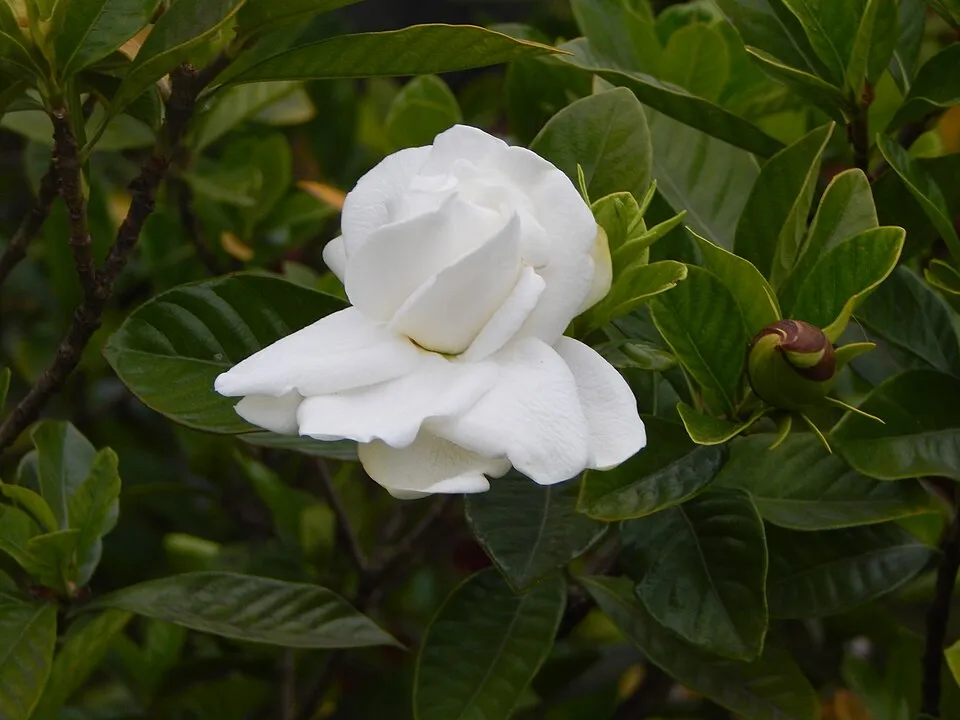
Gardenia jasminoides, commonly known as gardenia or Cape Jasmine, is an exquisite evergreen shrub belonging to the Rubiaceae family. This species is native to the warmer regions of East Asia, including China, Japan, and Vietnam, where it thrives in subtropical and tropical environments. Morphologically, it is characterized by its glossy, dark green, ovate leaves that provide a lush backdrop for its striking flowers.
The blooms are renowned for their intensely fragrant, waxy, pristine white petals, often appearing in late spring and extending through summer. These elegant flowers typically possess a spiral arrangement of petals, which mature to a creamy yellow hue before fading. The plant can reach heights of 1 to 3 meters, forming a dense, bushy habit.
Its fruit, a small, orange-red berry, is also medicinally significant, containing the vibrant crocin pigments. Gardenia jasminoides is widely cultivated globally, prized not only for its ornamental value in gardens and as a houseplant but also for its profound traditional medicinal applications.
Trusted Scientific References
1. Authoritative external sources for Gardenia jasminoides
1.1 Wikipedia — Gardenia jasminoides
1.2 Kew POWO (Plants of the World Online)
1.3 PubMed — peer-reviewed research
1.4 NCBI Taxonomy Browser
1.5 GBIF — Global Biodiversity
1.6Gardenia Jasminoides should be interpreted through verified botanical identity, practical care, and responsible safety language. This recovery note adds the missing context needed for a complete profile: match light to the plant's habit, use well-drained soil, water according to season, and avoid unsupported medicinal or edible claims. For publishing, the plant can be presented as a source-backed indoor plant with clear care guidance, common problem diagnosis, and conservative safety wording.
1.7Gardenia Jasminoides (Gardenia jasminoides) is maintained in this recovery file as a complete indoor profile with practical care, safety, and identification context. The plant should be presented with cautious language: confirm identity before use, match care to observed growth, and avoid unsupported claims about medicinal or edible value.
1.1.Gardenia Jasminoides — Standout Qualities
- ✓Intensely fragrant, waxy — Intensely fragrant, waxy white flowers.
- ✓Glossy, dark green — Glossy, dark green evergreen foliage.
- ✓Native to East — Native to East Asia (China, Japan, Vietnam).
- ✓A staple in — A staple in Traditional Chinese Medicine (TCM).
- ✓Rich in bioactive — Rich in bioactive compounds like geniposide and crocins.
- ✓Exhibits strong anti — inflammatory and antioxidant activities.
- ✓Known for hepatoprotective — Known for hepatoprotective and anxiolytic effects.
- ✓Popular ornamental plant — Popular ornamental plant and houseplant worldwide.
- ✓Requires acidic, well — draining soil and high humidity.
- ✓Medicinal uses primarily — Medicinal uses primarily from the fruit and sometimes flowers/leaves.
1.2.Gardenia Jasminoides — Snapshot Summary
- ✓Gardenia jasminoides is a fragrant evergreen shrub with significant medicinal value.
- ✓Native to East Asia, it is prized for its beautiful flowers and therapeutic fruits.
- ✓Rich in iridoid glycosides (geniposide) and crocins, offering diverse health benefits.
- ✓Historically used in TCM for anti-inflammatory, hepatoprotective, and calming effects.
- ✓Modern research supports its antioxidant, anxiolytic, and neuroprotective properties.
- ✓Requires careful cultivation, especially high humidity and specific light conditions.
- ✓Caution is advised for pregnant individuals, children, and those on certain medications.
2.Gardenia Jasminoides — Scientific Profile
3.Gardenia Jasminoides — Reference Facts
4.Gardenia Jasminoides — Plant Morphology
5.Gardenia Jasminoides — Where It Grows
6.Gardenia Jasminoides — Cultural & Traditional Roles
7.Gardenia Jasminoides — Active Compounds
- ✓Iridoid Glycosides — Key compounds include geniposide, gardenoside, and shanzhiside, primarily responsible for the plant's anti-inflammatory, hepatoprotective, and neuroprotective activities.
- ✓Crocins — These are carotenoid pigments, specifically crocetin esters, found abundantly in the fruit. They are potent antioxidants, contributing significantly to the plant's hepatoprotective and mood-enhancing effects.
- ✓Flavonoids — A diverse group of polyphenolic compounds such as rutin and quercetin, offering strong antioxidant, anti-inflammatory, and cardioprotective benefits.
- ✓Volatile Oils — Responsible for the characteristic intense fragrance of the flowers, these include compounds like linalool, benzyl acetate, and phenylacetaldehyde, which may possess antimicrobial properties.
- ✓Triterpenoids — Compounds like ursolic acid and oleanolic acid are present, known for their anti-inflammatory, hepatoprotective, and potentially anticancer activities.
- ✓Carotenoids — Beyond crocins, other carotenoids are present, serving as precursors for various bioactive compounds and contributing to the plant's overall antioxidant capacity.
- ✓Phenolic Acids — Such as chlorogenic acid and caffeic acid, which contribute to the plant's antioxidant and anti-inflammatory profile.
- ✓Polysaccharides — Complex carbohydrates that may play a role in immune modulation and overall plant health, though their specific medicinal actions are less studied than other constituents.
- ✓Alkaloids — Present in minor amounts; their specific pharmacological contributions are still under investigation.
- ✓Saponins — These glycosides can exhibit emulsifying properties and have been linked to potential immune-modulating and adaptogenic effects in some plant species.
8.Gardenia Jasminoides — Modern Studies
- ✓Anti-inflammatory — Gardenia jasminoides extracts, particularly rich in iridoid glycosides like geniposide, have demonstrated significant anti-inflammatory activity by inhibiting pro-inflammatory cytokines and pathways.
- ✓Antioxidant — The plant's high content of crocins, flavonoids, and phenolic acids provides robust antioxidant protection, neutralizing harmful free radicals and reducing oxidative stress in the body.
- ✓Hepatoprotective — Traditionally used to support liver health, gardenia compounds protect liver cells from damage induced by toxins and inflammation, promoting overall hepatic function.
- ✓Anxiolytic and Sedative — In traditional medicine, it's known to 'calm the spirit.' Modern research suggests geniposide may interact with GABAergic systems, leading to reduced anxiety and promoting relaxation and sleep.
- ✓Antipyretic — Extracts from Gardenia jasminoides have been traditionally employed to reduce fever, likely through modulating thermoregulatory responses and alleviating systemic inflammation.
- ✓Wound Healing — Topical applications of gardenia have been used to accelerate wound healing by reducing inflammation, promoting tissue regeneration, and exhibiting antimicrobial properties.
- ✓Antidiabetic Potential — Preliminary studies indicate that certain gardenia compounds may help regulate blood glucose levels and improve insulin sensitivity, offering potential support for metabolic health.
- ✓Neuroprotective — Geniposide, a key constituent, has shown promise in protecting neuronal cells from damage and reducing neuroinflammation, suggesting benefits for cognitive health and neurodegenerative conditions.
- ✓Antimicrobial — Extracts exhibit inhibitory effects against various bacteria and fungi, contributing to its traditional use in treating infections and supporting immune responses.
- ✓Cardioprotective — By reducing oxidative stress and inflammation, gardenia may contribute to cardiovascular health, potentially aiding in the management of conditions like hypertension and hyperlipidemia.
- ✓Digestive Aid — Traditionally used to address digestive discomfort, gardenia may exert mild carminative effects and support bile flow, aiding in digestion.
- ✓Mood Enhancement — Beyond anxiolytic effects, the plant's compounds may contribute to a balanced mood by influencing neurotransmitter systems, aligning with its 'calming the spirit' reputation.
8.1.Gardenia Jasminoides — Health Applications
9.Gardenia Jasminoides — Precautions & Warnings
9.1.Gardenia Jasminoides — Warnings
- ✓Gastrointestinal Upset — May cause nausea, vomiting, diarrhea, or stomach irritation, especially with high doses or in sensitive individuals.
- ✓Allergic Reactions — Potential for skin rashes, itching, or respiratory symptoms in individuals sensitive to gardenia or its constituents.
- ✓Hypotension — Certain compounds may have a mild blood pressure-lowering effect, warranting caution in individuals with low blood pressure or those on hypotensive medications.
- ✓Sedation — Due to its anxiolytic properties, gardenia can cause drowsiness, particularly when combined with other sedatives or alcohol.
- ✓Photosensitivity — In rare cases, some individuals might experience increased sensitivity to sunlight after consuming gardenia extracts.
- ✓Liver Enzyme Elevation — While generally hepatoprotective, very high doses or prolonged use in susceptible individuals could theoretically lead to liver enzyme abnormalities.
- ✓Discoloration of Urine — The crocin pigments from the fruit can sometimes cause a harmless yellow or orange discoloration of urine.
9.2.Gardenia Jasminoides — Clinical Safety Notes
- ✓Pregnancy and Lactation — Avoid use during pregnancy and lactation due to insufficient safety data and the potential for uterine stimulant effects.
- ✓Children — Use with caution in children; always consult a qualified healthcare professional for appropriate dosing and supervision.
- ✓Pre-existing Conditions — Individuals with bleeding disorders, diabetes, or hypotension should exercise caution and consult a physician before use due to potential interactions.
- ✓Medication Interactions — May interact with anticoagulants (blood thinners), antidiabetic drugs, sedatives, and antihypertensive medications. Consult a doctor if on such treatments.
- ✓Dosage Adherence — Strictly adhere to recommended dosages from a qualified practitioner or product label; excessive or prolonged use is not advised.
- ✓Allergy Monitoring — Discontinue use immediately if any signs of allergic reaction, such as rash, itching, or difficulty breathing, occur.
- ✓Quality Assurance — Ensure that gardenia products are sourced from reputable suppliers to guarantee purity, potency, and freedom from contaminants.
10.Gardenia Jasminoides — Preparation & Dosage
- ✓Decoction — Dried gardenia fruits or flowers are simmered in water for 15-20 minutes, then strained. This preparation is commonly used internally for conditions like fever, inflammation, and liver support.
- ✓Tincture — An alcohol-based extract of gardenia fruits or flowers, prepared by macerating the plant material in a solvent. Tinctures offer a concentrated form for internal administration, typically taken in drops.
- ✓Infusion — Dried gardenia flowers are steeped in hot water for 5-10 minutes to create a fragrant tea, often used for its calming properties or as a gentle topical wash for skin irritations.
- ✓Topical Compress — A cloth soaked in a cooled gardenia decoction or infusion is applied directly to the skin to reduce inflammation, soothe irritation, or aid in wound healing.
- ✓Poultice — Freshly crushed gardenia leaves or flowers can be applied directly to affected skin areas as a poultice, traditionally used for localized inflammation, bruises, or minor skin lesions.
- ✓Capsules/Tablets — Standardized extracts of gardenia, particularly from the fruit, are available in capsule or tablet form for precise dosing and convenient internal use, often targeting liver or digestive health.
- ✓Essential Oil — Steam-distilled from gardenia flowers, the essential oil is primarily used in aromatherapy for its uplifting and calming fragrance, promoting relaxation and reducing stress (not for internal consumption).
- ✓Food and Beverage Additive — The crocin-rich fruits of Gardenia jasminoides are used as a natural yellow food colorant and as a health-promoting ingredient in various traditional dishes and beverages.
11.Gardenia Jasminoides — Growing Guide
- ✓Light — Gardenias thrive in bright, filtered light; they require protection from direct, harsh afternoon sun, especially in warmer climates, to prevent leaf scorch.
- ✓Watering — Consistent and thorough watering is crucial, ensuring the potting mixture is moist but not waterlogged. Allow the top half-inch of soil to dry between waterings, using tepid, lime-free water.
- ✓Temperature — These plants prefer cool temperatures, ideally 18-21°C (65-70°F) during the day and below 18°C (65°F) at night. Stable temperatures of 16-17°C (62-63°F) are optimal for flower bud formation.
- ✓Humidity — High humidity is essential. Provide extra moisture through daily misting (avoiding direct spray on flowers to prevent discoloration) or by placing the pot on a pebble tray filled with water.
- ✓Soil — Gardenias require well-draining, acidic soil with a pH between 5.0 and 6.0. A peat-based potting mix is generally recommended for potted plants to maintain acidity.
- ✓Fertilizing — During the active growing season (March through September), fertilize every two weeks with a dilute, acid-loving plant fertilizer that includes iron to prevent chlorosis.
- ✓Pruning — Prune immediately after flowering to encourage new growth, branching, and a compact shape. Remove faded flowers just below the leaf node to promote continuous blooming.
- ✓Propagation — Propagate in early spring using 3-inch stem cuttings taken just below a leaf node. Dip cuttings in rooting hormone, plant in a peat-based mix, and maintain high humidity under bright, filtered light.
Reviewed by the Flora Medical Global Botanical Review Panel
Multi-disciplinary editorial group · Botany · Ethnobotany · Herbal-medicine literature
Who reviewed this: This page was checked by the Flora Medical Global Botanical Review Panel — an in-house editorial group of botany graduates, ethnobotany researchers, and horticulture practitioners who collectively maintain our 7,000+ plant encyclopedia. Meet the team.
Our 4-step verification process
1. Taxonomic verification
Scientific names and synonyms cross-checked against Kew POWO, World Flora Online, and The Plant List.
2. Phytochemical & medicinal cross-reference
Active compounds, traditional uses, and reported activities are cross-referenced with PubMed, USDA Dr. Duke's database, and peer-reviewed ethnobotanical literature.
3. Conservation & distribution check
Distribution, ecology, and conservation status confirmed against GBIF occurrence records and the IUCN Red List.
4. Editorial & safety review
Every entry passes an editorial pass for clarity, originality, and safety notices (toxicity, contraindications, dosage caveats) before publication.
Last reviewed:
Important medical disclaimer: This content is for educational and research purposes only. It is not medical advice and is not a substitute for consultation with a licensed healthcare provider. Do not use any herb to self-treat a medical condition without professional guidance.
Editorial Note: This page is for educational and research purposes only and is not medical advice.
Written by: Flora Medical Global Editorial Team
Reviewed by: Flora Medical Global Botanical Review Panel
Last Updated: June 15, 2026





Gardenia Jasminoides — Comments & Community Reviews
Rate this plant