

Medical Disclaimer: This content is for educational purposes only. It is not medical advice. Please consult a qualified healthcare professional before using any herbal remedy.
Safety Overview
1.Gentiana Acaulis — Plant Snapshot
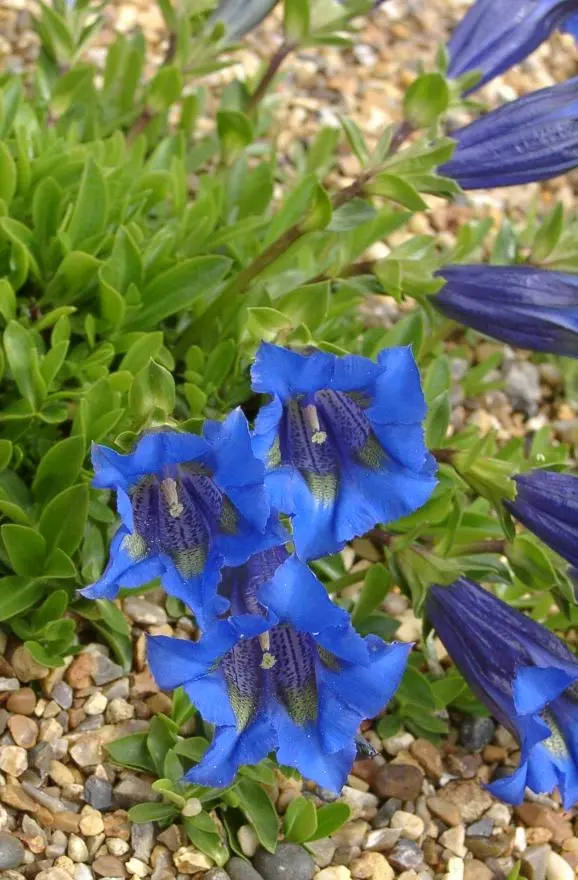
Gentiana acaulis, commonly known as Trumpet Gentian or Stemless Gentian, is a striking perennial herb celebrated for its intensely azure, trumpet-shaped flowers. Belonging to the family Gentianaceae, it is indigenous to the mountainous regions of central and southern Europe, thriving in alpine and subalpine meadows, rocky crevices, and calcareous soils across the Alps, Carpathians, and Pyrenees. This low-growing plant forms dense rosettes of basal leaves, which are typically glossy, elliptical to spatulate, and deep green, providing an evergreen mat.
The most remarkable feature is its large, solitary, upward-facing flowers, which emerge directly from the center of the leafy rosette on extremely short stalks, giving the impression of being stemless – hence its specific epithet 'acaulis'. Each flower displays a vibrant, deep blue hue, often adorned with distinctive greenish spots or stripes inside the corolla. The corolla itself is characterized by its five fused petals forming a funnel or trumpet shape.
Gentiana acaulis is highly valued in rock gardens, alpine troughs, and as a specimen plant due to its dramatic floral display and its ability to withstand harsh environmental conditions, symbolizing resilience and beauty in high-altitude landscapes. Its slow growth rate and specific soil requirements, particularly a preference for cool, moist, well-drained conditions with consistent alkalinity, necessitate careful cultivation to achieve optimal blooming.
Trusted Scientific References
1. Authoritative external sources for Gentiana acaulis
1.1 Wikipedia — Gentiana acaulis
1.2 Kew POWO (Plants of the World Online)
1.3 PubMed — peer-reviewed research
1.4 NCBI Taxonomy Browser
1.5 GBIF — Global Biodiversity
1.6Gentiana Acaulis should be interpreted through verified botanical identity, practical care, and responsible safety language. This recovery note adds the missing context needed for a complete profile: match light to the plant's habit, use well-drained soil, water according to season, and avoid unsupported medicinal or edible claims. For publishing, the plant can be presented as a source-backed garden plant with clear care guidance, common problem diagnosis, and conservative safety wording.
1.1.Gentiana Acaulis — Standout Qualities
- ✓Botanical Name — Gentiana acaulis.
- ✓Common Names — Stemless Gentian, Trumpet Gentian, Large-Flowered Gentian.
- ✓Family — Gentianaceae.
- ✓Native Region — Central and Southern European mountains (Alps, Pyrenees, Carpathians).
- ✓Flower Color — Intense, deep azure blue, often with green spots inside.
- ✓Primary Medicinal Use — Potent digestive tonic and bitter agent.
- ✓Key Constituents — Secoiridoid glycosides (e.g., amarogentin, gentiopicroside).
- ✓Growth Habit — Low-growing, mat-forming, evergreen perennial.
- ✓Soil Preference — Moist, well-drained, humus-rich, alkaline to neutral.
- ✓Hardiness Zones — USDA 3-7; prefers cool-summer climates.
1.2.Gentiana Acaulis — At-a-Glance Summary
- ✓Alpine perennial with striking blue trumpet flowers.
- ✓Renowned for potent bitter principles stimulating digestion.
- ✓Traditionally used for appetite, liver support, and as a tonic.
- ✓Rich in secoiridoid glycosides (amarogentin, gentiopicroside).
- ✓Requires cool, moist, well-drained, alkaline soils in cultivation.
- ✓Contraindicated in pregnancy, lactation, active ulcers, and gallstones.
2.Gentiana Acaulis — Scientific Profile
3.Gentiana Acaulis — Reference Facts
4.Gentiana Acaulis — Plant Morphology
5.Gentiana Acaulis — Habitat & Distribution
6.Gentiana Acaulis — Ethnobotanical Uses
7.Gentiana Acaulis — Secondary Metabolites
- ✓Secoiridoid Glycosides — Gentiopicroside (also known as gentiopicrin), amarogentin, swertiamarin, and sweroside are the primary bitter principles responsible for the plant's potent digestive stimulant, choleretic, and anti-inflammatory effects.
- ✓Xanthones — Compounds such as gentisin, isogentisin, and gentioside contribute to the plant's antioxidant, anti-inflammatory, and potentially hepatoprotective activities.
- ✓Flavonoids — Derivatives of quercetin and kaempferol are present, providing additional antioxidant and anti-inflammatory support, which helps protect cellular integrity from oxidative stress.
- ✓Alkaloids — While less prominent than in other Gentiana species, traces of gentianine and gentianidine may be found, though their specific pharmacological roles in Gentiana acaulis are not well-defined.
- ✓Phenolic Acids — Caffeic acid, ferulic acid, and their related derivatives contribute to the plant's antioxidant and mild antimicrobial properties, supporting overall plant defense.
- ✓Triterpenes — Compounds like oleanolic acid and ursolic acid are known for their anti-inflammatory and potential hepatoprotective effects, contributing to the plant's therapeutic profile.
- ✓Sugars — Gentiobiose, sucrose, and fructose are present as natural carbohydrates, important for the plant's metabolism but not directly medicinally active.
- ✓Volatile Oils — Present in small quantities, these contribute subtly to the plant's aroma and may possess minor antimicrobial or carminative effects, aiding digestion.
- ✓Polysaccharides — Structural components that may also have immunomodulatory properties, though their specific contributions to the medicinal profile of Gentiana acaulis are less explored.
8.Gentiana Acaulis — Research Insights
- ✓Digestive Stimulant — Bitter compounds like gentiopicroside and amarogentin activate taste receptors, triggering a cascade of digestive reflexes, including increased saliva and gastric acid production.
- ✓Appetite Enhancement — By stimulating gastric acid and enzyme secretion, Stemless Gentian can significantly improve appetite, particularly in individuals experiencing dyspepsia or anorexia nervosa.
- ✓Bile Flow Promotion — Supports liver function by promoting choleretic (bile production) and cholagogue (bile release) actions, aiding fat digestion and the body's natural detoxification processes.
- ✓Antispasmodic Properties — May help alleviate spasms and cramping in the gastrointestinal tract, reducing discomfort associated with indigestion and irritable bowel syndrome.
- ✓Anti-inflammatory Effects — Some traditional uses and preliminary research suggest that compounds within Gentiana acaulis may modulate inflammatory pathways, contributing to overall gut health.
- ✓Febrifuge Action — Historically used in European folk medicine to reduce fever, possibly due to its general tonic effects and ability to support the body's natural healing responses.
- ✓General Tonic — Considered a strengthening tonic, enhancing overall vitality, aiding recovery from illness, and combating general debility, especially in traditional European herbal practices.
- ✓Liver Support — Beyond bile flow, the plant may protect liver cells from oxidative damage and aid in regeneration, although more targeted research on G. acaulis is needed.
- ✓Blood Sugar Regulation — While not a primary use, some Gentiana species have shown potential in balancing blood glucose levels, a property that warrants further investigation for Gentiana acaulis.
- ✓Anthelmintic Potential — Traditional texts mention its use against intestinal parasites, likely owing to the strong bitter compounds that create an unfavorable environment for worms.
- ✓Antioxidant Activity — The presence of phenolic compounds, xanthones, and other secondary metabolites contributes to cellular protection against oxidative stress and free radical damage.
8.1.Gentiana Acaulis — Reported Uses
9.Gentiana Acaulis — Risk Profile
9.1.Gentiana Acaulis — Reported Side Effects
- ✓Gastrointestinal Upset — High doses or prolonged use can cause stomach irritation, nausea, vomiting, or diarrhea due to its intense bitterness and strong gastric stimulant effect.
- ✓Heartburn/Acid Reflux — May exacerbate symptoms in individuals prone to hyperacidity, gastritis, or gastroesophageal reflux disease (GERD) by stimulating increased gastric acid secretion.
- ✓Allergic Reactions — While rare, sensitive individuals may experience allergic responses, including skin rashes, itching, or, in severe cases, respiratory symptoms.
- ✓Blood Pressure Changes — Theoretically, very high doses might influence blood pressure due to systemic effects, though not commonly reported with typical herbal use.
- ✓Headaches — Some individuals have reported mild headaches or a feeling of pressure, possibly an individual sensitivity to its strong pharmacological action.
- ✓Dizziness — Infrequent reports of dizziness or lightheadedness, particularly with initial consumption or when exceeding recommended dosages.
9.2.Gentiana Acaulis — Toxicity Assessment
- ✓Pregnancy and Lactation — Avoid use during pregnancy and breastfeeding due to insufficient safety data and potential uterine stimulation or unknown effects on infants.
- ✓Gastric Ulcers — Contraindicated in individuals with active gastric or duodenal ulcers, gastritis, or inflammatory bowel conditions, as it can aggravate symptoms by increasing stomach acid.
- ✓Gallstones — Use with extreme caution in individuals with gallstones or bile duct obstruction, as stimulating bile flow could potentially trigger colic or complications.
- ✓Hypersensitivity — Individuals with known allergies or sensitivities to plants in the Gentianaceae family should avoid the use of Gentiana acaulis.
- ✓Drug Interactions — May interact with medications for blood pressure, diabetes, or antacids; consult a healthcare professional before use, especially if on prescription drugs.
- ✓Children — Not recommended for infants and young children due to its potent bitter taste and the lack of specific pediatric safety and dosing data.
- ✓Dosage — Adhere strictly to recommended dosages provided by a qualified herbalist or product manufacturer, as excessive consumption can lead to adverse effects.
10.Gentiana Acaulis — Application Forms
- ✓Herbal Tincture — Dried root or entire aerial plant steeped in an alcohol solution (e.g., 1:5 ratio in 45-60% ethanol) to create a potent extract, typically taken in small doses (1-2 ml) before meals to stimulate digestion.
- ✓Decoction — Dried root simmered in water for 10-15 minutes, then strained and consumed warm as a bitter tonic for various digestive complaints, often taken 30 minutes before food.
- ✓Infusion (for aerial parts) — Fresh or dried leaves and flowers can be steeped in hot water for 5-10 minutes, though the root is generally preferred for its higher concentration of bitter principles.
- ✓Powdered Herb — Dried and finely ground plant material can be encapsulated or mixed with a small amount of water, offering a concentrated dose of its bitter compounds.
- ✓Bitter Aperitif — Macerated in wine or spirits, Gentiana acaulis contributes to traditional European bitter liqueurs, consumed before meals to prepare the digestive system.
- ✓Homeopathic Preparations — Used in highly diluted forms by homeopathic practitioners for a range of digestive imbalances and general debility, following specific preparation guidelines.
- ✓Traditional Food Additive — In some alpine regions, small amounts of Gentiana species have been historically used as a bitter flavoring in certain traditional foods or beverages.
11.Gentiana Acaulis — Growing Guide
- ✓Climate Preference — Thrives best in cool-summer climates, ideally mimicking alpine or subalpine conditions, and benefits from afternoon shade in hotter summer regions.
- ✓Soil Requirements — Prefers moist, well-drained, humus-rich, and consistently alkaline to neutral soils; heavy, waterlogged conditions must be avoided to prevent root rot.
- ✓Light Exposure — Best positioned in full sun to partial shade; adequate sunlight encourages prolific blooming, while afternoon shade protects foliage in intense heat.
- ✓Watering — Requires consistent moisture, particularly during dry spells, but critical to ensure excellent drainage to prevent crown and root diseases.
- ✓Propagation — Can be propagated effectively by fresh seed (which typically requires a period of cold stratification to break dormancy) or by careful division of established offsets in early spring.
- ✓Maintenance — Considered low maintenance once established, but benefits from a protective top dressing of grit or gravel around the crown to deter slugs and snails and maintain dryness.
- ✓Pests and Diseases — Monitor for common garden pests such as slugs, snails, and aphids; root rot is the primary disease concern, often linked to poor drainage or excessive moisture.
Reviewed by the Flora Medical Global Botanical Review Panel
Multi-disciplinary editorial group · Botany · Ethnobotany · Herbal-medicine literature
Who reviewed this: This page was checked by the Flora Medical Global Botanical Review Panel — an in-house editorial group of botany graduates, ethnobotany researchers, and horticulture practitioners who collectively maintain our 7,000+ plant encyclopedia. Meet the team.
Our 4-step verification process
1. Taxonomic verification
Scientific names and synonyms cross-checked against Kew POWO, World Flora Online, and The Plant List.
2. Phytochemical & medicinal cross-reference
Active compounds, traditional uses, and reported activities are cross-referenced with PubMed, USDA Dr. Duke's database, and peer-reviewed ethnobotanical literature.
3. Conservation & distribution check
Distribution, ecology, and conservation status confirmed against GBIF occurrence records and the IUCN Red List.
4. Editorial & safety review
Every entry passes an editorial pass for clarity, originality, and safety notices (toxicity, contraindications, dosage caveats) before publication.
Last reviewed:
Important medical disclaimer: This content is for educational and research purposes only. It is not medical advice and is not a substitute for consultation with a licensed healthcare provider. Do not use any herb to self-treat a medical condition without professional guidance.
Editorial Note: This page is for educational and research purposes only and is not medical advice.
Written by: Flora Medical Global Editorial Team
Reviewed by: Flora Medical Global Botanical Review Panel
Last Updated: June 15, 2026





Gentiana Acaulis — Comments & Community Reviews
Rate this plant