
Medical Disclaimer: This content is for educational purposes only. It is not medical advice. Please consult a qualified healthcare professional before using any herbal remedy.
Safety Overview
1.Rozanne Geranium — At a Glance
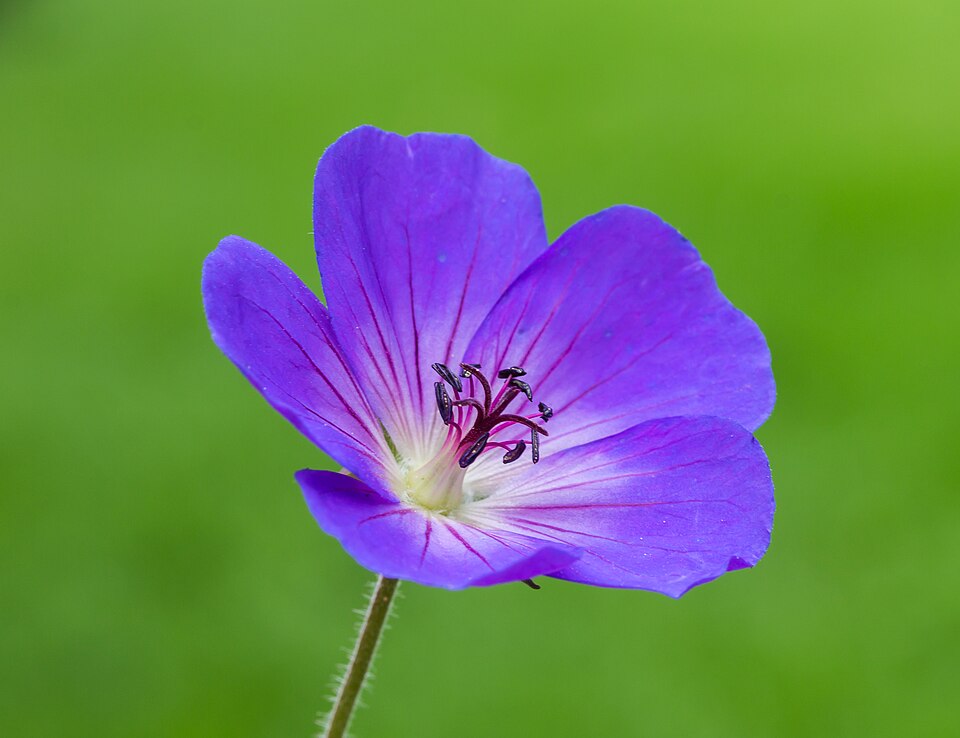
Geranium 'Rozanne', scientifically known as Geranium Rozanne, is a distinguished, award-winning herbaceous perennial celebrated globally for its exceptional ornamental value. This hybrid cultivar is believed to be a cross between Geranium himalayense and Geranium wallichianum, inheriting robust vigor and an extraordinarily long flowering season. Morphologically, it presents large, captivating violet-blue flowers, typically 5-7 cm in diameter, adorned with prominent dark purple veining radiating from a striking white or near-white center.
The petals often exhibit a delicate, crinkled texture, enhancing their visual appeal. Its deeply lobed, palmate foliage forms a lush, spreading mound, providing excellent groundcover or a beautiful cascading effect in containers and over walls. The leaves maintain a rich green color through summer, often developing attractive reddish or bronze tints as autumn progresses, adding seasonal interest.
Geranium 'Rozanne' is primarily cultivated in temperate gardens worldwide, thriving in a range of conditions from full sun to partial shade. Its vigorous, spreading habit can reach up to 60 cm (24 inches) or more in spread while maintaining a height of 30-40 cm (12-16 inches). This plant is a cornerstone for continuous garden color from late spring until the first hard frost, making it a highly valued addition to borders, rock gardens, and mixed perennial plantings.
Trusted Scientific References
1. Authoritative external sources for Geranium Rozanne
1.1 Wikipedia — Geranium Rozanne
1.2 Kew POWO (Plants of the World Online)
1.3 PubMed — peer-reviewed research
1.4 NCBI Taxonomy Browser
1.5 GBIF — Global Biodiversity
1.6Rozanne Geranium should be interpreted through verified botanical identity, practical care, and responsible safety language. This recovery note adds the missing context needed for a complete profile: match light to the plant's habit, use well-drained soil, water according to season, and avoid unsupported medicinal or edible claims. For publishing, the plant can be presented as a source-backed garden plant with clear care guidance, common problem diagnosis, and conservative safety wording.
1.1.Rozanne Geranium — Notable Characteristics
- ✓Scientific Name — Geranium Rozanne
- ✓Common Names — Rozanne Geranium, Cranesbill
- ✓Family — Geraniaceae
- ✓Plant Type — Herbaceous Perennial
- ✓Flower Color — Vibrant violet-blue with white center and dark veining
- ✓Bloom Time — Exceptionally long, from late spring through first frost
- ✓Growth Habit — Spreading, mounding, vigorous; typically 30-40 cm high, 60+ cm spread
- ✓Hardiness Zones — USDA 3-8 (or 3-9)
- ✓Primary Use — Ornamental garden plant, groundcover, border plant, container plant
- ✓Notable Trait — Award-winning for its continuous flowering and robust performance
1.2.Rozanne Geranium — Snapshot Summary
- ✓Geranium 'Rozanne' is an award-winning, vigorous herbaceous perennial.
- ✓Features stunning violet-blue flowers with white centers and a remarkably long bloom season.
- ✓Primarily cultivated as an ornamental plant, ideal for groundcover, borders, and containers.
- ✓While the Geranium genus has traditional medicinal uses, 'Rozanne' itself is not typically used medicinally.
- ✓Contains tannins, flavonoids, and phenolic acids, contributing to generic genus benefits like antioxidant activity.
- ✓Requires well-drained soil, full sun to partial shade, and is relatively drought-tolerant once established.
2.Rozanne Geranium — Nomenclature & Classification
3.Rozanne Geranium — Fact Sheet
4.Rozanne Geranium — Physical Description
5.Rozanne Geranium — Ecological Habitat
6.Rozanne Geranium — Heritage Uses
7.Rozanne Geranium — Chemical Profile
- ✓Tannins — Predominantly ellagitannins and gallotannins, such as geraniin, which are responsible for the plant's astringent, antioxidant, and potential anti-inflammatory properties.
- ✓Flavonoids — Including quercetin glycosides and anthocyanins, these compounds contribute to the plant's vibrant flower coloration and possess significant antioxidant and anti-inflammatory activities.
- ✓Phenolic Acids — Such as gallic acid and caffeic acid derivatives, which are potent antioxidants and contribute to the plant's defense mechanisms and potential health benefits.
- ✓Essential Oils — While less prominent in Geranium 'Rozanne' than in fragrant Pelargoniums, the genus can contain monoterpenoids like geraniol and citronellol, offering aromatic and mild antimicrobial properties.
- ✓Triterpenes — Including various sterols and saponins, which can have anti-inflammatory, adaptogenic, and protective effects on plant cells.
- ✓Coumarins — A class of phytochemicals known for their potential anticoagulant, anti-inflammatory, and antimicrobial activities, though typically in lower concentrations.
- ✓Anthocyanins — Water-soluble pigments responsible for the violet-blue hue of the flowers and autumnal leaf coloration, also acting as antioxidants.
- ✓Volatile Organic Compounds — A diverse group of compounds contributing to the plant's scent profile and potentially playing roles in plant-insect interactions and defense.
- ✓Carotenoids — Pigments present in leaves and flowers, contributing to yellow/orange hues (though less prominent in 'Rozanne's' blue flowers) and acting as antioxidants.
8.Rozanne Geranium — Scientific Evidence
- ✓Ornamental Value — Primarily cultivated for its aesthetic appeal, providing extended garden color and visual interest as a groundcover or border plant.
- ✓Astringent Properties (from genus) — Extracts from related Geranium species have been traditionally used topically to tighten tissues and help with minor skin irritations and superficial wounds, attributed to high tannin content.
- ✓Anti-inflammatory Support (from genus) — Compounds like flavonoids and phenolic acids found in the Geranium genus may offer anti-inflammatory effects, traditionally applied to soothe various inflammatory conditions.
- ✓Antioxidant Activity (from genus) — The presence of flavonoids and phenolic acids in the genus contributes to antioxidant properties, helping to neutralize free radicals and protect cells from oxidative damage.
- ✓Antimicrobial Potential (from genus) — Certain Geranium species have demonstrated in vitro antimicrobial activity against some bacteria and fungi, suggesting potential for minor infection management.
- ✓Gastrointestinal Relief (from genus) — Traditional practices utilized preparations from related Geraniums to alleviate digestive discomfort, reduce inflammation in the gut, and manage mild diarrhea due to their astringent nature.
- ✓Soothing and Calming Effects (from genus) — Folkloric accounts suggest some Geranium species were used for their calming properties, potentially aiding in relaxation and mild nervous tension.
- ✓Skin Healing (from genus) — Due to a combination of astringent and antiseptic qualities, traditional applications included supporting the healing of minor cuts, scrapes, and skin lesions.
- ✓Oral Health (from genus) — The astringent nature of some Geranium species was historically employed in mouthwashes for gum health and to alleviate minor oral inflammations.
8.1.Rozanne Geranium — Therapeutic Indications
9.Rozanne Geranium — Safety Considerations
9.1.Rozanne Geranium — Caution Notes
- ✓Skin Irritation — Direct contact with plant sap or topical application of extracts from the Geranium genus can cause contact dermatitis or allergic reactions in sensitive individuals.
- ✓Gastrointestinal Upset — Ingestion of plant material, particularly from species not intended for consumption, may lead to nausea, vomiting, stomach cramps, or diarrhea.
- ✓Allergic Reactions — Individuals with plant allergies may experience symptoms such as itching, rash, swelling, or respiratory discomfort upon exposure to Geranium 'Rozanne' or its relatives.
- ✓Photosensitivity — While rare, some plant constituents can increase skin sensitivity to sunlight, potentially leading to sunburn-like reactions.
- ✓Drug Interactions — Active compounds present in medicinal Geranium species could theoretically interact with medications like anticoagulants or anti-inflammatory drugs; specific data for 'Rozanne' is lacking.
- ✓Pregnancy and Breastfeeding Risks — Lack of sufficient research on the safety of Geranium 'Rozanne' or related species during pregnancy and lactation necessitates avoidance.
9.2.Rozanne Geranium — Clinical Safety Notes
- ✓Consult a Healthcare Professional — Always seek advice from a qualified healthcare provider or certified herbalist before considering any plant, including related Geranium species, for medicinal purposes.
- ✓Not for Self-Medication — Geranium 'Rozanne' is an ornamental plant; do not self-diagnose or attempt to treat health conditions with it or other Geranium species without expert guidance.
- ✓Patch Test for Topical Use — Before applying any Geranium preparation topically (from related species), perform a patch test on a small skin area to check for adverse reactions.
- ✓Avoid During Pregnancy/Lactation — Due to insufficient safety data, pregnant and breastfeeding individuals should strictly avoid medicinal use of Geranium species.
- ✓Children and Infants — Medicinal use of Geranium species is not recommended for children or infants without strict medical supervision from a qualified practitioner.
- ✓Ornamental Use Only — Geranium 'Rozanne' is primarily cultivated for aesthetic purposes and is not recognized for internal medicinal use in modern herbalism.
- ✓Dosage Unknown — There are no established or safe medicinal dosages for Geranium 'Rozanne' or for many related species, emphasizing the need for professional consultation.
10.Rozanne Geranium — Usage Guide
- ✓Ornamental Garden Planting — Primarily used as a vibrant, long-blooming groundcover, border plant, or container spiller in gardens and landscapes due to its aesthetic appeal and vigor.
- ✓Decorative Arrangements — The fresh flowers and foliage can be used in cut flower arrangements or as decorative elements in home décor.
- ✓Dried Botanical Crafts (from genus) — While 'Rozanne' is not typically dried for medicinal use, leaves and flowers of fragrant Geranium species are used in potpourri and sachets for their aromatic qualities.
- ✓Infused Oils (from related medicinal species) — For topical applications, leaves of other medicinal Geranium species can be infused in carrier oils for their potential skin-soothing and astringent properties, under expert guidance.
- ✓Herbal Teas/Infusions (from related medicinal species) — Dried leaves of specific medicinal Geranium species (not 'Rozanne') are traditionally prepared as infusions for internal use, such as for digestive complaints, but only under professional supervision.
- ✓Tinctures (from related medicinal species) — Alcohol-based extracts of medicinal Geranium species are used to concentrate active compounds for therapeutic purposes, strictly prepared and dosed by qualified herbalists.
- ✓Poultices (from related medicinal species) — Fresh, crushed leaves of certain Geranium species have been traditionally applied as poultices to minor wounds or skin irritations for their astringent effects.
11.Rozanne Geranium — Garden Cultivation
- ✓Sunlight — Thrives in full sun to partial shade, requiring at least 6 hours of direct sunlight daily for optimal flowering; afternoon shade is beneficial in hotter climates.
- ✓Soil Requirements — Prefers well-drained, moderately fertile soil with a neutral to slightly acidic pH (6.0-7.0); tolerant of a range from sandy to loamy but avoids waterlogged conditions.
- ✓Watering — Water regularly during establishment and dry spells to maintain consistent moisture; once mature, it exhibits remarkable drought tolerance, requiring less frequent watering.
- ✓Propagation — Primarily propagated by division of established clumps in early spring or autumn; stem cuttings can also be taken in late spring to early summer for rooting.
- ✓Fertilization — Benefits from a light application of a balanced granular fertilizer in early spring to support vigorous growth and continuous blooming throughout the season.
- ✓Pruning — Deadhead spent flowers to encourage continuous blooming and prevent self-seeding; cut back hard (to about a third of its size) after the first major flush of flowers to rejuvenate growth and promote rebloom.
- ✓Pest and Disease Control — Generally robust with good resistance; occasional issues might include powdery mildew in humid conditions or slug damage, which are typically manageable with good air circulation and organic controls.
- ✓Hardiness — A hardy herbaceous perennial suitable for USDA hardiness zones 3 through 8 (some sources indicate 3-9), tolerating winter temperatures well and returning reliably each spring.
Reviewed by the Flora Medical Global Botanical Review Panel
Multi-disciplinary editorial group · Botany · Ethnobotany · Herbal-medicine literature
Who reviewed this: This page was checked by the Flora Medical Global Botanical Review Panel — an in-house editorial group of botany graduates, ethnobotany researchers, and horticulture practitioners who collectively maintain our 7,000+ plant encyclopedia. Meet the team.
Our 4-step verification process
1. Taxonomic verification
Scientific names and synonyms cross-checked against Kew POWO, World Flora Online, and The Plant List.
2. Phytochemical & medicinal cross-reference
Active compounds, traditional uses, and reported activities are cross-referenced with PubMed, USDA Dr. Duke's database, and peer-reviewed ethnobotanical literature.
3. Conservation & distribution check
Distribution, ecology, and conservation status confirmed against GBIF occurrence records and the IUCN Red List.
4. Editorial & safety review
Every entry passes an editorial pass for clarity, originality, and safety notices (toxicity, contraindications, dosage caveats) before publication.
Last reviewed:
Important medical disclaimer: This content is for educational and research purposes only. It is not medical advice and is not a substitute for consultation with a licensed healthcare provider. Do not use any herb to self-treat a medical condition without professional guidance.
Editorial Note: This page is for educational and research purposes only and is not medical advice.
Written by: Flora Medical Global Editorial Team
Reviewed by: Flora Medical Global Botanical Review Panel
Last Updated: June 15, 2026





Rozanne Geranium — Comments & Community Reviews
Rate this plant