
Medical Disclaimer: This content is for educational purposes only. It is not medical advice. Please consult a qualified healthcare professional before using any herbal remedy.
Safety Overview
1.Geranium Zonal — Botanical Snapshot
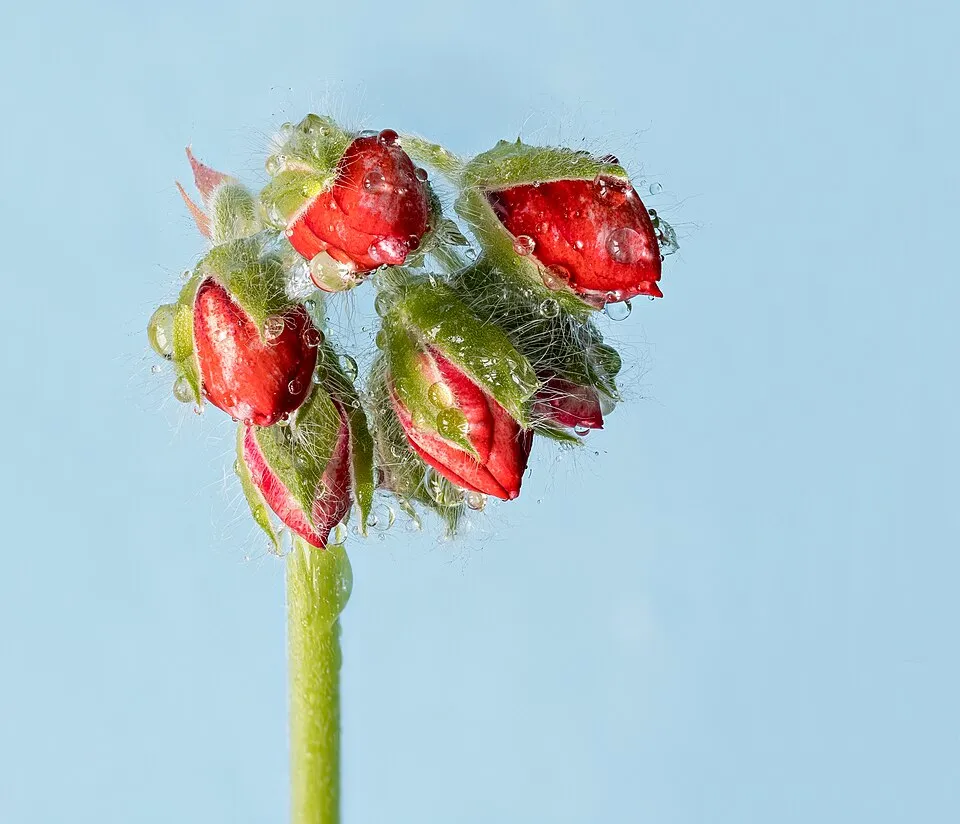
Geranium Zonal, scientifically known as Pelargonium × hortorum, is a distinguished hybrid flowering plant, widely celebrated for its remarkable ornamental attributes. This cultivated species is a cross primarily derived from Pelargonium inquinans and Pelargonium zonale, native to Southern Africa, though its hybrid nature means it does not occur naturally in the wild.
As a staple in global horticulture, Pelargonium × hortorum is characterized by its vibrant, often large, umbel-shaped flower clusters that bloom continuously throughout the warmer seasons, presenting a spectrum of colors including vivid reds, soft pinks, pure whites, and striking oranges.
Its most iconic morphological feature is the distinctive 'zone' or horseshoe-shaped band of darker pigmentation on its leaves, which provides its common 'Zonal' epithet and adds significant visual interest. The foliage itself is typically rounded or kidney-shaped, often soft to the touch. While commonly referred to as 'geraniums' in popular culture, Pelargonium × hortorum belongs to the genus Pelargonium, a distinct botanical entity from the true Geranium genus (cranesbills), though both are members of the Geraniaceae family.
This distinction is crucial for understanding potential medicinal properties. Adaptable and relatively low-maintenance, Zonal Geraniums thrive in full to partial sun and well-drained soil, exhibiting good drought tolerance once established. They are primarily cultivated as annuals in temperate regions or as tender perennials in frost-free zones, adorning gardens, containers, and hanging baskets worldwide with their persistent charm and color.
Trusted Scientific References
1. Authoritative external sources for Pelargonium × hortorum
1.1 Wikipedia — Pelargonium × hortorum
1.2 Kew POWO (Plants of the World Online)
1.3 PubMed — peer-reviewed research
1.4 NCBI Taxonomy Browser
1.5 GBIF — Global Biodiversity
1.6Geranium Zonal should be interpreted through verified botanical identity, practical care, and responsible safety language. This recovery note adds the missing context needed for a complete profile: match light to the plant's habit, use well-drained soil, water according to season, and avoid unsupported medicinal or edible claims. For publishing, the plant can be presented as a source-backed garden plant with clear care guidance, common problem diagnosis, and conservative safety wording.
1.1.Geranium Zonal — Highlights
- ✓Botanical Name — Pelargonium × hortorum (Zonal Geranium).
- ✓Family — Geraniaceae.
- ✓Hybrid Origin — A complex garden hybrid, primarily from P. inquinans and P. zonale.
- ✓Distinctive Foliage — Characterized by a horseshoe-shaped 'zone' of darker pigment on its leaves.
- ✓Vibrant Blooms — Produces large, showy umbels of flowers in a wide array of colors.
- ✓Continuous Flowering — Known for its prolific and extended blooming period throughout warmer months.
- ✓Low Maintenance — Easy to grow, adaptable, and tolerant of heat and drought once established.
- ✓Ornamental Value — Widely cultivated globally for aesthetic appeal in gardens, containers, and baskets.
- ✓Aromatic Presence — Certain cultivars offer a subtle, pleasant fragrance from their foliage.
- ✓Pet Toxicity — Considered toxic to pets if ingested, causing gastrointestinal distress.
1.2.Geranium Zonal — Concise Overview
- ✓Pelargonium × hortorum, or Geranium Zonal, is a popular ornamental hybrid.
- ✓Celebrated for vibrant, continuous blooms and distinctive zonal leaf markings.
- ✓Primarily grown for aesthetic appeal and garden enhancement, not core medicinal use.
- ✓Contains anthocyanins, flavonoids, and tannins, contributing to color and mild astringency.
- ✓Folk uses suggest mild topical application for skin irritations.
- ✓Easy to cultivate, prefers full sun, well-drained soil, and is drought-tolerant.
2.Geranium Zonal — Nomenclature & Classification
3.Geranium Zonal — Vital Statistics
4.Geranium Zonal — Physical Description
5.Geranium Zonal — Origin & Spread
6.Geranium Zonal — Heritage Uses
7.Geranium Zonal — Phytochemistry
- ✓Anthocyanins — These water-soluble pigments, including various cyanidin and delphinidin glycosides, are predominantly responsible for the vivid red, pink, and purple coloration of the flowers and the distinctive 'zonal' band on the leaves, also acting as antioxidants.
- ✓Flavonoids — Compounds like quercetin and kaempferol derivatives are present, contributing to the plant's natural defense mechanisms and offering antioxidant properties that protect against cellular damage.
- ✓Tannins — Polyphenolic compounds, primarily gallotannins and condensed tannins, are found in the foliage, imparting a mild astringent quality that has been noted in traditional topical applications.
- ✓Terpenoids — Trace amounts of volatile organic compounds such as geraniol, citronellol, and linalool contribute to the subtle, characteristic aroma of the leaves and flowers, with some possessing mild insect-deterring properties.
- ✓Phenolic Acids — Derivatives including caffeic acid and ferulic acid are present, acting as antioxidants and playing a role in the plant's response to environmental stressors.
- ✓Carotenoids — Pigments such as beta-carotene contribute to the yellow and orange hues observed in some flower cultivars and function as important antioxidants.
- ✓Organic Acids — Various organic acids, including malic and citric acids, are found within the plant tissues, crucial for metabolic processes and contributing to the plant's overall biochemistry.
- ✓Coumarins — Certain coumarin derivatives may be present in minor quantities, compounds known for diverse biological activities in other plant species, though their specific role in Pelargonium × hortorum is less studied.
8.Geranium Zonal — Pharmacological Findings
- ✓Aromatic Influence — The subtle fragrance emanating from certain Geranium Zonal cultivars can contribute to a soothing atmosphere, potentially aiding in mild stress reduction and promoting a sense of calm in garden environments.
- ✓Aesthetic Well-being — The vibrant and continuous blooms of Pelargonium × hortorum inherently offer visual therapy, positively impacting mood and fostering mental relaxation through its presence in living spaces.
- ✓Traditional Topical Comfort — Historically, in folk practices, crushed leaves from various 'geraniums' (often conflating Pelargonium species) were applied as a mild poultice for minor skin irritations, attributed to the plant's astringent qualities.
- ✓Mild Astringency (Folk Application) — Due to the presence of tannins, some traditional uses suggest that topical applications of 'geranium' preparations could help tighten tissues and reduce minor surface exudates on the skin.
- ✓Natural Insect Deterrence (Subtle) — While not as potent as other Pelargonium species, the foliage of some Geranium Zonal varieties may subtly deter certain common garden pests, including mosquitoes, contributing to outdoor comfort.
- ✓Horticultural Therapy — Engaging in the cultivation and care of Pelargonium × hortorum offers a form of active meditation, providing a purposeful activity that can alleviate mental fatigue and enhance mindfulness.
- ✓Garden Air Enhancement — As a living plant, Geranium Zonal participates in local photosynthesis, contributing to oxygen production and potentially improving the immediate air quality within its garden setting.
- ✓Mood Regulation Support — The consistent beauty and natural presence of Pelargonium × hortorum in personal gardens have been anecdotally linked to improved emotional states and a reduction in feelings of anxiety.
8.1.Geranium Zonal — Health Applications
9.Geranium Zonal — Safety Considerations
9.1.Geranium Zonal — Reported Side Effects
- ✓Skin Irritation — Direct contact with the foliage of Pelargonium × hortorum may cause mild contact dermatitis or skin irritation in sensitive individuals, manifesting as redness, itching, or a rash.
- ✓Allergic Reactions — In rare instances, individuals with specific sensitivities to plants in the Geraniaceae family may experience allergic reactions upon contact or inhalation of plant particles.
- ✓Pet Toxicity — Ingestion of any part of Geranium Zonal is considered toxic to pets, including cats and dogs, and can lead to gastrointestinal upset, vomiting, diarrhea, and lethargy.
- ✓Gastrointestinal Discomfort (Human) — While not classified as highly toxic to humans, consuming substantial amounts of plant material not intended for food can potentially cause mild stomach upset or nausea.
- ✓Photosensitivity (Extremely Rare) — Although not well-documented for Pelargonium × hortorum specifically, some plant extracts can theoretically cause photosensitivity in highly susceptible individuals upon skin exposure followed by sunlight.
9.2.Geranium Zonal — Safety Profile
- ✓External Use Caution — Primarily an ornamental plant; any traditional topical application should be approached with caution, and a patch test is recommended due to potential skin sensitivity.
- ✓Avoid Internal Consumption — Pelargonium × hortorum is not recommended for internal consumption by humans due to a lack of documented medicinal efficacy and potential for mild gastrointestinal irritation.
- ✓Pet Safety — Keep Geranium Zonal plants out of reach of pets, as ingestion can lead to symptoms of toxicity. Consult a veterinarian immediately if ingestion is suspected.
- ✓Allergic Sensitivity — Individuals with known plant allergies, especially to the Geraniaceae family, should handle the plant with care and observe for any adverse reactions.
- ✓Pregnancy & Lactation — Due to insufficient scientific data regarding its safety and medicinal effects, pregnant or lactating individuals should strictly avoid any internal or extensive topical use.
- ✓Children — Supervise young children around the plant to prevent accidental ingestion or prolonged skin contact, which could lead to mild irritation.
10.Geranium Zonal — Preparation Methods
- ✓Aromatic Garden Placement — Strategically plant Geranium Zonal in prominent garden beds, containers, or hanging baskets near seating areas to enjoy its visual appeal and subtle, mood-enhancing fragrance.
- ✓Decorative Infusions (Aesthetic) — While not for internal consumption, fresh petals can be floated in decorative water bowls or used in floral arrangements to add vibrant color and a mild, pleasant scent.
- ✓Folk Poultices (External) — In traditional folk medicine, crushed leaves from 'geraniums' (often Pelargoniums) were historically applied topically as a mild poultice for minor skin irritations or insect bites, due to perceived astringent qualities.
- ✓Potpourri & Sachets — Dried leaves and flowers, particularly from more fragrant cultivars, can be incorporated into potpourri mixtures or fabric sachets to impart a gentle, fresh aroma to indoor spaces.
- ✓Aesthetic Culinary Garnish — The vibrant, non-toxic flowers can be used as an attractive, edible garnish for desserts, salads, or beverages, provided they are grown organically and are free of pesticides.
- ✓Natural Room Fresheners — Infuse dried leaves with water or a natural solvent to create a mild, homemade room spray, offering a subtle floral or green scent, though less potent than essential oils from other Pelargonium species.
- ✓Landscaping & Container Planting — Utilize Pelargonium × hortorum as a versatile plant for continuous color in landscape designs, as accent plants in mixed containers, or cascading from hanging baskets.
11.Geranium Zonal — Cultivation & Care
- ✓Optimal Lighting — Pelargonium × hortorum thrives in full sun, requiring a minimum of 6 hours of direct sunlight daily for vigorous growth and prolific flowering, though it can tolerate partial sun.
- ✓Soil Requirements — Plant in well-draining soil that is rich in organic matter, ideally a loam or sandy composition with a neutral to slightly alkaline pH range of 6.0-7.0. Avoid heavy, waterlogged conditions.
- ✓Watering Practices — Water thoroughly when the top 1-2 inches of soil are dry to the touch, allowing the soil to dry out between waterings. Zonal Geraniums are drought-tolerant once established but benefit from consistent moisture.
- ✓Temperature & Hardiness — Best cultivated as an annual in USDA zones 3-8 due to frost sensitivity, or as a tender perennial in warmer zones 9-12. Protect plants from freezing temperatures.
- ✓Fertilization — During the active growing and flowering season (spring through fall), feed every 2-4 weeks with a balanced liquid fertilizer to support continuous bloom production and overall plant health.
- ✓Pruning & Deadheading — Regularly deadhead spent flowers to encourage new blooms and prevent seed formation. Prune leggy stems to maintain a bushy, compact form and promote better air circulation.
- ✓Propagation — Easily propagated from 4-6 inch stem cuttings taken in spring or late summer. Allow cuttings to callus for a day or two before planting them in a sterile, well-draining rooting medium.
- ✓Pest & Disease Management — Generally resilient, but monitor for common pests like aphids, whiteflies, and spider mites. Ensure good air circulation and avoid overwatering to prevent fungal diseases such as botrytis.
Reviewed by the Flora Medical Global Botanical Review Panel
Multi-disciplinary editorial group · Botany · Ethnobotany · Herbal-medicine literature
Who reviewed this: This page was checked by the Flora Medical Global Botanical Review Panel — an in-house editorial group of botany graduates, ethnobotany researchers, and horticulture practitioners who collectively maintain our 7,000+ plant encyclopedia. Meet the team.
Our 4-step verification process
1. Taxonomic verification
Scientific names and synonyms cross-checked against Kew POWO, World Flora Online, and The Plant List.
2. Phytochemical & medicinal cross-reference
Active compounds, traditional uses, and reported activities are cross-referenced with PubMed, USDA Dr. Duke's database, and peer-reviewed ethnobotanical literature.
3. Conservation & distribution check
Distribution, ecology, and conservation status confirmed against GBIF occurrence records and the IUCN Red List.
4. Editorial & safety review
Every entry passes an editorial pass for clarity, originality, and safety notices (toxicity, contraindications, dosage caveats) before publication.
Last reviewed:
Important medical disclaimer: This content is for educational and research purposes only. It is not medical advice and is not a substitute for consultation with a licensed healthcare provider. Do not use any herb to self-treat a medical condition without professional guidance.
Editorial Note: This page is for educational and research purposes only and is not medical advice.
Written by: Flora Medical Global Editorial Team
Reviewed by: Flora Medical Global Botanical Review Panel
Last Updated: June 15, 2026





Geranium Zonal — Comments & Community Reviews
Rate this plant