
Medical Disclaimer: This content is for educational purposes only. It is not medical advice. Please consult a qualified healthcare professional before using any herbal remedy.
Safety Overview
1.Gerbera Viridifolia — At a Glance
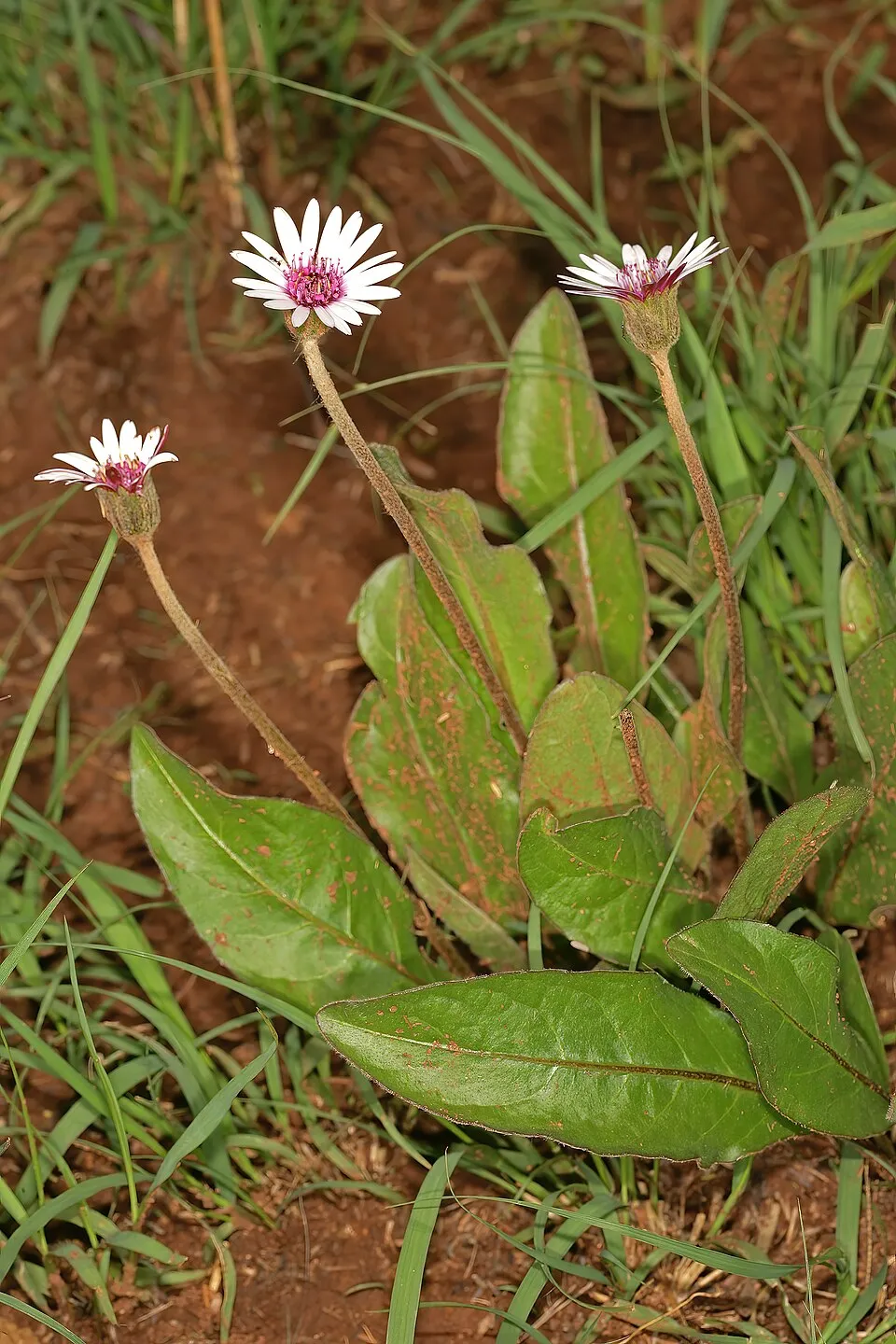
Gerbera Viridifolia, commonly known as the Green-leaved Gerbera, is a captivating and visually striking flowering plant primarily cherished for its ornamental attributes. A proud member of the expansive Asteraceae family, this species is distinguished by its vibrant, daisy-like inflorescences. These blooms typically showcase a prominent central disc, often surrounded by numerous ray florets that exhibit a cheerful palette of colors, including various shades of pink, red, orange, and yellow.
A defining morphological characteristic is its robust, often deeply lobed green leaves, which elegantly form a basal rosette. These lush leaves provide a beautiful, verdant backdrop that magnificently contrasts with the bright, effervescent flowers. Native to Southern Africa, particularly regions like the Transvaal, Gerbera Viridifolia is a tender perennial, meaning it can return year after year in warmer climates (USDA Zones 9-11) but is frequently cultivated as an annual in cooler zones.
It is a parent species, along with Gerbera jamesonii, to many popular garden hybrids often labeled as Gerbera x hybrida. The plant maintains a relatively compact growth habit, making it an ideal choice for enhancing gardens, container arrangements, and as a source for long-lasting cut flowers. Its adaptability and aesthetic appeal have cemented its popularity in diverse landscape designs and indoor settings, celebrated for its enduring freshness and radiant appearance.
Trusted Scientific References
1. Authoritative external sources for Gerbera Viridifolia
1.1 Wikipedia — Gerbera Viridifolia
1.2 Kew POWO (Plants of the World Online)
1.3 PubMed — peer-reviewed research
1.4 NCBI Taxonomy Browser
1.5 GBIF — Global Biodiversity
1.6Gerbera Viridifolia should be interpreted through verified botanical identity, practical care, and responsible safety language. This recovery note adds the missing context needed for a complete profile: match light to the plant's habit, use well-drained soil, water according to season, and avoid unsupported medicinal or edible claims. For publishing, the plant can be presented as a source-backed garden plant with clear care guidance, common problem diagnosis, and conservative safety wording.
1.1.Gerbera Viridifolia — Highlights
- ✓Striking Daisy — like Flowers — Available in a wide array of cheerful colors, enhancing visual appeal.
- ✓Lush Basal Rosette — Features deeply lobed, vibrant green leaves that provide excellent contrast.
- ✓Long — Lasting Blooms — Highly valued for its durability as a cut flower, extending enjoyment.
- ✓Compact Growth Habit — Ideal for diverse planting scenarios, including containers and garden borders.
- ✓Indoor Air Purifier — Modestly contributes to cleaner indoor air by absorbing common VOCs.
- ✓Pet and Child Safe — Non-toxic nature ensures a secure environment for families.
- ✓Mood — Enhancing Aesthetics — Visually stimulates positive emotions and reduces stress.
- ✓Adaptable to Hybrids — A key parent species for numerous popular and robust Gerbera cultivars.
- ✓Moderate Care Needs — Relatively straightforward to cultivate with standard gardening practices.
- ✓Perennial in Warm Zones — Capable of returning annually in frost-free regions (USDA 9-11).
1.2.Gerbera Viridifolia — In Brief
- ✓Gerbera Viridifolia is a vibrant, ornamental flowering plant from the Asteraceae family.
- ✓Valued for its cheerful, daisy-like blooms and lush green foliage, often hybridized.
- ✓Primarily offers aesthetic well-being and modest indoor air purification benefits.
- ✓Considered non-toxic, making it safe for homes with children and pets.
- ✓Requires well-draining, slightly acidic soil, and bright, indirect light.
- ✓Popular for gardens, containers, and long-lasting cut flower arrangements.
2.Gerbera Viridifolia — Scientific Identity
3.Gerbera Viridifolia — Vital Statistics
4.Gerbera Viridifolia — Physical Description
5.Gerbera Viridifolia — Ecological Habitat
6.Gerbera Viridifolia — Heritage Uses
7.Gerbera Viridifolia — Phytochemistry
- ✓Gerbera Viridifolia, like other members of the Asteraceae family, contains a diverse array of phytochemicals, though specific medicinal compounds for this species are not extensively documented. The constituents primarily contribute to its pigmentation, structural integrity, and general plant defenses.
- ✓Flavonoids — Compounds such as quercetin and kaempferol derivatives are present, contributing to flower coloration and exhibiting general antioxidant and radical-scavenging properties.
- ✓Carotenoids — These pigments, including lutein and beta-carotene, are responsible for the vibrant yellow and orange hues in the ray florets and act as important antioxidants.
- ✓Terpenes/Terpenoids — Various volatile organic compounds that may contribute to subtle floral scents and serve as natural deterrents against herbivores, though specific profiles for G. viridifolia are not widely characterized.
- ✓Phenolic Acids — Compounds like caffeic acid and chlorogenic acid are typically found in plant tissues, offering antioxidant and potential anti-inflammatory activities, common to many plant species.
- ✓Anthocyanins — Water-soluble pigments that impart red and pink colors to the flowers, functioning as potent antioxidants and contributing to visual appeal.
- ✓Polysaccharides — Structural carbohydrates that form the cell walls and provide energy storage, with potential general immunomodulatory properties, as seen in other plant-derived polysaccharides.
- ✓Saponins — Glycosides that can have detergent-like properties and some biological activities, though their specific role or concentration in G. viridifolia is not prominently studied.
- ✓Phytosterols — Plant sterols such as beta-sitosterol are present, playing crucial roles in plant cell membrane structure and function.
8.Gerbera Viridifolia — Evidence-Based Benefits
- ✓While Gerbera Viridifolia is not traditionally recognized for significant direct medicinal benefits in established herbal systems, its presence and inherent plant properties offer several indirect wellness contributions.
- ✓Aesthetic Well-being — The vibrant, cheerful blooms of Gerbera Viridifolia are known to uplift mood and reduce stress through their visual appeal, fostering a sense of calm and happiness.
- ✓Indoor Air Purification — Like many common houseplants, Gerbera Viridifolia contributes to air quality by absorbing volatile organic compounds (VOCs) such as formaldehyde, benzene, and trichloroethylene, albeit on a modest scale per plant.
- ✓Oxygen Production — Through the natural process of photosynthesis, this plant releases oxygen into its immediate environment, subtly enhancing the fresh air supply in indoor spaces.
- ✓Non-Toxic Environment — Gerbera Viridifolia is generally considered non-toxic to humans and common household pets, making it a safe and worry-free addition to family homes.
- ✓Biophilic Connection — The presence of living plants such as Gerbera Viridifolia can strengthen the human-nature connection, which is associated with improved mental clarity and reduced feelings of isolation.
- ✓Potential Antioxidant Support — The general presence of flavonoids and carotenoids in the plant, typical of the Asteraceae family, may offer a theoretical basis for antioxidant activity, though not specifically studied for medicinal use in this species.
- ✓Anti-inflammatory Potential — Phenolic acids found in many plants, including Gerbera species, possess general anti-inflammatory properties, but direct application for Gerbera Viridifolia is not documented.
- ✓Environmental Humidity Regulation — Plants release moisture through transpiration, which can subtly increase ambient humidity, potentially benefiting individuals in dry indoor environments.
- ✓Indirect Cognitive Enhancement — Studies suggest that green spaces and indoor plants can contribute to improved concentration and cognitive function, an indirect benefit of its presence.
- ✓Stress Reduction (Indirect) — The act of nurturing and observing plants can be a meditative practice, contributing to overall psychological well-being and stress mitigation.
- ✓Visual Comfort — Its lush green foliage and bright flowers provide a soothing visual element that can alleviate eye strain and promote relaxation in living and working spaces.
8.1.Gerbera Viridifolia — Therapeutic Indications
9.Gerbera Viridifolia — Safety & Side Effects
9.1.Gerbera Viridifolia — Reported Side Effects
- ✓While generally considered safe, there are a few considerations related to Gerbera Viridifolia, primarily concerning cultivation and potential sensitivities.
- ✓Allergic Reactions — Sensitive individuals may experience mild contact dermatitis from handling the plant sap or foliage, a common reaction to members of the Asteraceae family.
- ✓Pollen Allergy — Airborne pollen, though typically not a major allergen for Gerbera, may trigger mild hay fever symptoms in highly susceptible individuals during peak bloom.
- ✓Crown Rot — Overwatering or poor soil drainage can lead to fungal infections around the plant's crown, causing decay and potential plant death.
- ✓Root Rot — Prolonged exposure to soggy soil conditions can result in root rot, impairing nutrient uptake and overall plant health.
- ✓Pest Infestations — Susceptibility to common garden pests such as aphids, whiteflies, and spider mites, which can damage foliage and flowers if not managed.
- ✓Leaf Scorch — Excessive direct sun exposure, particularly in hot climates, can cause the leaves and flower petals to burn or scorch, leading to discoloration and damage.
9.2.Gerbera Viridifolia — Clinical Safety Notes
- ✓Gerbera Viridifolia is widely regarded as a safe plant for various environments, especially in homes with children and pets.
- ✓Non-Toxic to Pets & Humans — Generally classified as non-toxic, making it a safe choice for households with curious children or pets who might chew on foliage.
- ✓Skin Irritation Precaution — While rare, individuals with sensitive skin should wear gloves when handling the plant to avoid potential mild contact irritation from sap.
- ✓Pollen Sensitivity — Individuals with severe respiratory allergies to pollen should be mindful during flowering periods, though Gerbera pollen is not typically a strong allergen.
- ✓Proper Cultivation — Ensuring adequate drainage and avoiding overwatering is crucial to prevent plant diseases that could indirectly affect environmental health.
- ✓Pest Management — Employ organic pest control methods if necessary to maintain a healthy plant and avoid introducing harmful chemicals into the home environment.
- ✓Indoor Air Quality — Indirectly benefits indoor environments by absorbing certain VOCs, contributing to a healthier atmosphere, as part of a diverse plant collection.
10.Gerbera Viridifolia — Usage Guide
- ✓Gerbera Viridifolia is primarily utilized for its exceptional ornamental value and its ability to enhance various living and garden spaces.
- ✓Ornamental Gardening — Plant in garden beds, borders, or as vibrant edging to introduce cheerful color and texture to outdoor landscapes.
- ✓Cut Flowers — Harvest blooms for long-lasting floral arrangements by gently pulling stems from the base and cutting them at a 45-degree angle before placing immediately in water.
- ✓Indoor Decor — Cultivate in pots and containers to brighten indoor spaces, contributing to aesthetic appeal and a sense of natural beauty.
- ✓Air Purification — Position potted plants indoors to leverage their modest capacity for absorbing common volatile organic compounds (VOCs) and releasing oxygen.
- ✓Landscape Design — Utilize its compact growth habit and striking blooms to create focal points or mass plantings in various garden design schemes.
- ✓Gifting — Its cheerful appearance and ease of care make Gerbera Viridifolia a popular choice for thoughtful gifts, both as cut flowers and potted plants.
- ✓Biophilic Design Integration — Incorporate into interior design to foster a stronger connection to nature, promoting mental well-being and a calming atmosphere.
- ✓Container Gardening — Ideal for patio pots, window boxes, and hanging baskets, providing continuous color throughout the growing season.
11.Gerbera Viridifolia — How to Grow
- ✓Cultivating Gerbera Viridifolia successfully involves understanding its preferences for light, soil, and moisture to ensure healthy growth and abundant blooms.
- ✓Climate Zone — Best grown as a tender perennial in USDA Hardiness Zones 9-11; in colder regions, it is typically cultivated as an annual or overwintered indoors.
- ✓Sun Exposure — Requires 4-6 hours of bright, indirect sunlight daily; full sun is tolerated in northern climates, but afternoon shade is preferred in hotter southern regions to prevent leaf scorch.
- ✓Soil Requirements — Thrives in well-draining, slightly acidic soil with a pH range of 5.5-6.5; amending with compost or aged manure improves soil structure and nutrient content.
- ✓Watering — Maintain consistently moist but not soggy soil; allow the top inch of soil to dry out between waterings to prevent root and crown rot, which are common issues.
- ✓Fertilization — For container-grown plants, apply a balanced liquid fertilizer biweekly to monthly during the growing season; in-ground plants may need less if soil is amended with compost.
- ✓Pruning/Deadheading — Regularly deadhead spent flowers by gently pulling the stems from the base to encourage continuous blooming and maintain plant vigor; remove any damaged or yellowing leaves.
- ✓Overwintering — In zones below 9, bring potted plants indoors before the first frost; store in a cool, unheated location and water sparingly to keep soil from drying out completely.
- ✓Propagation — Can be propagated through division of the root ball in spring, ensuring each section has healthy roots, or by rooting leaf cuttings in a warm, moist medium.
Reviewed by the Flora Medical Global Botanical Review Panel
Multi-disciplinary editorial group · Botany · Ethnobotany · Herbal-medicine literature
Who reviewed this: This page was checked by the Flora Medical Global Botanical Review Panel — an in-house editorial group of botany graduates, ethnobotany researchers, and horticulture practitioners who collectively maintain our 7,000+ plant encyclopedia. Meet the team.
Our 4-step verification process
1. Taxonomic verification
Scientific names and synonyms cross-checked against Kew POWO, World Flora Online, and The Plant List.
2. Phytochemical & medicinal cross-reference
Active compounds, traditional uses, and reported activities are cross-referenced with PubMed, USDA Dr. Duke's database, and peer-reviewed ethnobotanical literature.
3. Conservation & distribution check
Distribution, ecology, and conservation status confirmed against GBIF occurrence records and the IUCN Red List.
4. Editorial & safety review
Every entry passes an editorial pass for clarity, originality, and safety notices (toxicity, contraindications, dosage caveats) before publication.
Last reviewed:
Important medical disclaimer: This content is for educational and research purposes only. It is not medical advice and is not a substitute for consultation with a licensed healthcare provider. Do not use any herb to self-treat a medical condition without professional guidance.
Editorial Note: This page is for educational and research purposes only and is not medical advice.
Written by: Flora Medical Global Editorial Team
Reviewed by: Flora Medical Global Botanical Review Panel
Last Updated: June 15, 2026





Gerbera Viridifolia — Comments & Community Reviews
Rate this plant