

Medical Disclaimer: This content is for educational purposes only. It is not medical advice. Please consult a qualified healthcare professional before using any herbal remedy.
Safety Overview
1.Geum Chiloense — Plant Snapshot
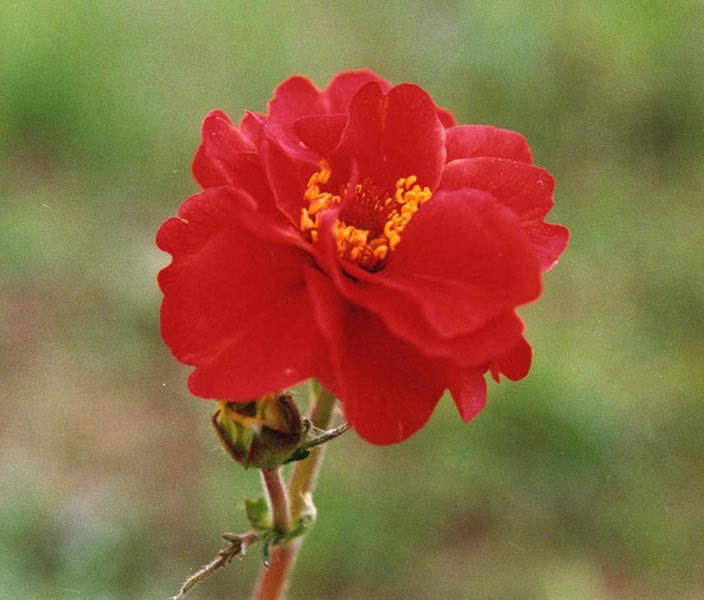
Geum chiloense, commonly known as Chilean Avens or Scarlet Avens, is an enchanting herbaceous perennial belonging to the extensive Rosaceae family. Native to the central and southern regions of Chile, particularly the island of Chiloé, this resilient plant forms a robust, neat mound of attractive basal foliage. Its leaves are typically deeply lobed or pinnate, often hairy, creating a verdant foundation from which slender, yet sturdy, upright stems ascend.
These stems proudly bear an abundance of showy flowers, which can be single or double, captivating gardeners with their vibrant hues of scarlet, fiery orange, and sunny yellow. Blooming profusely from late spring through the summer months, Geum chiloense provides a long-lasting and dynamic splash of color, making it a prized choice for borders, rock gardens, and cottage garden designs, and also highly valued as a cut flower. Beyond its aesthetic appeal, its hardiness and ability to attract beneficial pollinators further enhance its garden utility.
While primarily cultivated for its ornamental charm, Geum chiloense shares its genus with species like Geum urbanum, known for their historical medicinal applications, suggesting a shared phytochemical profile that warrants further investigation.
Trusted Scientific References
1. Authoritative external sources for Geum chiloense
1.1 Wikipedia — Geum chiloense
1.2 Kew POWO (Plants of the World Online)
1.3 PubMed — peer-reviewed research
1.4 NCBI Taxonomy Browser
1.5 GBIF — Global Biodiversity
1.6Geum Chiloense should be interpreted through verified botanical identity, practical care, and responsible safety language. This recovery note adds the missing context needed for a complete profile: match light to the plant's habit, use well-drained soil, water according to season, and avoid unsupported medicinal or edible claims. For publishing, the plant can be presented as a source-backed garden plant with clear care guidance, common problem diagnosis, and conservative safety wording.
1.1.Geum Chiloense — Key Features
- ✓Vibrant, fiery — colored flowers (scarlet, orange, yellow).
- ✓Forms a neat — Forms a neat mound of attractive, deeply lobed basal foliage.
- ✓Native to central — Native to central and southern Chile, including Chiloé island.
- ✓Blooms profusely from — Blooms profusely from late spring through summer, offering long-lasting color.
- ✓Known for hardiness — Known for hardiness and ability to attract pollinators.
- ✓Rich in tannins, — Rich in tannins, flavonoids, and triterpenes, similar to medicinal Geum species.
- ✓Exhibits traditional astringent, anti — inflammatory, and antiseptic actions.
- ✓Valued for ornamental — Valued for ornamental gardening, suitable for borders and rock gardens.
- ✓Propagated effectively by — Propagated effectively by seed or division.
- ✓Prefers full sun to partial shade and well — drained, fertile soil.
1.2.Geum Chiloense — In Brief
- ✓Chilean Avens is a vibrant ornamental perennial native to Chile.
- ✓Shares medicinal phytochemicals like tannins and flavonoids with its Geum relatives.
- ✓Traditionally used for astringent, anti-inflammatory, and antiseptic properties.
- ✓Key applications include digestive health, oral care, and topical wound healing.
- ✓Cultivation is straightforward, preferring sun and well-drained soil.
- ✓Caution advised for pregnant women, children, and those on specific medications.
2.Geum Chiloense — Scientific Profile
3.Geum Chiloense — Quick Facts
4.Geum Chiloense — Plant Morphology
5.Geum Chiloense — Habitat & Distribution
6.Geum Chiloense — Historical Applications
7.Geum Chiloense — Secondary Metabolites
- ✓Tannins — Predominantly ellagitannins and gallotannins, responsible for the plant's astringent properties, acting as antioxidants and contributing to antimicrobial effects.
- ✓Flavonoids — Including quercetin, kaempferol, and their glycosides, known for potent antioxidant, anti-inflammatory, and vasoprotective activities.
- ✓Triterpenes — Such as ursolic acid and oleanolic acid derivatives, which often exhibit anti-inflammatory, hepatoprotective, and cytotoxic properties.
- ✓Essential Oils — While less prominent in G. chiloense itself, other Geum species contain components like eugenol, providing antiseptic and analgesic effects.
- ✓Saponins — Glycosides that can have expectorant, anti-inflammatory, and immunomodulatory actions, though their specific role in G. chiloense is less defined.
- ✓Phenolic Acids — Including gallic acid and ellagic acid, contributing to antioxidant capacity and potentially offering antimicrobial benefits.
- ✓Glycosides — Various sugar-bound compounds that can influence diverse physiological processes, often enhancing the bioavailability or activity of other constituents.
- ✓Phytosterols — Plant sterols like beta-sitosterol, which can have cholesterol-lowering and anti-inflammatory effects.
8.Geum Chiloense — What Research Suggests
- ✓Astringent Action — The high tannin content in Geum chiloense, similar to its relatives, contributes to its astringent properties, helping to tighten tissues and reduce secretions in mucous membranes.
- ✓Anti-inflammatory Support — Flavonoids and triterpenes present in the plant may exert anti-inflammatory effects, potentially alleviating discomfort associated with inflammatory conditions.
- ✓Antiseptic Qualities — Certain phytochemicals, including eugenol found in some Geum species, can provide mild antiseptic benefits, useful for minor cuts and abrasions.
- ✓Digestive Aid — Traditionally, preparations from Geum species have been used to soothe digestive upsets like diarrhea and dysentery by reducing gut inflammation and excessive fluid loss.
- ✓Oral Health Promoter — The astringent and antiseptic properties can be beneficial for mouth sores, gum inflammation (gingivitis), and sore throats when used as a gargle or mouthwash.
- ✓Wound Healing — Applied topically, the plant's compounds may support the healing of minor skin irritations, wounds, and burns by promoting tissue regeneration and preventing infection.
- ✓Hemostatic Effect — The astringent nature can help to stop minor bleeding, making it useful for superficial wounds or epistaxis (nosebleeds) when applied externally.
- ✓Joint Pain Relief — Due to its potential anti-inflammatory actions, Geum chiloense might offer symptomatic relief for mild joint stiffness or discomfort, mirroring uses of other Rosaceae members.
8.1.Geum Chiloense — Health Applications
9.Geum Chiloense — Adverse Effects
9.1.Geum Chiloense — Warnings
- ✓Digestive Upset — High tannin content can cause constipation or stomach irritation in sensitive individuals or at high doses.
- ✓Allergic Reactions — Potential for skin irritation or allergic contact dermatitis in susceptible individuals, especially from topical application.
- ✓Iron Absorption Interference — Tannins can bind to non-heme iron, potentially reducing its absorption if consumed with meals.
- ✓Nausea — Excessive internal consumption might lead to feelings of nausea or discomfort.
- ✓Kidney or Liver Stress — Prolonged high-dose use of any herbal remedy should be monitored, as certain compounds could theoretically impact these organs.
- ✓Medication Interactions — May interact with medications affecting blood clotting due to potential mild hemostatic effects.
9.2.Geum Chiloense — Clinical Safety Notes
- ✓Pregnancy & Lactation — Insufficient data; use is generally discouraged without professional medical advice.
- ✓Children — Consult a healthcare professional before administering to children due to limited safety research.
- ✓Pre-existing Conditions — Individuals with gastrointestinal issues, liver, or kidney conditions should exercise caution.
- ✓Drug Interactions — Potential interactions with iron supplements, blood thinners, or medications for digestive disorders.
- ✓Allergic Sensitivity — Discontinue use if allergic reactions such as skin rash or digestive upset occur.
- ✓Dosage Adherence — Always follow recommended dosages, as excessive intake can lead to adverse effects.
- ✓Professional Guidance — Always consult a qualified medical herbalist or healthcare provider before using Geum chiloense for medicinal purposes.
10.Geum Chiloense — Application Forms
- ✓Herbal Infusion — Dried leaves or flowers steeped in hot water for a tea, used internally for digestive support or as a gargle.
- ✓Decoction — Simmering roots or rhizomes in water to extract compounds, suitable for more robust internal or external applications.
- ✓Tincture — Alcoholic extract of the plant material, offering a concentrated form for internal medicinal use.
- ✓Poultice — Crushed fresh leaves or roots applied directly to skin for minor wounds, inflammation, or sores.
- ✓Compresses — Cloth soaked in a strong infusion or decoction, applied externally to affected areas for pain or swelling.
- ✓Mouthwash/Gargle — Diluted infusion or decoction used to address gum inflammation, sore throats, or mouth ulcers.
- ✓Topical Ointment — Infused oil incorporated into a balm or salve for localized skin conditions and wound care.
- ✓Herbal Bath — Adding a strong decoction to bathwater for general skin soothing or anti-inflammatory effects.
11.Geum Chiloense — Propagation & Care
- ✓Soil Requirements — Thrives in fertile, well-draining soil rich in organic matter; a good garden loam is ideal.
- ✓Watering Schedule — Requires consistent moisture, especially during the growing season; avoid waterlogging.
- ✓Light Exposure — Prefers full sun (6+ hours daily) for optimal flowering, but tolerates partial shade, particularly in hot climates.
- ✓Temperature & Hardiness — Optimal growth between 10–28°C; minimum tolerance to -3°C (USDA Zones 9-12).
- ✓Fertilization Regime — Apply a balanced liquid fertilizer monthly during the active growing season to support growth.
- ✓Propagation Techniques — Easily propagated by seeds sown at 18–22°C or by division of clumps in spring or autumn.
- ✓Mulching Benefits — Applying organic mulch helps retain soil moisture, regulate temperature, and suppress weed growth.
- ✓Pruning & Maintenance — Deadhead spent flowers to encourage continuous blooming and prune back foliage as needed to maintain vigor.
Reviewed by the Flora Medical Global Botanical Review Panel
Multi-disciplinary editorial group · Botany · Ethnobotany · Herbal-medicine literature
Who reviewed this: This page was checked by the Flora Medical Global Botanical Review Panel — an in-house editorial group of botany graduates, ethnobotany researchers, and horticulture practitioners who collectively maintain our 7,000+ plant encyclopedia. Meet the team.
Our 4-step verification process
1. Taxonomic verification
Scientific names and synonyms cross-checked against Kew POWO, World Flora Online, and The Plant List.
2. Phytochemical & medicinal cross-reference
Active compounds, traditional uses, and reported activities are cross-referenced with PubMed, USDA Dr. Duke's database, and peer-reviewed ethnobotanical literature.
3. Conservation & distribution check
Distribution, ecology, and conservation status confirmed against GBIF occurrence records and the IUCN Red List.
4. Editorial & safety review
Every entry passes an editorial pass for clarity, originality, and safety notices (toxicity, contraindications, dosage caveats) before publication.
Last reviewed:
Important medical disclaimer: This content is for educational and research purposes only. It is not medical advice and is not a substitute for consultation with a licensed healthcare provider. Do not use any herb to self-treat a medical condition without professional guidance.
Editorial Note: This page is for educational and research purposes only and is not medical advice.
Written by: Flora Medical Global Editorial Team
Reviewed by: Flora Medical Global Botanical Review Panel
Last Updated: June 15, 2026





Geum Chiloense — Comments & Community Reviews
Rate this plant