
Medical Disclaimer: This content is for educational purposes only. It is not medical advice. Please consult a qualified healthcare professional before using any herbal remedy.
Safety Overview
1.Gibbaeum Heathii — Essential Profile
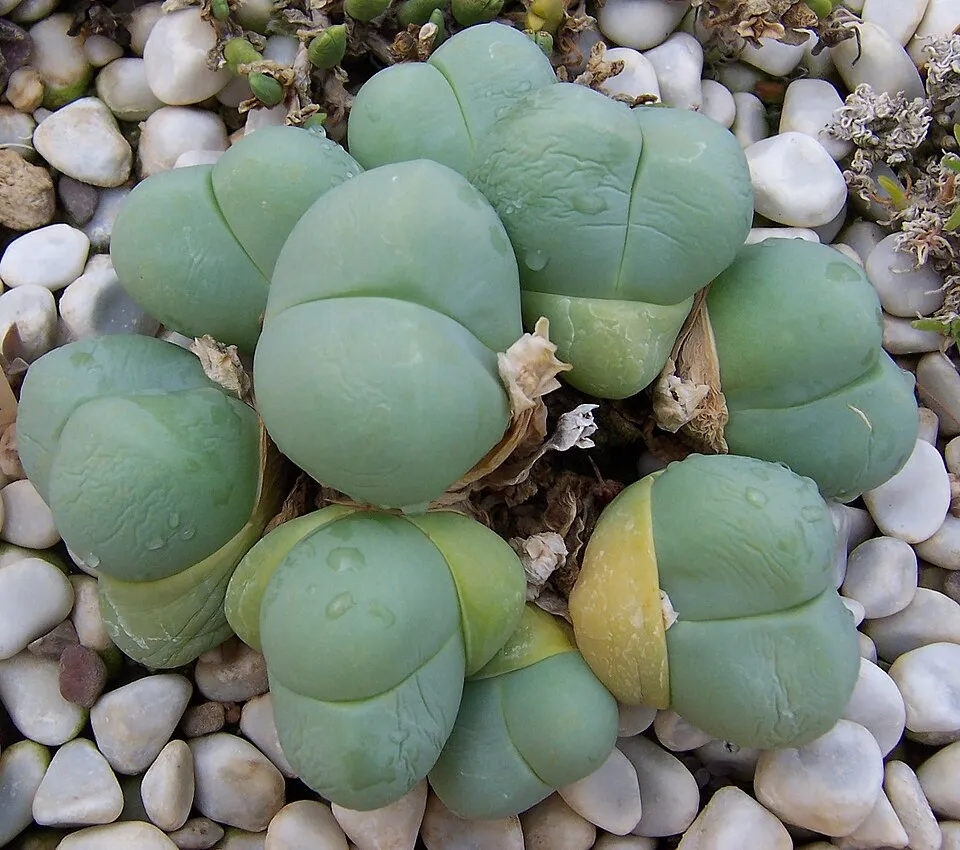
Gibbaeum heathii, commonly known as the South African plant or sometimes referred to as Gibbaeum comptonii, is a distinctive succulent native to the arid regions of the Western Cape in South Africa. This charming member of the Aizoaceae family, which is known for its adaptation to harsh, dry environments, typically forms compact rosettes, reaching a modest height of 10 to 15 cm.
Its unique morphology features fleshy, ovate leaves, usually 2 to 5 cm in length, exhibiting a captivating grayish-green hue that can develop reddish tints under stress or strong sunlight. The leaves are often fused at the base, giving the plant a 'pebble' or 'living stone' appearance, a characteristic adaptation for moisture retention and camouflage in its rocky habitat.
During mid to late summer, Gibbaeum heathii produces delicate, tubular flowers that emerge from between the leaves. These blossoms typically range from pale yellow to creamy white, adding a subtle splash of color and attracting various pollinators in its natural environment. The stems are robust yet often appear partially hidden by the dense foliage, and their surface can feel slightly bumpy or textured.
Thriving in well-drained, mineral-rich soils, this resilient succulent is perfectly adapted to desert-like conditions, making it a popular choice for xeriscaping and indoor cultivation among succulent enthusiasts. Its ability to endure periods of neglect, coupled with its intriguing form, makes Gibbaeum heathii a fascinating botanical specimen.
Trusted Scientific References
1. Authoritative external sources for Gibbaeum heathii
1.1 Wikipedia — Gibbaeum heathii
1.2 Kew POWO (Plants of the World Online)
1.3 PubMed — peer-reviewed research
1.4 NCBI Taxonomy Browser
1.5 GBIF — Global Biodiversity
1.6Gibbaeum Heathii should be interpreted through verified botanical identity, practical care, and responsible safety language. This recovery note adds the missing context needed for a complete profile: match light to the plant's habit, use well-drained soil, water according to season, and avoid unsupported medicinal or edible claims. For publishing, the plant can be presented as a source-backed indoor plant with clear care guidance, common problem diagnosis, and conservative safety wording.
1.1.Gibbaeum Heathii — Notable Characteristics
- ✓Fleshy, ovate, grayish — green leaves, often fused at the base.
- ✓Compact, rosette growth — Compact, rosette growth habit, resembling pebbles or stones.
- ✓Native to the — Native to the Western Cape region of South Africa.
- ✓Highly drought — tolerant, adapted to arid environments.
- ✓Produces pale yellow — Produces pale yellow to creamy white tubular flowers in summer.
- ✓Belongs to the — Belongs to the Aizoaceae family (Mesembryanthemaceae).
- ✓Prized for its — Prized for its unique ornamental and aesthetic qualities.
- ✓Contains phytochemicals such — Contains phytochemicals such as alkaloids, flavonoids, and terpenoids.
- ✓Ideal for succulent — Ideal for succulent collections, rock gardens, and xeriscaping.
- ✓Requires bright, direct sunlight and well — draining soil.
1.2.Gibbaeum Heathii — Quick Summary
- ✓Unique South African succulent, Gibbaeum heathii, known for its distinctive 'living stone' appearance.
- ✓Primarily valued for its ornamental appeal and resilience in arid conditions.
- ✓Belongs to the Aizoaceae family, adapted for water retention and camouflage.
- ✓Contains general plant compounds like alkaloids, flavonoids, and terpenoids, with no specific medicinal uses documented.
- ✓Contributes to psychological well-being and aesthetic enhancement as an indoor plant.
- ✓Requires bright light and minimal watering, challenging for novice growers.
2.Gibbaeum Heathii — Scientific Identity
3.Gibbaeum Heathii — Key Data
4.Gibbaeum Heathii — Botanical Features
5.Gibbaeum Heathii — Origin & Spread
6.Gibbaeum Heathii — Heritage Uses
7.Gibbaeum Heathii — Phytochemistry
- ✓Alkaloids — These nitrogen-containing organic compounds are known for their diverse and potent pharmacological activities in many plant species, often acting on the nervous system or as defense mechanisms.
- ✓Flavonoids — As polyphenolic compounds, flavonoids are widely recognized for their antioxidant, anti-inflammatory, and potentially anticarcinogenic properties, contributing to plant pigmentation and UV protection.
- ✓Terpenoids — This large and diverse class of organic chemicals, derived from isoprene units, includes compounds like sterols and carotenoids, often imparting aroma, and exhibiting anti-inflammatory, antimicrobial, and adaptogenic potential.
- ✓Betalains — These nitrogen-containing pigments are characteristic of the order Caryophyllales, to which Aizoaceae belongs, and are known for their antioxidant properties and vibrant coloration, distinct from anthocyanins.
- ✓Mucilage — Composed of complex polysaccharides, mucilage is crucial for water storage and retention in succulent plants like Gibbaeum heathii, helping them survive prolonged dry periods.
- ✓Organic Acids — Various organic acids are present as primary metabolites, playing roles in plant metabolism, growth regulation, and potentially contributing to defense mechanisms.
- ✓Mineral Salts — Essential mineral nutrients are absorbed from the soil and stored within the plant tissues, vital for physiological processes and overall plant health.
- ✓Phytosterols — A subclass of terpenoids, phytosterols are plant-derived steroids that can have structural roles in cell membranes and are sometimes associated with cholesterol-lowering effects in other species.
8.Gibbaeum Heathii — Evidence-Based Benefits
- ✓Psychological Well-being — The presence of Gibbaeum heathii, like other indoor plants, can contribute to improved mood and reduced stress levels through biophilic interaction.
- ✓Air Quality Enhancement — While not a powerhouse, succulents like Gibbaeum heathii can passively contribute to indoor air purification by absorbing minor pollutants and releasing oxygen.
- ✓Stress Reduction — Observing and caring for plants such as Gibbaeum heathii can offer a calming effect, aiding in mental relaxation and mitigating daily stressors.
- ✓Aesthetic Therapy — The unique and appealing morphology of Gibbaeum heathii provides visual pleasure, fostering a sense of peace and beauty in living or working spaces.
- ✓Biophilic Connection — Cultivating Gibbaeum heathii helps foster a connection with nature, which is known to have positive impacts on human health and well-being.
- ✓Potential Antioxidant Activity (Flavonoids) — While not specifically studied in Gibbaeum heathii, the presence of flavonoids suggests a general potential for antioxidant properties, common in many plant species.
- ✓Potential Anti-inflammatory Effects (Terpenoids) — Terpenoids, found in Gibbaeum heathii, are a broad class of compounds in plants often associated with general anti-inflammatory potential, though specific action here is unresearched.
- ✓Potential Neuroactive Properties (Alkaloids) — Alkaloids present in Gibbaeum heathii represent a diverse group of compounds with various biological activities, including potential effects on the nervous system, requiring specific investigation for this species.
8.1.Gibbaeum Heathii — Indications & Uses
9.Gibbaeum Heathii — Safety Considerations
9.1.Gibbaeum Heathii — Reported Side Effects
- ✓Lack of Documented Toxicity — There is no confirmed data on the specific toxicity of Gibbaeum heathii for humans or pets, suggesting a generally low risk for ornamental use.
- ✓Potential Allergic Reactions — Sensitive individuals might experience mild skin irritation or contact dermatitis upon handling the plant's sap or foliage, though this is not commonly reported.
- ✓Gastrointestinal Upset (Ingestion) — While not confirmed toxic, ingestion of any plant material, including Gibbaeum heathii, in significant quantities could potentially lead to mild gastrointestinal discomfort, such as nausea or vomiting.
- ✓Choking Hazard — Small parts of the plant, especially if handled by young children or pets, could pose a choking hazard.
- ✓Oral Irritation — Ingesting plant material may cause mild irritation to the mouth or throat in sensitive individuals or animals.
9.2.Gibbaeum Heathii — Safety Overview
- ✓Non-Toxic (Undocumented) — No specific data confirms Gibbaeum heathii as toxic; however, caution is always advised as with any ornamental plant.
- ✓Keep Out of Reach of Pets and Children — To prevent accidental ingestion or potential choking hazards, ensure the plant is placed in an inaccessible location.
- ✓Handle with Care — Individuals with sensitive skin should exercise caution when handling the plant to avoid potential mild skin irritation from sap.
- ✓Consult Medical Professional — In the unlikely event of ingestion or a severe adverse reaction, seek immediate advice from poison control or a medical professional.
- ✓Horticultural Use Only — Gibbaeum heathii is primarily cultivated for its ornamental value and is not recommended for internal consumption or therapeutic application due to a lack of research.
- ✓Observe for Sensitivity — Monitor for any signs of allergic reaction or irritation after initial contact or placement in the home environment.
10.Gibbaeum Heathii — Preparations & Uses
- ✓Ornamental Display — Cultivate Gibbaeum heathii as a unique and attractive indoor houseplant in pots or terrariums, adding aesthetic value to living spaces.
- ✓Xeriscaping & Rock Gardens — Plant outdoors in arid or semi-arid climates within USDA Hardiness Zones 9a-11b as a drought-tolerant specimen in rock gardens or xeriscaped landscapes.
- ✓Biophilic Design Element — Incorporate Gibbaeum heathii into interior design to enhance biophilic connections, promoting a sense of calm and natural beauty.
- ✓Educational Specimen — Use as a botanical study subject for enthusiasts interested in succulent adaptations and the Aizoaceae family due to its distinct morphology.
- ✓Passive Air Enrichment — Benefit from its general plant capacity to release oxygen and potentially filter minor airborne compounds, contributing to a fresher indoor environment.
- ✓Stress-Reducing Presence — The simple act of observing and nurturing this resilient plant can offer a meditative and calming experience, aiding in mental well-being.
- ✓Collection Enhancement — A prized addition for succulent collectors seeking unique and rare species to diversify their plant assortments.
11.Gibbaeum Heathii — Cultivation & Care
- ✓Soil Requirements — Utilize a highly porous, well-draining potting mix specifically formulated for succulents and cacti, typically composed of pumice, perlite, coarse sand, and a small amount of organic matter.
- ✓Light Exposure — Provide ample bright, direct sunlight for at least 6 hours daily; a south-facing window is ideal for indoor cultivation to maximize growth and flowering potential.
- ✓Watering Schedule — Water sparingly and deeply only when the soil is completely dry, typically every 10-14 days during the active growing season (fall to spring), and significantly reduce watering in summer dormancy.
- ✓Temperature & Humidity — Maintain warm temperatures between 18-28°C (65-82°F) and low humidity, mimicking its native arid environment; protect from frost.
- ✓Fertilization — Fertilize minimally with a diluted, low-nitrogen succulent fertilizer once or twice during the active growing season (fall/winter), avoiding over-fertilization.
- ✓Potting & Repotting — Repot every 1-2 years or when the plant has significantly outgrown its container, opting for a pot only slightly larger than the root ball to prevent excess moisture.
- ✓Propagation — Propagate primarily from seeds, which can be challenging, or occasionally from offsets if the plant produces them, allowing cuttings to callus before planting.
- ✓Air Circulation — Ensure good air circulation around the plant to prevent fungal issues, especially in humid environments.
Reviewed by the Flora Medical Global Botanical Review Panel
Multi-disciplinary editorial group · Botany · Ethnobotany · Herbal-medicine literature
Who reviewed this: This page was checked by the Flora Medical Global Botanical Review Panel — an in-house editorial group of botany graduates, ethnobotany researchers, and horticulture practitioners who collectively maintain our 7,000+ plant encyclopedia. Meet the team.
Our 4-step verification process
1. Taxonomic verification
Scientific names and synonyms cross-checked against Kew POWO, World Flora Online, and The Plant List.
2. Phytochemical & medicinal cross-reference
Active compounds, traditional uses, and reported activities are cross-referenced with PubMed, USDA Dr. Duke's database, and peer-reviewed ethnobotanical literature.
3. Conservation & distribution check
Distribution, ecology, and conservation status confirmed against GBIF occurrence records and the IUCN Red List.
4. Editorial & safety review
Every entry passes an editorial pass for clarity, originality, and safety notices (toxicity, contraindications, dosage caveats) before publication.
Last reviewed:
Important medical disclaimer: This content is for educational and research purposes only. It is not medical advice and is not a substitute for consultation with a licensed healthcare provider. Do not use any herb to self-treat a medical condition without professional guidance.
Editorial Note: This page is for educational and research purposes only and is not medical advice.
Written by: Flora Medical Global Editorial Team
Reviewed by: Flora Medical Global Botanical Review Panel
Last Updated: June 15, 2026





Gibbaeum Heathii — Comments & Community Reviews
Rate this plant