

Medical Disclaimer: This content is for educational purposes only. It is not medical advice. Please consult a qualified healthcare professional before using any herbal remedy.
Safety Overview
1.Gladiolus Dalenii — Introduction & Highlights
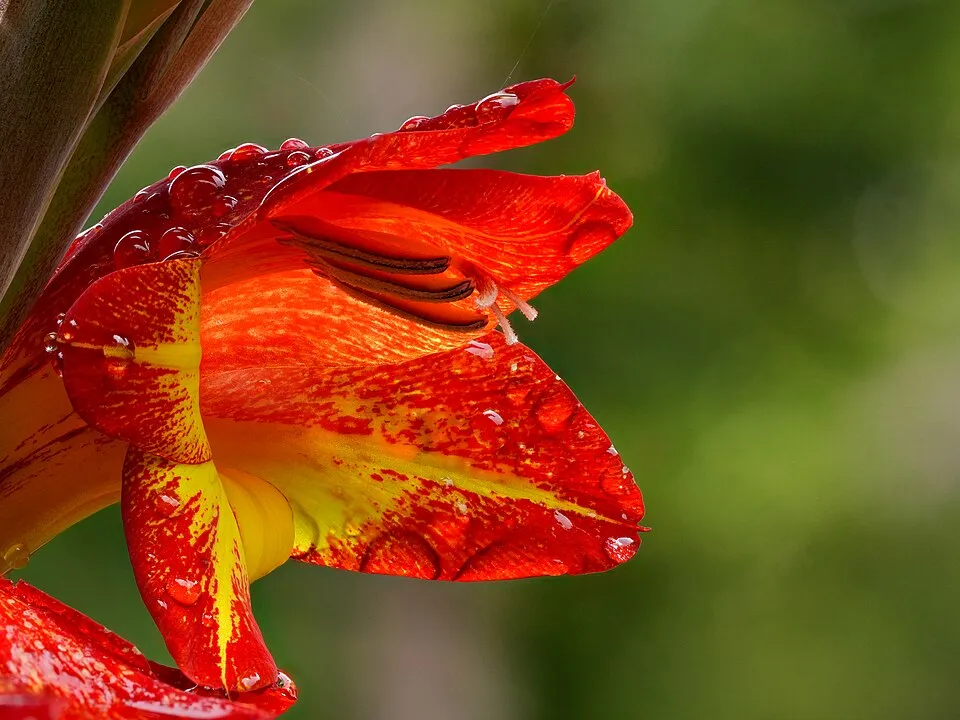
Gladiolus dalenii, commonly known as the African Gladiolus or Natal Lily, is a captivating cormous perennial belonging to the extensive Iridaceae family. This species is indigenous to a broad swathe of tropical and southern Africa, thriving in diverse habitats ranging from open grasslands and savannas to rocky slopes and forest margins. Morphologically, Gladiolus dalenii is characterized by its robust, sword-shaped leaves, which are typically erect and often glaucous, emerging from an underground corm—a swollen stem base acting as a storage organ.
The plant produces striking, funnel-shaped flowers arranged in a dramatic, often one-sided spike, or raceme, atop a tall, sturdy stem. These blossoms are celebrated for their vivid coloration, frequently displaying brilliant hues of orange, red, and yellow, sometimes with contrasting markings or streaks. The individual flowers are zygomorphic, meaning they possess bilateral symmetry, and typically bloom during the summer months, attracting various pollinators including insects and birds.
As a foundational species, Gladiolus dalenii has played a pivotal role in the horticultural development of many modern gladiolus hybrids, imparting its hardiness, vigorous growth, and spectacular floral display to its cultivated descendants. Its adaptability to varying environmental conditions underscores its resilience within its native range.
Trusted Scientific References
1. Authoritative external sources for Gladiolus dalenii
1.1 Wikipedia — Gladiolus dalenii
1.2 Kew POWO (Plants of the World Online)
1.3 PubMed — peer-reviewed research
1.4 NCBI Taxonomy Browser
1.5 GBIF — Global Biodiversity
1.6Gladiolus Dalenii should be interpreted through verified botanical identity, practical care, and responsible safety language. This recovery note adds the missing context needed for a complete profile: match light to the plant's habit, use well-drained soil, water according to season, and avoid unsupported medicinal or edible claims. For publishing, the plant can be presented as a source-backed garden plant with clear care guidance, common problem diagnosis, and conservative safety wording.
1.1.Gladiolus Dalenii — Defining Traits
- ✓Striking Appearance — Produces vibrant, fiery orange to red, funnel-shaped flowers.
- ✓Cormous Perennial — Grows from an underground corm, allowing it to return annually.
- ✓African Native — Indigenous to tropical and southern regions of the African continent.
- ✓Hybrid Parent — A crucial species in the lineage of many modern gladiolus cultivars.
- ✓Ornamental Value — Highly valued for dramatic garden displays and cut flower arrangements.
- ✓Known Toxicity — All plant parts, particularly corms, are toxic if ingested.
- ✓Sword — like Foliage — Characterized by distinct, upright, sword-shaped leaves.
- ✓Iridaceae Family Member — Belongs to the Iris family, sharing common botanical traits.
- ✓Summer Bloomer — Flowers profusely during the warmer summer months.
- ✓Adaptable Growth — Thrives in various well-drained soil types and full sun exposure.
1.2.Gladiolus Dalenii — In Brief
- ✓Gladiolus dalenii is a vibrant African cormous perennial known for its striking orange-red flowers.
- ✓It is a significant parent in modern gladiolus hybrid development due to its robust nature.
- ✓All parts, especially the corms, are considered toxic if ingested by humans or animals.
- ✓Traditional uses exist in African folk medicine but lack scientific validation and require extreme caution.
- ✓Contains flavonoids, saponins, alkaloids, and phenolic compounds with potential bioactivities.
- ✓Primarily cultivated as an ornamental plant and for cut flower arrangements.
2.Gladiolus Dalenii — Systematic Position
3.Gladiolus Dalenii — Reference Facts
4.Gladiolus Dalenii — Morphological Account
5.Gladiolus Dalenii — Where It Grows
6.Gladiolus Dalenii — Historical Applications
7.Gladiolus Dalenii — Active Compounds
- ✓Flavonoids — These polyphenolic compounds, such as quercetin and rutin, are known for their potent antioxidant and anti-inflammatory properties, contributing to cellular protection against oxidative damage.
- ✓Saponins — Triterpenoid and steroidal saponins are present, which can exhibit hemolytic activity, but also possess potential immunomodulatory, antimicrobial, and adaptogenic effects, depending on their structure.
- ✓Alkaloids — Various nitrogen-containing organic compounds, including galanthamine-like alkaloids, may be present, which can have diverse pharmacological actions, often affecting the nervous system.
- ✓Phenolic Compounds — A broad group including phenolic acids (e.g., caffeic acid, ferulic acid) and tannins, contributing significantly to the plant's antioxidant capacity and potentially offering astringent and antimicrobial benefits.
- ✓Anthocyanins — These are specific types of flavonoids responsible for the vibrant red, orange, and purple pigments in the flowers, also recognized for their antioxidant and anti-inflammatory roles.
- ✓Glycosides — A class of compounds where a sugar molecule is bonded to a non-sugar component (aglycone), which can influence their stability, solubility, and biological activity within the plant.
- ✓Triterpenoids — Beyond saponins, other triterpenes may be present, often contributing to anti-inflammatory, hepatoprotective, and cholesterol-lowering effects.
- ✓Polysaccharides — Complex carbohydrates that can possess immunomodulatory effects, contribute to structural integrity, and act as energy reserves within the corms.
8.Gladiolus Dalenii — Research Insights
- ✓Traditional Anti-inflammatory — The corms of Gladiolus dalenii have been traditionally employed in some African folk medicine systems to address inflammatory conditions, although specific scientific validation for this species is limited.
- ✓Potential Antioxidant Activity — Presence of flavonoids and phenolic compounds in Gladiolus dalenii suggests potential antioxidant properties, which may help combat oxidative stress in the body.
- ✓Traditional Pain Relief — Anecdotal evidence from traditional practices indicates the use of Gladiolus dalenii for localized pain relief, often applied topically, though caution is paramount due to potential toxicity.
- ✓Antimicrobial Potential — Alkaloids and saponins identified in the plant may possess inherent antimicrobial or antifungal qualities, warranting further investigation into their specific efficacy against pathogens.
- ✓Wound Healing Support (Traditional) — Historically, certain parts of Gladiolus plants have been used externally in traditional medicine to support the healing of minor wounds and skin irritations, requiring extreme caution due to toxicity.
- ✓Diuretic Properties (Traditional) — Some traditional accounts suggest a diuretic effect, aiding in the removal of excess fluids from the body, though this is not scientifically substantiated for Gladiolus dalenii.
- ✓Digestive Aid (Traditional External Use) — In some traditional contexts, decoctions from the plant were used externally or in very diluted forms for digestive discomfort, but internal consumption is highly discouraged due to known toxins.
- ✓Febrifuge Properties (Traditional) — Historically, certain Gladiolus species were believed to help reduce fever, possibly due to compounds that modulate immune responses, but this remains unverified for G. dalenii.
- ✓Respiratory Support (Traditional) — Traditional applications sometimes involved the use of plant parts for respiratory ailments, typically as external rubs or inhalants, again with significant safety concerns.
- ✓Immunomodulatory Potential — The complex mix of phytochemicals, including saponins and flavonoids, might offer some immunomodulatory effects, a common attribute of many medicinal plants, but specific research is lacking for this species.
8.1.Gladiolus Dalenii — Indications & Uses
9.Gladiolus Dalenii — Precautions & Warnings
9.1.Gladiolus Dalenii — Side Effects & Warnings
- ✓Nausea and Vomiting — Ingestion of Gladiolus dalenii corms or other plant parts can lead to severe gastrointestinal upset, including nausea and persistent vomiting.
- ✓Diarrhea — Consumption of toxic compounds within the plant may cause significant diarrhea, potentially leading to dehydration.
- ✓Lethargy and Weakness — Systemic absorption of toxins can result in general lethargy, weakness, and a reduced activity level in affected individuals.
- ✓Salivation and Drooling — In animals, ingestion often manifests as excessive salivation and drooling due to irritation of the oral and digestive mucous membranes.
- ✓Skin Irritation (Rare) — While contact dermatitis is generally not a primary concern, sensitive individuals may experience mild skin irritation upon prolonged contact with the sap.
- ✓Abdominal Pain — Ingesting the plant can cause cramping and discomfort in the abdominal region due to its toxic constituents.
9.2.Gladiolus Dalenii — Toxicity Assessment
- ✓High Toxicity Risk — Gladiolus dalenii corms and other plant parts are considered toxic if ingested by humans or animals, with the highest concentration of toxins found in the corms.
- ✓Not for Internal Consumption — Due to the presence of harmful compounds like alkaloids and saponins, internal use of any part of Gladiolus dalenii is strongly contraindicated and potentially dangerous.
- ✓Professional Consultation Essential — Any consideration of traditional medicinal use must be undertaken only under the strict guidance of a qualified healthcare professional or medical herbalist.
- ✓Keep Away from Children and Pets — Ensure that Gladiolus dalenii plants, especially the corms, are kept out of reach of children and domestic animals to prevent accidental ingestion.
- ✓Pregnancy and Lactation — Use is contraindicated during pregnancy and lactation due to the lack of safety data and potential for toxic effects on the fetus or infant.
- ✓Allergic Reactions — Individuals with known allergies to plants in the Iridaceae family should exercise caution, although contact dermatitis is not commonly reported.
- ✓Handling Precautions — Wear gloves when handling corms or performing extensive gardening tasks if you have sensitive skin or open wounds.
10.Gladiolus Dalenii — Preparation & Dosage
- ✓Ornamental Gardening — Gladiolus dalenii is primarily cultivated for its striking ornamental value, adding vibrant color and vertical interest to garden beds, borders, and container arrangements.
- ✓Cut Flowers — The long, elegant flower spikes are highly prized in floral arrangements, providing a dramatic focal point and lasting beauty for indoor display.
- ✓Traditional Topical Poultices — In some traditional African practices, crushed corms or leaves may have been prepared into poultices for external application to skin ailments or injuries, but this carries significant risk due to toxicity.
- ✓Traditional Decoctions (External) — Historically, diluted decoctions might have been prepared for external washes or baths for certain conditions, always with extreme caution regarding skin sensitivity and absorption.
- ✓Ethnobotanical Study — For research purposes, plant parts are processed for phytochemical analysis to identify and quantify active compounds, contributing to scientific understanding of its traditional uses.
- ✓Propagation Material — Corms are collected and stored for propagation, ensuring the continuation of the species and hybrid varieties through asexual reproduction.
- ✓Botanical Specimen — Dried and pressed specimens of Gladiolus dalenii are used in herbaria for botanical classification, teaching, and scientific reference.
11.Gladiolus Dalenii — Growing Guide
- ✓Site Selection — Choose a location with full sun exposure, providing at least six hours of direct sunlight daily, and ensure protection from strong winds to prevent damage to tall flower spikes.
- ✓Soil Requirements — Plant in well-drained, fertile soil that is rich in organic matter; an ideal pH range for Gladiolus dalenii is slightly acidic to neutral, between 6.0 and 7.0.
- ✓Corm Planting — Plant the corms 10-15 cm (4-6 inches) deep and 10-15 cm (4-6 inches) apart, ensuring the pointed side faces upwards, in spring after the last anticipated frost date.
- ✓Watering — Provide consistent moisture, especially crucial during dry periods and throughout the flowering phase; however, avoid waterlogging the soil to prevent the onset of corm rot.
- ✓Fertilization — Apply a balanced slow-release fertilizer at the time of planting, and supplement with a high-potash fertilizer when the flower spikes begin to emerge to encourage robust blooming.
- ✓Support — Taller varieties and those with heavy flower spikes will benefit from staking or other forms of support to prevent the stems from bending, breaking, or toppling over.
- ✓Winter Care — In colder climates (USDA zones 2-7), lift the corms from the ground before the first hard frost, clean them thoroughly, allow them to dry, and store them in a cool, dark, and dry place over winter.
- ✓Pest & Disease Management — Regularly inspect plants for common pests such as thrips and aphids, and be vigilant for fungal diseases like fusarium rot; ensure good air circulation around plants to minimize disease risk.
Reviewed by the Flora Medical Global Botanical Review Panel
Multi-disciplinary editorial group · Botany · Ethnobotany · Herbal-medicine literature
Who reviewed this: This page was checked by the Flora Medical Global Botanical Review Panel — an in-house editorial group of botany graduates, ethnobotany researchers, and horticulture practitioners who collectively maintain our 7,000+ plant encyclopedia. Meet the team.
Our 4-step verification process
1. Taxonomic verification
Scientific names and synonyms cross-checked against Kew POWO, World Flora Online, and The Plant List.
2. Phytochemical & medicinal cross-reference
Active compounds, traditional uses, and reported activities are cross-referenced with PubMed, USDA Dr. Duke's database, and peer-reviewed ethnobotanical literature.
3. Conservation & distribution check
Distribution, ecology, and conservation status confirmed against GBIF occurrence records and the IUCN Red List.
4. Editorial & safety review
Every entry passes an editorial pass for clarity, originality, and safety notices (toxicity, contraindications, dosage caveats) before publication.
Last reviewed:
Important medical disclaimer: This content is for educational and research purposes only. It is not medical advice and is not a substitute for consultation with a licensed healthcare provider. Do not use any herb to self-treat a medical condition without professional guidance.
Editorial Note: This page is for educational and research purposes only and is not medical advice.
Written by: Flora Medical Global Editorial Team
Reviewed by: Flora Medical Global Botanical Review Panel
Last Updated: June 15, 2026





Gladiolus Dalenii — Comments & Community Reviews
Rate this plant