

Medical Disclaimer: This content is for educational purposes only. It is not medical advice. Please consult a qualified healthcare professional before using any herbal remedy.
Safety Overview
1.Gloriosum Philodendron — Essential Profile
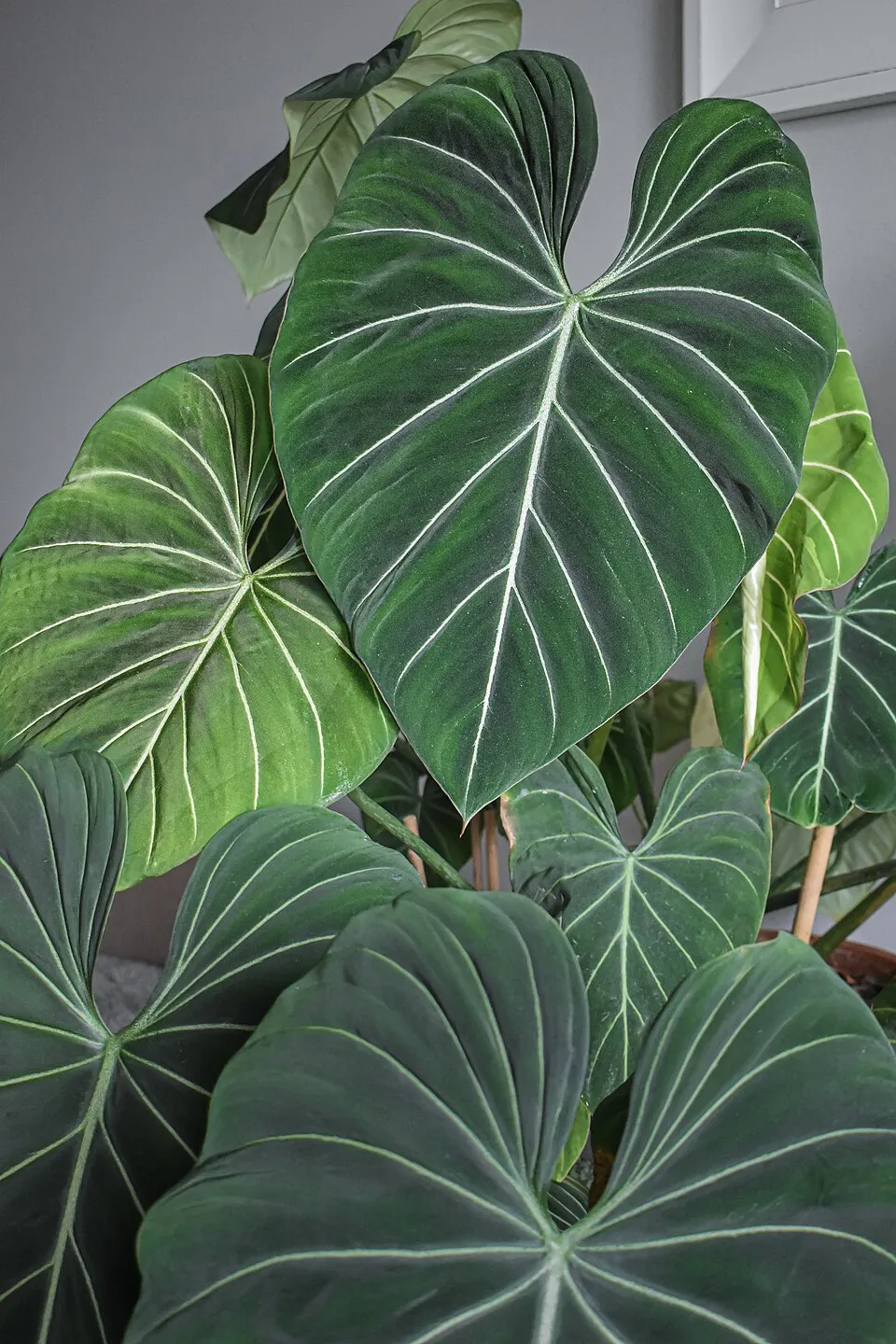
Philodendron gloriosum, commonly known as Gloriosum Philodendron, is an exquisite terrestrial aroid celebrated predominantly for its magnificent ornamental value rather than direct medicinal applications, though its aesthetic presence undoubtedly contributes to human well-being. This distinguished species is indigenous to the humid, tropical rainforests of Colombia, where it thrives in the dappled light of the understory, benefiting from the consistent warmth and high humidity characteristic of its native habitat. Morphologically, Philodendron gloriosum is instantly recognizable by its spectacular, deeply veined, heart-shaped (cordate) leaves, which can achieve substantial dimensions, frequently extending to 30-40 cm in length and 20-30 cm in width. The foliage exhibits a rich, dark green coloration, dramatically contrasted by prominent, almost silvery-white to pale green venation that forms an intricate, reticulated pattern across the velvety leaf lamina. The abaxial (underside) surface of the leaf typically maintains a lighter green hue.
Distinct from many epiphytic philodendrons that climb, P. gloriosum displays a creeping, rhizomatous growth habit, with its thick, cylindrical stems trailing horizontally along the forest floor. These stems are often covered with fine, velvety hairs, imparting a unique tactile quality, and they readily root at the nodes as the plant spreads. When cultivated indoors, it typically maintains a more compact stature, reaching heights of 60-90 cm, making it a highly favored specimen for interior landscaping. Its fibrous and relatively shallow root system is adept at nutrient uptake from the rich leaf litter and organic matter prevalent on the forest floor.
As a member of the vast Araceae family, which encompasses diverse genera such as Monstera, Anthurium, and Colocasia, P. gloriosum shares specific botanical characteristics, including the production of an inflorescence known as a spadix, elegantly encircled by a modified leaf called a spathe. In its natural environment and under optimal conditions, it produces small, creamy-white to pale green inflorescences, although flowering is a rare occurrence in indoor cultivation.
Trusted Scientific References
1. Authoritative external sources for Philodendron gloriosum
1.1 Wikipedia — Philodendron gloriosum
1.2 Kew POWO (Plants of the World Online)
1.3 PubMed — peer-reviewed research
1.4 NCBI Taxonomy Browser
1.5 GBIF — Global Biodiversity
1.1.Gloriosum Philodendron — Highlights
- ✓Velvety Leaf Texture — Distinctive soft, matte finish on the adaxial surface of its leaves.
- ✓Prominent White Venation — Striking, almost silvery-white veins create a captivating pattern against dark green foliage.
- ✓Cordate Leaf Shape — Characteristically large, heart-shaped leaves, a signature of the species' beauty.
- ✓Creeping Terrestrial Habit — Grows horizontally along the ground, rooting at nodes, rather than climbing.
- ✓Large Foliage — Leaves can reach impressive sizes, often up to 90 cm (3 feet) in length in ideal conditions.
- ✓Native to Colombia — Indigenous to the tropical rainforests of South America, preferring humid, shaded environments.
- ✓Araceae Family Member — Belongs to the Aroid family, sharing features like a spadix and spathe inflorescence.
- ✓Ornamental Value — Highly sought after in horticulture for its exceptional beauty and decorative appeal.
- ✓Toxic by Ingestion — Contains calcium oxalate crystals, making all plant parts irritating and toxic if consumed.
- ✓Adaptable Houseplant — Can be successfully cultivated indoors with proper care for light, humidity, and soil conditions.
1.2.Gloriosum Philodendron — Concise Overview
- ✓Philodendron gloriosum is a stunning terrestrial aroid, highly prized for its large, velvety, heart-shaped leaves with prominent white venation.
- ✓Native to the understory of Colombian rainforests, it thrives in high humidity and indirect light.
- ✓It exhibits a unique creeping, rhizomatous growth habit, spreading along the ground.
- ✓All parts of the plant are toxic due to the presence of irritating calcium oxalate crystals.
- ✓Primarily valued for its exceptional ornamental appeal and its contribution to biophilic indoor environments.
- ✓Requires consistent care regarding light, water, humidity, and temperature to flourish as a houseplant.
2.Gloriosum Philodendron — Botanical Identity
3.Gloriosum Philodendron — Fact Sheet
4.Gloriosum Philodendron — Botanical Features
5.Gloriosum Philodendron — Origin & Spread
6.Gloriosum Philodendron — Folk Medicine Applications
7.Gloriosum Philodendron — Phytochemistry
- ✓Calcium Oxalate — Abundant in all plant parts, present as needle-like raphides which cause immediate mechanical irritation and a burning sensation upon contact or ingestion.
- ✓Flavonoids — General class of polyphenolic compounds likely present in trace amounts, acting as natural pigments and contributing to the plant's internal antioxidant defense mechanisms.
- ✓Alkaloids — While not specifically isolated or characterized for P. gloriosum, various nitrogenous compounds are common in the Araceae family, potentially serving diverse biological roles within the plant.
- ✓Saponins — These glycosides, known for their foaming properties, may be present in the plant, potentially contributing to its defense against herbivores, though specific studies are lacking.
- ✓Terpenoids — A diverse group of organic compounds that contribute to plant aroma and defense; their presence is probable, albeit in unquantified amounts for this specific species.
- ✓Phenolic Acids — Common plant secondary metabolites with antioxidant and antimicrobial properties, likely present as protective agents within the plant tissues.
- ✓Glycosides — A broad category of compounds where a sugar molecule is bonded to a non-sugar component; various types may exist, though their specific functions in P. gloriosum are unknown.
- ✓Proteins and Enzymes — Essential for all metabolic processes within the plant, some of which may also play roles in defense or stress response.
8.Gloriosum Philodendron — Pharmacological Findings
- ✓Ornamental Value — Philodendron gloriosum is primarily cherished for its striking aesthetic appeal, enhancing indoor environments and contributing to a sense of tranquility and natural beauty.
- ✓Biophilic Connection — Cultivating this plant fosters a direct connection to nature, which can promote psychological well-being, reduce stress, and improve mood through passive interaction.
- ✓Indoor Air Quality — Like many houseplants, it contributes to minor improvements in indoor air quality by absorbing some volatile organic compounds and releasing oxygen.
- ✓Humidity Regulation — Through natural transpiration, the plant can subtly increase ambient humidity levels, which may be beneficial for respiratory comfort in dry indoor climates.
- ✓Mental Well-being — The act of nurturing and observing the growth of its magnificent leaves can be a meditative practice, providing a sense of accomplishment and calm.
- ✓Aesthetic Therapy — Its vibrant dark green leaves and contrasting venation offer visual stimulation and can positively influence the atmosphere of a living or working space.
- ✓Educational Specimen — Serves as an excellent botanical example for studying plant morphology, tropical ecosystems, and the Araceae family in educational or personal settings.
- ✓Non-Allergenic Foliage Focus — As its primary appeal is its foliage rather than flowers, it may be suitable for individuals sensitive to pollen, reducing potential allergen exposure.
- ✓Potential for Future Research — While currently lacking documented medicinal uses, its unexplored phytochemistry could hold interest for future botanical and pharmacological investigations.
- ✓Habitat Simulation — Incorporating P. gloriosum into indoor designs can create a mini-tropical ecosystem, fostering a lush and vibrant atmosphere that mimics its natural rainforest home.
8.1.Gloriosum Philodendron — Health Applications
9.Gloriosum Philodendron — Cautions & Contraindications
9.1.Gloriosum Philodendron — Possible Adverse Reactions
- ✓Oral Irritation — Ingestion of any part of Philodendron gloriosum causes immediate and intense burning, swelling, and pain in the mouth, tongue, and throat due to calcium oxalate crystals.
- ✓Gastrointestinal Distress — Consumption can lead to symptoms such as nausea, vomiting, abdominal pain, and difficulty swallowing.
- ✓Skin Irritation — Direct contact with the sap may cause dermatitis, characterized by itching, redness, and a burning sensation in sensitive individuals.
- ✓Airway Swelling — Severe cases of ingestion can result in significant swelling of the larynx and pharynx, potentially leading to respiratory difficulty or obstruction.
- ✓Ocular Irritation — Accidental contact of sap with the eyes can cause severe pain, redness, irritation, and temporary vision disturbances.
- ✓Allergic Reactions — Although rare, some individuals may exhibit allergic responses to other plant compounds present in the foliage or sap.
9.2.Gloriosum Philodendron — Toxicity Assessment
- ✓Toxic by Ingestion — All parts of Philodendron gloriosum contain insoluble calcium oxalate crystals and are considered toxic if ingested; it is not safe for internal consumption.
- ✓Keep Out of Reach — Absolutely ensure the plant is placed in an area inaccessible to children, pets, and vulnerable individuals to prevent accidental ingestion.
- ✓Handle with Care — Wear gloves when handling the plant, especially during pruning or propagation, to avoid potential skin irritation from the sap.
- ✓First Aid for Ingestion — In the event of accidental ingestion, immediately rinse the mouth thoroughly, drink milk to soothe irritation, and seek prompt medical attention or contact poison control.
- ✓Eye Contact Protocol — If sap comes into contact with the eyes, flush the affected eye(s) with copious amounts of clean water for at least 15 minutes and consult a healthcare professional.
- ✓No Traditional Medicinal Use — This species has no documented history of safe or effective internal medicinal use in any traditional herbal system; its application is strictly ornamental.
- ✓Ornamental Use Only — Philodendron gloriosum is intended purely for aesthetic purposes and should never be prepared or consumed as an herbal remedy or food.
10.Gloriosum Philodendron — Preparation Methods
- ✓Ornamental Display — Primarily cultivated as an indoor houseplant or in shaded tropical garden settings for its exceptional foliage and aesthetic appeal.
- ✓Biophilic Design Integration — Utilized in interior design to enhance living and working spaces, fostering a connection to nature and promoting a calming atmosphere.
- ✓Passive Air Purification — Positioned in rooms to contribute to general indoor air quality through its natural photosynthetic and transpirative processes.
- ✓Humidity Enhancement — Placed in areas where a slight increase in ambient humidity is desired, beneficial for both human comfort and other humidity-loving plants.
- ✓Botanical Education — Serves as a living specimen for studying plant morphology, taxonomy, and the unique characteristics of the Araceae family.
- ✓Propagation for Collection Expansion — Healthy stem cuttings are commonly rooted in water or a moist substrate to propagate new plants for personal collections or sharing.
- ✓Aesthetic Focal Point — Due to its large, strikingly veined leaves, it is often used as a central decorative element in plant displays or terrariums.
- ✓Strictly External/Ornamental Use — It is crucial to emphasize that this plant is solely for ornamental purposes; never ingest any part due to its inherent toxicity.
11.Gloriosum Philodendron — Garden Cultivation
- ✓Light — Provide bright, indirect light; direct sunlight can scorch the velvety leaves of Philodendron gloriosum.
- ✓Soil — Use a well-draining, airy, peat-based potting mix, ideally with a slightly acidic to neutral pH, enriched with perlite or orchid bark.
- ✓Water — Water thoroughly when the top 1-2 inches of soil feel dry to the touch; ensure excellent drainage to prevent root rot.
- ✓Humidity — Prefers high humidity (50-60% or higher); misting, using a pebble tray, or placing near a humidifier is highly beneficial.
- ✓Temperature — Maintain consistent temperatures between 18-29°C (65-85°F); protect from cold drafts and temperatures below 15°C.
- ✓Fertilization — Feed with a balanced, liquid fertilizer diluted to half strength every 4-6 weeks during the spring and summer growing seasons.
- ✓Pruning — Prune only to remove yellowing or damaged leaves, or to manage size and shape, using sterile pruning shears to prevent disease.
- ✓Repotting — Repot every 2-3 years, or when the plant becomes root-bound, into a pot one size larger to accommodate its creeping growth habit.
Reviewed by the Flora Medical Global Botanical Review Panel
Multi-disciplinary editorial group · Botany · Ethnobotany · Herbal-medicine literature
Who reviewed this: This page was checked by the Flora Medical Global Botanical Review Panel — an in-house editorial group of botany graduates, ethnobotany researchers, and horticulture practitioners who collectively maintain our 7,000+ plant encyclopedia. Meet the team.
Our 4-step verification process
1. Taxonomic verification
Scientific names and synonyms cross-checked against Kew POWO, World Flora Online, and The Plant List.
2. Phytochemical & medicinal cross-reference
Active compounds, traditional uses, and reported activities are cross-referenced with PubMed, USDA Dr. Duke's database, and peer-reviewed ethnobotanical literature.
3. Conservation & distribution check
Distribution, ecology, and conservation status confirmed against GBIF occurrence records and the IUCN Red List.
4. Editorial & safety review
Every entry passes an editorial pass for clarity, originality, and safety notices (toxicity, contraindications, dosage caveats) before publication.
Last reviewed:
Important medical disclaimer: This content is for educational and research purposes only. It is not medical advice and is not a substitute for consultation with a licensed healthcare provider. Do not use any herb to self-treat a medical condition without professional guidance.
Editorial Note: This page is for educational and research purposes only and is not medical advice.
Written by: Flora Medical Global Editorial Team
Reviewed by: Flora Medical Global Botanical Review Panel
Last Updated: June 15, 2026





Gloriosum Philodendron — Comments & Community Reviews
Rate this plant