
Medical Disclaimer: This content is for educational purposes only. It is not medical advice. Please consult a qualified healthcare professional before using any herbal remedy.
Safety Overview
1.Grandiflora Rose — Botanical Snapshot
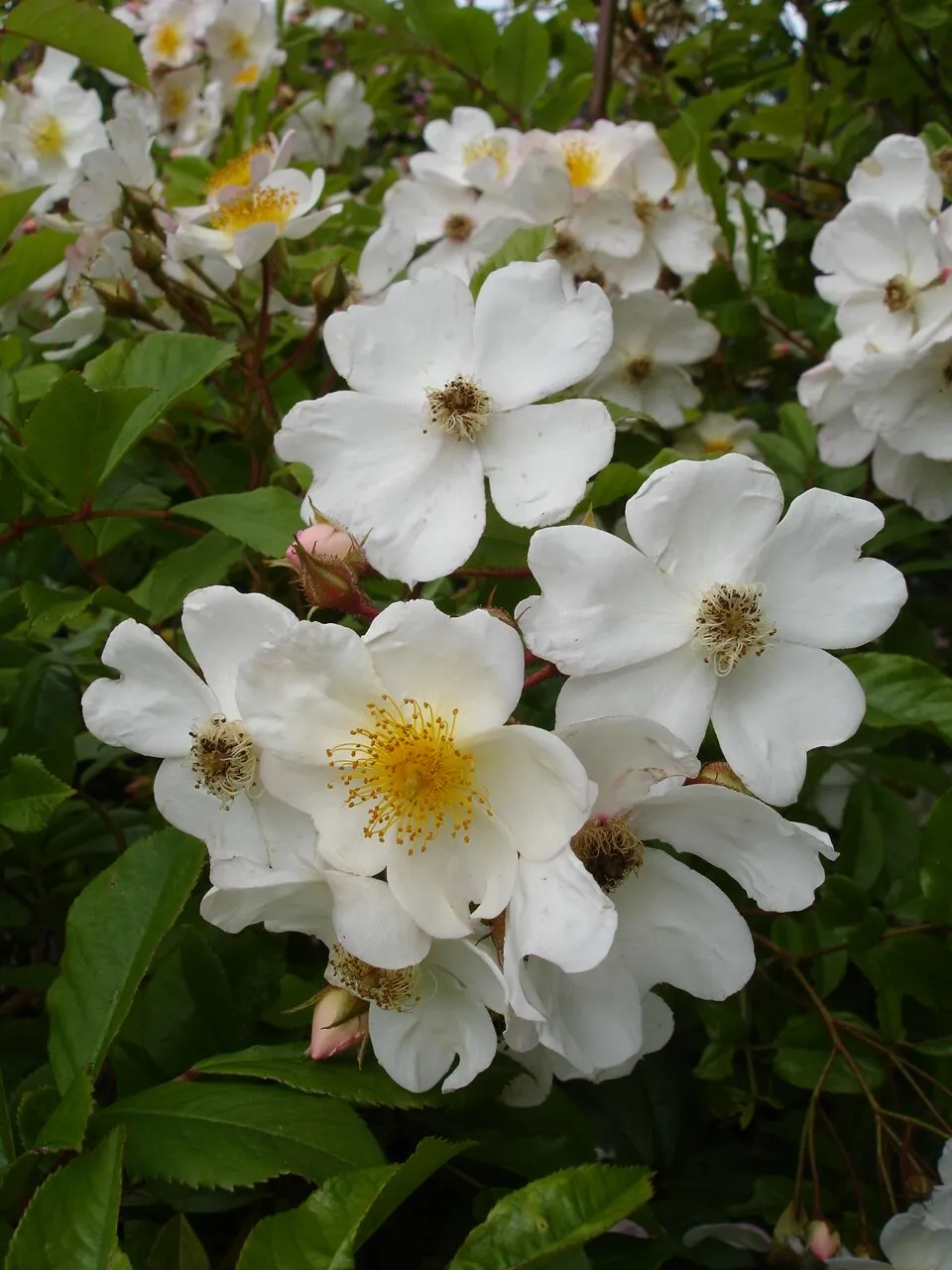
The Grandiflora Rose, scientifically known as Rosa grandiflora, represents a distinct and celebrated class of hybrid roses, ingeniously created in 1954 through a cross between the elegant Hybrid Tea and the prolific Floribunda roses. This horticultural innovation aimed to combine the best attributes of both parents, resulting in a vigorous, tall shrub that typically reaches heights greater than traditional Hybrid Teas but offers a more refined silhouette than the bushier Floribundas. Morphologically, Rosa grandiflora is characterized by its long, robust stems, which proudly bear large, often high-centered blooms.
Unlike the solitary flowers of many Hybrid Teas, Grandifloras frequently present their exquisite blossoms in clusters or 'trusses' at the end of each branch, offering a continuous spectacle of color and a delightful fragrance that ranges from subtly sweet to intensely aromatic. These characteristics make them exceptionally popular for cut flower arrangements and as prominent landscape features in gardens. Cultivated globally, Grandiflora roses thrive in a wide range of climates, typically hardy across USDA Zones 4-10, provided they receive ample sunlight and proper care.
Their consistent reblooming habit ensures a prolonged season of beauty, making them a cornerstone in rose cultivation.
Trusted Scientific References
1. Authoritative external sources for Rosa grandiflora
1.1 Wikipedia — Rosa grandiflora
1.2 Kew POWO (Plants of the World Online)
1.3 PubMed — peer-reviewed research
1.4 NCBI Taxonomy Browser
1.5 GBIF — Global Biodiversity
1.6Grandiflora Rose should be interpreted through verified botanical identity, practical care, and responsible safety language. This recovery note adds the missing context needed for a complete profile: match light to the plant's habit, use well-drained soil, water according to season, and avoid unsupported medicinal or edible claims. For publishing, the plant can be presented as a source-backed garden plant with clear care guidance, common problem diagnosis, and conservative safety wording.
1.1.Grandiflora Rose — Highlights
- ✓Hybrid Vigor — Combines the robust growth of Floribundas with the elegance of Hybrid Teas.
- ✓Large, Clustered Blooms — Produces substantial flowers often grouped in trusses on strong stems.
- ✓Elegant Form — Classic high-centered rose shape, making them ideal for cut flowers.
- ✓Delightful Fragrance — Many varieties offer a strong, sweet, and captivating aroma.
- ✓Continuous Blooming — Reblooms consistently throughout the growing season, from spring to fall.
- ✓Long, Strong Stems — Excellent for floral arrangements due to their durable and lengthy stems.
- ✓Disease Resistance — Modern Grandiflora varieties are bred for improved resistance to common rose diseases.
- ✓Versatile Landscape Use — Suitable for hedges, borders, specimen plantings, and container gardens.
- ✓Cold Hardiness — Adaptable to a wide range of climates, thriving in USDA Zones 4-10 with proper care.
- ✓Ornamental and Medicinal Potential — Valued for aesthetic beauty and shared therapeutic properties of the Rosa genus.
1.2.Grandiflora Rose — Quick Summary
- ✓Grandiflora Rose is a hybrid cross of Hybrid Tea and Floribunda, known for large, fragrant blooms in clusters.
- ✓Primarily ornamental, it shares medicinal properties with other Rosa species, particularly high Vitamin C in rose hips.
- ✓Rose hips offer immune support, while petals and rose water provide anti-inflammatory and skin-soothing benefits.
- ✓Cultivated for continuous bloom and elegant form, requiring full sun and well-drained soil.
- ✓Traditional uses include treating colds, skin irritations, and aiding digestion.
- ✓Generally safe, but caution advised for allergies, pregnancy, and potential medication interactions.
2.Grandiflora Rose — Scientific Identity
3.Grandiflora Rose — Fact Sheet
4.Grandiflora Rose — Botanical Features
5.Grandiflora Rose — Ecological Habitat
6.Grandiflora Rose — Heritage Uses
7.Grandiflora Rose — Chemical Profile
- ✓Ascorbic Acid (Vitamin C) — A potent antioxidant crucial for immune function, collagen synthesis, and protecting cells from oxidative damage, found in high concentrations in rose hips.
- ✓Flavonoids — Including quercetin, kaempferol, and anthocyanins, these compounds provide significant antioxidant, anti-inflammatory, and cardioprotective benefits, present in petals and hips.
- ✓Carotenoids — Such as beta-carotene, lycopene, and zeaxanthin, acting as powerful antioxidants and precursors to Vitamin A, primarily concentrated in the vibrant rose hips.
- ✓Polyphenols — A broad category encompassing tannins and phenolic acids, contributing to the plant's astringent, antioxidant, and antimicrobial properties, found in petals and hips.
- ✓Essential Oils — Comprising monoterpenes like geraniol, citronellol, and nerol, responsible for the characteristic fragrance and exhibiting antiseptic, anti-inflammatory, and calming effects, predominantly in petals.
- ✓Tannins — A type of polyphenol providing astringent properties, useful for tightening tissues and reducing inflammation, present in both petals and hips.
- ✓Pectin — A soluble fiber found in rose hips, contributing to their jelly-making properties and supporting digestive health.
- ✓Organic Acids — Including malic acid and citric acid, which contribute to the tart flavor of rose hips and may have mild digestive benefits.
- ✓Fatty Acids — Present in the seeds within rose hips, including linoleic and linolenic acids, important for skin health and cell membrane integrity.
- ✓Triterpenoids — Such as ursolic acid, found in various parts of the plant, known for potential anti-inflammatory and hepatoprotective activities.
8.Grandiflora Rose — Evidence-Based Benefits
- ✓Immune System Support — Rose hips, the fruit of Rosa grandiflora and related species, are exceptionally rich in Vitamin C, flavonoids, and carotenoids, acting as powerful antioxidants to bolster the body's natural defenses against pathogens and oxidative stress.
- ✓Anti-inflammatory Action — Extracts from rose petals and hips contain compounds like flavonoids and polyphenols that can help reduce inflammation, both internally and when applied topically to soothe irritated skin conditions.
- ✓Antioxidant Properties — The high concentration of ascorbic acid, anthocyanins, and other phenolic compounds in rose hips actively neutralizes free radicals, protecting cells from damage and supporting overall cellular health.
- ✓Skin Soothing and Hydration — Rose water and petal infusions exhibit astringent and anti-inflammatory effects, making them beneficial for calming redness, reducing skin irritation, and providing gentle hydration for dry or sensitive skin.
- ✓Mild Laxative Effect — Traditional use of rose petal infusions suggests a gentle laxative action, which can aid in relieving mild constipation by stimulating bowel movements and promoting digestive comfort.
- ✓Stress Reduction and Mood Enhancement — The delicate fragrance and essential oils found in rose petals are known for their calming and anxiolytic properties, often used in aromatherapy to reduce stress, alleviate anxiety, and uplift mood.
- ✓Antiseptic Qualities — Rose essential oil and rose water possess mild antiseptic properties, which can assist in cleansing minor wounds, preventing infection, and promoting healing when used topically.
- ✓Digestive Aid — Beyond its laxative effect, rose petal tea is traditionally consumed to soothe digestive discomfort, reduce bloating, and support healthy gut function due to its mild astringent and carminative properties.
- ✓Cardiovascular Health — Flavonoids and antioxidants in rose hips may contribute to cardiovascular well-being by improving blood vessel health and reducing oxidative stress, though specific research on Grandiflora is limited.
- ✓Eye Health Support — Carotenoids like beta-carotene in rose hips are precursors to Vitamin A, which is crucial for maintaining healthy vision and protecting eye tissues from oxidative damage.
8.1.Grandiflora Rose — Indications & Uses
9.Grandiflora Rose — Cautions & Contraindications
9.1.Grandiflora Rose — Caution Notes
- ✓Allergic Reactions — Some individuals may experience skin irritation, redness, or itching when applying rose products topically, or allergic reactions like sneezing or nasal congestion from inhaling rose fragrance.
- ✓Digestive Upset — High doses of rose hip products, particularly supplements, may lead to mild gastrointestinal issues such as stomach cramps, diarrhea, or nausea.
- ✓Laxative Effect — Overconsumption of rose petal infusions or rose hips can result in an overly potent laxative effect, potentially causing dehydration or electrolyte imbalance.
- ✓Medication Interactions — Rose hip products, due to their Vitamin K content (though generally low), might theoretically interfere with anticoagulant medications like warfarin; consult a healthcare provider.
- ✓Iron Absorption — The high Vitamin C content in rose hips can enhance iron absorption, which might be a concern for individuals with conditions like hemochromatosis.
- ✓Kidney Stones — In rare cases, excessive intake of Vitamin C from rose hips might contribute to oxalate kidney stone formation in susceptible individuals.
9.2.Grandiflora Rose — Toxicity Assessment
- ✓Pregnancy and Lactation — Pregnant or breastfeeding individuals should consult a healthcare professional before using Grandiflora rose products medicinally, especially in concentrated forms.
- ✓Allergic Sensitivity — Individuals with known allergies to plants in the Rosaceae family should exercise caution and perform a patch test before topical application.
- ✓Dosage Adherence — Always follow recommended dosages for medicinal rose products; excessive intake can lead to adverse effects, particularly digestive issues.
- ✓Quality Sourcing — Ensure that any Grandiflora rose hips or petals used for medicinal purposes are organically grown and free from pesticides or chemical treatments.
- ✓Topical Patch Test — Before applying rose water or petal preparations extensively to the skin, conduct a small patch test to check for any adverse reactions.
- ✓Children — While generally safe in small amounts for culinary use, medicinal doses of rose products for children should only be administered under medical supervision.
- ✓Chronic Conditions — Individuals with chronic health conditions, especially kidney disorders or hemochromatosis, should consult a doctor before consuming rose hip products.
10.Grandiflora Rose — Usage Guide
- ✓Rose Hip Tea — Steep 1-2 teaspoons of dried, crushed Grandiflora rose hips in hot water for 10-15 minutes; strain and drink for immune support and Vitamin C intake.
- ✓Rose Hip Syrup — Simmer fresh or dried rose hips with water, strain, then combine the liquid with sugar to create a vitamin-rich syrup, excellent for colds and flu prevention.
- ✓Rose Petal Infusion (Internal) — Steep 1-2 tablespoons of fresh or dried Grandiflora rose petals in hot water for 5-10 minutes; strain and drink for a mild calming effect or digestive aid.
- ✓Rose Water (Topical) — Distill Grandiflora rose petals to produce rose water, which can be applied directly to the skin as a toner, anti-inflammatory agent, or hydrating mist.
- ✓Rose Petal Poultice — Crush fresh Grandiflora rose petals and apply directly to minor skin irritations, redness, or insect bites for a soothing and anti-inflammatory effect.
- ✓Rose Hip Jam/Jelly — Cook fresh Grandiflora rose hips with sugar and pectin to create a flavorful and nutrient-dense jam, perfect for spreading or baking.
- ✓Culinary Garnish — Fresh Grandiflora rose petals, ensuring they are organically grown and free of pesticides, can be used as an edible garnish for desserts, salads, and beverages.
- ✓Aromatic Bath — Add a handful of fresh Grandiflora rose petals to bathwater for a calming and fragrant experience, promoting relaxation and skin soothing.
11.Grandiflora Rose — Garden Cultivation
- ✓Site Selection — Plant Grandiflora Roses in a location receiving at least 6-8 hours of direct full sun daily, with good air circulation to prevent fungal diseases.
- ✓Soil Preparation — Ensure well-drained, fertile soil with a slightly acidic to neutral pH range of 6.0 to 6.5, amending with compost to improve structure and nutrient content.
- ✓Planting Technique — Dig a hole twice as wide as the root ball and just as deep; place the rose so the graft union is at or slightly below soil level in colder climates.
- ✓Watering Regimen — Water deeply and consistently, especially during dry spells, aiming for about 1 inch of water per week, directly at the base to avoid wetting foliage.
- ✓Fertilization Schedule — Apply a balanced granular rose fertilizer monthly from early spring through late summer, following package directions for optimal bloom and growth.
- ✓Pruning Practices — Prune in early spring, removing dead, diseased, or weak canes, and cutting healthy canes back by one-third to one-half; deadhead spent blooms throughout the season to encourage continuous flowering.
- ✓Winter Protection — In USDA Zones 7 and colder, mound mulch around the base of the plant in late fall to protect the graft union from freezing temperatures.
- ✓Pest and Disease Management — While generally disease-resistant, monitor for common rose pests and diseases, treating with organic or chemical controls as needed.
Reviewed by the Flora Medical Global Botanical Review Panel
Multi-disciplinary editorial group · Botany · Ethnobotany · Herbal-medicine literature
Who reviewed this: This page was checked by the Flora Medical Global Botanical Review Panel — an in-house editorial group of botany graduates, ethnobotany researchers, and horticulture practitioners who collectively maintain our 7,000+ plant encyclopedia. Meet the team.
Our 4-step verification process
1. Taxonomic verification
Scientific names and synonyms cross-checked against Kew POWO, World Flora Online, and The Plant List.
2. Phytochemical & medicinal cross-reference
Active compounds, traditional uses, and reported activities are cross-referenced with PubMed, USDA Dr. Duke's database, and peer-reviewed ethnobotanical literature.
3. Conservation & distribution check
Distribution, ecology, and conservation status confirmed against GBIF occurrence records and the IUCN Red List.
4. Editorial & safety review
Every entry passes an editorial pass for clarity, originality, and safety notices (toxicity, contraindications, dosage caveats) before publication.
Last reviewed:
Important medical disclaimer: This content is for educational and research purposes only. It is not medical advice and is not a substitute for consultation with a licensed healthcare provider. Do not use any herb to self-treat a medical condition without professional guidance.
Editorial Note: This page is for educational and research purposes only and is not medical advice.
Written by: Flora Medical Global Editorial Team
Reviewed by: Flora Medical Global Botanical Review Panel
Last Updated: June 15, 2026





Grandiflora Rose — Comments & Community Reviews
Rate this plant