
Medical Disclaimer: This content is for educational purposes only. It is not medical advice. Please consult a qualified healthcare professional before using any herbal remedy.
Safety Overview
1.Graptosedum — At a Glance
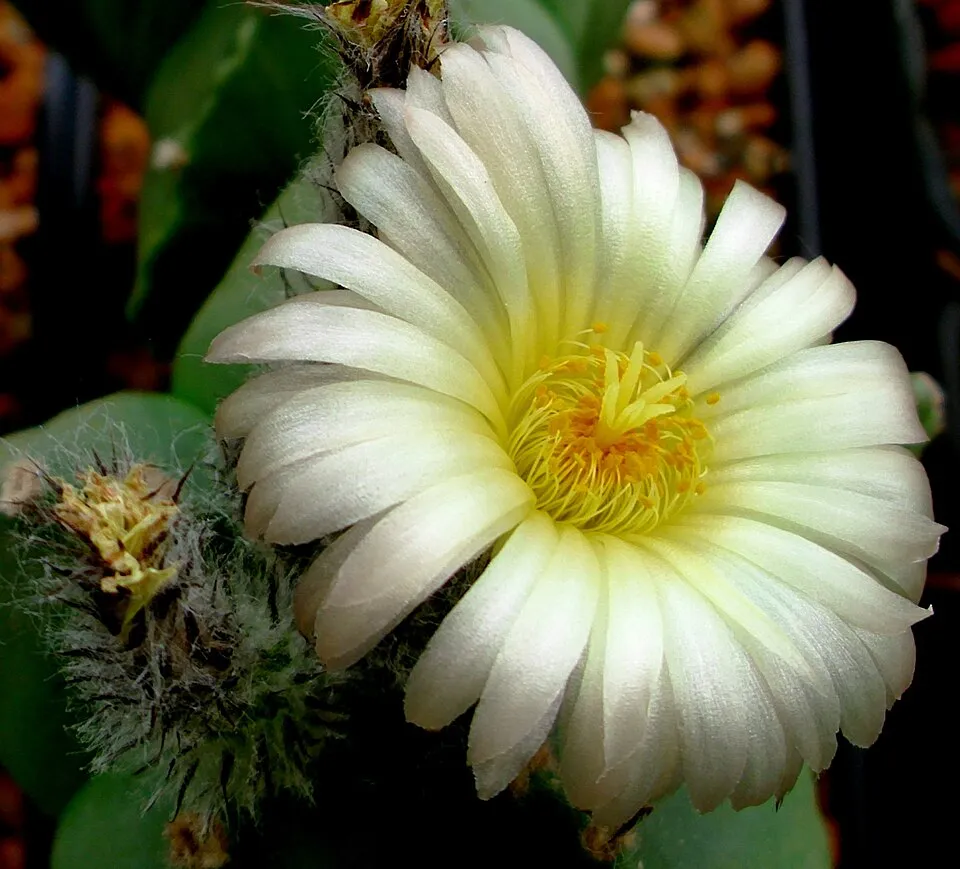
Graptosedum hybrid, a captivating member of the Crassulaceae family, is a horticultural marvel resulting from the successful cross-pollination between the genera Graptopetalum and Sedum. This resilient succulent is primarily admired for its aesthetic appeal, showcasing a compact and often sprawling growth habit, typically reaching a modest height of 12 to 18 inches (30-45 cm) and spreading outwards. Its most distinctive features are the fleshy, turgid leaves, which are arranged in a spiraling rosette formation along the stems, often following a Fibonacci sequence. These leaves are thick, obovate to spatulate, measuring approximately 2 to 4 inches (5-10 cm) in length, and exhibit a striking bluish-grey to glaucous green coloration.
Under conditions of intense sunlight, environmental stress, or cooler temperatures, the leaf margins and tips frequently develop vibrant pink, red, or even bronze hues, significantly enhancing its visual charm, a trait that earns some relatives the common name 'ghost plant' due to their pale, opalescent appearance. The stems themselves are relatively smooth, can be somewhat brittle, and often display a subtle waxy bloom (farina), providing a textural contrast to the plump leaves. The root system is generally shallow and fibrous, adapted for efficient water absorption from superficial soil layers, typical of arid-adapted succulents. During late spring to early summer, Graptosedum hybrid produces attractive star-shaped, tubular flowers, typically in shades of yellow, orange, or sometimes a pale cream, borne on slender, arching inflorescences that rise above the foliage.
These flowers are perfect, possessing both male and female reproductive organs, and contribute to its ornamental value. While not native in the traditional sense due to its hybrid origin, its parent species are indigenous to arid and semi-arid regions of Mexico and Central America, influencing its preference for well-draining soils and sun-drenched environments. Taxonomically, its placement within the Crassulaceae family is significant, as this family is renowned for its succulent adaptations, particularly Crassulacean Acid Metabolism (CAM) photosynthesis, which allows the plant to conserve water by opening stomata at night.
Trusted Scientific References
1. Authoritative external sources for Graptosedum hybrid
1.1 Wikipedia — Graptosedum hybrid
1.2 Kew POWO (Plants of the World Online)
1.3 PubMed — peer-reviewed research
1.4 NCBI Taxonomy Browser
1.5 GBIF — Global Biodiversity
1.1.Graptosedum — Highlights
- ✓Intergeneric Hybrid — A successful cross between the genera Graptopetalum and Sedum.
- ✓Rosette — forming Leaves — Fleshy, turgid leaves arranged in attractive, often spiraling rosettes.
- ✓Variable Leaf Coloration — Exhibits bluish-grey to glaucous green, transforming to pink, red, or bronze under stress.
- ✓Drought Tolerant — Highly adapted for arid conditions, requiring minimal water.
- ✓Easy Propagation — Readily roots from stem cuttings and individual leaves, ideal for beginners.
- ✓High Ornamental Value — Prized for its aesthetic appeal in gardens, containers, and arrangements.
- ✓Shallow, Fibrous Root System — Optimized for efficient water absorption from superficial soil layers.
- ✓Star — shaped Flowers — Produces dainty yellow, orange, or cream blooms on arching inflorescences.
- ✓CAM Photosynthesis — Utilizes Crassulacean Acid Metabolism for efficient water conservation.
- ✓Low Maintenance — Requires minimal care once established, making it a popular choice for busy gardeners.
1.2.Graptosedum — At-a-Glance Summary
- ✓Ornamental succulent hybrid, easy to care for.
- ✓Features striking rosettes and vibrant color changes with sun exposure.
- ✓Highly drought-tolerant, thrives in well-draining soil.
- ✓Propagates easily from stem cuttings and individual leaves.
- ✓Primarily valued for aesthetic appeal, no documented medicinal uses for the hybrid.
- ✓A cross between the genera Graptopetalum and Sedum.
2.Graptosedum — Nomenclature & Classification
3.Graptosedum — Fact Sheet
4.Graptosedum — Physical Description
5.Graptosedum — Ecological Habitat
6.Graptosedum — Traditional Uses
7.Graptosedum — Key Phytochemicals
- ✓Organic Acids — Malic acid and citric acid are central to Crassulacean Acid Metabolism (CAM), regulating pH within plant cells and facilitating efficient water retention.
- ✓Flavonoids — Compounds like quercetin and kaempferol derivatives are likely present, acting as antioxidants and contributing to the plant's vibrant leaf coloration under stress conditions.
- ✓Triterpenoids — Ursane and oleanane type triterpenoids may be found, potentially involved in plant defense mechanisms and offering theoretical anti-inflammatory properties.
- ✓Saponins — Glycosides that can exhibit foam-forming properties, possibly playing a role in the plant's defense against pathogens and herbivores, though specific types are not fully characterized.
- ✓Polysaccharides (Mucilage) — Complex sugar polymers contribute significantly to the plant's water storage capacity and may offer potential soothing properties when applied topically, as seen in other succulents.
- ✓Anthocyanins — These pigments are responsible for the striking pink, red, or bronze hues that develop on leaves under intense sunlight or environmental stress, acting as natural photoprotectants.
- ✓Carotenoids — Beta-carotene and lutein contribute to the yellow and orange coloration of the flowers and also function as important antioxidants within the plant tissues.
- ✓Phenolic Acids — Compounds such as caffeic acid and ferulic acid, known for their antioxidant and anti-inflammatory activities, are commonly found across many plant families, including Crassulaceae.
- ✓Lipids and Waxes — Cuticular waxes, often visible as a powdery 'farina' on leaves and stems, provide a crucial protective layer against desiccation, UV radiation, and herbivory.
- ✓Amino Acids — Various amino acids are fundamental for protein synthesis and overall plant metabolism, playing roles in growth, stress response, and nutrient transport.
8.Graptosedum — Pharmacological Findings
- ✓Aesthetic Well-being — The primary benefit of Graptosedum hybrid is its ornamental value, enhancing visual environments and contributing to a sense of calm and natural beauty, promoting mental well-being.
- ✓Horticultural Therapy Support — Cultivating and observing resilient plants like Graptosedum is recognized for its positive impact on mental health, reducing stress and fostering a sense of accomplishment.
- ✓Environmental Air Quality — As a living plant, it contributes to minor improvements in indoor air quality by absorbing some volatile organic compounds, though this effect is generally modest.
- ✓Drought Tolerance Education — Its remarkable adaptation to arid conditions serves as an excellent educational tool, demonstrating efficient water use and plant resilience.
- ✓Skin Soothing (Related Species) — While not directly studied for Graptosedum hybrid, some Sedum species have traditional uses for minor skin irritations and wounds, suggesting potential for similar compounds in related Crassulaceae.
- ✓Anti-inflammatory Potential (Related Species) — Certain Crassulaceae members contain compounds with observed anti-inflammatory properties in vitro; this is a theoretical area for future research for Graptosedum.
- ✓Antioxidant Activity (General Succulent Property) — Succulents often produce antioxidants to combat environmental stress; these compounds could offer protective benefits, though specific to Graptosedum is unconfirmed.
- ✓Wound Healing Support (Related Species) — Traditional use of some related succulents involves applying crushed leaves to facilitate minor wound closure, a concept requiring specific research for Graptosedum.
- ✓Bio-indicator Potential — Its vibrant stress coloration can serve as a natural indicator of environmental conditions like light intensity and water availability, aiding gardeners in plant care.
- ✓Educational Value — Cultivating Graptosedum offers an accessible entry point into botany, plant propagation, and succulent care, fostering learning and engagement for enthusiasts.
8.1.Graptosedum — Reported Uses
9.Graptosedum — Safety & Side Effects
9.1.Graptosedum — Possible Adverse Reactions
- ✓Gastrointestinal Upset (Ingestion) — While generally considered non-toxic, ingestion of plant material by pets or curious children could potentially lead to mild stomach upset, vomiting, or diarrhea.
- ✓Skin Irritation (Contact) — Rarely, individuals with extremely sensitive skin might experience mild contact dermatitis or a rash from direct exposure to the sap, though it is typically non-irritating.
- ✓Root Rot (Overwatering) — The most prevalent issue for Graptosedum, overwatering leads to soggy soil conditions, causing roots to rot and the plant to rapidly decline, often fatally.
- ✓Etiolation (Insufficient Light) — Lack of adequate sunlight causes stems to stretch abnormally (etiolation), resulting in sparse, pale leaves and a weakened, less attractive plant structure.
- ✓Sunburn (Excessive Sun Exposure) — Although sun-loving, sudden exposure to intense, unacclimated full sun can cause leaf scorching, discoloration, or permanent disfigurement.
- ✓Pest Infestation — Like many succulents, Graptosedum is susceptible to common pests such as mealybugs, aphids, and spider mites, especially when stressed or in overcrowded conditions.
- ✓Frost Damage — Despite some cold tolerance, prolonged exposure to temperatures significantly below its hardiness limit can cause irreversible tissue damage, leading to mushy leaves and eventual plant death.
9.2.Graptosedum — Clinical Safety Notes
- ✓Non-Toxic (Generally) — Graptosedum hybrid is widely considered non-toxic to humans and common household pets, making it safe for indoor and outdoor ornamental use.
- ✓External Use Only (Caution for related traditional applications) — If considering any traditional topical applications derived from related species, ensure no open wounds or allergic reactions occur, as specific research for the hybrid is absent.
- ✓Child and Pet Safety — It is advisable to keep the plant out of reach of very young children and curious pets to prevent accidental ingestion, despite its low toxicity.
- ✓Handling Precautions — While generally non-irritating, individuals with known plant sensitivities should wear gloves when handling or propagating to avoid potential, albeit rare, contact irritation.
- ✓Environmental Safety — Dispose of plant trimmings responsibly; avoid introducing plant material into natural ecosystems where it could potentially establish or compete with native flora.
- ✓Allergic Reactions — Although uncommon, individuals with general plant allergies should exercise caution, as with any botanical exposure, and monitor for adverse reactions.
- ✓Proper Identification — Always ensure correct plant identification to avoid confusion with potentially harmful or irritating species, as plant appearance can sometimes be deceiving.
10.Graptosedum — Usage Guide
- ✓Ornamental Display — Primarily cultivated for its striking rosettes and captivating color changes, making it an ideal choice for xeriscaping, rock gardens, and mixed succulent container arrangements.
- ✓Groundcover Use — Can be planted as a low-maintenance, drought-tolerant groundcover in arid landscapes, forming dense mats of succulent foliage that suppress weeds.
- ✓Hanging Baskets & Cascading Displays — Its naturally sprawling and trailing habit makes it perfect for hanging baskets or cascading gracefully over retaining walls, ledges, and raised beds.
- ✓Leaf Propagation for New Plants — Individual leaves can be easily harvested and placed atop dry soil to propagate numerous new plantlets, offering an economical way to expand a collection or share.
- ✓Stem Cuttings for Rejuvenation — Leggy or overgrown stems can be cut and replanted to create more compact, aesthetically pleasing plants or to start fresh, vigorous specimens.
- ✓Aesthetic Accent in Arrangements — Frequently used in succulent arrangements to provide textural contrast and color variation alongside other drought-tolerant plants, enhancing visual appeal.
- ✓(Hypothetical Topical Poultice) — In some traditional practices, crushed leaves of related succulents are applied externally as a poultice for minor skin irritations or burns, though not specifically studied or recommended for Graptosedum hybrid without further research.
- ✓(Hypothetical Infused Oil) — Theoretically, leaves could be infused into carrier oils for topical application as a skin conditioner, mirroring practices with other soothing botanicals, but lacks specific evidence for this hybrid.
11.Graptosedum — Cultivation & Care
- ✓Soil Requirements — Thrives in extremely well-draining succulent or cactus mix, with high mineral content, avoiding any heavy, water-retentive garden soils to prevent root rot.
- ✓Light Exposure — Prefers full sun to partial shade; intense, direct sunlight is crucial for enhancing its vibrant pink, red, or bronze stress colors, while more shade results in bluer-green foliage.
- ✓Watering Schedule — Water deeply but infrequently, allowing the soil to dry out completely between waterings, especially crucial during cooler, dormant months to prevent fungal issues.
- ✓Temperature & Hardiness — Tolerant of a range of temperatures; generally hardy to USDA zones 9-11, with some cultivars exhibiting frost tolerance down to 17°F (-8°C) if kept dry.
- ✓Propagation — Easily propagated from stem cuttings or individual leaves, which readily root when placed atop dry, well-draining soil, making it simple to expand a collection.
- ✓Fertilization — Requires minimal fertilization; a diluted, balanced succulent-specific fertilizer can be applied sparingly, typically once or twice during the active spring/summer growing season.
- ✓Pruning & Maintenance — Trim leggy stems to encourage bushier, more compact growth and remove spent flower stalks to redirect the plant's energy to foliage development.
- ✓Container Growing — Excellent choice for container gardening, hanging baskets, and rock gardens due to its attractive trailing and spreading habit, adding architectural interest.
Reviewed by the Flora Medical Global Botanical Review Panel
Multi-disciplinary editorial group · Botany · Ethnobotany · Herbal-medicine literature
Who reviewed this: This page was checked by the Flora Medical Global Botanical Review Panel — an in-house editorial group of botany graduates, ethnobotany researchers, and horticulture practitioners who collectively maintain our 7,000+ plant encyclopedia. Meet the team.
Our 4-step verification process
1. Taxonomic verification
Scientific names and synonyms cross-checked against Kew POWO, World Flora Online, and The Plant List.
2. Phytochemical & medicinal cross-reference
Active compounds, traditional uses, and reported activities are cross-referenced with PubMed, USDA Dr. Duke's database, and peer-reviewed ethnobotanical literature.
3. Conservation & distribution check
Distribution, ecology, and conservation status confirmed against GBIF occurrence records and the IUCN Red List.
4. Editorial & safety review
Every entry passes an editorial pass for clarity, originality, and safety notices (toxicity, contraindications, dosage caveats) before publication.
Last reviewed:
Important medical disclaimer: This content is for educational and research purposes only. It is not medical advice and is not a substitute for consultation with a licensed healthcare provider. Do not use any herb to self-treat a medical condition without professional guidance.
Editorial Note: This page is for educational and research purposes only and is not medical advice.
Written by: Flora Medical Global Editorial Team
Reviewed by: Flora Medical Global Botanical Review Panel
Last Updated: June 15, 2026





Graptosedum — Comments & Community Reviews
Rate this plant