
Medical Disclaimer: This content is for educational purposes only. It is not medical advice. Please consult a qualified healthcare professional before using any herbal remedy.
Safety Overview
1.Graptoveria — Essential Profile
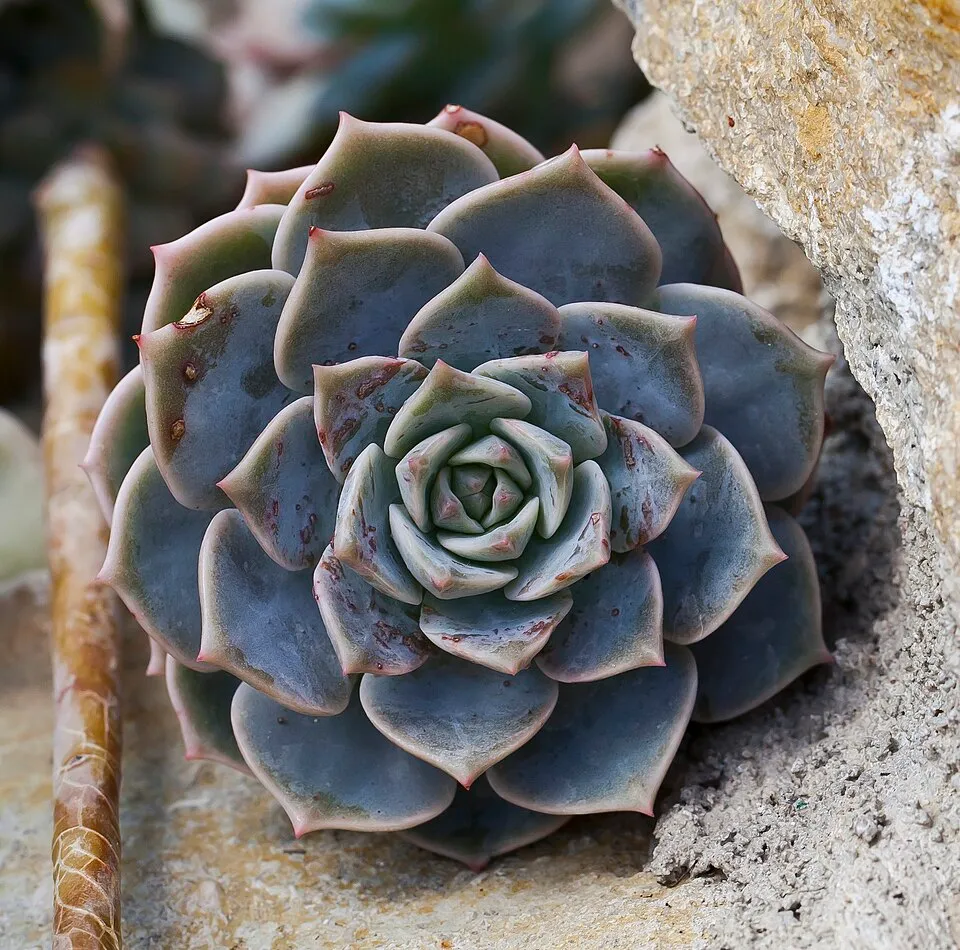
Graptoveria hybrid, a captivating and widely cultivated succulent, is a testament to botanical artistry, resulting from a deliberate intergeneric cross between two popular genera within the Crassulaceae family: Graptopetalum and Echeveria. This fascinating hybrid typically forms compact, aesthetically pleasing rosettes, varying significantly in size from a few centimeters to over 30 centimeters (12 inches) in diameter, depending on the specific cultivar and growing conditions. The morphological characteristics are a delightful blend of its parentage, exhibiting the thick, fleshy leaves common to both. These leaves are often spoon-shaped or spatulate, sometimes slightly elongated or pointed, and are notable for their impressive water storage capabilities, a hallmark of succulent plants. The color palette of Graptoveria is exceptionally diverse and dynamic, ranging from subtle pale greens and blues to vibrant lavenders, pinks, oranges, and even deep reds, frequently blushing with more intense hues under adequate sunlight exposure.
Many varieties display a powdery farina (epicuticular wax) on their leaves, providing a protective layer and contributing to their pastel appearance. The stem of Graptoveria is generally short, stout, and can be either smooth and green when young, gradually becoming more woody and brownish with age, particularly in larger or older specimens. It is typically unbranched or sparsely branched, with the rosettes forming at the apex. The root system is fibrous and shallow, adapted to quickly absorb intermittent rainfall and to anchor the plant in well-draining, often rocky or sandy substrates. While not extensively documented for wild habitats due to its hybrid nature, its parent genera are predominantly native to arid and semi-arid regions of Mexico and Central America, influencing Graptoveria’s preference for similar dry, sunny conditions.
Flowering in Graptoveria occurs on slender, often arching stalks (inflorescences) that emerge from the leaf axils, extending above the rosette and bearing small, star-shaped flowers, typically in shades of yellow, white, or pink, often with contrasting markings. These blooms, while delicate, add another layer of charm to these resilient plants, though their primary appeal remains their foliage. Trusted Scientific References Authoritative external sources for Graptoveria hybrid : Wikipedia — Graptoveria hybrid Kew POWO (Plants of the World Online) PubMed — peer-reviewed research NCBI Taxonomy Browser ...[CURRENT TEXT EXISTS: 2526 chars]
1.1.Graptoveria — Notable Characteristics
- ✓Intergeneric Hybrid — A unique cross between Graptopetalum and Echeveria genera.
- ✓Rosette Growth Habit — Forms attractive, compact rosettes of fleshy leaves.
- ✓Diverse Leaf Colors — Exhibits a wide spectrum of colors, often changing with light exposure.
- ✓Fleshy, Succulent Leaves — Thick leaves designed for efficient water storage.
- ✓Low Water Requirement — Highly drought-tolerant, adapted to infrequent watering.
- ✓Bright Light Lover — Thrives in ample sunlight, which enhances its vibrant coloration.
- ✓Easy to Propagate — Simple to multiply from leaf or stem cuttings.
- ✓Ornamental Appeal — Primarily cultivated for its decorative beauty in homes and gardens.
- ✓Farina Presence — Many varieties feature a powdery epicuticular wax for protection.
- ✓Fibrous, Shallow Roots — Root system adapted for quick absorption and anchorage.
1.2.Graptoveria — Quick Summary
- ✓Hybrid Origin — A captivating succulent resulting from a cross between Graptopetalum and Echeveria.
- ✓Ornamental Beauty — Highly valued for its diverse rosette forms and vibrant, dynamic leaf coloration.
- ✓Low Maintenance — Requires minimal water and thrives in bright light, making it ideal for beginners.
- ✓Drought Tolerant — Adapted to arid conditions through its fleshy, water-storing leaves.
- ✓Easy Propagation — Readily reproduces from leaf or stem cuttings, facilitating collection expansion.
- ✓Non-Medicinal — Primarily an aesthetic plant with no documented traditional or modern medicinal uses.
2.Graptoveria — Nomenclature & Classification
3.Graptoveria — Key Data
4.Graptoveria — Botanical Description
5.Graptoveria — Ecological Habitat
6.Graptoveria — Traditional Uses
7.Graptoveria — Phytochemistry
- ✓Organic Acids — Malic acid and other organic acids are prominent due to Crassulacean Acid Metabolism (CAM), crucial for water conservation and photosynthetic processes in succulents.
- ✓Flavonoids — General plant pigments and secondary metabolites such as various flavonoids may be present, contributing to cellular protection and UV defense.
- ✓Anthocyanins — These water-soluble pigments are responsible for the vibrant red, pink, and purple hues observed in many Graptoveria cultivars, especially under sun stress.
- ✓Carotenoids — Yellow and orange colorations are often attributed to carotenoid pigments, which also play roles in photosynthesis and antioxidant activity.
- ✓Polysaccharides — Complex carbohydrates are stored in the fleshy leaves, acting as a reserve for energy and contributing to the plant's succulent structure and water retention.
- ✓Epicareicular Waxes (Farina) — A protective layer of waxy compounds covers the leaves of many varieties, reducing water loss through transpiration and reflecting excess sunlight.
- ✓Triterpenoids — Compounds like triterpenes might be present, common across the Crassulaceae family, potentially contributing to plant defense mechanisms.
- ✓Alkaloids — While not dominant, some trace alkaloids could be found, as they are a diverse group of nitrogen-containing compounds present in many plant species.
8.Graptoveria — Scientific Evidence
- ✓Ornamental Value — Graptoveria is highly prized for its aesthetic appeal, contributing to visual pleasure and stress reduction in indoor and outdoor environments.
- ✓Air Quality Enhancement — Like many living plants, Graptoveria may contribute to the passive filtration of indoor air, potentially reducing certain volatile organic compounds, though specific studies are lacking.
- ✓Biophilic Connection — Interacting with and caring for plants like Graptoveria can foster a sense of connection to nature, promoting mental well-being and relaxation.
- ✓Humidity Regulation — Plants release moisture through transpiration, which can subtly increase ambient humidity, particularly beneficial in dry indoor climates.
- ✓Educational Tool — Graptoveria serves as an excellent educational specimen for understanding plant hybridization, succulent adaptations, and basic botanical principles.
- ✓Low Maintenance Stress Relief — The ease of care for Graptoveria means less horticultural stress for caregivers, allowing for enjoyment without demanding extensive effort.
- ✓Aesthetic Diversity — The wide range of colors and forms available in Graptoveria cultivars allows for creative expression and personalized decor, boosting mood and creativity.
- ✓Natural Decor Element — Integrating Graptoveria into living or working spaces provides a natural, calming element that can enhance interior design and foster a more serene atmosphere.
- ✓No Specific Medicinal Claims — It is crucial to note that Graptoveria hybrid is primarily cultivated for ornamental purposes and lacks documented traditional or modern medicinal applications for human health.
8.1.Graptoveria — Indications & Uses
9.Graptoveria — Safety & Side Effects
9.1.Graptoveria — Possible Adverse Reactions
- ✓Skin Irritation — While generally safe, sap from broken leaves might cause mild, temporary skin irritation in highly sensitive individuals.
- ✓Ingestion by Pets — Although typically considered non-toxic, ingestion of large quantities by pets could potentially lead to mild gastrointestinal upset.
- ✓Overwatering Issues — Incorrect watering practices, specifically overwatering, lead to root rot and plant death, not direct human side effects.
- ✓Sunburn — Excessive, unfiltered direct sunlight can scorch leaves, causing cosmetic damage to the plant itself.
- ✓Pest Infestations — Poor care or environmental conditions can lead to pests like mealybugs, which are a plant health issue, not a human side effect.
- ✓Allergic Reactions — Extremely rare, but individuals with severe plant allergies could theoretically react to airborne pollen during flowering.
9.2.Graptoveria — Clinical Safety Notes
- ✓Non-Toxic — Graptoveria is generally considered non-toxic to humans and most common household pets, making it a safe choice for homes.
- ✓External Use Only — This plant is for ornamental display and should not be ingested or used internally for any purpose.
- ✓Handle with Care — While not hazardous, it is advisable to wash hands after handling plants to avoid potential mild irritants or soil residues.
- ✓Keep Out of Reach of Small Children — As with all plants, it is prudent to keep Graptoveria out of reach of infants and toddlers to prevent accidental ingestion.
- ✓No Known Allergens — There are no widespread reports of allergic reactions to Graptoveria, though individual sensitivities can vary.
- ✓Environmental Safety — Ensure proper disposal of plant waste; do not release cultivated plants into natural ecosystems where they are not native.
10.Graptoveria — Preparations & Uses
- ✓Ornamental Display — Graptoveria is primarily used as an ornamental plant, ideal for rock gardens, succulent arrangements, terrariums, and container planting.
- ✓Indoor Decoration — Its compact size and vibrant colors make it a popular choice for indoor décor on windowsills, desks, or shelves, enhancing aesthetic appeal.
- ✓Outdoor Landscaping — In frost-free climates, Graptoveria can be incorporated into xeriscaping or drought-tolerant garden designs.
- ✓Gifting — Due to its beauty and ease of care, Graptoveria makes an excellent and thoughtful gift for plant enthusiasts.
- ✓Educational Specimen — Utilized in botanical studies to observe succulent adaptations and hybrid characteristics.
- ✓Propagation for Collection Expansion — Leaves and offsets are commonly used by hobbyists to expand their succulent collections or share with others.
- ✓No Internal Use — Graptoveria is not intended for internal consumption or medicinal application; its use is strictly horticultural and aesthetic.
11.Graptoveria — How to Grow
- ✓Light — Provide abundant bright, indirect to direct sunlight; Graptoveria thrives near south-facing windows or outdoors in full sun to partial shade.
- ✓Water — Water thoroughly but infrequently, allowing the soil to dry out completely between waterings to prevent root rot, typically every 10-14 days depending on environment.
- ✓Soil — Use a well-draining succulent or cactus potting mix, ideally with added perlite or pumice to ensure excellent aeration and drainage.
- ✓Temperature — Maintain temperatures between 18-24°C (65-75°F); protect from frost as these plants are not cold-hardy.
- ✓Nutrients — Fertilize sparingly during the growing season (spring/summer) with a diluted succulent fertilizer, typically once a month or less.
- ✓Propagation — Easily propagated from leaf cuttings, stem cuttings, or offsets; allow cuttings to callus before planting in dry soil.
- ✓Repotting — Repot annually or biennially, or when the plant outgrows its container, always using fresh, well-draining soil.
- ✓Air Circulation — Ensure good air circulation to prevent fungal issues, especially in humid environments.
Reviewed by the Flora Medical Global Botanical Review Panel
Multi-disciplinary editorial group · Botany · Ethnobotany · Herbal-medicine literature
Who reviewed this: This page was checked by the Flora Medical Global Botanical Review Panel — an in-house editorial group of botany graduates, ethnobotany researchers, and horticulture practitioners who collectively maintain our 7,000+ plant encyclopedia. Meet the team.
Our 4-step verification process
1. Taxonomic verification
Scientific names and synonyms cross-checked against Kew POWO, World Flora Online, and The Plant List.
2. Phytochemical & medicinal cross-reference
Active compounds, traditional uses, and reported activities are cross-referenced with PubMed, USDA Dr. Duke's database, and peer-reviewed ethnobotanical literature.
3. Conservation & distribution check
Distribution, ecology, and conservation status confirmed against GBIF occurrence records and the IUCN Red List.
4. Editorial & safety review
Every entry passes an editorial pass for clarity, originality, and safety notices (toxicity, contraindications, dosage caveats) before publication.
Last reviewed:
Important medical disclaimer: This content is for educational and research purposes only. It is not medical advice and is not a substitute for consultation with a licensed healthcare provider. Do not use any herb to self-treat a medical condition without professional guidance.
Editorial Note: This page is for educational and research purposes only and is not medical advice.
Written by: Flora Medical Global Editorial Team
Reviewed by: Flora Medical Global Botanical Review Panel
Last Updated: June 15, 2026





Graptoveria — Comments & Community Reviews
Rate this plant