
Medical Disclaimer: This content is for educational purposes only. It is not medical advice. Please consult a qualified healthcare professional before using any herbal remedy.
Safety Overview
1.Graptoveria Opalina — Plant Snapshot
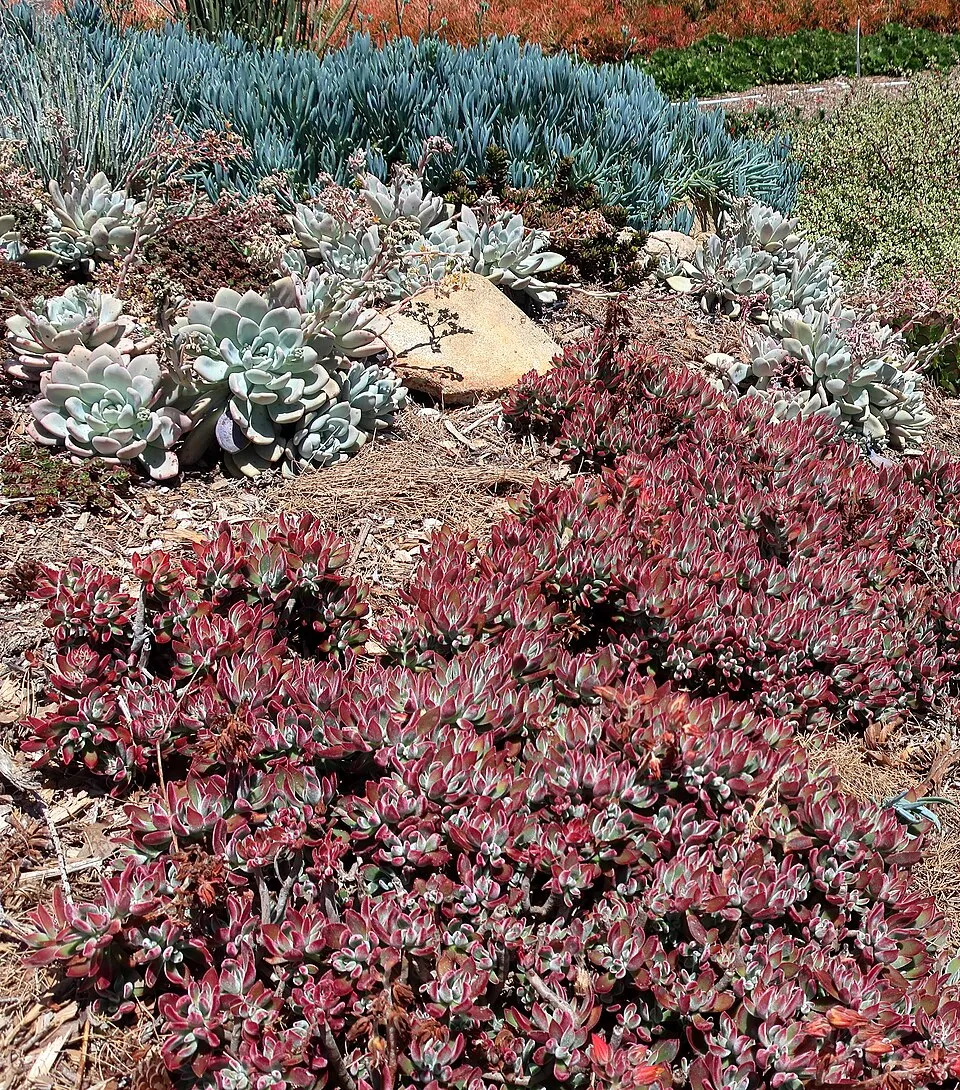
Graptoveria Opalina is a horticultural triumph, a captivating succulent hybrid meticulously created from the cross between the robust Graptopetalum amethystinum and the elegant Echeveria colorata. This exquisite plant is a proud member of the expansive Crassulaceae family, a lineage celebrated for its remarkable diversity of water-storing succulent flora. It typically develops into a compact, strikingly symmetrical rosette, achieving a mature diameter of 15 to 20 cm (6 to 8 inches) and a height of 15 to 30 cm (6 to 12 inches). The leaves are the quintessential feature of Graptoveria Opalina—plump, distinctly obovate to spatulate in form, and often gracefully recurved, which imparts a full, rounded aesthetic to the entire rosette. Each fleshy leaf can extend up to 6 cm (2.4 inches) in length and is adorned with a unique, ethereal pastel coloration, ranging from a soft, powdery blue-green to delicate shades of teal or lavender.
When subjected to ample bright sunlight or cooler temperatures, the margins and tips of these leaves often develop a charming pinkish blush, enhancing its visual allure. A fine, powdery farina—a natural epicuticular wax—envelops the leaf surface, contributing to its frosted appearance and serving as a crucial protective barrier against intense solar radiation and excessive water loss, a hallmark adaptation characteristic of many desert-dwelling plants. The stem remains short and stout, largely obscured by the dense foliage, only elongating marginally with advanced age or etiolation. Its fibrous, shallow root system is expertly adapted for efficient absorption of water from superficial soil layers, typical of its succulent relatives. During late spring to early summer, Graptoveria Opalina delights with charming floral displays.
These emerge on tall, slender, arching stalks that can gracefully extend over 30 cm (12 inches) above the foliage. The inflorescence comprises numerous small, star-shaped flowers, predominantly showcasing hues of coral-pink, orange, or yellow, frequently accented with contrasting darker tips or centers, creating a delightful visual spectacle against the plant's cool-toned leaves. As a hybrid, Graptoveria Opalina does not possess a natural wild geographic distribution but is extensively cultivated worldwide for its ornamental value. Its inherent ease of care and striking aesthetic appeal have firmly established it as a highly favored choice for both indoor gardening and xeriscape designs. Trusted Scientific Refer ...[CURRENT TEXT EXISTS: 2713 chars]
1.1.Graptoveria Opalina — Standout Qualities
- ✓Captivating Pastel Coloration — Ranging from blue-green to lavender with pink accents.
- ✓Distinctive Farina Coating — A powdery wax layer protecting leaves from sun and water loss.
- ✓Compact Rosette Formation — Forms a symmetrical, visually appealing central rosette.
- ✓Charming Floral Displays — Produces star-shaped coral-pink, orange, or yellow flowers on tall stalks.
- ✓Drought — Tolerant Nature — Highly adapted to arid conditions, requiring infrequent watering.
- ✓Low Maintenance Plant — Ideal for busy gardeners due to its minimal care requirements.
- ✓Generally Non — Toxic — Safe for households with children and pets.
- ✓Versatile Ornamental Use — Perfect for containers, rock gardens, and indoor displays.
- ✓Summer Dormant Growth Habit — Reduces activity during the hottest part of the year.
- ✓Hybrid Vigor — Combines desirable traits from its parent species for robust growth and beauty.
1.2.Graptoveria Opalina — At-a-Glance Summary
- ✓Graptoveria Opalina is a striking succulent hybrid (Graptopetalum amethystinum x Echeveria colorata).
- ✓Features plump, pastel blue-green leaves with a pink blush and protective farina.
- ✓Requires full sun to partial shade, well-draining soil, and minimal watering (soak and dry).
- ✓Not cold hardy; best grown in containers or warm climates (Zone 9a+).
- ✓Easily propagated from offsets and stem cuttings, making it a popular choice for enthusiasts.
- ✓Generally non-toxic and primarily valued for its ornamental beauty and ease of care.
2.Graptoveria Opalina — Systematic Position
3.Graptoveria Opalina — Quick Facts
4.Graptoveria Opalina — Morphological Account
5.Graptoveria Opalina — Geographic Distribution
6.Graptoveria Opalina — Ethnobotanical Uses
7.Graptoveria Opalina — Secondary Metabolites
- ✓Polysaccharides — These complex carbohydrates contribute to the plant's mucilaginous texture, aiding in water retention within the fleshy leaves, a common feature in Crassulaceae.
- ✓Flavonoids — A diverse group of plant secondary metabolites, flavonoids in Graptoveria Opalina likely serve as antioxidants and provide photoprotection against intense sunlight.
- ✓Carotenoids — These vibrant pigments are responsible for the yellow and orange hues in its flowers and some leaf coloration, also playing a role in light harvesting and photoprotection.
- ✓Anthocyanins — Present in the leaves, particularly under stress or high light, anthocyanins impart the characteristic pinkish-lavender blush, acting as potent antioxidants and UV screens.
- ✓Triterpenoids — Common in many plants, these compounds may contribute to the structural integrity of cell membranes and play roles in plant defense mechanisms.
- ✓Organic Acids — Crucial for Crassulacean Acid Metabolism (CAM) photosynthesis, such as malic acid, which accumulates at night and is decarboxylated during the day.
- ✓Epicutilar Waxes (Farina) — The powdery coating on the leaves is composed of specialized waxes, providing a physical barrier against desiccation and excessive UV radiation.
- ✓Minerals — Essential mineral nutrients absorbed from the soil are vital for cellular functions, enzyme activity, and overall plant health and growth.
8.Graptoveria Opalina — Modern Studies
- ✓Aesthetic Enhancement — The visual appeal of Graptoveria Opalina contributes significantly to mental well-being and a calming atmosphere in indoor and outdoor spaces.
- ✓Stress Reduction — Engaging in the care and appreciation of beautiful plants like Graptoveria Opalina can act as a form of horticultural therapy, subtly reducing stress and improving mood.
- ✓Air Quality Improvement (Minor) — Like many houseplants, it contributes to minor improvements in indoor air quality through photosynthesis and transpiration, though its effect is limited.
- ✓Humidity Regulation (Minor) — Through natural transpiration, Graptoveria Opalina can slightly increase ambient humidity, which can be beneficial in arid indoor environments.
- ✓Non-toxic Ornamental — As a generally non-toxic plant, it offers a safe aesthetic addition to homes with pets and children, reducing concerns about accidental ingestion.
- ✓Educational Value — Cultivating Graptoveria Opalina provides an excellent opportunity to learn about botany, plant physiology, and sustainable gardening practices.
- ✓Biophilic Connection — Its presence helps foster a connection to nature, which is known to have positive effects on human psychology and overall health.
- ✓Low Maintenance Wellness — Its ease of care makes it accessible for individuals seeking the benefits of plant ownership without demanding significant time or effort.
8.1.Graptoveria Opalina — Therapeutic Indications
9.Graptoveria Opalina — Risk Profile
9.1.Graptoveria Opalina — Caution Notes
- ✓Overwatering Damage — The most common issue, leading to root rot, fungal infections, and eventual plant demise if not addressed.
- ✓Sunburn — While it enjoys bright light, sudden exposure to intense, unacclimated direct sun can cause leaf scorching and discoloration.
- ✓Etiolation — Insufficient light results in stretched, pale, and leggy growth as the plant searches for more light, diminishing its compact form.
- ✓Pest Infestations — Susceptible to common succulent pests like mealybugs, aphids, and scale insects, which can weaken the plant.
- ✓Cold Damage — Exposure to freezing temperatures or prolonged cold below its tolerance range will cause irreversible tissue damage and death.
- ✓Handling Sensitivity — The farina on the leaves can be easily rubbed off, leaving permanent marks and potentially reducing its protective qualities.
9.2.Graptoveria Opalina — Toxicity Assessment
- ✓Generally Non-Toxic — Graptoveria Opalina is widely considered non-toxic to humans and pets, making it a safe choice for most households.
- ✓Ingestion Warning — Despite being non-toxic, it is not intended for consumption, and ingesting large quantities is not recommended.
- ✓Child and Pet Safety — While safe, it's prudent to keep plants out of reach of very young children or curious pets to prevent accidental damage or minor digestive upset.
- ✓Handling Precautions — Handle gently to preserve the protective farina; wear gloves if you have sensitive skin, although sap irritation is rare.
- ✓Environmental Safety — Dispose of plant material responsibly; avoid introducing it into non-native environments where it could become invasive.
- ✓Allergic Reactions — Extremely rare, but individuals with extreme plant sensitivities might experience mild skin irritation upon prolonged contact.
10.Graptoveria Opalina — Preparation & Dosage
- ✓Ornamental Display — Ideal for use as an attractive potted plant, in succulent arrangements, or as a vibrant addition to rock gardens.
- ✓Indoor Decor — Place near a south-facing window (Northern Hemisphere) or in a brightly lit room to maintain its distinctive coloration.
- ✓Propagation by Cuttings — Easily propagated by taking stem cuttings, allowing them to callus, and planting in well-draining soil.
- ✓Propagation by Offsets — Remove small offsets that sprout around the base of the mother plant and replant them after drying for a day or two.
- ✓Gifting — Its aesthetic appeal and relatively easy care make it a popular and thoughtful gift for plant enthusiasts and beginners.
- ✓Xeriscaping — In suitable warm climates (Zone 9a and above), it can be incorporated into drought-tolerant landscape designs.
- ✓Terrariums — Can be used in open terrariums or dish gardens, ensuring adequate air circulation and drainage.
11.Graptoveria Opalina — Growth Requirements
- ✓Light Requirements — Provide full sun to partial shade; at least 6 hours of bright, indirect light is ideal for vibrant coloration.
- ✓Watering Regime — Employ the 'soak and dry' method, allowing the soil to dry out completely between waterings to prevent root rot.
- ✓Soil Composition — Plant in a well-draining succulent or cactus potting mix, ideally with added perlite or pumice for aeration.
- ✓Temperature Tolerance — Not cold hardy; protect from temperatures below 20°F (-6.7°C) and bring indoors in colder climates.
- ✓Container vs. Ground — Suitable for containers, rock gardens, or hanging baskets, especially where cold protection is necessary.
- ✓Dormancy — Graptoveria Opalina is typically summer dormant, requiring reduced watering during the hottest months.
- ✓Fertilization — Fertilize sparingly during the spring growing season with a diluted, balanced succulent fertilizer, typically once a month.
Reviewed by the Flora Medical Global Botanical Review Panel
Multi-disciplinary editorial group · Botany · Ethnobotany · Herbal-medicine literature
Who reviewed this: This page was checked by the Flora Medical Global Botanical Review Panel — an in-house editorial group of botany graduates, ethnobotany researchers, and horticulture practitioners who collectively maintain our 7,000+ plant encyclopedia. Meet the team.
Our 4-step verification process
1. Taxonomic verification
Scientific names and synonyms cross-checked against Kew POWO, World Flora Online, and The Plant List.
2. Phytochemical & medicinal cross-reference
Active compounds, traditional uses, and reported activities are cross-referenced with PubMed, USDA Dr. Duke's database, and peer-reviewed ethnobotanical literature.
3. Conservation & distribution check
Distribution, ecology, and conservation status confirmed against GBIF occurrence records and the IUCN Red List.
4. Editorial & safety review
Every entry passes an editorial pass for clarity, originality, and safety notices (toxicity, contraindications, dosage caveats) before publication.
Last reviewed:
Important medical disclaimer: This content is for educational and research purposes only. It is not medical advice and is not a substitute for consultation with a licensed healthcare provider. Do not use any herb to self-treat a medical condition without professional guidance.
Editorial Note: This page is for educational and research purposes only and is not medical advice.
Written by: Flora Medical Global Editorial Team
Reviewed by: Flora Medical Global Botanical Review Panel
Last Updated: June 15, 2026





Graptoveria Opalina — Comments & Community Reviews
Rate this plant