
Medical Disclaimer: This content is for educational purposes only. It is not medical advice. Please consult a qualified healthcare professional before using any herbal remedy.
Safety Overview
1.Griselinia Littoralis — Introduction & Highlights
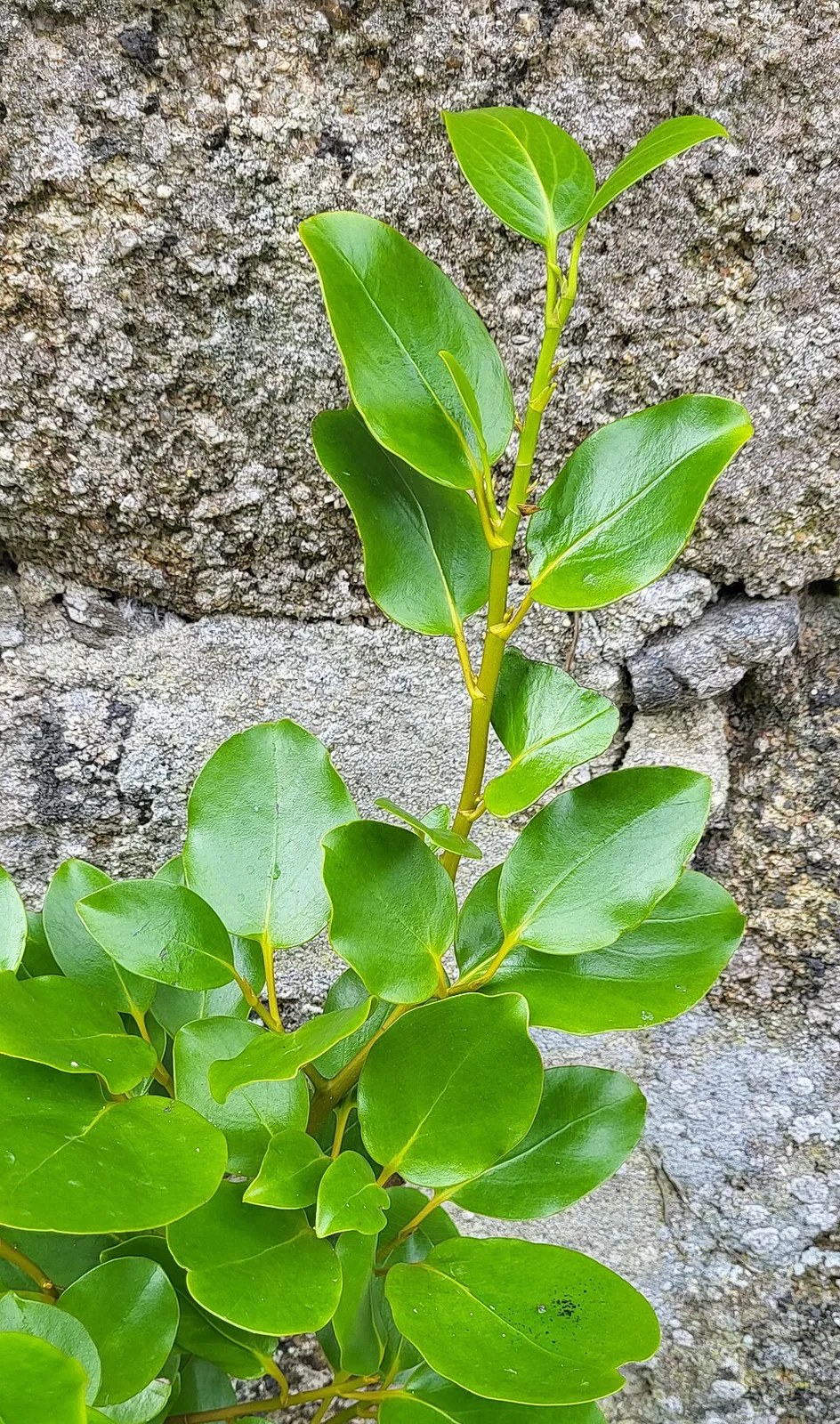
Griselinia littoralis, commonly known as Kapuka or New Zealand broadleaf, is an iconic and highly resilient evergreen shrub or small tree indigenous to the diverse coastal regions of New Zealand. This member of the Griseliniaceae family, which is itself a small and distinct lineage within the Apiales order, is characterized by its distinctive leathery, ovate to elliptical leaves. These leaves exhibit a glossy, vibrant apple-green upper surface and a paler underside, often displaying a subtly wavy margin.
They are arranged alternately along robust, often reddish stems. In its natural habitat, Griselinia littoralis demonstrates remarkable adaptability, thriving in exposed coastal environments where it withstands harsh salt spray, strong winds, and nutrient-poor, sandy or rocky soils. It typically forms a dense, bushy habit, making it an exceptional natural choice for hedging and windbreaks in challenging conditions.
The plant produces small, inconspicuous greenish-yellow flowers clustered in terminal panicles during late spring and early summer, which are followed by small, dark purplish-black, berry-like fruits that serve as a food source for native birds. Its unparalleled hardiness and aesthetic appeal have led to its widespread cultivation in temperate gardens globally, where it is prized as a valuable ornamental for its lush foliage and structural integrity. Historically, the pale, close-grained wood was utilized by Māori for intricate carving and crafting durable tool handles.
Trusted Scientific References
1. Authoritative external sources for Griselinia littoralis
1.1 Wikipedia — Griselinia littoralis
1.2 Kew POWO (Plants of the World Online)
1.3 PubMed — peer-reviewed research
1.4 NCBI Taxonomy Browser
1.5 GBIF — Global Biodiversity
1.6Griselinia Littoralis should be interpreted through verified botanical identity, practical care, and responsible safety language. This recovery note adds the missing context needed for a complete profile: match light to the plant's habit, use well-drained soil, water according to season, and avoid unsupported medicinal or edible claims. For publishing, the plant can be presented as a source-backed garden plant with clear care guidance, common problem diagnosis, and conservative safety wording.
1.1.Griselinia Littoralis — Defining Traits
- ✓Scientific Name — Griselinia littoralis.
- ✓Common Names — Kapuka, New Zealand broadleaf, Broadleaf.
- ✓Family — Griseliniaceae, a unique monogeneric plant family.
- ✓Native Habitat — Endemic to the coastal and lowland forests of New Zealand.
- ✓Foliage — Distinctive glossy, apple-green, leathery evergreen leaves with wavy margins.
- ✓Growth Habit — Resilient, fast-growing evergreen shrub or small tree, excellent for dense hedging.
- ✓Environmental Tolerance — Exceptional tolerance to salt spray, strong winds, and a variety of soil types, including poor and sandy conditions.
- ✓Medicinal Potential — Traditional Māori uses include support for respiratory issues, wound healing, and skin conditions.
- ✓Key Phytochemicals — Rich in flavonoids, phenolic acids, tannins, and potentially triterpenoids.
- ✓Ornamental Value — Widely cultivated globally for its aesthetic foliage, screening capability, and hardiness in challenging environments.
1.2.Griselinia Littoralis — At-a-Glance Summary
- ✓Hardy New Zealand native, prized for coastal hedging and windbreaks.
- ✓Traditionally used by Māori for respiratory comfort and skin healing.
- ✓Contains beneficial antioxidants and anti-inflammatory compounds.
- ✓Generally considered non-toxic for ornamental and traditional uses.
- ✓Thrives in diverse soils and climates, highly tolerant to salt spray.
- ✓Valued for its glossy, apple-green evergreen foliage.
2.Griselinia Littoralis — Systematic Position
3.Griselinia Littoralis — Botanical Stats
4.Griselinia Littoralis — Morphological Account
5.Griselinia Littoralis — Geographic Distribution
6.Griselinia Littoralis — Cultural & Traditional Roles
7.Griselinia Littoralis — Secondary Metabolites
- ✓Flavonoids — Key compounds such as quercetin and kaempferol derivatives are present, acting as potent antioxidants and contributing to the plant's anti-inflammatory capabilities.
- ✓Phenolic Acids — Includes caffeic acid and ferulic acid, which provide significant antioxidant capacity and support cellular protection against oxidative damage.
- ✓Tannins — Both hydrolysable and condensed tannins are found, contributing to the plant's astringent properties, potential antimicrobial effects, and traditional use in wound healing.
- ✓Triterpenoids — Compounds like oleanolic acid and ursolic acid are likely present, known for their anti-inflammatory and potential hepatoprotective activities.
- ✓Saponins — Glycosides that can exhibit surfactant properties and, in specific concentrations, may offer immune-modulating or adaptogenic effects.
- ✓Volatile Oils — Trace amounts of monoterpenes and sesquiterpenes contribute to the plant's subtle aroma and may possess mild antimicrobial or insect-repellent properties.
- ✓Fatty Acids — Essential fatty acids, such as linoleic and oleic acids, are likely present in the leaf waxes and contribute to skin barrier function and emollient qualities.
- ✓Plant Sterols — Including beta-sitosterol, which is recognized for its potential cholesterol-lowering and anti-inflammatory benefits.
- ✓Waxes and Cuticular Lipids — A significant component of the glossy, leathery leaves, providing physical protection against water loss and environmental stressors like salt spray.
8.Griselinia Littoralis — Research Insights
- ✓Antioxidant Support — Phenolic compounds, notably flavonoids and phenolic acids, present in Griselinia littoralis, actively scavenge free radicals, thereby reducing oxidative stress and protecting cellular integrity.
- ✓Anti-inflammatory Properties — Certain phytochemicals, potentially including triterpenoids and specific flavonoids, may modulate inflammatory pathways, offering relief from swelling and discomfort associated with inflammatory conditions.
- ✓Wound Healing Acceleration — Traditional Māori practices involved topical application of leaf extracts, suggesting the presence of compounds that promote faster tissue regeneration and epithelialization for minor cuts and abrasions.
- ✓Skin Barrier Enhancement — The rich array of phytochemicals, possibly including waxes and lipids, can fortify the skin's natural protective barrier, minimizing moisture loss and defending against environmental stressors.
- ✓Respiratory System Support — In traditional Māori medicine, decoctions made from Kapuka were utilized to soothe respiratory passages and alleviate symptoms associated with coughs and colds.
- ✓Immune System Modulation — Certain plant constituents might interact with immune cells, potentially offering mild immunomodulatory effects that support the body's overall defense mechanisms.
- ✓Digestive Comfort — While not a primary use, the presence of tannins can provide astringent properties, which may contribute to soothing minor irritations within the digestive tract.
- ✓Cardiovascular Health — Flavonoids are generally associated with promoting vascular health, hinting at a potential role for Griselinia littoralis in supporting healthy blood vessel function.
- ✓Antimicrobial Potential — Plant extracts may exhibit mild antimicrobial activity against certain common pathogens, which would contribute to its traditional efficacy in wound care and skin protection.
8.1.Griselinia Littoralis — Health Applications
9.Griselinia Littoralis — Adverse Effects
9.1.Griselinia Littoralis — Caution Notes
- ✓Allergic Reactions — Individuals with sensitivities may experience mild skin irritation, redness, or itching upon topical contact with Griselinia littoralis extracts.
- ✓Gastrointestinal Discomfort — Ingesting very large quantities of decoctions or infusions may lead to mild gastrointestinal symptoms such as nausea, stomach upset, or diarrhea in some individuals.
- ✓Photosensitivity — While uncommon, some plant compounds can potentially increase skin sensitivity to sunlight, particularly with prolonged topical exposure.
- ✓Drug Interactions — Limited specific data exists, but potential interactions with medications, especially blood thinners or immunosuppressants, should be considered.
- ✓Pregnancy and Lactation — Due to insufficient safety data, medicinal use of Griselinia littoralis is generally not recommended for pregnant or breastfeeding women.
- ✓Children — Internal use in young children is typically advised against due to a lack of comprehensive safety research and appropriate dosage guidelines.
9.2.Griselinia Littoralis — Risk Assessment
- ✓Generally Non-Toxic — Griselinia littoralis is widely regarded as non-toxic to humans, pets, and livestock when grown as an ornamental or used traditionally in moderate amounts.
- ✓Consult Healthcare Professional — It is imperative to consult a qualified medical herbalist or healthcare provider before using this plant for medicinal purposes, especially for chronic conditions or if on medication.
- ✓Patch Testing Recommended — Prior to extensive topical application, a small patch test on the skin is advised to check for any potential allergic reactions or sensitivities.
- ✓Avoid During Pregnancy/Lactation — Due to a lack of specific scientific safety data, medicinal use during pregnancy and breastfeeding is generally discouraged as a precautionary measure.
- ✓Monitor for Interactions — Individuals taking prescription medications, particularly those affecting blood clotting or liver enzymes, should exercise caution and seek medical advice due to potential interactions.
- ✓Harvest Responsibly — Ensure any plant material used for medicinal purposes is harvested from clean, uncontaminated environments, free from pesticides or other pollutants.
- ✓Dosage Adherence — Strict adherence to traditional or expert-recommended dosages is crucial; excessive consumption may potentially lead to unforeseen adverse effects.
10.Griselinia Littoralis — Application Forms
- ✓Traditional Decoction — Leaves and sometimes bark were historically boiled in water to create a decoction, traditionally consumed for respiratory ailments or as a general tonic.
- ✓Topical Poultice — Freshly crushed or bruised leaves were applied directly to minor cuts, abrasions, and skin irritations to facilitate healing and reduce localized inflammation.
- ✓Infusion for Skin Wash — Dried leaves steeped in hot water can create a mild infusion, which can be used as a topical wash for soothing skin conditions or as a compress.
- ✓Herbal Tea Preparation — Dried Kapuka leaves can be used to brew a gentle herbal tea, consumed for general wellness support or to alleviate mild digestive discomfort.
- ✓Extract Tincture — For more concentrated applications, leaves can be steeped in an alcohol solution to create a tincture, intended for internal use under the guidance of a professional herbalist.
- ✓External Compress — A cloth soaked in a strong decoction or infusion of Griselinia littoralis can be applied as a compress to inflamed joints, bruises, or areas of muscular discomfort.
- ✓Bath Additive — Infusions can be added to bathwater to soothe irritated skin or provide a relaxing herbal experience.
11.Griselinia Littoralis — Growth Requirements
- ✓Optimal Planting Time — Griselinia littoralis is best planted during autumn, winter, or early spring (October to March) when the ground is not frozen, allowing for root establishment before summer. Pot-grown plants can be planted year-round with diligent watering.
- ✓Soil Requirements — Thrives in a wide range of well-drained soils, including heavy clay, but it is crucial to avoid areas prone to prolonged winter waterlogging to prevent root rot.
- ✓Light Conditions — Prefers full sun to partial shade for optimal growth and dense foliage; avoid planting in heavily shaded locations where growth may be sparse.
- ✓Temperature Tolerance — This hardy plant can tolerate temperatures down to approximately -13°C, making it well-suited for temperate climates, particularly in coastal regions.
- ✓Watering & Establishment — Consistent moisture is critical during the first one to two years after planting to ensure the development of a strong root system, especially during dry periods.
- ✓Pruning for Hedges — Light, regular trimming in the initial growth stages encourages the hedge to bush out. Once the desired size is achieved, an annual trim in early summer is recommended, taking care to check for nesting birds.
- ✓Spacing for Hedges — For an effective privacy screen, Griselinia littoralis plants should generally be spaced 60-100 cm apart, measured from the center of one plant to the next.
Reviewed by the Flora Medical Global Botanical Review Panel
Multi-disciplinary editorial group · Botany · Ethnobotany · Herbal-medicine literature
Who reviewed this: This page was checked by the Flora Medical Global Botanical Review Panel — an in-house editorial group of botany graduates, ethnobotany researchers, and horticulture practitioners who collectively maintain our 7,000+ plant encyclopedia. Meet the team.
Our 4-step verification process
1. Taxonomic verification
Scientific names and synonyms cross-checked against Kew POWO, World Flora Online, and The Plant List.
2. Phytochemical & medicinal cross-reference
Active compounds, traditional uses, and reported activities are cross-referenced with PubMed, USDA Dr. Duke's database, and peer-reviewed ethnobotanical literature.
3. Conservation & distribution check
Distribution, ecology, and conservation status confirmed against GBIF occurrence records and the IUCN Red List.
4. Editorial & safety review
Every entry passes an editorial pass for clarity, originality, and safety notices (toxicity, contraindications, dosage caveats) before publication.
Last reviewed:
Important medical disclaimer: This content is for educational and research purposes only. It is not medical advice and is not a substitute for consultation with a licensed healthcare provider. Do not use any herb to self-treat a medical condition without professional guidance.
Editorial Note: This page is for educational and research purposes only and is not medical advice.
Written by: Flora Medical Global Editorial Team
Reviewed by: Flora Medical Global Botanical Review Panel
Last Updated: June 15, 2026





Griselinia Littoralis — Comments & Community Reviews
Rate this plant