


Medical Disclaimer: This content is for educational purposes only. It is not medical advice. Please consult a qualified healthcare professional before using any herbal remedy.
Safety Overview
1.Gular Fig — Introduction & Highlights
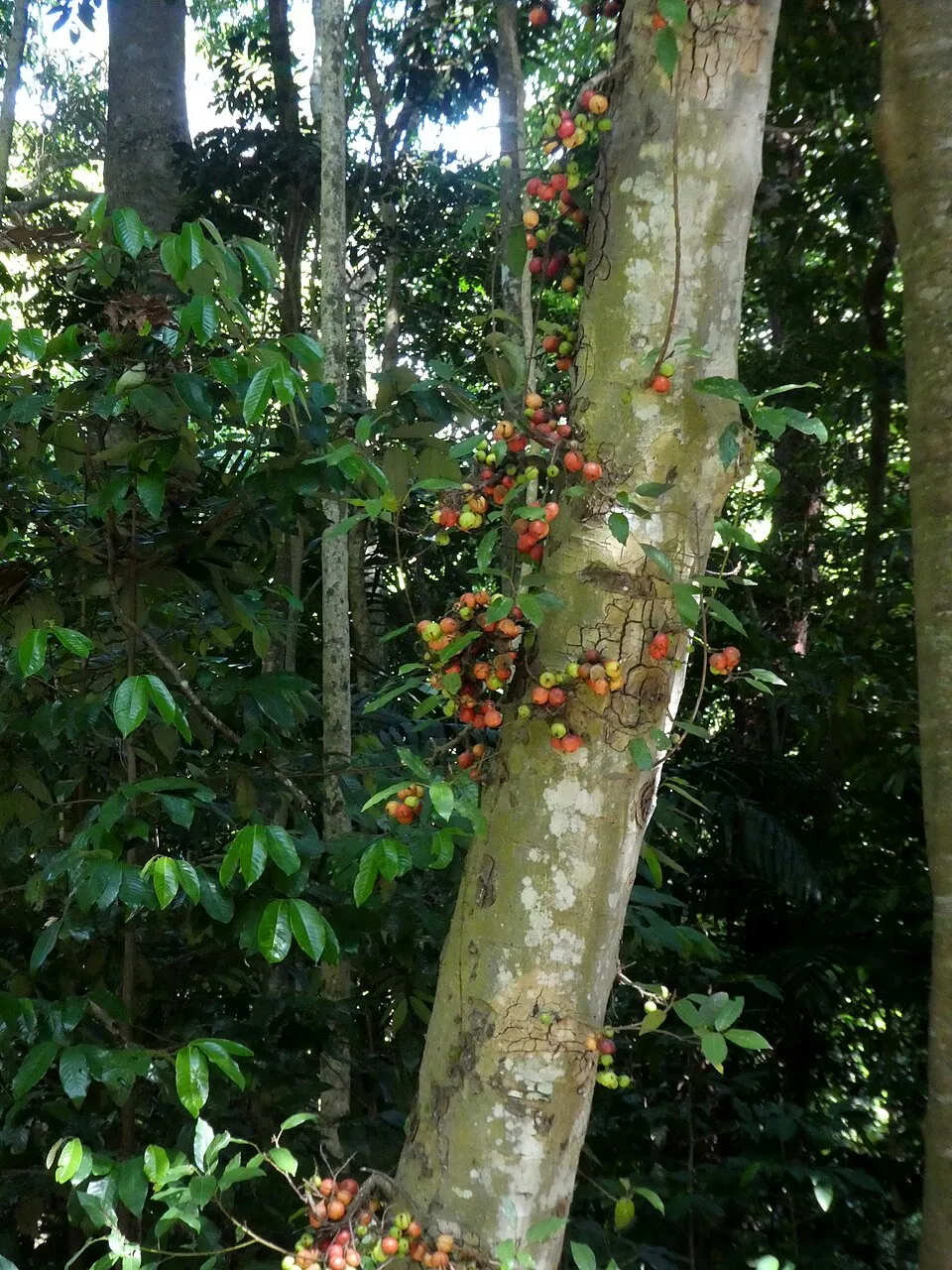
The Gular Fig, scientifically known as Ficus racemosa, is a magnificent deciduous tree that commands attention in its native habitats. Reaching towering heights of up to 20 meters, it develops a broadly spreading crown, offering abundant shade and serving as a prominent landmark in tropical and subtropical landscapes. Its foliage consists of dark green, elliptical, and notably leathery leaves, typically measuring between 10 to 20 centimeters in length, arranged spirally along its robust stems. A distinguishing botanical feature of Ficus racemosa is its unique reproductive structure: the tiny, inconspicuous flowers are entirely enclosed within a fleshy, pear-shaped syconium, which is the characteristic 'fig' fruit. These syconia are often produced in dense clusters directly from the trunk and older branches, as well as from the axils of the leaves, transitioning from green to a reddish hue upon ripening.
The bark of the Gular Fig starts smooth and grayish in its youth, progressively developing deep fissures and turning a rich brown as the tree matures, adding to its ancient and resilient appearance. This species is indigenous to vast regions of South and Southeast Asia, with a significant presence across India, Bangladesh, and extending into Australia. It thrives in warm, humid climates, frequently found flourishing near riverbanks and within the moist confines of tropical forests, demonstrating a notable resilience to various environmental conditions. Taxonomically, Ficus racemosa is a proud member of the Moraceae family, a diverse group renowned for its economically significant fig species. Beyond its striking appearance, the Gular Fig plays a crucial ecological role.
Its abundant fruits serve as a vital food source for numerous bird species, bats, and other wildlife, which in turn aid in seed dispersal, contributing significantly to the health and biodiversity of forest ecosystems. While adaptable to a range of soil types, Ficus racemosa exhibits a preference for well-drained, fertile loam, which supports its vigorous growth. Historically, this tree holds immense cultural and medicinal significance, deeply embedded in traditional healing systems for centuries, making it much more than just a shade provider but a cornerstone of natural heritage and traditional medicine. Trusted Scientific References Authoritative external sources for Ficus racemosa : Wikipedia — Ficus racemosa Kew POWO (Plants of the World Online) PubMed — peer-reviewed research NCBI Taxo ...[CURRENT TEXT EXISTS: 2539 chars]
1.1.Gular Fig — Defining Traits
- ✓Botanical Identity — Ficus racemosa, commonly known as Gular Fig or Cluster Fig.
- ✓Family — Moraceae, shared with other significant fig species.
- ✓Native Range — Predominantly South and Southeast Asia, including India and Bangladesh.
- ✓Tree Morphology — Large deciduous tree, growing up to 20 meters, with a broad, spreading crown.
- ✓Unique Fruiting — Bears edible, clustered figs directly on the trunk and branches (cauliflory).
- ✓Traditional Medicine Staple — Integral to Ayurvedic, Unani, and Siddha systems for centuries.
- ✓Phytochemical Richness — Abundant in flavonoids, triterpenoids, tannins, and sterols.
- ✓Antidiabetic Potential — Contains β-sitosterol, noted for its blood glucose-regulating properties.
- ✓Antioxidant Powerhouse — High phenolic content provides robust free radical scavenging activity.
- ✓Anti — inflammatory Agent — Possesses compounds that reduce inflammation and associated pain.
- ✓Digestive Aid — Historically used for diarrhea, dysentery, and intestinal worm expulsion.
- ✓Hepatoprotective — Supports liver health against toxic insults.
- ✓Wound Healing — Astringent properties aid in the rapid healing of cuts and burns.
- ✓Ecological Importance — Serves as a vital food source for local wildlife, supporting biodiversity.
- ✓Resilient Growth — Adaptable to various soil types and thrives in tropical to subtropical climates.
1.2.Gular Fig — In Brief
- ✓Gular Fig (Ficus racemosa) is a large deciduous tree native to South and Southeast Asia, known for its unique cluster figs.
- ✓It possesses significant medicinal value, extensively used in traditional systems like Ayurveda.
- ✓Key pharmacological actions include antidiabetic, antioxidant, anti-inflammatory, and hepatoprotective effects.
- ✓Rich in diverse phytochemicals such as flavonoids, triterpenoids, tannins, and sterols.
- ✓Traditionally utilized for digestive health, gynecological issues, wound healing, and blood sugar regulation.
- ✓Requires careful usage due to potential drug interactions and specific contraindications, especially for pregnant individuals and diabetics.
- ✓Plays an important ecological role as a food source for wildlife, aiding in seed dispersal.
2.Gular Fig — Systematic Position
3.Gular Fig — Botanical Stats
4.Gular Fig — Morphological Account
5.Gular Fig — Habitat & Distribution
6.Gular Fig — Ethnobotanical Uses
7.Gular Fig — Bioactive Constituents
- ✓Flavonoids — Key compounds include quercetin, kaempferol, and bergenin. These potent antioxidants contribute significantly to the plant's anti-inflammatory, hepatoprotective, and free-radical scavenging activities.
- ✓Triterpenoids — Prominent examples are β-sitosterol, α-amyrin, lanosterol, gluanol acetate, lupeol, and friedelin. These compounds are largely responsible for the plant's antidiabetic, anti-inflammatory, and hypolipidemic effects, particularly β-sitosterol's role in glucose regulation.
- ✓Alkaloids — Such as ficucellon and various kuwanons (e.g., kuwanon G). While specific pharmacological actions are still being elucidated, alkaloids are generally known for their diverse biological activities including antimicrobial and analgesic properties.
- ✓Tannins — High concentrations of tannins, including ellagic acid, are present, particularly in the bark. These provide strong astringent properties, contributing to antidiarrhoeal, wound healing, and antimicrobial actions.
- ✓Phenolic Compounds — A broad category of compounds including various polyphenols, which alongside flavonoids, are key contributors to the potent antioxidant and anti-inflammatory capacity of Ficus racemosa.
- ✓Glycosides — Specific glycosides like leucocyanidin-3-O-β-D-glucopyrancoside and leucopelargonidin-3-O-β-D-glucopyranoside are found in the stem bark. These compounds often contribute to antioxidant and colorimetric properties.
- ✓Sterols — Besides β-sitosterol, other sterols like stigmasterol, euphol, isoeuphorbol, cycloartenol, and cycloeuphordenol are present in various parts, including the latex. These sterols are involved in diverse biological processes, including cholesterol regulation and anti-inflammatory responses.
- ✓Coumarins — Identified in the stem bark, coumarins are known for their anticoagulant, anti-inflammatory, and antimicrobial activities, further enhancing the plant's medicinal profile.
- ✓Racemosic Acid — A unique triterpene acid isolated from the leaves, suggesting specific pharmacological roles yet to be fully characterized but likely contributing to its overall therapeutic effects.
- ✓Essential Oils — Containing components like α-pinene and β-caryophyllene, these volatile compounds contribute to the plant's characteristic aroma and may possess additional antimicrobial, anti-inflammatory, and insecticidal properties.
- ✓Hydrocarbons — Found in fruits, these are typically less active pharmacologically but are part of the plant's complex chemical matrix.
- ✓Tiglic Acid — Present in the fruits, this fatty acid derivative is known for its distinctive odor and has some reported antimicrobial activities.
8.Gular Fig — What Research Suggests
- ✓Antidiabetic Properties — Ficus racemosa is recognized for its potential to help regulate blood glucose levels. Research suggests that compounds like β-sitosterol may contribute to this effect by influencing glucose metabolism pathways.
- ✓Antioxidant Activity — Rich in flavonoids and phenolic compounds, the Gular Fig effectively scavenges free radicals throughout the body. This action helps to mitigate oxidative stress, protecting cells from damage and supporting overall cellular health.
- ✓Anti-inflammatory Effects — Various parts of the plant, particularly the bark and leaves, contain triterpenoids and other compounds that exhibit significant anti-inflammatory actions. This can help reduce swelling and discomfort associated with inflammatory conditions.
- ✓Antidiarrhoeal Benefits — Traditional medicine frequently employs Ficus racemosa to manage diarrhoeal conditions. Its astringent properties, attributed to tannins, help to firm stools and reduce fluid loss in the digestive tract.
- ✓Hepatoprotective Action — Studies indicate that extracts from Ficus racemosa can protect the liver from damage induced by toxins. This is likely due to its antioxidant and anti-inflammatory constituents, which support liver cell integrity and function.
- ✓Hypolipidemic Effects — The Gular Fig has shown potential in helping to lower elevated lipid levels in the blood. This contributes to cardiovascular health by reducing the risk factors associated with high cholesterol and triglycerides.
- ✓Antipyretic Qualities — Traditionally used to alleviate fever, Ficus racemosa possesses compounds that can help reduce elevated body temperature. This makes it a valuable natural remedy for febrile conditions.
- ✓Antifungal Activity — Extracts from the plant have demonstrated efficacy against various fungal pathogens. This property makes it useful in combating fungal infections, both internally and externally.
- ✓Antibacterial Efficacy — Several studies highlight the antibacterial potential of Ficus racemosa against a range of bacterial strains. This broad-spectrum activity supports its traditional use in treating infections.
- ✓Antifilarial Potential — Research suggests that compounds within the Gular Fig may possess properties effective against filarial worms. This offers a promising avenue for natural treatments against parasitic infections like filariasis.
- ✓Galactagogue Action — The bark of Ficus racemosa is traditionally recognized for its ability to promote lactation in nursing mothers. This benefit is highly valued in Ayurvedic practices to support maternal health.
- ✓Gynecological Support — In traditional systems, the bark is often used to address various gynecological disorders. It is believed to help regulate menstrual cycles and alleviate symptoms associated with conditions like menorrhagia and leucorrhoea.
- ✓Wound Healing Properties — The astringent and anti-inflammatory components of Gular Fig contribute to its ability to promote the healing of wounds and burns. It helps in tissue regeneration and protects against infection.
- ✓Digestive Health Promotion — Beyond antidiarrhoeal effects, the plant supports overall digestive well-being by soothing the gastrointestinal tract and aiding in the expulsion of intestinal worms, as per traditional uses.
- ✓Respiratory System Support — Traditionally, the fruits and other parts are used to alleviate symptoms of respiratory conditions like dry cough and bronchitis. Its soothing properties help calm irritated airways.
8.1.Gular Fig — Therapeutic Indications
9.Gular Fig — Risk Profile
9.1.Gular Fig — Reported Side Effects
- ✓Allergic Reactions — Some individuals may experience allergic reactions, such as skin rashes, itching, or respiratory issues, especially with topical application of latex or internal use.
- ✓Hypoglycemia Risk — Due to its antidiabetic properties, Gular Fig may lower blood sugar levels, posing a risk of hypoglycemia, particularly in individuals already on antidiabetic medication.
- ✓Digestive Upset — High tannin content, especially in the bark, may cause constipation or stomach upset in sensitive individuals or when consumed in large quantities.
- ✓Blood Thinning — Certain compounds might have mild anticoagulant effects, potentially increasing the risk of bleeding, especially when combined with blood-thinning medications.
- ✓Pregnancy and Lactation Concerns — Insufficient safety data exists for pregnant or breastfeeding women, warranting avoidance or strict medical supervision.
- ✓Drug Interactions — Potential interactions with conventional medications, including antidiabetics, anticoagulants, and hypotensives, require caution and professional consultation.
- ✓Hypotension — Due to its potential to affect blood pressure, individuals with low blood pressure or those on hypotensive drugs should use it cautiously.
- ✓Kidney or Liver Conditions — Individuals with pre-existing kidney or liver conditions should consult a healthcare provider before use, as some compounds might require renal or hepatic metabolism.
9.2.Gular Fig — Safety Profile
- ✓Professional Consultation — Always consult a qualified healthcare professional or medical herbalist before using Ficus racemosa, especially if you have pre-existing medical conditions or are on medication.
- ✓Pregnancy and Breastfeeding — Avoid use during pregnancy and lactation due to the lack of sufficient safety data. The potential effects on fetal development or infant health are not well established.
- ✓Diabetic Patients — Exercise extreme caution for individuals with diabetes, as the plant can lower blood sugar. Monitor glucose levels closely and adjust medication only under medical supervision.
- ✓Anticoagulant Medication — Avoid or use with extreme caution if taking blood-thinning medications (anticoagulants or antiplatelets) due to potential additive effects and increased bleeding risk.
- ✓Children — Not recommended for use in infants or young children due to limited safety data and potential for adverse reactions.
- ✓Allergic History — Individuals with known allergies to plants in the Moraceae family or other plant allergies should approach with caution.
- ✓Dosage Adherence — Adhere strictly to recommended dosages from reputable sources or healthcare providers to minimize the risk of adverse effects.
- ✓Discontinue if Adverse Reactions Occur — Discontinue use immediately if any adverse reactions, such as severe digestive upset, allergic symptoms, or unusual bleeding, are observed.
- ✓Latex Caution — The latex can be irritating to skin and mucous membranes; avoid direct contact with eyes and open wounds.
10.Gular Fig — Application Forms
- ✓Bark Decoction — The bark is traditionally boiled in water to create a decoction, often used internally for antidiabetic, anti-inflammatory, and gynecological support, or externally for wound washing.
- ✓Fruit Consumption — Ripe Gular Fig fruits can be eaten fresh, providing nutritional benefits and aiding in digestive health, as well as being used in traditional remedies for blood disorders and urinary tract infections.
- ✓Leaf Paste — Fresh leaves are ground into a paste, which can be applied topically to skin conditions, wounds, or burns due to its astringent and healing properties.
- ✓Latex Application — The milky latex from the tree is traditionally used externally for treating wounds, skin irritations, and sometimes internally in very small, diluted amounts for specific conditions.
- ✓Root Powder — Dried roots can be pulverized into a powder, historically used in Ayurvedic medicine for conditions like hydrophobia and certain gastrointestinal issues.
- ✓Bark Powder — Dried and powdered bark is incorporated into herbal formulations or consumed with water for its antidiabetic, hypolipidemic, and digestive benefits.
- ✓Infusion — Leaves or small pieces of bark can be steeped in hot water to make an infusion, often consumed for its antioxidant and general wellness properties.
- ✓Syconium Extract — Extracts derived from the entire syconium (fruit) are processed for their various phytochemicals and used in modern herbal supplements for broad-spectrum benefits.
- ✓Herbal Formulations — Ficus racemosa extracts are often blended with other herbs in polyherbal formulations to enhance efficacy for specific conditions like diabetes management or immune support.
- ✓Topical Ointments — Infused oils or extracts from the Gular Fig are incorporated into ointments and creams for topical application to reduce inflammation, heal skin, and combat microbial infections.
11.Gular Fig — Growing Guide
- ✓Propagation — Ficus racemosa can be propagated effectively from seeds, which should be sown in well-drained soil, or more commonly, through stem cuttings taken from mature branches.
- ✓Climate Requirements — Thrives in tropical and subtropical climates, preferring warm temperatures and high humidity, mirroring its native habitats in South and Southeast Asia.
- ✓Soil Preference — Prefers well-drained, fertile loam soil with a slightly acidic to neutral pH (6.0-7.0). It tolerates a range of soil types but performs best in rich, organic matter.
- ✓Watering — Requires consistent moisture, especially during dry periods and in its early growth stages. Established trees are somewhat drought-tolerant but benefit from regular watering.
- ✓Sunlight Exposure — Prefers full sun to partial shade for optimal growth and fruit production. Ample sunlight ensures robust development and a healthy canopy.
- ✓Fertilization — Benefits from periodic fertilization with a balanced organic fertilizer, particularly during its active growing season, to support its rapid growth and fruit yield.
- ✓Pruning — Regular pruning is essential to manage its broadly spreading crown, remove dead or diseased branches, and encourage healthy air circulation and fruit production.
- ✓Pests and Diseases — Generally robust, but can be susceptible to common fig pests like fig borers or fruit flies. Good air circulation and occasional inspection help prevent issues.
- ✓Harvesting — Fruits are typically harvested when they turn from green to reddish, indicating ripeness. Bark and leaves can be collected sustainably from mature trees.
- ✓Container Growing — While a large tree, young Gular Fig plants can be grown in large containers for a period, requiring diligent watering and eventual transplanting to the ground.
Reviewed by the Flora Medical Global Botanical Review Panel
Multi-disciplinary editorial group · Botany · Ethnobotany · Herbal-medicine literature
Who reviewed this: This page was checked by the Flora Medical Global Botanical Review Panel — an in-house editorial group of botany graduates, ethnobotany researchers, and horticulture practitioners who collectively maintain our 7,000+ plant encyclopedia. Meet the team.
Our 4-step verification process
1. Taxonomic verification
Scientific names and synonyms cross-checked against Kew POWO, World Flora Online, and The Plant List.
2. Phytochemical & medicinal cross-reference
Active compounds, traditional uses, and reported activities are cross-referenced with PubMed, USDA Dr. Duke's database, and peer-reviewed ethnobotanical literature.
3. Conservation & distribution check
Distribution, ecology, and conservation status confirmed against GBIF occurrence records and the IUCN Red List.
4. Editorial & safety review
Every entry passes an editorial pass for clarity, originality, and safety notices (toxicity, contraindications, dosage caveats) before publication.
Last reviewed:
Important medical disclaimer: This content is for educational and research purposes only. It is not medical advice and is not a substitute for consultation with a licensed healthcare provider. Do not use any herb to self-treat a medical condition without professional guidance.
Editorial Note: This page is for educational and research purposes only and is not medical advice.
Written by: Flora Medical Global Editorial Team
Reviewed by: Flora Medical Global Botanical Review Panel
Last Updated: June 15, 2026





Gular Fig — Comments & Community Reviews
Rate this plant