
Medical Disclaimer: This content is for educational purposes only. It is not medical advice. Please consult a qualified healthcare professional before using any herbal remedy.
Safety Overview
1.Gymnema Inodorum — Introduction & Highlights
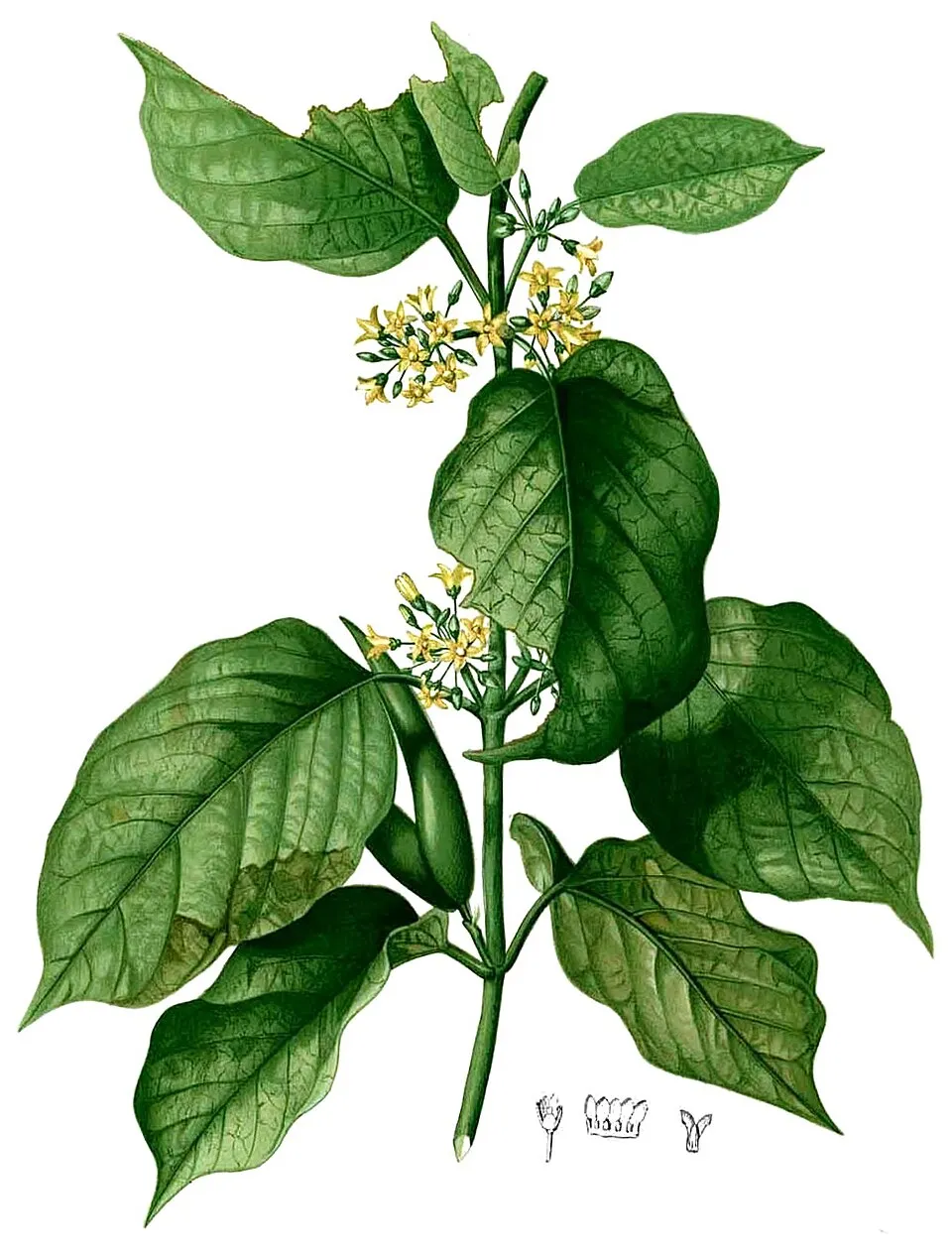
Gymnema inodorum, commonly referred to simply as Gymnema or sometimes as 'Gurmar' (meaning 'sugar destroyer' in Hindi), is a robust perennial vine indigenous to the humid, tropical regions of Southeast Asia. This climbing plant typically extends its reach between 1 and 3 meters, exhibiting a vigorous, sprawling growth habit as it seeks support from surrounding vegetation or structures. Its foliage is a distinctive feature, characterized by opposite, ovate to lanceolate leaves that usually measure around 7-10 cm in length. These leaves possess a notable glossy, dark green surface, which not only contributes to their aesthetic appeal but also enhances their photosynthetic capacity in their native, often shaded, environments. The vine produces small, unassuming yellowish-green flowers, which are typically arranged in axillary racemes. These blossoms primarily emerge during the rainy season, adding a subtle touch of color to its natural surroundings.
Following successful pollination, the plant yields fruit in the form of slender, paired pods. These pods gradually transition to a brown hue upon ripening, each containing several flattened, seed-like structures, essential for the plant's propagation. Gymnema inodorum thrives optimally in warm, consistently humid conditions, preferring well-drained soils that are rich in organic matter. It is frequently encountered in the understories of forests, where it benefits from filtered sunlight, or along roadsides, indicating its adaptability to various light exposures. Taxonomically, Gymnema inodorum is a member of the Apocynaceae family, a diverse group that includes other medicinally significant species such as Catharanthus roseus (Madagascar Periwinkle). Historically, Gymnema inodorum has held profound cultural and medicinal significance across Asia, particularly in traditional systems like Ayurveda and Traditional Chinese Medicine (TCM).
Its reputation is largely built upon its remarkable 'anti-sweetness' property, a characteristic that has made it a cornerstone in the traditional management of conditions associated with sugar imbalances. While extensive modern research often focuses on its close relative, Gymnema sylvestre, the properties and traditional applications of G. inodorum are largely considered analogous due to shared active compounds like gymnemic acids, positioning it as a vital botanical in the global pursuit of natural health solutions. Trusted Scientific References Authoritative external sou ...[CURRENT TEXT EXISTS: 2675 chars]
1.1.Gymnema Inodorum — Defining Traits
- ✓Perennial tropical vine — Perennial tropical vine native to Southeast Asia.
- ✓Known commonly as — Known commonly as Gymnema or 'Gurmar' (sugar destroyer).
- ✓Distinctive anti — sweetness property due to gymnemic acids.
- ✓Supports healthy blood — Supports healthy blood sugar regulation and glucose metabolism.
- ✓May aid in — May aid in enhancing insulin sensitivity and production.
- ✓Potential for pancreatic beta — cell regeneration.
- ✓Contributes to weight — Contributes to weight management by reducing sugar cravings.
- ✓Traditional uses in — Traditional uses in Ayurvedic and Traditional Chinese Medicine.
- ✓Rich in triterpene — Rich in triterpene saponins, flavonoids, and other beneficial compounds.
- ✓Prefers warm, humid environments with well — drained, organic-rich soil.
- ✓Leaves are ovate — Leaves are ovate to lanceolate, glossy dark green.
- ✓Produces small, yellowish — green flowers in axillary racemes.
- ✓Member of the — Member of the Apocynaceae plant family.
- ✓Potential immunomodulatory and — Potential immunomodulatory and antimicrobial activities.
- ✓Used in various forms — leaf powder, decoctions, standardized extracts.
1.2.Gymnema Inodorum — Concise Overview
- ✓Gymnema inodorum is a perennial vine native to Southeast Asia, known as 'Gurmar' or 'sugar destroyer'.
- ✓Traditionally used in Ayurveda and TCM for managing diabetes and obesity.
- ✓Its primary active compounds, gymnemic acids, reduce sugar cravings and inhibit glucose absorption.
- ✓May support pancreatic beta-cell regeneration and enhance insulin sensitivity.
- ✓Potential benefits extend to weight management, lipid profile improvement, and antioxidant activity.
- ✓Critical to monitor blood sugar closely, especially for individuals on diabetes medication.
- ✓Avoid use during pregnancy, breastfeeding, and discontinue prior to surgery.
- ✓Consult a healthcare professional before use to ensure safety and appropriate dosage.
2.Gymnema Inodorum — Systematic Position
3.Gymnema Inodorum — Reference Facts
4.Gymnema Inodorum — Morphological Account
5.Gymnema Inodorum — Geographic Distribution
6.Gymnema Inodorum — Cultural & Traditional Roles
7.Gymnema Inodorum — Bioactive Constituents
- ✓Gymnemic Acids — These are the primary active compounds, a complex mixture of triterpene saponins. They are responsible for the anti-sweetness effect by blocking sugar receptors on the tongue and inhibiting glucose absorption in the intestines.
- ✓Gymnemasaponins — A class of saponins distinct from gymnemic acids, these compounds also contribute to the plant's hypoglycemic effects and overall medicinal profile.
- ✓Anthraquinones — Present in smaller quantities, these compounds can contribute to mild laxative effects and possess some antimicrobial properties, supporting gut health.
- ✓Flavonoids — Including compounds like quercetin, flavonoids are potent antioxidants. They help combat oxidative stress, reduce inflammation, and support cardiovascular health.
- ✓Stigmasterol — A phytosterol that is known for its role in lowering cholesterol levels. It can interfere with the absorption of dietary cholesterol in the gut.
- ✓Quercitol — A cyclitol compound found in Gymnema inodorum, its specific pharmacological actions are still being investigated but may contribute to the plant's overall metabolic effects.
- ✓Phytin — This compound, also known as inositol hexaphosphate, is a storage form of phosphorus in plants and can have antioxidant and anticarcinogenic properties.
- ✓Resins — The plant contains various resinous compounds, which contribute to its physical properties and may have some therapeutic actions, though less understood than other constituents.
- ✓Tannins — These polyphenolic compounds possess astringent properties, which can be beneficial for digestive health and offer some antimicrobial and antioxidant effects.
- ✓Alkaloids — Such as gymnamine, which is believed to play a role in the anti-sweetness effect, although to a lesser extent than gymnemic acids.
- ✓Polypeptides — Some studies suggest the presence of polypeptides that might contribute to the plant's insulinotropic effects, stimulating insulin release.
- ✓Minerals — Gymnema inodorum contains essential minerals like calcium, potassium, sodium, and phosphorus, which are vital for various physiological functions.
- ✓Vitamins — Traces of vitamins are present, contributing to the plant's nutritional value and overall health-supporting properties.
8.Gymnema Inodorum — Modern Studies
- ✓Blood Sugar Regulation — Gymnema inodorum is renowned for its potential to help regulate blood glucose levels. Its active compounds, gymnemic acids, are believed to inhibit glucose absorption in the intestines and enhance the body's natural insulin response.
- ✓Anti-Sweetness Effect — One of the most unique properties of Gymnema inodorum is its ability to temporarily suppress the perception of sweetness when its leaves are chewed. This effect is attributed to gymnemic acids binding to taste receptors on the tongue, reducing sugar cravings.
- ✓Enhanced Insulin Sensitivity — Research suggests that extracts from Gymnema inodorum may improve the sensitivity of cells to insulin, allowing for more efficient glucose uptake from the bloodstream and thus lowering blood sugar levels.
- ✓Pancreatic Beta-Cell Regeneration — Some studies indicate that Gymnema inodorum might support the regeneration of pancreatic beta cells, which are responsible for insulin production, potentially aiding in the body's natural glucose management.
- ✓Weight Management Support — By reducing sugar cravings and potentially inhibiting dietary fat absorption, Gymnema inodorum may contribute to weight management efforts, making it a valuable adjunct in obesity treatment strategies.
- ✓Lipid Profile Improvement — Beyond glucose control, Gymnema inodorum has shown promise in regulating lipid metabolism. It may help lower elevated levels of total cholesterol and triglycerides, contributing to cardiovascular health.
- ✓Digestive Health — Traditionally, Gymnema inodorum has been used to support digestive processes. While specific mechanisms are still under investigation, its general tonic properties may aid in maintaining a healthy gut.
- ✓Anti-inflammatory Properties — Certain constituents in Gymnema inodorum are thought to possess anti-inflammatory effects. This could contribute to its overall health benefits by reducing systemic inflammation.
- ✓Antioxidant Activity — The plant contains various phytochemicals, including flavonoids, that exhibit antioxidant properties. These compounds help neutralize harmful free radicals, protecting cells from oxidative damage.
- ✓Immunomodulatory Effects — Preliminary in vitro studies suggest that Gymnema inodorum extracts may have immunomodulatory actions, potentially influencing the body's immune responses and enhancing overall resilience.
- ✓Antimicrobial Action — Extracts of Gymnema inodorum have demonstrated some antimicrobial activity against certain pathogens. This indicates a potential role in combating various microbial infections.
- ✓Detoxifying Properties — In Traditional Chinese Medicine, Gymnema is valued for its detoxifying capabilities. It is believed to help cleanse the body and support metabolic waste elimination.
- ✓Appetite Control — The anti-sweetness effect of Gymnema inodorum can naturally lead to reduced caloric intake from sugary foods, indirectly helping with appetite control and healthier dietary choices.
8.1.Gymnema Inodorum — Indications & Uses
9.Gymnema Inodorum — Adverse Effects
9.1.Gymnema Inodorum — Side Effects & Warnings
- ✓Hypoglycemia — Taking Gymnema inodorum with diabetes medications can cause blood sugar levels to drop too low, leading to symptoms like dizziness, confusion, and weakness.
- ✓Gastrointestinal Upset — Some individuals may experience mild stomach upset, nausea, abdominal discomfort, or diarrhea, especially when first starting use or with high doses.
- ✓Dizziness and Lightheadedness — A sudden drop in blood sugar or individual sensitivity can lead to feelings of dizziness or lightheadedness.
- ✓Headache — Headaches have been reported by some users, though this is not a common side effect and may be related to changes in blood sugar.
- ✓Allergic Reactions — Although rare, individuals may experience allergic reactions, including skin rashes, itching, or more severe symptoms like shortness of breath.
- ✓Altered Taste Perception — Beyond sweetness, some users might report a temporary alteration in the perception of other tastes, which typically subsides quickly.
- ✓Liver Enzyme Interactions — Gymnema may interact with liver enzymes (e.g., CYP1A2, CYP2C9, CYP3A4), potentially altering the metabolism of other medications.
- ✓Increased Phenacetin Effects — It might decrease the rate at which the body breaks down phenacetin, potentially increasing its effects and side effects.
- ✓Decreased Tolbutamide Effects — Conversely, Gymnema might increase the rate at which the body breaks down tolbutamide, potentially reducing the effectiveness of this diabetes medication.
- ✓Blood Pressure Changes — While not widely studied, some users report minor fluctuations in blood pressure, necessitating caution for those with hypertension or hypotension.
9.2.Gymnema Inodorum — Safety Overview
- ✓Pregnancy and Breast-feeding — Insufficient reliable information exists regarding the safety of Gymnema inodorum during pregnancy or lactation; therefore, it is advisable to avoid use.
- ✓Surgery — Gymnema inodorum can affect blood sugar levels, which may interfere with glucose control during and after surgical procedures. Discontinue use at least two weeks before any scheduled surgery.
- ✓Diabetes Patients — Individuals with diabetes should use Gymnema inodorum only under strict medical supervision due to its potent blood sugar-lowering effects. Close monitoring of blood glucose is essential to prevent hypoglycemia.
- ✓Drug Interactions — Exercise caution when combining Gymnema inodorum with antidiabetes medications, as it can potentiate their effects and lead to dangerously low blood sugar. Consult a healthcare provider.
- ✓Liver Metabolism — Gymnema may interact with certain liver enzymes (Cytochrome P450 enzymes), potentially altering the metabolism and efficacy of other medications. Discuss all medications with a doctor.
- ✓Children — There is a lack of sufficient safety data for Gymnema inodorum use in children; thus, it is generally not recommended for pediatric populations.
- ✓Duration of Use — Gymnema inodorum is possibly safe when taken orally and appropriately for up to 20 months, according to some studies, but long-term safety beyond this period requires more research.
- ✓Allergic Sensitivities — Individuals with known allergies to plants in the Apocynaceae family or other plant allergies should approach Gymnema inodorum with caution due to potential cross-reactivity.
- ✓Autoimmune Conditions — While not a direct contraindication, individuals with autoimmune diseases should consult their physician before use, especially if immunomodulatory effects are a concern.
- ✓Professional Guidance — Always consult a qualified healthcare professional, herbalist, or physician before starting any new herbal supplement, particularly if you have underlying health conditions or are taking other medications.
10.Gymnema Inodorum — Application Forms
- ✓Leaf Powder — Dried leaves are finely ground into a powder, which can be encapsulated, mixed with water, or added to smoothies for daily consumption.
- ✓Decoction — Fresh or dried leaves are boiled in water for 10-15 minutes, then strained and consumed as a tea. This method extracts water-soluble compounds.
- ✓Infusion — Dried leaves are steeped in hot water for 5-10 minutes, similar to preparing a regular herbal tea, to extract lighter compounds.
- ✓Tincture — An alcoholic extract made by soaking fresh or dried leaves in a high-proof alcohol solution for several weeks. Doses are typically taken in drops.
- ✓Standardized Extracts — Available in capsule or tablet form, these extracts are concentrated to contain a specific percentage of gymnemic acids, ensuring consistent potency.
- ✓Chewing Fresh Leaves — For an immediate anti-sweetness effect, a small piece of a fresh leaf can be chewed. This temporarily blocks sweet taste receptors.
- ✓Topical Application — While less common for Gymnema, some traditional practices may use poultices of crushed leaves for local ailments (though evidence is limited).
- ✓Ayurvedic Churna — In Ayurveda, the powdered leaves are often combined with other herbs to create specific formulations (churna) for various health conditions.
- ✓Herbal Syrups — Extracts can be incorporated into herbal syrups, particularly for children, though adult supervision and specific dosing are crucial.
- ✓Dosage Guidance — Always consult a qualified healthcare professional or herbalist for appropriate dosage, as it varies significantly based on the preparation, concentration, and individual health needs.
- ✓Culinary Use — Though not a culinary herb in the Western sense, its anti-sweetness property has been explored in traditional and modern health-focused food preparations to reduce sugar intake.
11.Gymnema Inodorum — Propagation & Care
- ✓Climate — Thrives in warm, tropical, and subtropical climates with high humidity, ideally between 20-35°C (68-95°F).
- ✓Soil Requirements — Prefers well-drained, fertile soil rich in organic matter with a slightly acidic to neutral pH (6.0-7.0).
- ✓Light Exposure — Can tolerate partial shade, mimicking its natural forest understory habitat, but also grows well in full sun if moisture is consistent.
- ✓Propagation — Primarily propagated from seeds or stem cuttings. Cuttings should be 15-20 cm long with 2-3 nodes.
- ✓Watering — Requires consistent moisture; keep soil evenly damp but avoid waterlogging, especially during dry spells.
- ✓Fertilization — Benefits from regular application of organic compost or a balanced slow-release fertilizer during the growing season.
- ✓Support Structure — As a climbing vine, it needs a trellis, stakes, or other support to grow vertically and maximize leaf production.
- ✓Pruning — Regular pruning helps maintain shape, promotes bushier growth, and encourages a higher yield of medicinal leaves.
- ✓Pest and Disease Management — Generally robust, but monitor for common vine pests like aphids or spider mites, and fungal diseases in overly humid conditions.
- ✓Harvesting — Leaves are the primary medicinal part; harvest mature, healthy leaves throughout the growing season, typically before flowering for optimal potency.
- ✓Post-Harvest Processing — Leaves should be dried immediately after harvest in a shaded, well-ventilated area to preserve active compounds and prevent mold.
- ✓Container Growing — Can be grown in large containers with adequate support for cultivation in non-tropical regions, often moved indoors during colder months.
Reviewed by the Flora Medical Global Botanical Review Panel
Multi-disciplinary editorial group · Botany · Ethnobotany · Herbal-medicine literature
Who reviewed this: This page was checked by the Flora Medical Global Botanical Review Panel — an in-house editorial group of botany graduates, ethnobotany researchers, and horticulture practitioners who collectively maintain our 7,000+ plant encyclopedia. Meet the team.
Our 4-step verification process
1. Taxonomic verification
Scientific names and synonyms cross-checked against Kew POWO, World Flora Online, and The Plant List.
2. Phytochemical & medicinal cross-reference
Active compounds, traditional uses, and reported activities are cross-referenced with PubMed, USDA Dr. Duke's database, and peer-reviewed ethnobotanical literature.
3. Conservation & distribution check
Distribution, ecology, and conservation status confirmed against GBIF occurrence records and the IUCN Red List.
4. Editorial & safety review
Every entry passes an editorial pass for clarity, originality, and safety notices (toxicity, contraindications, dosage caveats) before publication.
Last reviewed:
Important medical disclaimer: This content is for educational and research purposes only. It is not medical advice and is not a substitute for consultation with a licensed healthcare provider. Do not use any herb to self-treat a medical condition without professional guidance.
Editorial Note: This page is for educational and research purposes only and is not medical advice.
Written by: Flora Medical Global Editorial Team
Reviewed by: Flora Medical Global Botanical Review Panel
Last Updated: June 15, 2026





Gymnema Inodorum — Comments & Community Reviews
Rate this plant