
Medical Disclaimer: This content is for educational purposes only. It is not medical advice. Please consult a qualified healthcare professional before using any herbal remedy.
Safety Overview
1.Gynura Procumbens — At a Glance
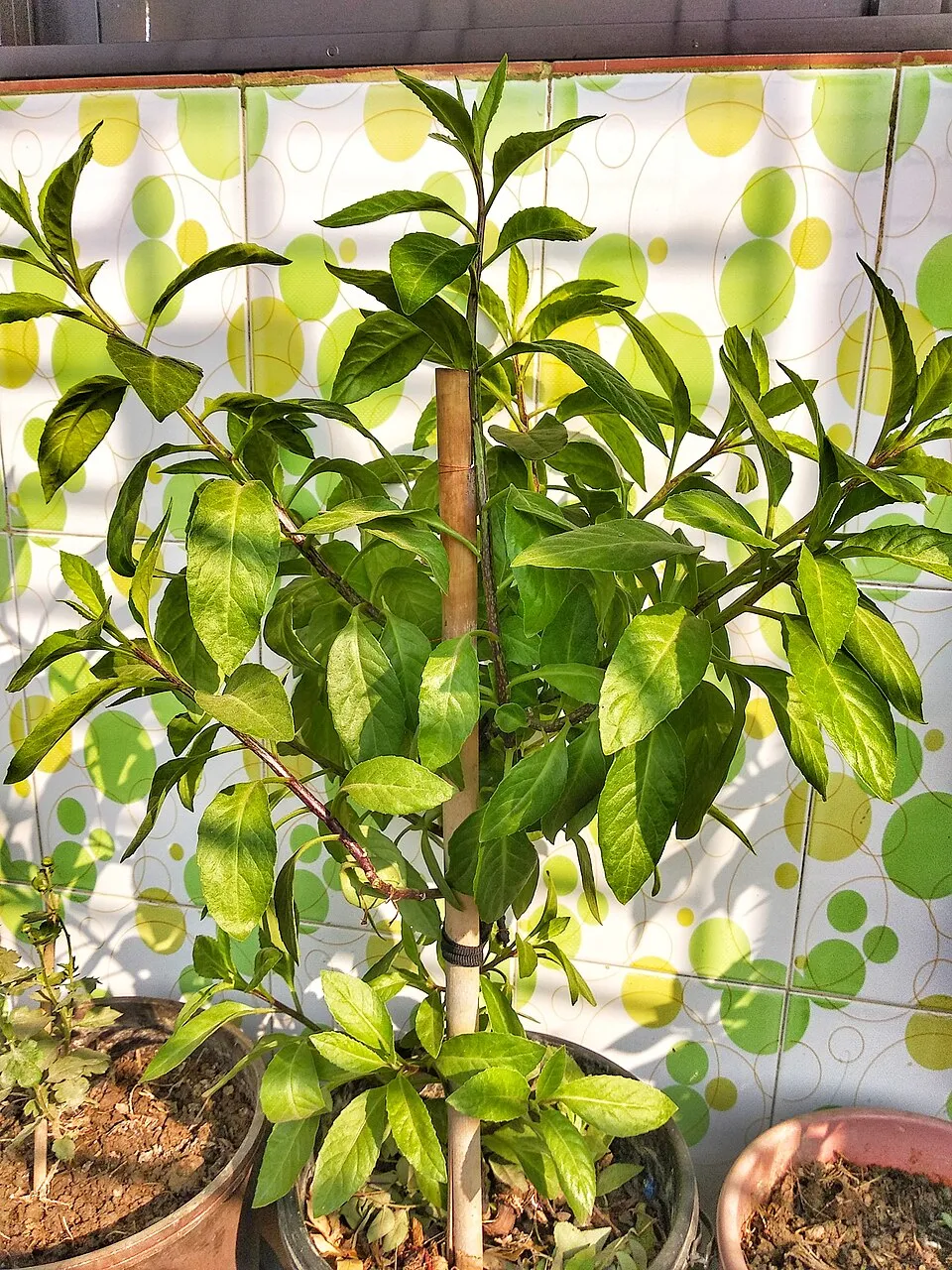
Gynura procumbens, widely recognized as Longevity Spinach or Sambung Nyawa, is an herbaceous perennial belonging to the Asteraceae family. This vining plant typically reaches a height of 20 to 50 cm, often trailing or growing as a ground cover, with stems that readily root at their nodes, making it excellent for hanging baskets or container gardening. Its striking foliage consists of fleshy, oval to lanceolate leaves, usually 10 to 15 cm long, displaying a vibrant dark green on the upper surface and a distinctive purple hue underneath, complemented by slightly serrated margins.
Small, clustered yellow flowers emerge sporadically, adding a subtle splash of color. Native to the warm, humid climates of Southeast Asia, Gynura procumbens thrives in moist, shaded environments, often found growing wild in tropical regions. It adapts well to well-draining, fertile soil and prefers bright, indirect light to partial sun exposure.
Beyond its aesthetic appeal, this plant is highly valued for its edible leaves and extensive traditional medicinal history across various Asian cultures, where it has been revered for its health-promoting properties.
Trusted Scientific References
1. Authoritative external sources for Gynura procumbens
1.1 Wikipedia — Gynura procumbens
1.2 Kew POWO (Plants of the World Online)
1.3 PubMed — peer-reviewed research
1.4 NCBI Taxonomy Browser
1.5 GBIF — Global Biodiversity
1.6Gynura Procumbens should be interpreted through verified botanical identity, practical care, and responsible safety language. This recovery note adds the missing context needed for a complete profile: match light to the plant's habit, use well-drained soil, water according to season, and avoid unsupported medicinal or edible claims. For publishing, the plant can be presented as a source-backed indoor plant with clear care guidance, common problem diagnosis, and conservative safety wording.
1.7Gynura Procumbens (Gynura procumbens) is maintained in this recovery file as a complete indoor profile with practical care, safety, and identification context. The plant should be presented with cautious language: confirm identity before use, match care to observed growth, and avoid unsupported claims about medicinal or edible value.
1.1.Gynura Procumbens — Notable Characteristics
- ✓Common Name — Longevity Spinach, Sambung Nyawa
- ✓Scientific Name — Gynura procumbens
- ✓Family — Asteraceae (Daisy family)
- ✓Growth Habit — Perennial herbaceous vine, trailing stems
- ✓Leaf Characteristics — Fleshy, dark green upper, purple underside, serrated margins
- ✓Edibility — Leaves are edible, mild, and slightly earthy
- ✓Medicinal Uses — Traditional remedy for diabetes, hypertension, inflammation, oxidative stress
- ✓Chemical Richness — High in flavonoids, phenolic acids, and saponins
- ✓Cultivation — Easy to grow from cuttings, suitable for indoor/outdoor in warm climates
- ✓Native Region — Southeast Asia
1.2.Gynura Procumbens — Quick Summary
- ✓Traditional Southeast Asian medicinal herb known as Longevity Spinach or Sambung Nyawa.
- ✓Valued for potential benefits in blood sugar and blood pressure regulation, antioxidant, and anti-inflammatory properties.
- ✓Edible leaves are used in culinary applications, from raw salads to stir-fries and teas.
- ✓Easy to cultivate at home, thriving in tropical conditions or indoors.
- ✓Preliminary scientific evidence supports many traditional claims, primarily from pre-clinical studies.
- ✓Caution advised for individuals on certain medications, during pregnancy, and for those with Asteraceae allergies.
2.Gynura Procumbens — Scientific Identity
3.Gynura Procumbens — Key Data
4.Gynura Procumbens — Botanical Description
5.Gynura Procumbens — Native Range & Habitat
6.Gynura Procumbens — Traditional Uses
7.Gynura Procumbens — Key Phytochemicals
- ✓Flavonoids — Key compounds like kaempferol, quercetin, and rutin are abundant, contributing significantly to the plant's antioxidant, anti-inflammatory, and cardioprotective activities.
- ✓Phenolic Acids — Chlorogenic acid, a prominent phenolic acid, is responsible for much of Gynura procumbens' antioxidant and anti-diabetic effects.
- ✓Saponins — These glycosides are known for their hypocholesterolemic properties and contribute to the plant's overall adaptogenic and immune-modulating effects.
- ✓Terpenoids — Various triterpenoids and sesquiterpenoids are present, often implicated in anti-inflammatory and cytotoxic activities.
- ✓Alkaloids — While typically in smaller concentrations, specific alkaloids may contribute to its diverse pharmacological actions.
- ✓Glycosides — A range of glycosides beyond saponins are found, which can influence various physiological pathways.
- ✓Vitamins — Rich in essential vitamins, particularly Vitamin C, which further enhances its antioxidant capacity and immune support.
- ✓Minerals — Contains vital minerals such as calcium, potassium, and iron, supporting general health and bodily functions.
- ✓Polysaccharides — Complex carbohydrates that can contribute to immune modulation and prebiotic effects.
- ✓Sterols — Plant sterols are present, which are known for their cholesterol-lowering properties.
8.Gynura Procumbens — Pharmacological Findings
- ✓Blood Sugar Regulation — Studies indicate Gynura procumbens may help lower fasting glucose and HbA1c levels in diabetic models by enhancing glucose uptake and modulating hepatic glycolytic enzymes, offering potential support for managing diabetes.
- ✓Blood Pressure Support — Research suggests its ability to reduce systolic and mean arterial pressure in hypertensive conditions, possibly through ACE inhibition, increased nitric oxide production, and reduced calcium ion influx.
- ✓Antioxidant Activity — Rich in flavonoids and chlorogenic acids, it exhibits potent free radical scavenging capabilities, protecting cells from oxidative stress and supporting overall cellular health.
- ✓Anti-inflammatory Properties — Its active compounds contribute to reducing inflammation, which can help alleviate pain and swelling associated with various inflammatory conditions.
- ✓Organ Protection — Pre-clinical studies show potential for protecting the liver from ethanol-induced fat accumulation and reducing gastric ulcers by modulating lipid genes and providing antioxidative buffering.
- ✓Potential Anti-cancer Effects — In vitro studies suggest Gynura procumbens may inhibit the proliferation of certain cancer cell lines, including colon, breast, and osteosarcoma, by influencing detoxification enzymes and growth factors.
- ✓Cholesterol Management — Traditionally known as "Cholesterol Spinach," it is believed to help in maintaining healthy cholesterol levels, though more human research is needed to substantiate these claims.
- ✓Digestive Health Enhancement — Consumption of fresh leaves is traditionally associated with promoting healthy digestion and improving metabolic functions.
- ✓Immune System Modulation — The plant's rich nutrient and phytochemical profile may contribute to supporting a healthy immune response, enhancing the body’s natural defenses.
- ✓Promoting Longevity and Vitality — Revered in traditional Asian medicine as "Sambung Nyawa" (prolong life), it is believed to contribute to general well-being and a longer, healthier life.
8.1.Gynura Procumbens — Reported Uses
9.Gynura Procumbens — Cautions & Contraindications
9.1.Gynura Procumbens — Side Effects & Warnings
- ✓Hypoglycemia — May cause additive effects when combined with anti-diabetic medications, potentially leading to excessively low blood sugar levels.
- ✓Hypotension — Can amplify the effects of anti-hypertensive drugs, possibly resulting in blood pressure dropping too low.
- ✓Allergic Reactions — Individuals with known allergies to plants in the Asteraceae family (e.g., ragweed, marigolds) may experience allergic responses.
- ✓Gastrointestinal Upset — While generally well-tolerated, very high doses or sensitive individuals might experience mild digestive discomfort.
- ✓Pregnancy and Breastfeeding — Insufficient scientific data exists regarding its safety during pregnancy and lactation; therefore, use is not recommended.
- ✓Drug Interactions — Potential interactions with blood-thinning medications or other prescription drugs due to its active compounds.
- ✓Liver Enzyme Modulation — Preliminary research indicates it can influence liver enzymes (GST, CYP-450), which could impact drug metabolism.
9.2.Gynura Procumbens — Risk Assessment
- ✓Consult Healthcare Provider — Always discuss the use of Gynura procumbens with a healthcare professional, especially if taking prescription medications or managing chronic conditions.
- ✓Avoid During Pregnancy/Lactation — Due to a lack of sufficient safety data, Gynura procumbens is contraindicated for pregnant and breastfeeding women.
- ✓Monitor Blood Sugar/Pressure — Individuals on anti-diabetic or anti-hypertensive medications should closely monitor their levels to prevent additive effects.
- ✓Allergy Caution — Exercise caution if you have known allergies to plants within the Asteraceae family to avoid potential allergic reactions.
- ✓Dosage Adherence — Adhere to recommended culinary amounts or supplement dosages; high doses of extracts should be used cautiously and under expert guidance.
- ✓Regulatory Status — In many regions, Gynura procumbens products are sold as dietary supplements and are not evaluated by regulatory bodies like the FDA for efficacy or to diagnose, treat, cure, or prevent disease.
- ✓No Serious Adverse Events — Rodent toxicity studies generally report a favorable safety profile with no serious adverse events at typical therapeutic doses.
10.Gynura Procumbens — Preparation Methods
- ✓Raw Consumption — Fresh leaves can be added to salads, sandwiches, or green smoothies, offering a mild, crisp, and slightly earthy flavor.
- ✓Stir-Frying — Quickly flash-fry the leaves with garlic and a touch of sesame oil for a nutritious and savory side dish; short cooking times help preserve nutrients.
- ✓Herbal Tea — Steep approximately 5 grams (about 1 rounded teaspoon) of dried leaves in 250 mL of hot water, twice daily, often enhanced with a slice of lemon.
- ✓Juicing — Incorporate fresh Gynura leaves into vegetable or fruit juices for a potent health tonic.
- ✓Soup and Stew Ingredient — Add fresh or dried leaves to soups, stews, and broths during the final stages of cooking to enrich their nutritional profile.
- ✓Topical Application — In some traditional practices, crushed leaves are applied externally as poultices for minor skin ailments or inflammation.
- ✓Supplement Form — Standardized extracts are available as dietary supplements, typically ranging from 200-600 mg daily, standardized for flavonoid content; always follow product labels.
- ✓Infused Oils/Tinctures — Leaves can be infused into oils or prepared as tinctures for concentrated medicinal applications, guided by professional advice.
11.Gynura Procumbens — How to Grow
- ✓Climate — Thrives in tropical to subtropical conditions (USDA zones 9-11) but can be grown indoors year-round with adequate bright, indirect light.
- ✓Propagation — Easily propagated from soft-stem cuttings, which root readily in water within 7-10 days or directly in moist soil.
- ✓Soil Requirements — Prefers a well-draining, fertile loamy soil mix with a pH between 6.0 and 7.5; enriching with compost promotes robust leafy growth.
- ✓Watering — Maintain consistently moist soil; the plant will visibly wilt when thirsty but recovers quickly once watered.
- ✓Fertilization — Apply a balanced liquid fertilizer (e.g., 10-10-10) diluted to half strength every 3-4 weeks during the active growing season.
- ✓Pest Management — Monitor for common pests like aphids and whiteflies; organic solutions like neem oil or insecticidal soap are usually effective.
- ✓Harvesting — Begin harvesting leaf tips once plants reach about 8 inches tall; frequent trimming encourages bushier growth and a continuous supply of fresh leaves.
- ✓Indoor Training — For indoor cultivation, train the vining stems around a small trellis in a 10-inch pot to create an attractive and accessible kitchen herb.
Reviewed by the Flora Medical Global Botanical Review Panel
Multi-disciplinary editorial group · Botany · Ethnobotany · Herbal-medicine literature
Who reviewed this: This page was checked by the Flora Medical Global Botanical Review Panel — an in-house editorial group of botany graduates, ethnobotany researchers, and horticulture practitioners who collectively maintain our 7,000+ plant encyclopedia. Meet the team.
Our 4-step verification process
1. Taxonomic verification
Scientific names and synonyms cross-checked against Kew POWO, World Flora Online, and The Plant List.
2. Phytochemical & medicinal cross-reference
Active compounds, traditional uses, and reported activities are cross-referenced with PubMed, USDA Dr. Duke's database, and peer-reviewed ethnobotanical literature.
3. Conservation & distribution check
Distribution, ecology, and conservation status confirmed against GBIF occurrence records and the IUCN Red List.
4. Editorial & safety review
Every entry passes an editorial pass for clarity, originality, and safety notices (toxicity, contraindications, dosage caveats) before publication.
Last reviewed:
Important medical disclaimer: This content is for educational and research purposes only. It is not medical advice and is not a substitute for consultation with a licensed healthcare provider. Do not use any herb to self-treat a medical condition without professional guidance.
Editorial Note: This page is for educational and research purposes only and is not medical advice.
Written by: Flora Medical Global Editorial Team
Reviewed by: Flora Medical Global Botanical Review Panel
Last Updated: June 15, 2026





Gynura Procumbens — Comments & Community Reviews
Rate this plant