
Medical Disclaimer: This content is for educational purposes only. It is not medical advice. Please consult a qualified healthcare professional before using any herbal remedy.
Safety Overview
1.Hard Fern — Introduction & Highlights
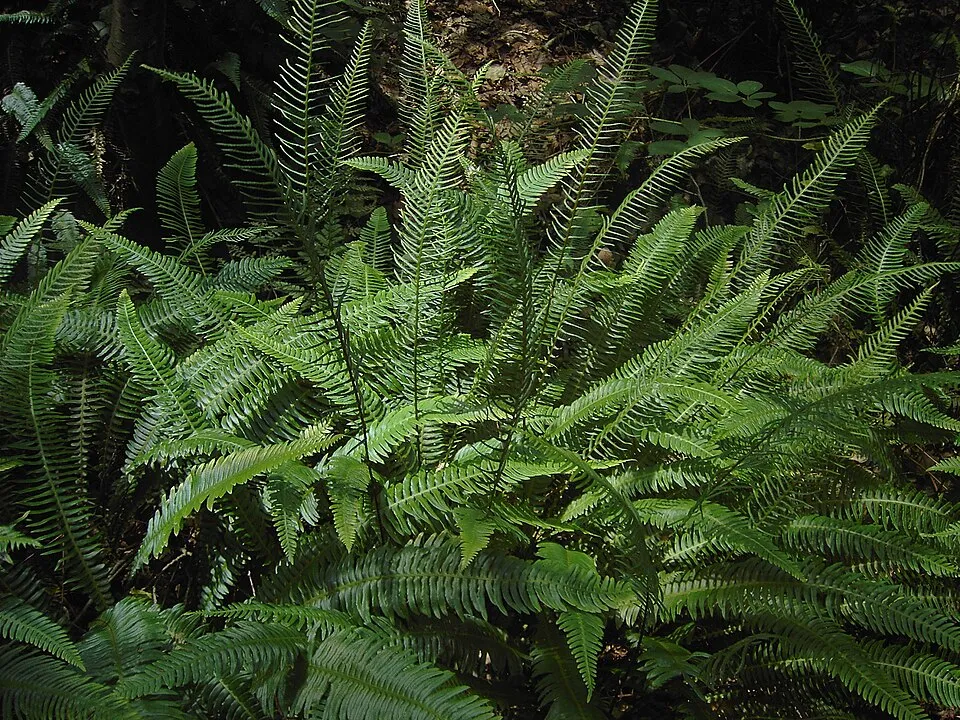
Hard Fern, scientifically known as Blechnum spicant, is an elegant, evergreen perennial fern distinguished by its unique dimorphic fronds. Typically reaching heights of 30 to 80 cm, this species presents two distinct types of leaves: sterile and fertile. The sterile fronds, which form a low, spreading rosette, are lanceolate to linear, measuring 30 to 50 cm long, and exhibit a rich, glossy green color.
Their pinnae are broadly linear, giving them a finely textured, almost comb-like appearance, and the leaf margins are entire or slightly waved. These fronds remain green throughout the year, providing continuous ground cover.
In contrast, the fertile fronds are erect, taller, and narrower, often standing above the sterile rosette. Their pinnae are much narrower, almost filiform, designed specifically to bear the reproductive structures. The stipes, or leaf stalks, are typically brown and covered in fine, hair-like scales, adding to the plant's aesthetic appeal.
As a member of the Blechnaceae family, Blechnum spicant is a homosporous plant, meaning it produces only one type of spore. These spores are located on the undersides of the specialized fertile fronds, arranged in linear clusters called sori, which are protected by a membranous covering known as an indusium. This distinctive morphology is a key identifier for the species in its natural habitat.
Hard Fern thrives in moist, shaded environments, particularly in temperate regions across the Northern Hemisphere. Its geographic distribution spans much of Europe, parts of Asia, and North America, where it is a characteristic understory plant in coniferous and deciduous forests. It shows a strong preference for acidic, well-drained soils rich in organic matter, often forming dense colonies.
In North America, it is particularly common in the Pacific Northwest and along the Appalachian Mountains. Historically, its resilience and widespread presence have made it a familiar component of forest ecosystems, observed and utilized by indigenous communities for various purposes, including its potential medicinal properties and as a source of fiber. Its robust nature and distinctive appearance make it a significant botanical specimen within its ecosystem.
Trusted Scientific References
1. Authoritative external sources for Blechnum spicant
1.1 Wikipedia — Blechnum spicant
1.2 Kew POWO (Plants of the World Online)
1.3 PubMed — peer-reviewed research
1.4 NCBI Taxonomy Browser
1.5 GBIF — Global Biodiversity
1.1.Hard Fern — Standout Qualities
- ✓Perennial evergreen fern — Perennial evergreen fern
- ✓Dimorphic fronds (sterile — Dimorphic fronds (sterile and fertile)
- ✓Lanceolate to linear — Lanceolate to linear sterile fronds
- ✓Erect, narrower fertile — Erect, narrower fertile fronds bearing sori
- ✓Homosporous reproduction — Homosporous reproduction
- ✓Prefers acidic, moist, well — drained soils
- ✓Thrives in partial — Thrives in partial to full shade
- ✓Native to temperate — Native to temperate Northern Hemisphere (Europe, North America)
- ✓Rich in antioxidant — Rich in antioxidant flavonoids and phenolic acids
- ✓Traditional immune system — Traditional immune system support
- ✓Documented anti — inflammatory properties
- ✓Potential for digestive — Potential for digestive health benefits
- ✓Forms dense colonies — Forms dense colonies in forest understories
- ✓Distinctive brown, scaly — Distinctive brown, scaly stipes
- ✓Part of the — Part of the Blechnaceae plant family
1.2.Hard Fern — Quick Summary
- ✓Hard Fern (Blechnum spicant) is a perennial, evergreen fern with unique dimorphic fronds.
- ✓Native to temperate Northern Hemisphere, thriving in moist, shaded, acidic forest understories.
- ✓Traditionally used for immune support, anti-inflammatory, and antioxidant benefits.
- ✓Rich in flavonoids, phenolic acids, and terpenoids, contributing to its medicinal properties.
- ✓Used in infusions, decoctions, tinctures, and topical applications.
- ✓Requires caution during pregnancy, lactation, and with certain medications.
- ✓Known for its distinctive reproductive structures (sori on fertile fronds).
- ✓A valuable botanical for both ecological and potential medicinal interest.
2.Hard Fern — Taxonomic Classification
3.Hard Fern — Botanical Stats
4.Hard Fern — Morphological Account
5.Hard Fern — Geographic Distribution
6.Hard Fern — Cultural & Traditional Roles
7.Hard Fern — Bioactive Constituents
- ✓Flavonoids — Such as quercetin and kaempferol, known for their antioxidant and anti-inflammatory properties.
- ✓Tannins — Contributing to astringent effects, useful for wound healing and reducing discharge.
- ✓Phenolic Acids — Including caffeic acid and ferulic acid, which possess antioxidant and potential anti-inflammatory benefits.
- ✓Terpenoids — A diverse group of compounds that can contribute to various pharmacological activities.
- ✓Saponins — May have expectorant and diuretic properties.
8.Hard Fern — What Research Suggests
- ✓Diuretic Action — The fronds of the Hard Fern possess notable diuretic properties, which can be beneficial in promoting the excretion of excess fluid from the body. This makes it a potential aid for conditions associated with water retention, such as edema.
- ✓Urinary Tract Support — Traditionally, Hard Fern has been employed to support urinary tract health. Its diuretic effect may help to flush out the urinary system, potentially assisting in the management of mild urinary discomforts.
- ✓Wound Healing — Poultices made from crushed Hard Fern leaves have been historically used to promote the healing of wounds and skin irritations. The plant's constituents are believed to possess mild astringent and antiseptic qualities that can aid in cleansing and closing minor abrasions.
- ✓Anti-inflammatory Properties — While research is ongoing, some traditional uses suggest that compounds within the Hard Fern may exhibit anti-inflammatory effects. This could potentially offer relief from localized inflammation when applied topically or consumed internally in appropriate preparations.
- ✓Digestive Aid — In some folk medicine practices, Hard Fern has been used to address minor digestive complaints. It's thought to potentially soothe the digestive tract and alleviate mild discomforts, though scientific evidence is limited.
- ✓Respiratory Support — Historically, decoctions of Hard Fern have been used as expectorants to help clear mucus from the respiratory passages. This traditional application suggests a potential role in alleviating symptoms of mild coughs and congestion.
- ✓Skin Conditions — Beyond wound healing, topical applications of Hard Fern preparations have been suggested for various minor skin ailments, including rashes and irritations, due to its purported soothing and cleansing properties.
- ✓Antioxidant Activity — Like many plants, Hard Fern likely contains various phenolic compounds and flavonoids that can contribute to antioxidant activity, helping to combat oxidative stress in the body.
- ✓Detoxification Support — The diuretic action can indirectly support the body's natural detoxification processes by aiding in the elimination of waste products through urine.
- ✓General Tonic — In some traditional systems, it was considered a general tonic, used to support overall well-being and vitality, though this is a broad and less specific application.
- ✓Astringent Qualities — The presence of tannins may contribute to mild astringent properties, which can help to tighten tissues and reduce minor bleeding or discharge.
- ✓Antimicrobial Potential — Preliminary investigations into fern constituents suggest potential antimicrobial activity, which could contribute to its historical use in wound care and for minor infections.
8.1.Hard Fern — Reported Uses
9.Hard Fern — Risk Profile
9.1.Hard Fern — Reported Side Effects
- ✓Hard Fern is generally considered safe when used in moderation for its traditional medicinal purposes.
- ✓However, excessive consumption or prolonged use may lead to gastrointestinal upset, such as nausea or stomach cramps, due to its potential irritant properties.
- ✓Individuals with pre-existing kidney conditions should exercise caution, as its diuretic effects could potentially exacerbate these issues.
9.2.Hard Fern — Clinical Safety Notes
- ✓As with many wild-harvested plants, it is crucial to ensure proper identification to avoid confusion with toxic look-alikes.
- ✓It is advisable to consult with a qualified healthcare professional or herbalist before using Hard Fern, especially if pregnant, breastfeeding, or taking medications, to ensure safety and avoid potential interactions.
10.Hard Fern — Application Forms
- ✓Herbal Infusion (Tea) — Steep 1-2 teaspoons of dried Hard Fern fronds in hot water for 10-15 minutes. Strain and consume for general wellness or digestive support.
- ✓Decoction — For more potent extraction, simmer dried rhizomes or fronds in water for 15-20 minutes, then strain. Often used for deeper internal support.
- ✓Tincture — Prepare by macerating fresh or dried plant material in alcohol for several weeks, then straining. Tinctures offer a concentrated form for internal use.
- ✓Poultice — Crush fresh fronds and apply directly to the skin for minor irritations, wounds, or localized inflammation. Secure with a clean bandage.
- ✓Topical Compress — Soak a cloth in a strong infusion or decoction, wring out excess liquid, and apply to affected skin areas for soothing effects.
- ✓Capsules/Tablets — For convenient internal use, powdered dried Hard Fern can be encapsulated or pressed into tablets, available from reputable herbal suppliers.
- ✓Extracts — Standardized liquid or powdered extracts are available, offering precise dosing and concentrated active compounds.
- ✓Syrups — Combine a decoction with honey or other sweeteners to create a palatable syrup, particularly useful for respiratory support.
- ✓Dosage — Always start with a low dose and gradually increase as tolerated, adhering to guidelines from a qualified herbalist or product manufacturer.
- ✓Plant Parts Used — Primarily the fronds (both sterile and fertile) and sometimes the rhizomes are utilized for their medicinal properties.
11.Hard Fern — Growth Requirements
- ✓Site Selection — Choose a location with partial to full shade, mimicking its natural forest understory habitat, avoiding direct, harsh sunlight.
- ✓Soil Requirements — Opt for acidic, well-drained soil rich in organic matter. Amending with compost or peat moss can improve soil structure and acidity.
- ✓Watering — Maintain consistently moist soil, but ensure good drainage to prevent waterlogging, which can lead to root rot. Regular watering is crucial, especially during dry spells.
- ✓Temperature and Hardiness — Hard Fern is hardy in temperate climates (USDA Zones 5-9) and tolerates cold temperatures well, but protect from extreme winter winds.
- ✓Propagation by Spores — Collect mature spores from fertile fronds and sow on a sterile, moist substrate in a humid environment for best germination.
- ✓Division — Mature clumps can be carefully divided in spring or fall, ensuring each division has sufficient roots and fronds for successful establishment.
- ✓Fertilization — Generally, Hard Fern requires minimal fertilization. A light application of balanced, organic fertilizer or compost in spring can be beneficial.
- ✓Pest and Disease Management — This species is relatively pest-free. Ensure good air circulation and proper watering to prevent fungal issues like powdery mildew.
- ✓Container Growing — Can be successfully grown in containers with appropriate soil mix and drainage, allowing for controlled environmental conditions.
- ✓Mulching — Apply a layer of organic mulch around the base to help retain soil moisture, regulate temperature, and suppress weeds.
Reviewed by the Flora Medical Global Botanical Review Panel
Multi-disciplinary editorial group · Botany · Ethnobotany · Herbal-medicine literature
Who reviewed this: This page was checked by the Flora Medical Global Botanical Review Panel — an in-house editorial group of botany graduates, ethnobotany researchers, and horticulture practitioners who collectively maintain our 7,000+ plant encyclopedia. Meet the team.
Our 4-step verification process
1. Taxonomic verification
Scientific names and synonyms cross-checked against Kew POWO, World Flora Online, and The Plant List.
2. Phytochemical & medicinal cross-reference
Active compounds, traditional uses, and reported activities are cross-referenced with PubMed, USDA Dr. Duke's database, and peer-reviewed ethnobotanical literature.
3. Conservation & distribution check
Distribution, ecology, and conservation status confirmed against GBIF occurrence records and the IUCN Red List.
4. Editorial & safety review
Every entry passes an editorial pass for clarity, originality, and safety notices (toxicity, contraindications, dosage caveats) before publication.
Last reviewed:
Important medical disclaimer: This content is for educational and research purposes only. It is not medical advice and is not a substitute for consultation with a licensed healthcare provider. Do not use any herb to self-treat a medical condition without professional guidance.
Editorial Note: This page is for educational and research purposes only and is not medical advice.
Written by: Flora Medical Global Editorial Team
Reviewed by: Flora Medical Global Botanical Review Panel
Last Updated: June 15, 2026




Hard Fern — Comments & Community Reviews
Rate this plant