
Medical Disclaimer: This content is for educational purposes only. It is not medical advice. Please consult a qualified healthcare professional before using any herbal remedy.
Safety Overview
1.He Shou Wu — Introduction & Highlights
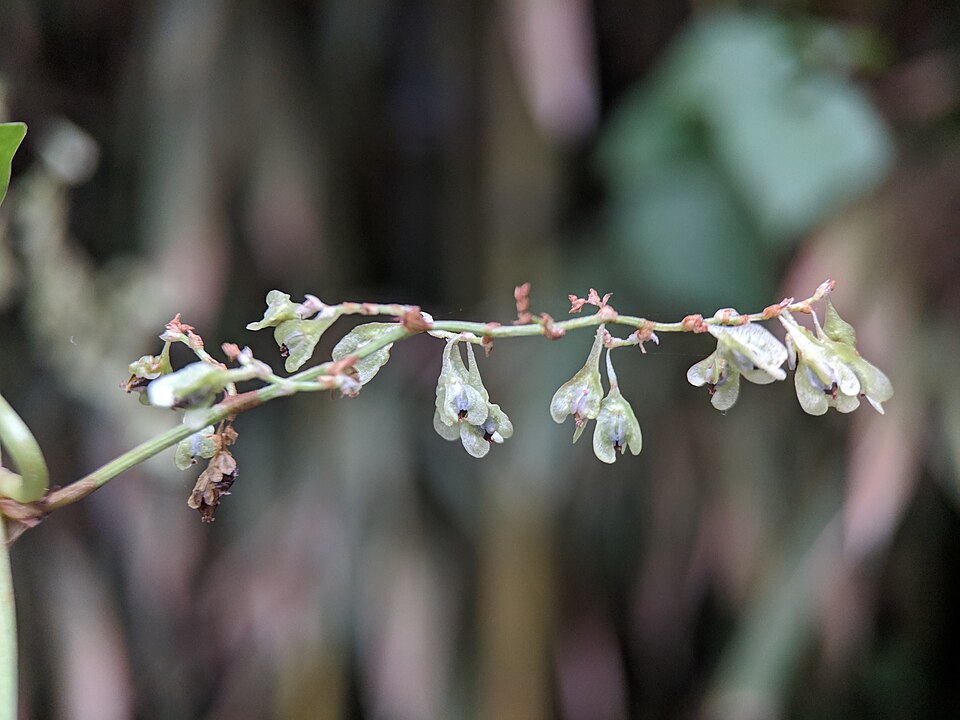
He Shou Wu, scientifically identified as Polygonum multiflorum, is an herbaceous perennial vine belonging to the Polygonaceae family, renowned for its robust growth and significant cultural and medicinal heritage. This vigorous climber can extend its stems up to an impressive 3 to 10 meters in length, intertwining gracefully through its environment. Its foliage consists of broad, alternate leaves, characteristically ovate to heart-shaped, typically measuring between 5 to 12 centimeters long, with a smooth, somewhat glossy adaxial surface. These leaves emerge from reddish-brown petioles, adding a subtle chromatic contrast to the vibrant green.
The plant’s flowering period generally spans from late summer through early autumn, producing an abundance of small, tubular flowers. These delicate blossoms, often appearing in dense, axillary or terminal panicles, display a range of hues from pristine white to a soft pale pink, contributing to the plant's aesthetic appeal. Young stems of Polygonum multiflorum are often distinguished by a velvety texture and a reddish tinge, gradually maturing into older branches that develop a rougher, woody, dark brown bark. The tuberous roots, specifically the processed roots (radix), are the primary part used in traditional medicine.
Geographically, He Shou Wu is indigenous to East Asia, thriving across a broad expanse that includes China, Korea, Japan, and Taiwan. It demonstrates a remarkable adaptability, flourishing in a variety of habitats such as forest margins, rocky slopes, valleys, and disturbed areas. It prefers moist, well-draining soils and can tolerate a spectrum of light conditions, from partial shade to full sun. Its resilience and widespread distribution underscore its ecological importance and its deep integration into the botanical pharmacopoeias of these regions, particularly Traditional Chinese Medicine (TCM), where it has been revered for centuries under names like Fo-Ti.
Trusted Scientific References
1. Authoritative external sources for Polygonum multiflorum
1.1 Wikipedia — Polygonum multiflorum
1.2 Kew POWO (Plants of the World Online)
1.3 PubMed — peer-reviewed research
1.4 NCBI Taxonomy Browser
1.5 GBIF — Global Biodiversity
1.1.He Shou Wu — Defining Traits
- ✓Botanical Name — Polygonum multiflorum, commonly known as He Shou Wu or Fo-Ti.
- ✓Family — Member of the Polygonaceae family, which includes knotweeds and smartweeds.
- ✓Growth Habit — A vigorous perennial climbing vine, capable of reaching significant lengths.
- ✓Root System — Characterized by large, tuberous roots, the primary medicinal part.
- ✓Leaves — Ovate to heart-shaped, smooth, and typically 5-12 cm long with reddish petioles.
- ✓Flowers — Small, white to pale pink, clustered in panicles, blooming late summer to early fall.
- ✓Traditional Use — Highly valued in Traditional Chinese Medicine (TCM) for centuries.
- ✓Key Actions — Blood tonic, liver tonic, kidney tonic, essence (Jing) enhancer.
- ✓Primary Bioactive — Tetrahydroxystilbene-2-O-beta-D-glucopyranoside (TSG).
- ✓Processing Importance — Raw root (Sheng) has different effects and higher risk than processed root (Zhi).
- ✓Geographical Origin — Indigenous to East Asia, including China, Japan, and Korea.
- ✓Associated Benefits — Hair health, anti-aging, immune support, neuroprotection, cardiovascular health.
- ✓Safety Considerations — Potential for liver toxicity, especially with improper use or dosage.
- ✓Common Forms — Available as dried root slices, powders, extracts, and capsules.
- ✓Cultural Significance — Deeply embedded in East Asian wellness traditions and folklore.
1.2.He Shou Wu — At-a-Glance Summary
- ✓Traditional Tonic — Revered in TCM for kidney, liver, and blood nourishment.
- ✓Hair Rejuvenation — Known for its traditional use in preventing premature graying and promoting hair growth.
- ✓Anti-Aging Properties — Often associated with longevity and vitality due to its antioxidant content.
- ✓Active Compounds — Rich in stilbene glycosides (like TSG), anthraquinones, and phospholipids.
- ✓Processed vs. Raw — Processed (Zhi) root is a tonic; raw (Sheng) root is purgative and potentially hepatotoxic.
- ✓Liver Health Concern — Potential for liver toxicity, especially with raw root or improper use.
- ✓East Asian Origin — Native to China, Korea, Japan, and Taiwan.
- ✓Versatile Use — Employed in decoctions, powders, tinctures, and topical applications.
2.He Shou Wu — Systematic Position
3.He Shou Wu — Quick Facts
4.He Shou Wu — Structural Profile
5.He Shou Wu — Geographic Distribution
6.He Shou Wu — Ethnobotanical Uses
7.He Shou Wu — Secondary Metabolites
- ✓Stilbene Glycosides — Primarily 2,3,5,4'-tetrahydroxystilbene-2-O-beta-D-glucopyranoside (TSG), which is considered the main active compound, exhibiting potent antioxidant, anti-inflammatory, and neuroprotective properties.
- ✓Anthraquinones — Such as emodin, physcion, and rhein, which contribute to the laxative effects of unprocessed He Shou Wu and possess antibacterial, antiviral, and anti-cancer activities.
- ✓Phospholipids — Including lecithin, which plays a role in brain health, cell membrane integrity, and cholesterol metabolism.
- ✓Flavonoids — Compounds like quercetin and kaempferol, known for their antioxidant, anti-inflammatory, and cardioprotective effects.
- ✓Polysaccharides — Complex carbohydrates that contribute to immune modulation and have demonstrated anti-tumor and antioxidant activities.
- ✓Organic Acids — Including gallic acid and caffeic acid, which are phenolic compounds with strong antioxidant and anti-inflammatory properties.
- ✓Catechins — Such as epicatechin and epigallocatechin gallate, commonly found in tea, contributing to antioxidant and cardiovascular benefits.
- ✓Steroids — Plant sterols that can influence hormone balance and have anti-inflammatory effects.
- ✓Trace Elements — Contains essential minerals like iron, zinc, and manganese, vital for various enzymatic reactions and physiological functions.
- ✓Amino Acids — Building blocks of proteins, essential for tissue repair, enzyme production, and overall metabolic health.
- ✓Fatty Acids — Including linoleic acid and oleic acid, important for cell structure, energy, and inflammatory responses.
- ✓Triterpenoids — Compounds known for their anti-inflammatory, hepatoprotective, and adaptogenic properties.
- ✓Tannins — Astringent compounds that can contribute to antioxidant activity and have traditional uses in digestive health.
- ✓Alkaloids — While less prominent, some alkaloids may be present, influencing various physiological pathways, though specific active alkaloids in He Shou Wu are less studied.
8.He Shou Wu — What Research Suggests
- ✓Hair Health Support — He Shou Wu is traditionally revered for its ability to support hair health, particularly in addressing premature graying and promoting hair growth. Its compounds are believed to nourish the scalp and follicles, enhance melanin production, and improve microcirculation, contributing to stronger, more vibrant hair.
- ✓Anti-Aging Properties — Often referred to as an 'anti-aging' herb, Polygonum multiflorum is thought to promote longevity and combat signs of aging. It works by supporting cellular regeneration, reducing oxidative stress, and maintaining vital organ function, contributing to overall vitality.
- ✓Kidney Tonic — In Traditional Chinese Medicine (TCM), He Shou Wu is classified as a powerful kidney tonic. It is believed to strengthen kidney essence (Jing), which is foundational for growth, reproduction, and healthy aging, thereby enhancing overall vitality and well-being.
- ✓Liver Support — This herb is also traditionally used to nourish and support liver function. It is thought to cleanse the liver, improve detoxification pathways, and enhance blood circulation to the organ, contributing to optimal metabolic processes.
- ✓Blood Nourishment — Polygonum multiflorum is highly valued for its blood-tonifying properties, especially in cases of 'blood deficiency' in TCM. It is believed to enrich the blood, improve circulation, and alleviate symptoms such as dizziness, fatigue, and pallor.
- ✓Cardiovascular Health — Research suggests that He Shou Wu may contribute to cardiovascular well-being by helping to maintain healthy cholesterol levels and supporting endothelial function. Its antioxidant properties protect blood vessels from damage.
- ✓Immune System Modulation — The active constituents in He Shou Wu are thought to modulate the immune system, enhancing the body's natural defense mechanisms. It can help balance immune responses, potentially increasing resistance to various pathogens.
- ✓Neurological Protection — Studies indicate that compounds in Polygonum multiflorum possess neuroprotective effects. They may help protect brain cells from damage, improve cognitive function, and potentially offer benefits in neurodegenerative conditions.
- ✓Bone and Joint Health — Traditional uses include strengthening bones and joints, particularly in conditions related to aging or deficiency. It is believed to support bone density and reduce inflammation, contributing to musculoskeletal integrity.
- ✓Reproductive Health — As a kidney essence tonic, He Shou Wu is also traditionally associated with supporting reproductive health in both men and women. It is thought to enhance fertility and address issues related to reproductive vitality.
- ✓Sleep Improvement — For individuals experiencing insomnia or restless sleep due to 'blood deficiency' or 'yin deficiency,' He Shou Wu is traditionally used to promote more restful sleep. It helps calm the spirit and nourish the body's vital substances.
- ✓Antioxidant Activity — Rich in stilbene glycosides and other phenolic compounds, He Shou Wu exhibits significant antioxidant activity. These compounds scavenge free radicals, reducing oxidative stress and protecting cells from damage.
- ✓Anti-inflammatory Effects — The herb contains various compounds that demonstrate anti-inflammatory properties. These can help mitigate inflammatory responses in the body, potentially beneficial for conditions characterized by chronic inflammation.
- ✓Digestive Support — While primarily known for other benefits, processed He Shou Wu can also support digestive health. It is believed to help with bowel regularity and nourish the intestinal lining, contributing to a balanced gut environment.
- ✓Glucose Metabolism — Preliminary research suggests that Polygonum multiflorum may have a role in supporting healthy glucose metabolism. Its compounds might influence insulin sensitivity and help regulate blood sugar levels.
- ✓Skin Health — Through its antioxidant and blood-nourishing properties, He Shou Wu is also believed to contribute to healthier skin. It can improve skin complexion, elasticity, and help address certain dermatological concerns.
8.1.He Shou Wu — Health Applications
9.He Shou Wu — Adverse Effects
9.1.He Shou Wu — Reported Side Effects
- ✓Liver Toxicity — The most concerning side effect, particularly with raw or improperly processed roots, leading to elevated liver enzymes and hepatitis.
- ✓Gastrointestinal Upset — Nausea, diarrhea, and abdominal pain can occur, especially with the unprocessed root due to its anthraquinone content.
- ✓Allergic Reactions — Skin rashes, itching, or other hypersensitivity reactions are possible in sensitive individuals.
- ✓Hypoglycemia — May lower blood sugar levels, posing a risk for diabetics, especially when combined with medication.
- ✓Hypotension — Can potentially lower blood pressure, which may be problematic for individuals with low blood pressure or on hypotensive drugs.
- ✓Electrolyte Imbalance — Excessive use, especially of unprocessed root with laxative effects, can lead to electrolyte disturbances.
- ✓Drug Interactions — May interact with medications, particularly those metabolized by the liver, blood thinners, and diabetic drugs.
- ✓Photosensitivity — Rare cases of increased skin sensitivity to sunlight have been reported.
- ✓Dizziness — Some individuals may experience dizziness, especially at higher doses or with initial use.
- ✓Numbness in extremities — Infrequent reports of peripheral numbness have been noted with prolonged or high-dose use.
9.2.He Shou Wu — Toxicity Assessment
- ✓Liver Monitoring — Individuals with pre-existing liver conditions or those on long-term use should monitor liver function regularly.
- ✓Avoid Raw Root — Raw Polygonum multiflorum should be used with extreme caution due to its higher laxative and potential hepatotoxic effects.
- ✓Pregnancy and Lactation — Contraindicated during pregnancy and breastfeeding due to insufficient safety data and potential effects on fetal development or infant.
- ✓Children — Not recommended for children due to lack of safety studies and potential for adverse effects.
- ✓Autoimmune Diseases — Use with caution in individuals with autoimmune conditions as it may modulate immune responses.
- ✓Diabetes Management — Diabetics should consult a healthcare provider due to potential blood sugar lowering effects and risk of hypoglycemia.
- ✓Anticoagulant Therapy — Avoid use with blood thinners due to potential interactions and increased risk of bleeding.
- ✓Digestive Sensitivity — Individuals prone to diarrhea or loose stools should use with caution, especially if using unprocessed forms.
- ✓Dosage Adherence — Adhere strictly to recommended dosages and consult a qualified herbalist or physician.
- ✓Discontinue if Adverse Reactions — Cease use immediately if symptoms of liver dysfunction (e.g., dark urine, jaundice, severe fatigue) or other adverse reactions occur.
10.He Shou Wu — Application Forms
- ✓Traditional Decoction — The most common method involves simmering processed He Shou Wu root slices in water for an extended period to extract active compounds.
- ✓Powdered Form — Dried and pulverized processed root can be consumed as a powder, often mixed into beverages or encapsulated.
- ✓Herbal Teas — Infusions can be made by steeping smaller pieces of processed root in hot water, though decoction is generally preferred for potency.
- ✓Tinctures — Alcohol-based extracts (tinctures) allow for concentrated dosage and extended shelf life, typically taken in drops.
- ✓Topical Applications — Extracts or infused oils can be applied externally for hair health, promoting growth and reducing graying.
- ✓Congee or Porridge — Cooked with rice or grains to create a medicinal congee, especially for nourishing blood and essence.
- ✓Herbal Formulas — Often combined with other herbs in Traditional Chinese Medicine prescriptions to enhance synergistic effects and balance.
- ✓Medicinal Wines — Prepared by soaking processed roots in rice wine or other alcoholic spirits for several weeks or months.
- ✓Capsules/Tablets — Standardized extracts are available in convenient capsule or tablet forms for precise dosing.
- ✓Processing Method — Raw roots (Sheng He Shou Wu) have a laxative effect, while processed roots (Zhi He Shou Wu, steamed with black bean juice) are used for tonic benefits and are less purgative.
- ✓External Hair Rinses — A strong decoction can be used as a hair rinse to support scalp health and hair pigmentation.
- ✓Culinary Use — In some traditional contexts, it's incorporated into soups or stews for its tonic properties, particularly the processed root.
11.He Shou Wu — Growth Requirements
- ✓Climate Preference — Thrives in temperate to subtropical climates with ample rainfall and moderate humidity.
- ✓Soil Requirements — Prefers moist, well-draining, rich loamy soils with a slightly acidic to neutral pH (6.0-7.0).
- ✓Light Exposure — Can grow in full sun to partial shade, with partial shade often yielding more vigorous growth in hotter climates.
- ✓Propagation — Primarily propagated from root divisions, stem cuttings, or seeds; root divisions are most common for faster establishment.
- ✓Planting Depth — Root divisions or young plants should be planted with the crown just below the soil surface.
- ✓Watering — Requires consistent moisture, especially during dry periods; avoid waterlogging to prevent root rot.
- ✓Support Structure — As a climbing vine, it benefits from trellises, fences, or other support structures for vertical growth.
- ✓Fertilization — Benefits from organic compost or balanced slow-release fertilizer applied in spring to support robust growth.
- ✓Pest and Disease Management — Generally robust, but monitor for common vine pests like aphids and fungal diseases in overly humid conditions.
- ✓Harvesting — Tuberous roots are typically harvested after 3-5 years of growth, usually in autumn or winter when nutrient content is highest.
- ✓Pruning — Regular pruning helps manage its vigorous growth and encourages bushier development.
- ✓Winter Care — In colder zones, roots may need mulching for winter protection, though established plants are quite hardy.
Reviewed by the Flora Medical Global Botanical Review Panel
Multi-disciplinary editorial group · Botany · Ethnobotany · Herbal-medicine literature
Who reviewed this: This page was checked by the Flora Medical Global Botanical Review Panel — an in-house editorial group of botany graduates, ethnobotany researchers, and horticulture practitioners who collectively maintain our 7,000+ plant encyclopedia. Meet the team.
Our 4-step verification process
1. Taxonomic verification
Scientific names and synonyms cross-checked against Kew POWO, World Flora Online, and The Plant List.
2. Phytochemical & medicinal cross-reference
Active compounds, traditional uses, and reported activities are cross-referenced with PubMed, USDA Dr. Duke's database, and peer-reviewed ethnobotanical literature.
3. Conservation & distribution check
Distribution, ecology, and conservation status confirmed against GBIF occurrence records and the IUCN Red List.
4. Editorial & safety review
Every entry passes an editorial pass for clarity, originality, and safety notices (toxicity, contraindications, dosage caveats) before publication.
Last reviewed:
Important medical disclaimer: This content is for educational and research purposes only. It is not medical advice and is not a substitute for consultation with a licensed healthcare provider. Do not use any herb to self-treat a medical condition without professional guidance.
Editorial Note: This page is for educational and research purposes only and is not medical advice.
Written by: Flora Medical Global Editorial Team
Reviewed by: Flora Medical Global Botanical Review Panel
Last Updated: June 15, 2026





He Shou Wu — Comments & Community Reviews
Rate this plant