
Medical Disclaimer: This content is for educational purposes only. It is not medical advice. Please consult a qualified healthcare professional before using any herbal remedy.
Safety Overview
1.Heart Fern — At a Glance
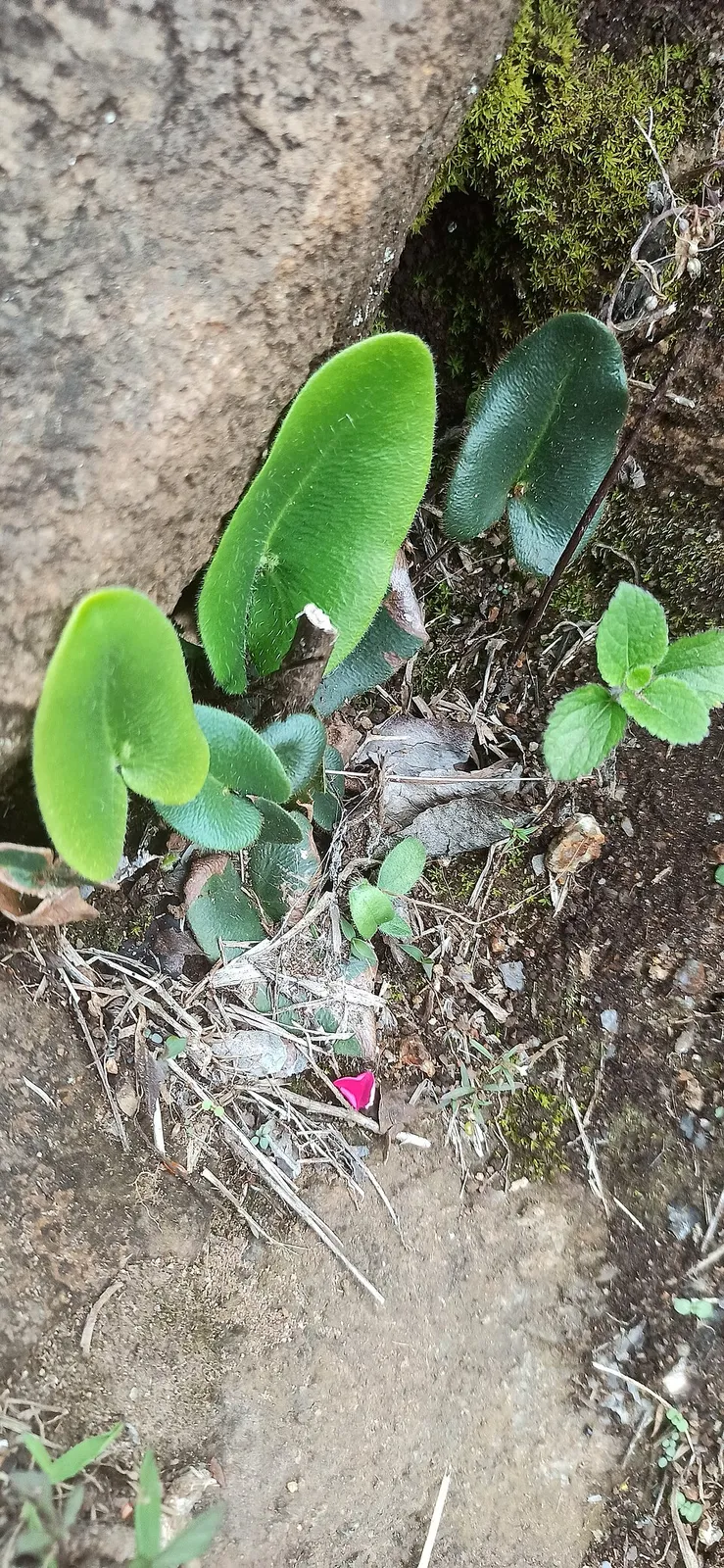
Hemionitis arifolia, popularly known as the Heart Fern or Heart Leaf Fern, is an enchanting tropical fern celebrated for its distinctive heart-shaped fronds. This epiphytic plant typically remains compact, generally reaching a height of 6 to 10 inches, though mature specimens can occasionally extend up to 12 inches under optimal conditions. Its glossy, dark green leaves, which can grow several inches long and wide, feature a deeply cordate (heart-like) base, making them instantly recognizable.
The delicate fronds are supported by slender, often reddish-brown or fuzzy black petioles that provide a striking contrast to the vibrant foliage. Unlike many common houseplants, Heart Ferns reproduce through microscopic spores, which are produced in sori typically found on the undersides of their mature fronds, rather than through flowers or seeds. Native to the humid, shaded understories of tropical forests across regions including Southeast Asia, tropical Africa, and parts of tropical America, Hemionitis arifolia thrives in environments with consistently high moisture and indirect light.
Taxonomically, it is correctly classified within the Pteridaceae family, known for its diverse group of true ferns. Beyond its aesthetic appeal as a popular terrarium or indoor plant, its presence can also contribute to improving indoor air quality, making it a valuable addition to botanical collections.
Trusted Scientific References
1. Authoritative external sources for Hemionitis arifolia
1.1 Wikipedia — Hemionitis arifolia
1.2 Kew POWO (Plants of the World Online)
1.3 PubMed — peer-reviewed research
1.4 NCBI Taxonomy Browser
1.5 GBIF — Global Biodiversity
1.6Heart Fern should be interpreted through verified botanical identity, practical care, and responsible safety language. This recovery note adds the missing context needed for a complete profile: match light to the plant's habit, use well-drained soil, water according to season, and avoid unsupported medicinal or edible claims. For publishing, the plant can be presented as a source-backed indoor plant with clear care guidance, common problem diagnosis, and conservative safety wording.
1.1.Heart Fern — Notable Characteristics
- ✓Distinctive Heart — Shaped Fronds — Iconic, glossy, dark green leaves that are perfectly cordate at the base.
- ✓Epiphytic Growth Habit — Naturally grows on other plants or surfaces in its native tropical habitat.
- ✓Compact Size — Typically reaching 6-10 inches, making it suitable for small spaces and terrariums.
- ✓Fuzzy Black Petioles — Contrasting, slender stems that add to its unique aesthetic appeal.
- ✓Spore Reproduction — Reproduces via spores found on the underside of mature fronds, characteristic of ferns.
- ✓High Humidity Requirement — Thrives in environments with 60-90% relative humidity, crucial for its health.
- ✓Bright, Indirect Light — Prefers dappled sunlight conditions, avoiding direct, harsh light.
- ✓Traditional Medicinal Uses — Employed in Ayurvedic and TCM practices for skin and cooling effects.
- ✓Ornamental Value — Highly prized as an attractive indoor plant, especially in terrariums.
- ✓Potential Air Purifier — Contributes to improved indoor air quality, common among many houseplants.
1.2.Heart Fern — Snapshot Summary
- ✓Heart Fern (Hemionitis arifolia) is a charming tropical fern with unique heart-shaped fronds.
- ✓Thrives in high humidity and indirect light, making it ideal for terrariums.
- ✓Traditionally used in Ayurveda for skin ailments and in TCM for cooling properties.
- ✓Contains potential beneficial compounds like flavonoids and phenolic acids.
- ✓Lacks extensive modern clinical research, primarily relies on traditional knowledge.
- ✓Generally considered non-toxic as an ornamental, but medicinal use requires caution.
2.Heart Fern — Nomenclature & Classification
3.Heart Fern — Fact Sheet
4.Heart Fern — Physical Description
5.Heart Fern — Ecological Habitat
6.Heart Fern — Traditional Uses
7.Heart Fern — Phytochemistry
- ✓Flavonoids — Commonly found in ferns, these compounds, such as quercetin and kaempferol derivatives, are recognized for their antioxidant, anti-inflammatory, and potential anticancer activities.
- ✓Phenolic Acids — Including caffeic acid and ferulic acid, these compounds contribute significantly to the plant's antioxidant capacity and may exert antimicrobial effects.
- ✓Triterpenoids — These diverse compounds, often present in ferns, can have anti-inflammatory, hepatoprotective, and adaptogenic properties, though specific ones for Heart Fern require further study.
- ✓Saponins — Natural detergents found in many plants, saponins may contribute to antimicrobial activity and have potential immune-modulating effects, but can also be irritating in high concentrations.
- ✓Polysaccharides — Complex carbohydrates that can possess immune-modulating, anti-inflammatory, and prebiotic properties, supporting overall health.
- ✓Tannins — Astringent compounds that contribute to the fern's traditional use in wound healing and skin ailments by precipitating proteins and forming a protective layer.
- ✓Ecdysteroids — Plant steroids found in some ferns, these compounds are known for their insecticidal properties and potential anabolic effects in other organisms, though their role in human health is less clear.
- ✓Glycosides — Various compounds linked to sugars, which can have diverse pharmacological activities depending on the aglycone, including cardiotonic or anti-inflammatory effects.
- ✓Alkanes and Fatty Acids — Components of plant waxes and cell membranes, contributing to the plant's structural integrity and potentially having minor biological activities.
- ✓Carotenoids — Pigments like beta-carotene, present in green foliage, acting as antioxidants and precursors to vitamin A, contributing to overall plant and potentially human health.
8.Heart Fern — Evidence-Based Benefits
- ✓Skin Ailment Relief — Traditionally utilized in Ayurvedic medicine, Hemionitis arifolia is believed to possess properties beneficial for alleviating various skin conditions, potentially due to its presumed antimicrobial actions.
- ✓Wound Healing Support — The leaves of Heart Fern have been historically applied as poultices to minor wounds and skin irritations, suggesting a traditional role in promoting natural healing processes.
- ✓Anti-inflammatory Properties — While not extensively studied, traditional applications hint at potential anti-inflammatory effects, which could help soothe irritated skin and reduce localized swelling.
- ✓Cooling Agent — In traditional Chinese medicine (TCM), ferns, including potentially Hemionitis arifolia, are often referenced for their cooling energetic properties, used to balance heat-related imbalances within the body.
- ✓Antioxidant Potential — Like many ferns, Hemionitis arifolia may contain phenolic compounds and flavonoids, which are known for their antioxidant activity, helping to neutralize free radicals and protect cellular health.
- ✓Antimicrobial Activity — Presumed antimicrobial properties from traditional use suggest the fern could help inhibit the growth of certain microorganisms on the skin, supporting its use in treating minor infections.
- ✓Detoxification Support — Some traditional systems associate ferns with mild diuretic or detoxifying effects, potentially aiding the body's natural cleansing processes, though specific research on Heart Fern is lacking.
- ✓Respiratory Health — Thriving in high humidity, the plant itself can contribute to a healthier indoor environment, indirectly supporting respiratory comfort by maintaining optimal air moisture.
- ✓General Tonic — In certain traditional practices, ferns are sometimes considered general tonics, contributing to overall well-being and vitality when used as part of herbal regimens.
- ✓Minor Burn Soothing — The cooling and anti-inflammatory attributes traditionally ascribed to the Heart Fern might make it useful for soothing minor burns or sunburns when applied topically.
8.1.Heart Fern — Conditions Traditionally Used For
9.Heart Fern — Cautions & Contraindications
9.1.Heart Fern — Side Effects & Warnings
- ✓Skin Irritation — Direct topical application of fresh fronds or concentrated extracts may cause mild skin irritation or allergic reactions in sensitive individuals.
- ✓Allergic Reactions — As with any plant, hypersensitivity reactions, including dermatitis or respiratory symptoms, may occur in individuals prone to plant allergies.
- ✓Gastrointestinal Upset — While not typically used internally, accidental ingestion could potentially lead to mild gastrointestinal discomfort, nausea, or vomiting.
- ✓Photosensitivity — Some plant compounds can increase skin sensitivity to sunlight, though this is not specifically documented for Heart Fern, it's a general consideration for herbal topicals.
- ✓Drug Interactions — The presence of various phytochemicals could theoretically interact with pharmaceutical medications, especially if ingested, though specific interactions are unknown.
- ✓Contamination Risk — Wild-harvested plants may carry environmental pollutants, pesticides, or microbial contaminants, posing a risk if not properly sourced and cleaned.
- ✓Reproductive Effects — Due to a lack of research, the safety of Heart Fern during pregnancy or lactation is unknown, and its use should be avoided in these populations.
9.2.Heart Fern — Safety Overview
- ✓Limited Clinical Data — Comprehensive scientific studies on the safety and efficacy of Hemionitis arifolia in humans are scarce, necessitating cautious use.
- ✓External Use Focus — Traditional applications predominantly involve external use; internal consumption is not widely documented or recommended without expert botanical and medical advice.
- ✓Pregnancy and Lactation — Avoid use during pregnancy and breastfeeding due to insufficient safety data and the unknown effects of its constituents on fetal development or infant health.
- ✓Children and Infants — Not recommended for use in children or infants due to the lack of specific pediatric safety information.
- ✓Allergic Individuals — Individuals with known allergies to ferns or other plants should exercise caution, as allergic reactions are possible upon contact or use.
- ✓Pre-existing Conditions — Individuals with pre-existing medical conditions or those on medication should consult a healthcare professional before using Heart Fern for medicinal purposes.
- ✓Non-Toxic to Pets/Children (Ornamental) — When kept as an ornamental plant, Hemionitis arifolia is generally considered non-toxic to pets and children, making it a safe houseplant choice.
10.Heart Fern — Usage Guide
- ✓Topical Poultice — Crush fresh Heart Fern fronds and apply directly to minor skin irritations, wounds, or insect bites to leverage its traditional healing and soothing properties.
- ✓Infused Oil — Gently infuse dried Heart Fern material into a carrier oil (e.g., olive or jojoba) to create a topical oil for skin conditions, allowing the compounds to extract slowly.
- ✓Herbal Compress — Steep dried fronds in hot water to make a strong infusion, then soak a cloth in the liquid and apply as a warm or cool compress to affected skin areas for relief.
- ✓Decoction for Washes — Prepare a decoction by simmering fronds in water; once cooled, use the liquid as a topical wash for cleansing minor wounds or soothing itchy skin.
- ✓Botanical Bath Additive — Add a strong infusion or decoction of Heart Fern to bathwater to help soothe widespread skin irritations or to benefit from its reputed cooling properties.
- ✓Aromatic Inhalation (Indirect) — While not directly for inhalation, placing the plant in humid environments like bathrooms can contribute to a soothing atmosphere, indirectly supporting respiratory comfort.
- ✓Ornamental and Air Purifying — Cultivate Heart Fern as an indoor ornamental plant to naturally enhance indoor air quality and bring aesthetic calm to living spaces.
- ✓Traditional Dietary Inclusion (Caution) — In some cultures, certain ferns are consumed; however, for Hemionitis arifolia, specific safe dietary uses are not well-documented and are generally not recommended without expert guidance.
11.Heart Fern — Garden Cultivation
- ✓Lighting — Provide bright, indirect light; avoid direct sun exposure which can scorch delicate fronds. An east or north-facing window is ideal, or several feet from a south-facing window.
- ✓Watering — Maintain consistent, even moisture in the substrate, allowing the topsoil to slightly dry out between waterings. Ensure proper drainage to prevent root rot.
- ✓Humidity — Requires high humidity (60-90%) to thrive; a terrarium environment is highly recommended for optimal growth and to prevent frond crisping.
- ✓Substrate — Use a well-draining, chunky, and aerated potting mix, mimicking its epiphytic nature. A blend of coco coir, orchid bark, and worm castings works well.
- ✓Temperature — Keep temperatures consistently warm, ideally between 60-85°F (15-30°C); avoid drops below 60°F as it can stress the plant.
- ✓Propagation — Easily propagated by division of the rhizome during repotting; spores are also a natural method but more complex for home growers.
- ✓Fertilization — Fertilize sparingly during the growing season with a diluted, balanced liquid fertilizer, as ferns are generally not heavy feeders.
- ✓Pest Management — Regularly inspect for common pests like scale, mealybugs, and aphids; quarantine new plants and treat infestations with organic options like neem oil.
Reviewed by the Flora Medical Global Botanical Review Panel
Multi-disciplinary editorial group · Botany · Ethnobotany · Herbal-medicine literature
Who reviewed this: This page was checked by the Flora Medical Global Botanical Review Panel — an in-house editorial group of botany graduates, ethnobotany researchers, and horticulture practitioners who collectively maintain our 7,000+ plant encyclopedia. Meet the team.
Our 4-step verification process
1. Taxonomic verification
Scientific names and synonyms cross-checked against Kew POWO, World Flora Online, and The Plant List.
2. Phytochemical & medicinal cross-reference
Active compounds, traditional uses, and reported activities are cross-referenced with PubMed, USDA Dr. Duke's database, and peer-reviewed ethnobotanical literature.
3. Conservation & distribution check
Distribution, ecology, and conservation status confirmed against GBIF occurrence records and the IUCN Red List.
4. Editorial & safety review
Every entry passes an editorial pass for clarity, originality, and safety notices (toxicity, contraindications, dosage caveats) before publication.
Last reviewed:
Important medical disclaimer: This content is for educational and research purposes only. It is not medical advice and is not a substitute for consultation with a licensed healthcare provider. Do not use any herb to self-treat a medical condition without professional guidance.
Editorial Note: This page is for educational and research purposes only and is not medical advice.
Written by: Flora Medical Global Editorial Team
Reviewed by: Flora Medical Global Botanical Review Panel
Last Updated: June 15, 2026





Heart Fern — Comments & Community Reviews
Rate this plant