

Medical Disclaimer: This content is for educational purposes only. It is not medical advice. Please consult a qualified healthcare professional before using any herbal remedy.
Safety Overview
1.Heart-Leaved Moonseed — Plant Snapshot
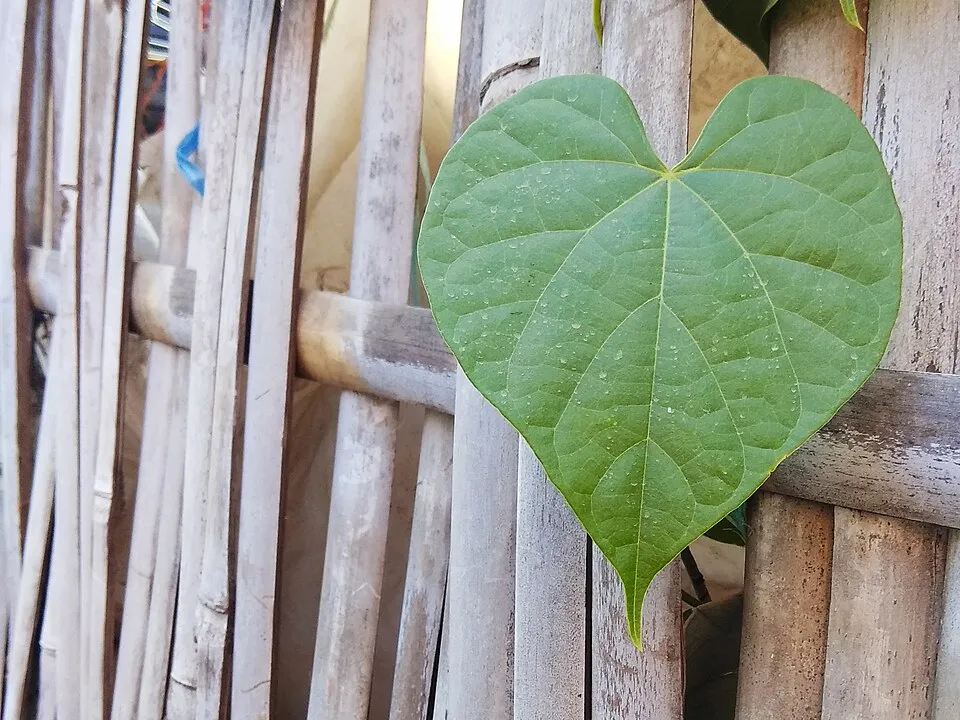
Heart-Leaved Moonseed, scientifically known as Tinospora crispa, is a robust, perennial climbing shrub that belongs to the Menispermaceae family, a group recognized for its diverse medicinal plants. This vigorous vine can ascend to impressive heights, often reaching up to 10 meters (33 feet) in its native tropical environments, utilizing other trees for support. Its most distinctive feature, and the origin of its common name, is its glossy green leaves, which are characteristically heart-shaped (cordate) and measure approximately 7 to 15 centimeters (2.8 to 5.9 inches) in length. These leaves exhibit a prominent, intricate vein pattern that not only contributes to their aesthetic appeal but is also a key botanical identifier. The bark of Tinospora crispa is typically smooth, presenting a brownish-grey hue, and may sometimes possess a slightly leathery texture, aiding in its differentiation from closely related species.
During its flowering season, the plant produces small, delicate, yellowish, star-like flowers. These blooms are arranged in clusters, each flower generally measuring between 1 to 2 centimeters (0.4 to 0.8 inches) across, adding a subtle beauty to the climbing foliage. Following successful pollination, the flowers give way to small, rounded berries, which are an integral part of its reproductive cycle. Geographically, Tinospora crispa is indigenous to the humid, tropical regions of Southeast Asia, thriving particularly well in countries such as Thailand, Malaysia, and Indonesia. Its natural habitat includes lush humid forests, where it intertwines with other vegetation, and along riverbanks, demonstrating its adaptability to varying light conditions and moisture levels.
Taxonomically, Tinospora crispa is classified within the order Ranunculales and the class Magnoliopsida, underscoring its phylogenetic position among flowering plants. Beyond its unique morphological characteristics, Tinospora crispa holds significant pharmacological potential, a fact that has led to its extensive study and continued application across various traditional medicine systems, including elements of Ayurveda, Traditional Chinese Medicine (TCM), and indigenous practices, highlighting its long-standing historical and cultural significance as a potent medicinal herb. Trusted Scientific References Authoritative external sources for Tinospora crispa : Wikipedia — Tinospora crispa Kew POWO (Plants of the World Online) PubMed — peer-reviewed research NCBI Taxonomy Browser ...[CURRENT TEXT EXISTS: 2527 chars]
1.1.Heart-Leaved Moonseed — Defining Traits
- ✓Botanical Identity — Tinospora crispa, commonly known as Heart-Leaved Moonseed, a vigorous climbing shrub.
- ✓Family Affiliation — Belongs to the Menispermaceae family, known for medicinal vines.
- ✓Distinctive Morphology — Features glossy, heart-shaped leaves and brownish-grey, often leathery bark.
- ✓Geographical Origin — Native to tropical Southeast Asia, including Thailand, Malaysia, and Indonesia.
- ✓Traditional Significance — Widely used in Ayurvedic, Traditional Chinese, and indigenous medicine systems.
- ✓Immunomodulatory Power — Renowned for its ability to enhance and balance the immune system.
- ✓Anti — inflammatory Agent — Contains compounds that effectively reduce inflammation throughout the body.
- ✓Potent Antioxidant — Rich in phytochemicals that combat oxidative stress and cellular damage.
- ✓Metabolic Support — Shows promising effects in managing blood sugar levels and supporting metabolic health.
- ✓Rich Phytochemistry — Contains a complex array of alkaloids, diterpenoids, flavonoids, and polysaccharides.
- ✓Adaptogenic Qualities — Helps the body adapt to various stressors and promotes overall resilience.
- ✓Antimicrobial Activity — Exhibits broad-spectrum action against bacteria, fungi, and potentially viruses.
- ✓Digestive Aid — Supports healthy digestion and can alleviate gastrointestinal discomfort.
- ✓Hepatoprotective Benefits — Offers protective and supportive effects for liver function.
- ✓Sustainable Cultivation — Can be cultivated from stem cuttings, supporting its availability and conservation.
1.2.Heart-Leaved Moonseed — At-a-Glance Summary
- ✓Tinospora crispa is a potent Southeast Asian climbing shrub known as Heart-Leaved Moonseed.
- ✓It is highly valued in traditional medicine for its diverse health benefits.
- ✓Key actions include immune support, anti-inflammatory, and antioxidant properties.
- ✓Rich in alkaloids, diterpenoids, flavonoids, and polysaccharides contributing to its efficacy.
- ✓Traditionally used for diabetes, infections, digestive issues, and general wellness.
- ✓Requires careful consideration for dosage and potential drug interactions, especially for diabetes.
- ✓Cultivated in tropical climates, preferring well-drained soil and ample sunlight.
- ✓Available in various forms including decoctions, powders, and extracts for therapeutic use.
2.Heart-Leaved Moonseed — Systematic Position
3.Heart-Leaved Moonseed — Quick Facts
4.Heart-Leaved Moonseed — Morphological Account
5.Heart-Leaved Moonseed — Where It Grows
6.Heart-Leaved Moonseed — Cultural & Traditional Roles
7.Heart-Leaved Moonseed — Bioactive Constituents
- ✓Alkaloids — Key compounds include berberine, palmatine, magnoflorine, and tinosporine. These alkaloids are largely responsible for the plant's anti-inflammatory, antimicrobial, and immunomodulatory activities, notably impacting neurotransmitter systems and enzyme pathways.
- ✓Diterpenoids — Examples like tinosporide, furanoditerpenes, and clerodane derivatives are prominent. These compounds contribute significantly to the plant's immunomodulatory, anti-inflammatory, and hepatoprotective effects by influencing cellular signaling.
- ✓Flavonoids — Quercetin, kaempferol, and their glycosides are present, acting as powerful antioxidants. They scavenge free radicals, protect against oxidative stress, and possess anti-inflammatory and cardioprotective properties.
- ✓Glycosides — These include various iridoid and phenylpropanoid glycosides. They contribute to the plant's diverse pharmacological actions, including anti-diabetic and immune-enhancing effects, often through synergistic interactions.
- ✓Steroids — Beta-sitosterol and other phytosterols are found, known for their anti-inflammatory and cholesterol-lowering properties. They play a role in membrane stability and hormone-like signaling.
- ✓Lignans — Compounds such as syringaresinol and pinoresinol are present. Lignans exhibit antioxidant, anti-inflammatory, and potential anticancer activities, influencing cellular growth and differentiation.
- ✓Phenolic Acids — Gallic acid, caffeic acid, and ferulic acid are examples. These compounds are strong antioxidants, contributing to the plant's protective effects against oxidative damage and inflammation.
- ✓Polysaccharides — Specific polysaccharides within Tinospora crispa have been identified for their significant immunomodulatory effects. They can activate immune cells and enhance the body's defense mechanisms.
- ✓Triterpenes — Ursolic acid and oleanolic acid derivatives are known triterpenes in the plant. They contribute to its anti-inflammatory, hepatoprotective, and potential anti-cancer activities through various molecular targets.
- ✓Aliphatic Compounds — Long-chain fatty alcohols and their esters contribute to the plant's overall therapeutic profile, often acting as precursors for other bioactive molecules or directly exhibiting anti-inflammatory properties.
- ✓Coumarins — While less abundant, coumarins can contribute to anti-inflammatory and antioxidant effects. They may also possess mild anticoagulant properties.
- ✓Vitamins and Minerals — The plant contains trace amounts of essential vitamins and minerals, supporting general nutritional health and enzyme function, contributing to its overall tonic effects.
8.Heart-Leaved Moonseed — What Research Suggests
- ✓Immune Support — Tinospora crispa is renowned for its immunomodulatory properties, helping to strengthen the body's natural defense mechanisms. It achieves this by stimulating macrophage activity and enhancing the production of cytokines, which are crucial for a robust immune response.
- ✓Anti-inflammatory Effects — The plant contains bioactive compounds that effectively mitigate inflammatory processes in the body. These compounds work by inhibiting pro-inflammatory mediators, offering relief from conditions like arthritis and other chronic inflammatory disorders.
- ✓Antioxidant Protection — Rich in potent antioxidants, Heart-Leaved Moonseed combats oxidative stress by neutralizing harmful free radicals. This protective action helps prevent cellular damage and supports overall cellular health, crucial for anti-aging and disease prevention.
- ✓Digestive Health — Traditionally used to support the digestive system, Tinospora crispa can help soothe gastrointestinal discomfort and promote healthy gut flora. Its compounds may aid in improving digestion and nutrient absorption, contributing to a balanced digestive tract.
- ✓General Wellness Promotion — Regular consumption of Tinospora crispa is associated with enhanced overall vitality and well-being. It acts as a general tonic, helping the body adapt to stress and maintain physiological balance, often referred to as an adaptogen.
- ✓Anti-diabetic Potential — Research suggests Tinospora crispa can help manage blood sugar levels, showing hypoglycemic effects. It may enhance insulin sensitivity and reduce glucose absorption, making it a promising herb for supporting individuals with diabetes.
- ✓Hepatoprotective Action — The plant has demonstrated protective effects on the liver, safeguarding it from damage caused by toxins and oxidative stress. Its compounds support liver detoxification pathways and promote regeneration of liver cells.
- ✓Cardioprotective Benefits — Heart-Leaved Moonseed contributes to cardiovascular health by supporting healthy blood pressure and cholesterol levels. Its antioxidant and anti-inflammatory properties also protect heart tissues from damage.
- ✓Antimicrobial Properties — Extracts from Tinospora crispa exhibit broad-spectrum antimicrobial activity against various bacteria, fungi, and parasites. This makes it valuable in traditional remedies for infectious diseases and wound healing.
- ✓Antiviral Activity — Studies indicate that Tinospora species, including T. crispa, may possess antiviral properties, potentially by boosting the immune system's response to viral infections. It may also help reduce pro-inflammatory cytokine responses during viral challenges.
- ✓Neuroprotective Effects — Certain constituents of Tinospora crispa have shown potential in protecting nerve cells from damage and supporting cognitive function. This could be beneficial in managing neurodegenerative conditions and promoting brain health.
- ✓Anti-cancer Properties — Preliminary research suggests that Tinospora crispa may exhibit antiproliferative effects against certain cancer cell lines. Its compounds can induce apoptosis and inhibit tumor growth, though more research is needed.
- ✓Antipyretic Action — Traditionally, it has been used to reduce fever, acting as a natural antipyretic. Its ability to modulate the immune response and reduce inflammation contributes to its fever-reducing capabilities.
- ✓Anti-allergic Effects — The plant may help alleviate allergic reactions by stabilizing mast cells and inhibiting the release of histamine. This can reduce symptoms like itching, sneezing, and inflammation associated with allergies.
- ✓Stress Reduction — As an adaptogen, Heart-Leaved Moonseed helps the body cope with various forms of stress, both physical and psychological. It promotes a sense of calm and can improve resilience against daily stressors.
8.1.Heart-Leaved Moonseed — Indications & Uses
9.Heart-Leaved Moonseed — Risk Profile
9.1.Heart-Leaved Moonseed — Possible Adverse Reactions
- ✓Gastrointestinal Upset — Some individuals may experience mild digestive issues such as nausea, constipation, or diarrhea, especially when first starting use or with high doses.
- ✓Hypoglycemia — Due to its blood sugar-lowering effects, Tinospora crispa can cause hypoglycemia (low blood sugar) in diabetics, particularly if combined with anti-diabetic medications.
- ✓Allergic Reactions — Rare instances of allergic reactions, including skin rashes, itching, or hives, have been reported in sensitive individuals.
- ✓Liver Enzyme Elevation — Although generally hepatoprotective, anecdotal reports suggest potential for liver enzyme elevation in very rare cases, especially with prolonged, unsupervised use.
- ✓Drowsiness — A few users might experience mild drowsiness, which could impact the ability to operate machinery or drive.
- ✓Autoimmune Flare-ups — Given its immunomodulatory properties, there is a theoretical concern that it might exacerbate symptoms in individuals with certain autoimmune conditions.
- ✓Blood Pressure Changes — May potentially lower blood pressure, which could be an issue for individuals already on antihypertensive medications.
- ✓Dry Mouth — Some users have reported experiencing dry mouth as a minor side effect.
- ✓Bitter Taste — The plant is notably bitter, which can be unpalatable for some, leading to gastric discomfort.
9.2.Heart-Leaved Moonseed — Safety Profile
- ✓Pregnancy and Lactation — Avoid use during pregnancy and breastfeeding due to insufficient safety data and potential effects on fetal development or infant health.
- ✓Diabetes Management — Use with extreme caution in individuals with diabetes, as it can significantly lower blood sugar. Monitor blood glucose levels closely and adjust medication under medical supervision.
- ✓Autoimmune Diseases — Individuals with autoimmune conditions (e.g., lupus, rheumatoid arthritis, multiple sclerosis) should consult a healthcare professional before use, as it may modulate the immune system.
- ✓Surgical Procedures — Discontinue use at least two weeks before any scheduled surgery due to its potential effects on blood sugar and blood clotting.
- ✓Drug Interactions — May interact with anti-diabetic medications, immunosuppressants, blood thinners, and drugs metabolized by the liver. Consult a doctor or pharmacist.
- ✓Liver Conditions — While often used for liver support, individuals with pre-existing severe liver disease should use it under strict medical guidance.
- ✓Children — Not recommended for use in children due to lack of specific safety data and potential for potent effects.
- ✓Dosage Adherence — Always adhere to recommended dosages and duration of use. Excessive or prolonged intake may increase the risk of adverse effects.
- ✓Quality Sourcing — Ensure products are sourced from reputable suppliers to avoid contamination with heavy metals, pesticides, or adulterants.
- ✓Professional Consultation — Always consult a qualified healthcare professional or medical herbalist before starting any new herbal supplement, especially if you have underlying health conditions or are taking other medications.
10.Heart-Leaved Moonseed — How to Use
- ✓Decoction (Stem) — Boil chopped fresh or dried Tinospora crispa stems in water for 15-30 minutes, then strain. This is a common traditional method for extracting water-soluble compounds for internal consumption.
- ✓Infusion (Leaves) — Steep fresh or dried leaves in hot water for 5-10 minutes to create a tea. This method is often used for milder preparations or for leaf-specific compounds.
- ✓Powdered Form (Dried Stem) — Dry and grind the stems into a fine powder. This powder can be encapsulated or mixed with water, honey, or juice for convenient daily intake.
- ✓Juicing (Fresh Stem) — Extract juice from fresh stems, often mixed with other ingredients like honey or ginger. This provides a potent, concentrated form of the plant's fresh constituents.
- ✓Tincture — Prepare an alcoholic extract by soaking chopped stems and/or leaves in high-proof alcohol for several weeks. Tinctures offer a concentrated and shelf-stable form, taken in drops.
- ✓Topical Paste — Grind fresh leaves and stems into a paste with a small amount of water. This paste can be applied directly to the skin for wound healing, inflammation, or skin conditions.
- ✓Capsules/Tablets — Commercially available forms derived from standardized extracts or powdered plant material, offering precise dosing and ease of use.
- ✓Herbal Oil — Infuse dried plant material into a carrier oil (e.g., coconut or sesame oil) for several weeks. This oil can be used for massage to relieve muscle pain or skin ailments.
- ✓Syrups — Combine decoctions or extracts with a sweetener like honey or jaggery to create palatable syrups, often used for coughs or general tonic purposes.
- ✓Poultice — Crush fresh leaves and stems and apply directly to affected areas, sometimes warmed, to draw out toxins or reduce swelling.
- ✓Traditional Fermented Preparations — In some cultures, Tinospora crispa is included in fermented drinks or foods, which can enhance bioavailability of certain compounds.
- ✓Combination Formulas — Often used synergistically with other herbs in traditional formulations to enhance therapeutic effects or address complex conditions.
11.Heart-Leaved Moonseed — Growing Guide
- ✓Climate Preference — Tinospora crispa thrives in tropical to subtropical climates with high humidity and consistent warmth. It is not tolerant of frost.
- ✓Sunlight Requirements — Provide adequate sunlight, preferably full sun to partial shade. In very hot climates, some afternoon shade can prevent leaf scorch.
- ✓Soil Composition — Requires well-drained soil rich in organic matter. A slightly acidic to neutral pH (6.0-7.0) is ideal for optimal growth.
- ✓Watering Schedule — Regular watering is crucial, especially during dry periods, to keep the soil consistently moist but not waterlogged. Good drainage is paramount.
- ✓Support Structure — As a climbing shrub, it needs a sturdy trellis, fence, or other plants to climb upon. Provide support early in its growth to encourage vertical development.
- ✓Propagation Method — Primarily propagated through stem cuttings, which root readily in moist soil or water. Seeds can also be used but have a slower germination rate.
- ✓Fertilization — Fertilize monthly during the growing season with a balanced organic fertilizer to support its vigorous growth and nutrient demands.
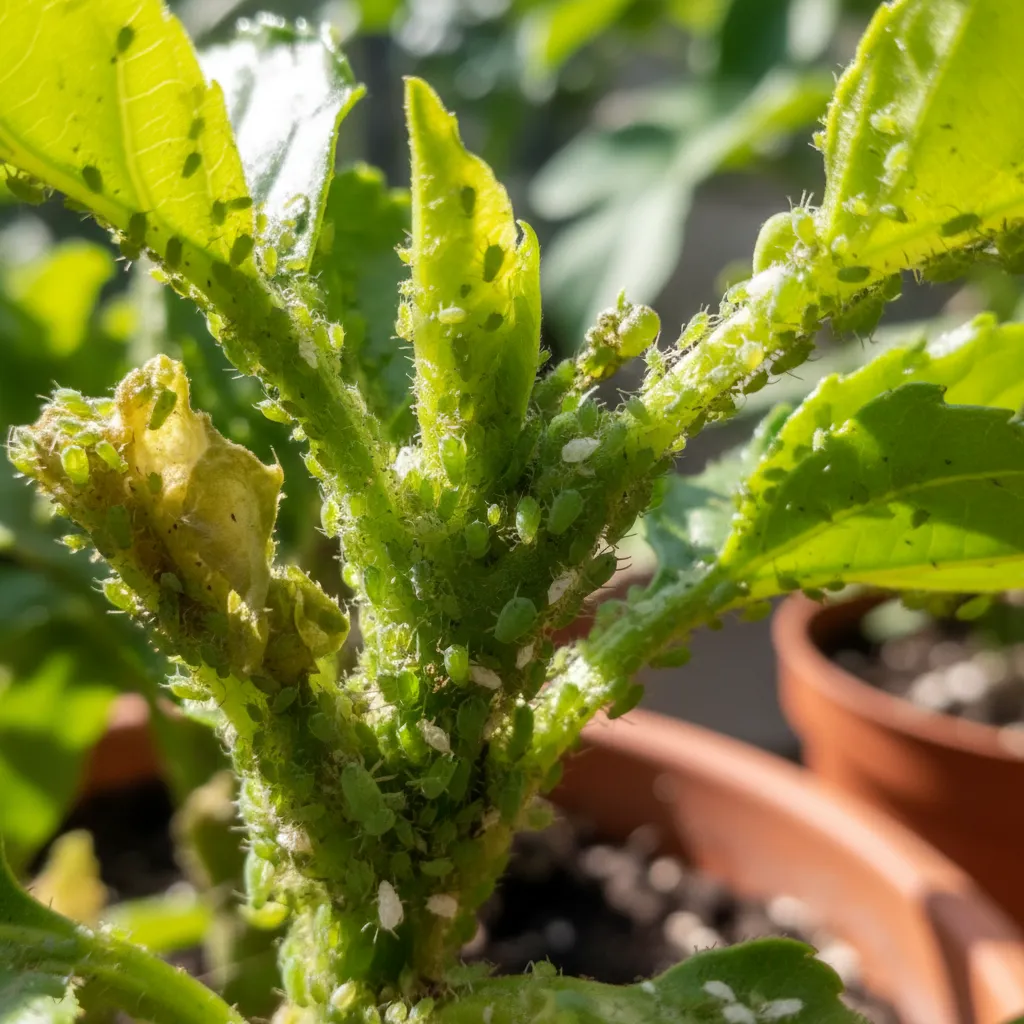
- ✓Pest and Disease Management — Generally robust, but monitor for common pests like aphids or mealybugs. Ensure good air circulation to prevent fungal issues in humid conditions.
- ✓Pruning Techniques — Prune regularly to manage its vigorous growth, maintain shape, and encourage bushier foliage or specific vine direction. Remove dead or diseased branches.
- ✓Harvesting Practices — Stems and leaves are typically harvested when mature. For medicinal use, it is often the stem that is preferred, collected before flowering for optimal potency.
- ✓Container Growing — Can be grown in large containers in non-tropical zones, brought indoors during cooler months, provided it has adequate support and light.
- ✓Mulching — Apply a layer of organic mulch around the base to retain soil moisture, regulate temperature, and suppress weeds.
Reviewed by the Flora Medical Global Botanical Review Panel
Multi-disciplinary editorial group · Botany · Ethnobotany · Herbal-medicine literature
Who reviewed this: This page was checked by the Flora Medical Global Botanical Review Panel — an in-house editorial group of botany graduates, ethnobotany researchers, and horticulture practitioners who collectively maintain our 7,000+ plant encyclopedia. Meet the team.
Our 4-step verification process
1. Taxonomic verification
Scientific names and synonyms cross-checked against Kew POWO, World Flora Online, and The Plant List.
2. Phytochemical & medicinal cross-reference
Active compounds, traditional uses, and reported activities are cross-referenced with PubMed, USDA Dr. Duke's database, and peer-reviewed ethnobotanical literature.
3. Conservation & distribution check
Distribution, ecology, and conservation status confirmed against GBIF occurrence records and the IUCN Red List.
4. Editorial & safety review
Every entry passes an editorial pass for clarity, originality, and safety notices (toxicity, contraindications, dosage caveats) before publication.
Last reviewed:
Important medical disclaimer: This content is for educational and research purposes only. It is not medical advice and is not a substitute for consultation with a licensed healthcare provider. Do not use any herb to self-treat a medical condition without professional guidance.
Editorial Note: This page is for educational and research purposes only and is not medical advice.
Written by: Flora Medical Global Editorial Team
Reviewed by: Flora Medical Global Botanical Review Panel
Last Updated: June 15, 2026




Heart-Leaved Moonseed — Comments & Community Reviews
Rate this plant