

Medical Disclaimer: This content is for educational purposes only. It is not medical advice. Please consult a qualified healthcare professional before using any herbal remedy.
Safety Overview
1.Hedychium Spicatum — Botanical Snapshot
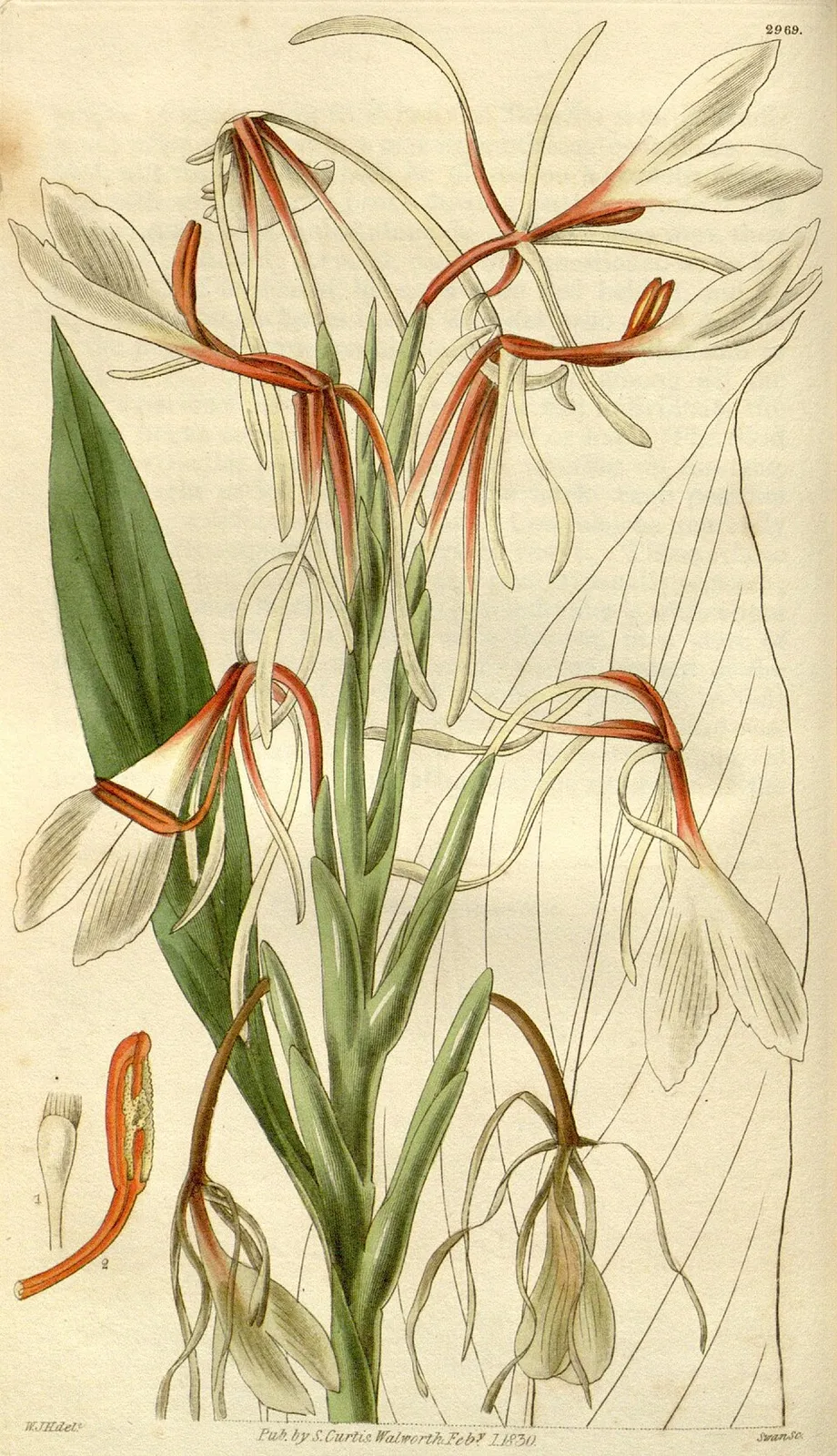
Hedychium spicatum, commonly known as the spiked ginger lily or Kapur Kachri, is an exquisite perennial herbaceous plant belonging to the illustrious Zingiberaceae family, which also includes culinary ginger and turmeric. This robust species typically achieves an impressive stature, often growing between 1 to 2 meters in height, sometimes reaching up to 2.5 meters under optimal conditions. Its morphological characteristics are striking, featuring broad, lanceolate leaves that can measure 30 to 70 cm in length and 5 to 10 cm in width, presenting a vibrant, lush green hue that contributes significantly to its ornamental appeal. The leaves are arranged alternately along the stem, often with a slightly wavy margin. The most captivating feature is its flowering structure. From late summer to early fall, Hedychium spicatum produces dense, elongated spikes, sometimes up to 30 cm long, adorned with numerous fragrant, tubular flowers.
These individual blossoms are predominantly yellow or creamy-white, often accented by a bright orange or reddish-orange stamen, creating a visually arresting contrast. The flowers emit a sweet, spicy fragrance, which is highly prized in perfumery. The stems are stout, robust, and erect, typically covered in smooth, greenish-brown bark, which can exhibit subtle reddish tinges, particularly near the base or in sun-exposed areas. Beneath the soil, the plant possesses a thick, aromatic, creeping rhizome, which is the primary part used in traditional medicine. Native to the steep, moist forested areas of the Himalayas, Hedychium spicatum thrives in a specific ecological niche. Its natural distribution spans from Uttarakhand to Arunachal Pradesh in India, extending into Nepal, Bhutan, and parts of Southeast Asia.
It is typically found at elevations ranging from 1,200 to 2,400 meters, where it benefits from the humid climate and rich, well-drained soil of sub-tropical and temperate forests. The plant's adaptability and striking appearance have also led to its cultivation in gardens worldwide, though it remains an integral component of traditional agroforestry systems in its native regions. Its historical significance is deeply rooted in various indigenous medicinal systems, where its aromatic rhizomes have been valued for centuries, marking its importance not just as an ornamental plant but as a cornerstone of herbal pharmacopoeias. Trusted Scientific References Authoritative external sources for Hedychium spicatum : Wikipedia — Hedychium sp ...[CURRENT TEXT EXISTS: 2625 chars]
1.1.Hedychium Spicatum — Notable Characteristics
- ✓Botanical Name — Hedychium spicatum.
- ✓Common Names — Spiked Ginger Lily, Kapur Kachri, Sanna.
- ✓Family — Zingiberaceae (Ginger Family).
- ✓Native Habitat — Himalayan region (India, Nepal, Bhutan).
- ✓Plant Type — Perennial herbaceous plant with aromatic rhizomes.
- ✓Height — Grows 1 to 2 meters tall.
- ✓Flowers — Fragrant, yellow/creamy-white, tubular flowers in dense spikes.
- ✓Aromatic Properties — Highly aromatic rhizomes and flowers, used in perfumery.
- ✓Key Compounds — Coronarin D, Linalool, Alpha-Pinene, Beta-Pinene.
- ✓Traditional Uses — Digestive aid, anti-inflammatory, respiratory support, antimicrobial.
- ✓Modern Research — Investigated for antitumor, antidiabetic, and antioxidant activities.
- ✓Medicinal Part — Rhizomes (underground stems).
- ✓Cultivation — Prefers moist, well-drained soil and partial shade.
- ✓Ornamental Value — Valued for its striking foliage and fragrant blooms.
- ✓SEO Focus — Hedychium spicatum benefits, traditional uses, chemical composition.
1.2.Hedychium Spicatum — Quick Summary
- ✓Hedychium spicatum is a Himalayan ginger lily known for its ornamental beauty and potent medicinal rhizomes.
- ✓Traditionally used in Ayurveda and TCM for digestion, respiratory health, and inflammation.
- ✓Rich in bioactive compounds like coronarin D, linalool, and pinene, offering antimicrobial, antioxidant, and anti-inflammatory benefits.
- ✓Exhibits potential in modern research for antidiabetic, antitumor, and analgesic properties.
- ✓Thrives in moist, partial shade conditions and is propagated by rhizome division.
- ✓Available in various forms including decoctions, powders, essential oils, and tinctures.
- ✓Caution advised for pregnant/lactating women and those on blood-thinning medications.
2.Hedychium Spicatum — Scientific Identity
3.Hedychium Spicatum — Vital Statistics
4.Hedychium Spicatum — Botanical Description
5.Hedychium Spicatum — Native Range & Habitat
6.Hedychium Spicatum — Folk Medicine Applications
7.Hedychium Spicatum — Phytochemistry
- ✓Monoterpenes — Key compounds include Linalool (C10H18O), α-Pinene (C10H16), and β-Pinene (C10H16), which are responsible for much of the plant's aromatic profile and contribute to its antimicrobial, anti-inflammatory, and analgesic properties.
- ✓Diterpenes — Coronarin D (C20H28O5) and Isocoronarin D are significant diterpenoids found in Hedychium spicatum, known for their potent antibacterial, antifungal, and notable antitumor activities, particularly against various cancer cell lines.
- ✓Phenolic Compounds — A diverse group of compounds including phenolic acids and flavonoids, which contribute substantially to the plant's strong antioxidant capacity and anti-inflammatory effects, protecting against oxidative damage.
- ✓Sesquiterpenes — Compounds such as Villosin (a labdane-type diterpenoid, though often grouped with sesquiterpenes in discussions of Hedychium bioactivity) exhibit significant cytotoxicity against tumor cells while showing selectivity against non-tumor cells.
- ✓Essential Oils — The complex blend of volatile compounds, predominantly monoterpenes and sesquiterpenes, which impart the characteristic fragrance and contribute to antimicrobial, anti-inflammatory, and expectorant actions.
- ✓Phenylpropanoids — These compounds, precursors to many aromatic compounds, contribute to the plant's fragrance and may possess various biological activities, including antioxidant and anti-inflammatory effects.
- ✓Flavonoids — A class of polyphenolic compounds known for their antioxidant, anti-inflammatory, and potential anticancer properties, supporting overall health and cellular protection.
- ✓Saponins — These glycosides may contribute to the plant's expectorant and anti-inflammatory effects, and have also been investigated for their potential immunomodulatory properties.
- ✓Steroids — Plant sterols and triterpenes are present, which can have anti-inflammatory and adaptogenic effects, supporting the body's response to stress.
- ✓Alkaloids — While not a primary class, minor alkaloidal compounds may be present, contributing to subtle pharmacological effects, though typically in lower concentrations compared to other active constituents.
- ✓Glycosides — Various glycosidic compounds, including cardiac glycosides and phenolic glycosides, can contribute to a range of biological activities, from cardiotonic to antioxidant effects.
- ✓Starch — Abundant in the rhizomes, serving as a primary storage carbohydrate, which can also influence the texture and medicinal preparation of the plant material.
- ✓Resins — Complex mixtures of compounds that contribute to the plant's defense mechanisms and can possess antiseptic and anti-inflammatory properties.
8.Hedychium Spicatum — Evidence-Based Benefits
- ✓Digestive Aid — Hedychium spicatum is traditionally used to support digestive health, helping to alleviate dyspepsia and stimulate appetite. Its active compounds are thought to enhance digestive enzyme secretion and improve gut motility.
- ✓Anti-inflammatory Properties — The rhizomes possess significant anti-inflammatory effects, making them valuable in managing conditions like arthritis, joint pain, and general inflammatory responses. This action is attributed to compounds such as coronarin D and various terpenes.
- ✓Respiratory Support — In Traditional Chinese Medicine (TCM) and Ayurveda, spiked ginger lily is renowned for its efficacy in treating respiratory issues, including cough, bronchitis, and asthma. It acts as an expectorant, helping to clear phlegm from the respiratory passages.
- ✓Antimicrobial Activity — The essential oil of Hedychium spicatum, rich in compounds like linalool and α-pinene, exhibits broad-spectrum antimicrobial effects against bacteria and fungi. This makes it relevant for addressing various infectious conditions.
- ✓Antioxidant Effects — High levels of phenolic compounds and terpenes contribute to the plant's potent antioxidant capacity, helping to neutralize free radicals and protect cells from oxidative stress. This supports overall cellular health and anti-aging processes.
- ✓Analgesic Properties — Traditionally, the plant has been used as a natural pain reliever. Its compounds may modulate pain pathways, providing relief from various types of body aches and discomfort.
- ✓Antidiabetic Potential — Emerging research suggests Hedychium spicatum may help in managing blood glucose levels. Its active constituents could potentially improve insulin sensitivity or reduce glucose absorption.
- ✓Antitumor Activity — Studies have identified compounds like coronarin D and villosin in Hedychium species that exhibit cytotoxic effects against various tumor cell lines. This indicates potential for cancer research and development of new chemotherapeutic agents.
- ✓Anti-allergenic Action — Some traditional uses and preliminary studies suggest the plant may possess anti-allergic properties, potentially by modulating histamine release or inflammatory mediators involved in allergic reactions.
- ✓Anthelmintic Properties — The plant has been traditionally employed to expel parasitic worms from the body. Certain compounds within the rhizome are believed to have a paralyzing or lethal effect on intestinal parasites.
- ✓Febrifuge — In folk medicine, Hedychium spicatum is used to reduce fever. Its diaphoretic properties may help induce sweating, which can aid in cooling the body during febrile states.
- ✓Wound Healing — Topically, pastes or poultices made from the rhizome have been applied to wounds and skin infections to promote healing and prevent microbial growth due to its antiseptic and anti-inflammatory actions.
- ✓Carminative — The herb helps to relieve flatulence and abdominal discomfort by promoting the expulsion of gas from the digestive system. Its aromatic properties contribute to this effect.
- ✓Diuretic — Traditionally, it has been used to increase urine flow, which can help in flushing out toxins and supporting kidney function, although caution is advised.
- ✓Antispasmodic — It may help to relax smooth muscles, making it useful for alleviating spasms in the digestive tract or respiratory system.
8.1.Hedychium Spicatum — Indications & Uses
9.Hedychium Spicatum — Safety & Side Effects
9.1.Hedychium Spicatum — Reported Side Effects
- ✓Gastrointestinal Upset — High doses may lead to mild stomach discomfort, nausea, or diarrhea in sensitive individuals.
- ✓Allergic Reactions — Skin rashes, itching, or hives can occur, especially with topical application or in individuals sensitive to ginger family plants.
- ✓Skin Irritation — Undiluted essential oil can cause skin irritation or sensitization; always perform a patch test before widespread topical use.
- ✓Blood Thinning — Compounds might possess mild anticoagulant properties, potentially increasing the risk of bleeding in individuals on blood-thinning medications.
- ✓Hypotension — In theory, very high doses could lead to a drop in blood pressure, though this is rare with typical herbal usage.
- ✓Uterine Contractions — Due to its potential stimulating effects, it might theoretically induce uterine contractions, making it a concern during pregnancy.
- ✓Heartburn — Some individuals may experience heartburn or acid reflux, particularly if consumed on an empty stomach.
9.2.Hedychium Spicatum — Safety Profile
- ✓Pregnancy & Lactation — Avoid use during pregnancy and lactation due to insufficient safety data and potential uterine stimulating effects.
- ✓Children — Not recommended for young children without professional medical advice, as dosages and safety profiles are not well-established.
- ✓Anticoagulants — Use with caution if taking anticoagulant or antiplatelet medications due to potential blood-thinning effects.
- ✓Surgery — Discontinue use at least two weeks prior to any scheduled surgery to minimize the risk of increased bleeding.
- ✓Allergies — Individuals with known allergies to plants in the Zingiberaceae family (e.g., ginger, turmeric) should exercise caution.
- ✓Dosage — Adhere strictly to recommended dosages; excessive intake may increase the likelihood of adverse effects.
- ✓Quality Sourcing — Always use high-quality, reputable sources to ensure purity and prevent contamination with adulterants or heavy metals.
- ✓Medical Conditions — Individuals with pre-existing medical conditions, especially bleeding disorders, gallstones, or severe digestive issues, should consult a healthcare professional before use.
- ✓Topical Application — Always dilute essential oil with a carrier oil before applying to the skin, and perform a patch test to check for sensitivity.
10.Hedychium Spicatum — Preparations & Uses
- ✓Decoction — Prepare a decoction by simmering dried or fresh rhizome pieces in water for 15-20 minutes, traditionally used for digestive and respiratory issues.
- ✓Infusion — For milder preparations, steep crushed dried rhizomes in hot water for 10-15 minutes, often consumed as a tea for general wellness or mild coughs.
- ✓Powder — Dried rhizomes can be finely ground into a powder, which can be encapsulated or mixed with honey/water for internal use, particularly in Ayurvedic formulations.
- ✓Tincture — A concentrated liquid extract made by soaking rhizomes in alcohol (or a glycerin/vinegar blend), allowing for precise dosing and extended shelf life.
- ✓Essential Oil — The steam-distilled essential oil from the rhizomes can be diffused for aromatic benefits or diluted with a carrier oil for topical application (e.g., for muscle aches).
- ✓Poultice — A paste made from crushed fresh rhizomes or powder mixed with a small amount of water, applied topically to reduce inflammation, joint pain, or aid wound healing.
- ✓Ayurvedic Formulations — Incorporated into complex polyherbal formulations like 'Churna' or 'Arishta' for specific therapeutic indications, often combined with other synergistic herbs.
- ✓Culinary Spice — In some traditional cuisines, the aromatic rhizomes are used sparingly as a spice, similar to ginger, to impart a unique flavor profile to dishes.
- ✓Topical Liniment — Essential oil or rhizome extract can be formulated into liniments or balms for external application to sore muscles and joints, providing localized relief.
- ✓Incense/Fumigation — Dried rhizomes may be burned as incense in traditional practices for their aromatic properties and perceived air-purifying effects.
11.Hedychium Spicatum — Cultivation & Care
- ✓Climate — Thrives in warm, humid climates, ideally subtropical or temperate with consistent moisture, mimicking its native Himalayan habitat.
- ✓Soil — Prefers rich, well-drained loamy soil with a slightly acidic to neutral pH (6.0-7.0), enriched with organic matter for optimal growth.
- ✓Light — Best grown in partial shade to filtered sunlight, especially in hotter climates; it can tolerate full sun in cooler, consistently moist conditions.
- ✓Water — Requires consistent and ample watering, particularly during the growing season, ensuring the soil remains moist but not waterlogged to prevent rhizome rot.
- ✓Propagation — Primarily propagated by rhizome division in early spring, ensuring each section has at least one 'eye' or bud; seeds can also be sown but are slower and less reliable.
- ✓Fertilization — Benefits from regular feeding with a balanced, slow-release granular fertilizer or liquid feed during the active growing period (spring to late summer).
- ✓Pests & Diseases — Generally robust, but watch for spider mites, aphids, and mealybugs; rhizome rot can occur in poorly drained or overly wet soil conditions.
- ✓Temperature — Tolerates temperatures down to 0°C (32°F) if well-mulched, but ideal growth occurs between 18-30°C (65-85°F); sensitive to prolonged frost.
- ✓Harvesting — Rhizomes are typically harvested after the plant has matured, usually in late autumn or early winter, once the foliage begins to die back.
Reviewed by the Flora Medical Global Botanical Review Panel
Multi-disciplinary editorial group · Botany · Ethnobotany · Herbal-medicine literature
Who reviewed this: This page was checked by the Flora Medical Global Botanical Review Panel — an in-house editorial group of botany graduates, ethnobotany researchers, and horticulture practitioners who collectively maintain our 7,000+ plant encyclopedia. Meet the team.
Our 4-step verification process
1. Taxonomic verification
Scientific names and synonyms cross-checked against Kew POWO, World Flora Online, and The Plant List.
2. Phytochemical & medicinal cross-reference
Active compounds, traditional uses, and reported activities are cross-referenced with PubMed, USDA Dr. Duke's database, and peer-reviewed ethnobotanical literature.
3. Conservation & distribution check
Distribution, ecology, and conservation status confirmed against GBIF occurrence records and the IUCN Red List.
4. Editorial & safety review
Every entry passes an editorial pass for clarity, originality, and safety notices (toxicity, contraindications, dosage caveats) before publication.
Last reviewed:
Important medical disclaimer: This content is for educational and research purposes only. It is not medical advice and is not a substitute for consultation with a licensed healthcare provider. Do not use any herb to self-treat a medical condition without professional guidance.
Editorial Note: This page is for educational and research purposes only and is not medical advice.
Written by: Flora Medical Global Editorial Team
Reviewed by: Flora Medical Global Botanical Review Panel
Last Updated: June 15, 2026





Hedychium Spicatum — Comments & Community Reviews
Rate this plant