
Medical Disclaimer: This content is for educational purposes only. It is not medical advice. Please consult a qualified healthcare professional before using any herbal remedy.
Safety Overview
1.Heliconia Rostrata — Plant Snapshot
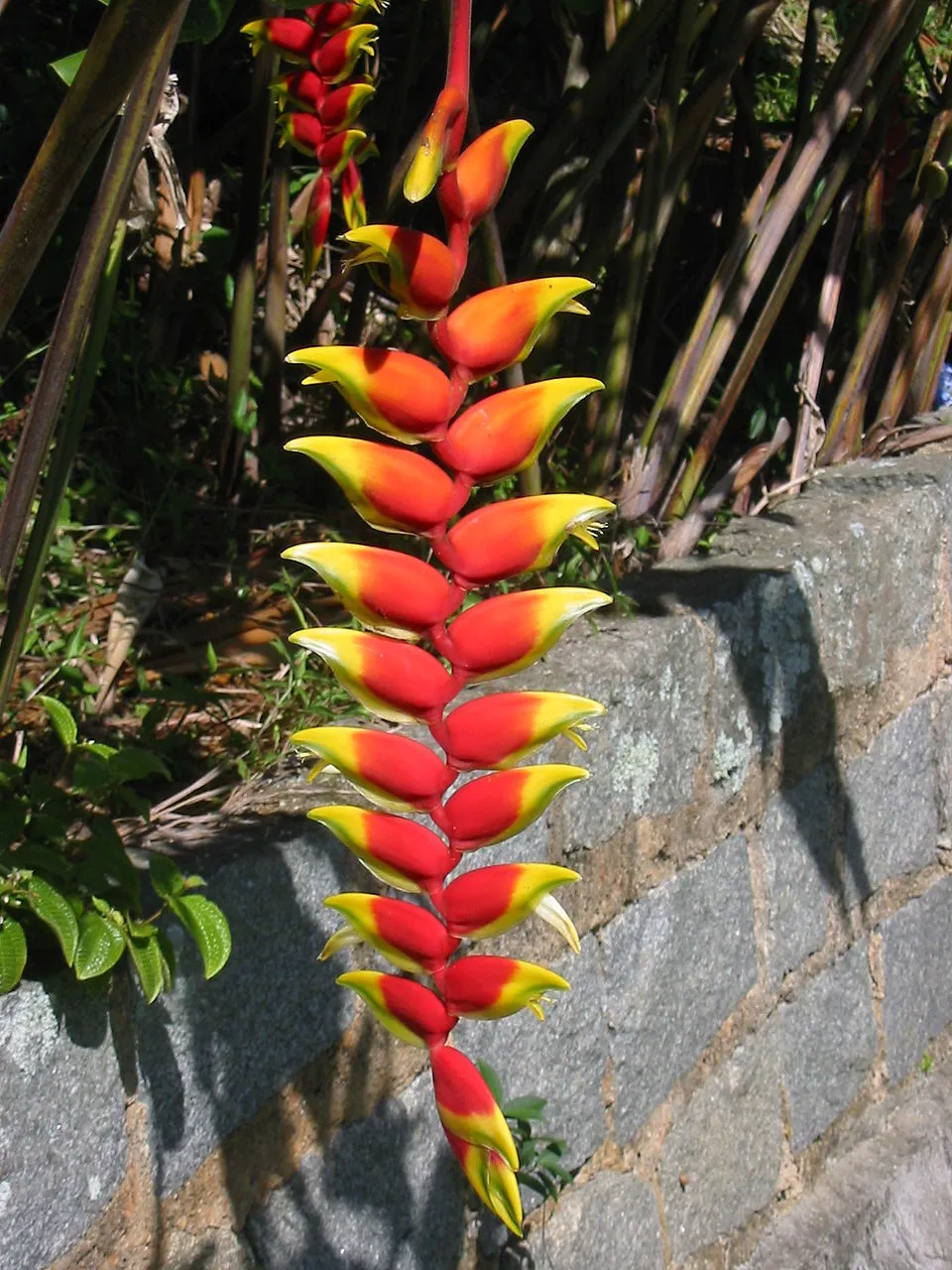
Heliconia rostrata, commonly known as the Lobster Claw or Hanging Lobster Claw, is an exquisite herbaceous perennial plant celebrated for its dramatic ornamental features. This species typically attains a height of 1 to 1.5 meters (3 to 5 feet) and can spread up to 0.6 meters (2 feet) in width, forming impressive clumps.
Its large, paddle-shaped leaves, which can reach lengths of up to 1.2 meters (4 feet) and widths of 20 centimeters (8 inches), are a rich, deep green with a distinctive polished sheen, contributing significantly to its tropical allure.
The most striking feature is its pendulous inflorescence, which hangs downwards, showcasing vibrant red and yellow bracts that strongly resemble a lobster's claw, hence its popular common name. Each robust cluster can bear up to 20 individual flower bracts, within which small, tubular flowers with elongated petals are nestled, serving as an irresistible nectar source for various pollinators, particularly hummingbirds. The sturdy, upright stems are typically covered with a smooth, fibrous texture, providing excellent support for the plant's elegant stature.
Heliconia rostrata thrives optimally in well-drained, fertile soil and is indigenous to the tropical rainforest regions of Central and South America, with native populations spanning El Salvador, Peru, Bolivia, Colombia, Venezuela, Costa Rica, and Ecuador. It has also naturalized in areas like Puerto Rico, flourishing in warm, consistently humid environments. As a member of the Heliconiaceae family, which encompasses over 200 species, Heliconia rostrata is not only a horticultural marvel but also a vital ecological component, supporting local wildlife and contributing to the biodiversity of its natural habitat.
Notably, it is recognized as a national flower of Bolivia, where it is known as 'patujú'.
Trusted Scientific References
1. Authoritative external sources for Heliconia rostrata
1.1 Wikipedia — Heliconia rostrata
1.2 Kew POWO (Plants of the World Online)
1.3 PubMed — peer-reviewed research
1.4 NCBI Taxonomy Browser
1.5 GBIF — Global Biodiversity
1.1.Heliconia Rostrata — Key Features
- ✓Striking Ornamental Value — Renowned for its dramatic, vibrant red and yellow inflorescences.
- ✓Lobster Claw Inflorescence — Distinctive pendulous flower bracts mimic the shape of a lobster's claw.
- ✓Hummingbird Attractor — Provides a rich nectar source, making it a favorite for pollinators.
- ✓Tropical Perennial Plant — Thrives in warm, humid climates, native to Central and South America.
- ✓Large, Lush Foliage — Features expansive, paddle-shaped, glossy green leaves.
- ✓National Flower of Bolivia — Holds cultural significance as 'patujú' in Bolivia.
- ✓Herbaceous Growth Habit — Grows from rhizomes, forming impressive clumps.
- ✓Limited Documented Medicinal Use — Primarily valued for its aesthetic and ecological contributions.
- ✓Adaptable to Containers — Can be successfully grown in large pots in suitable environments.
- ✓Unique Downward — Facing Flowers — Unlike many heliconias, its inflorescences hang downwards.
1.2.Heliconia Rostrata — At-a-Glance Summary
- ✓Heliconia rostrata, known as Lobster Claw, is a tropical perennial prized for its stunning ornamental beauty.
- ✓Features vibrant, pendulous red and yellow bracts resembling lobster claws, attracting hummingbirds.
- ✓Native to Central and South American rainforests, thriving in warm, humid conditions.
- ✓Primarily valued for aesthetic and ecological roles, with limited traditional medicinal documentation.
- ✓Phytochemical studies indicate presence of flavonoids and other beneficial plant compounds.
- ✓Requires consistent moisture, warmth, and partial shade for optimal growth and flowering.
2.Heliconia Rostrata — Scientific Profile
3.Heliconia Rostrata — Reference Facts
4.Heliconia Rostrata — Structural Profile
5.Heliconia Rostrata — Habitat & Distribution
6.Heliconia Rostrata — Historical Applications
7.Heliconia Rostrata — Secondary Metabolites
- ✓Flavonoids — These polyphenolic compounds, such as quercetin and kaempferol derivatives, are abundant in Heliconia rostrata and are recognized for their potent antioxidant and potential anti-inflammatory activities, contributing to cellular protection.
- ✓Anthocyanins — Responsible for the vibrant red and yellow hues of the bracts, anthocyanins are a class of flavonoids with strong antioxidant properties, which may also offer photoprotective benefits to the plant.
- ✓Carotenoids — Pigments like beta-carotene and lutein are present, contributing to the plant's coloration and acting as antioxidants, potentially protecting cells from oxidative damage.
- ✓Phenolic Acids — Compounds such as caffeic acid, ferulic acid, and gallic acid are common in plant tissues and exhibit antioxidant, anti-inflammatory, and antimicrobial properties, supporting overall plant health.
- ✓Triterpenes — These diverse secondary metabolites are often found in plants and can possess a wide range of biological activities including anti-inflammatory, antimicrobial, and cytotoxic effects, though specific roles in H. rostrata are uncharacterized.
- ✓Saponins — Glycosides that can have surfactant properties and are known for potential immunomodulatory and hypocholesterolemic effects in other plant species, their presence in Heliconia rostrata warrants further investigation.
- ✓Alkaloids (Trace) — While not a dominant class, trace amounts of alkaloids, which are nitrogen-containing compounds, might be present and could contribute to various physiological effects, though specific types and activities are unknown.
- ✓Volatile Organic Compounds — Various terpenes and other aromatic compounds contribute to the plant's subtle fragrance and may possess insect-repellent or attractant properties, influencing its ecological interactions.
- ✓Polysaccharides — Complex carbohydrates found in plant cell walls, contributing to structural integrity and potentially offering prebiotic or immunomodulatory effects if consumed, though not a primary medicinal focus for this plant.
8.Heliconia Rostrata — Modern Studies
- ✓Aesthetic Therapy — The vibrant colors and lush foliage of Heliconia rostrata are known to contribute to a calming and visually stimulating environment, potentially reducing stress and enhancing mood through biophilic design principles.
- ✓Air Quality Enhancement — Like many broad-leaved plants, Heliconia rostrata may contribute to improving indoor air quality by absorbing common airborne pollutants and releasing oxygen, fostering a healthier living space.
- ✓Ecological Support — While not a direct human medicinal benefit, its role as a primary nectar source for hummingbirds and other pollinators is crucial for ecosystem health, indirectly supporting biodiversity that can have therapeutic benefits.
- ✓Mental Well-being — Cultivating or observing Heliconia rostrata in gardens or indoor settings can provide a sense of accomplishment and connection to nature, promoting relaxation and mindfulness.
- ✓Traditional Symbolic Use — In some indigenous cultures, the plant's leaves and flowers are incorporated into local ceremonies, believed to possess protective or spiritual qualities, fostering community and cultural identity.
- ✓Potential Antioxidant Support — Preliminary phytochemical analysis suggests the presence of flavonoids, which are known plant compounds with antioxidant properties, though specific therapeutic applications require extensive research.
- ✓Anti-inflammatory Potential — As with many plants containing phenolic compounds, there is a theoretical basis for anti-inflammatory properties, but this remains speculative for Heliconia rostrata without dedicated studies.
- ✓Digestive Health (Traditional) — While not specifically documented for Heliconia rostrata, some related Heliconia species have traditional uses for digestive discomfort, indicating a potential area for future ethnobotanical research.
- ✓Wound Healing (Hypothetical) — Certain plant extracts rich in flavonoids and phenolics are known for skin regeneration; however, no direct evidence supports this for Heliconia rostrata, representing an area for scientific exploration.
- ✓Immunomodulatory Effects (Theoretical) — The presence of various phytochemicals could theoretically influence immune responses, but this is an unproven concept for this specific plant and requires rigorous scientific validation.
8.1.Heliconia Rostrata — Health Applications
9.Heliconia Rostrata — Adverse Effects
9.1.Heliconia Rostrata — Possible Adverse Reactions
- ✓Skin Irritation — Direct contact with sap from broken stems or leaves may cause mild skin irritation or dermatitis in sensitive individuals.
- ✓Allergic Reactions — Individuals with plant allergies may experience symptoms such as itching, rash, or respiratory discomfort upon exposure to pollen or plant parts.
- ✓Ingestion Concerns — While not known to be toxic, ingestion of plant parts is not recommended due to lack of safety data and potential for gastrointestinal upset.
- ✓Environmental Impact — In non-native regions, if not managed, it could potentially become invasive, displacing native flora.
- ✓Pollen Allergy — The pollen, though not wind-dispersed, could potentially trigger allergic reactions in highly sensitive individuals if directly handled.
- ✓Mechanical Injury — The large, stiff leaves and stems could potentially cause minor cuts or abrasions if handled carelessly.
9.2.Heliconia Rostrata — Safety Overview
- ✓General Handling — Wear gloves when handling Heliconia rostrata if you have sensitive skin to prevent potential mild irritation from sap.
- ✓Child and Pet Safety — Keep away from young children and pets to prevent accidental ingestion, as safety data for internal use is limited.
- ✓Allergic Sensitivity — Individuals with known plant allergies should exercise caution and avoid direct contact with the plant.
- ✓Pregnancy and Lactation — Due to the lack of scientific research on internal use, pregnant or lactating individuals should avoid any form of ingestion.
- ✓No Documented Toxicity — Heliconia rostrata is not widely reported as toxic, but internal consumption is not advised without further research.
- ✓External Use Only — Any traditional or experimental external applications should be performed with caution and patch testing.
- ✓Environmental Responsibility — When planting in non-native areas, ensure proper containment to prevent potential ecological disruption.
10.Heliconia Rostrata — Application Forms
- ✓Ornamental Display — Primarily cultivated for its striking inflorescences and lush foliage in tropical gardens, conservatories, and as a cut flower.
- ✓Landscape Feature — Used as a focal point in tropical landscapes, creating a dramatic and exotic visual impact.
- ✓Indoor Plant Cultivation — Can be grown indoors in large containers in bright, humid environments, contributing to aesthetic appeal.
- ✓Aesthetic Therapy — Employed in biophilic design and green spaces to enhance mental well-being and create calming atmospheres.
- ✓Traditional Ceremonial Use — Leaves or flowers are sometimes used in local cultural ceremonies for their symbolic and protective qualities.
- ✓Nectar Source for Wildlife — Planted to attract hummingbirds and other pollinators, supporting local biodiversity and ecological balance.
- ✓Air Purification (Passive) — Utilized for its potential to passively improve indoor air quality by filtering airborne toxins.
- ✓Horticultural Education — Featured in botanical gardens and educational settings to showcase tropical plant diversity and adaptation.
11.Heliconia Rostrata — Growing Guide
- ✓Soil Requirements — Thrives in rich, well-drained, consistently moist soil with a slightly acidic to neutral pH (6.0-7.0).
- ✓Light Conditions — Prefers partial shade to full sun; in very hot climates, afternoon shade is beneficial to prevent leaf scorch.
- ✓Watering — Requires abundant and consistent watering, especially during dry periods, to maintain high humidity and soil moisture.
- ✓Fertilization — Benefits from regular feeding with a balanced, slow-release fertilizer during the growing season (spring and summer).
- ✓Temperature & Humidity — Optimal growth occurs in warm, humid conditions, ideally between 20-30°C (68-86°F), sensitive to frost.
- ✓Propagation — Primarily propagated by rhizome division, which involves separating sections with at least one 'eye' or bud.
- ✓Pruning — Remove spent flower stalks and yellowing or damaged leaves to encourage new growth and maintain plant vigor.
- ✓Pest Management — Generally robust, but watch for spider mites, mealybugs, and scale insects, especially in dry indoor environments.
Reviewed by the Flora Medical Global Botanical Review Panel
Multi-disciplinary editorial group · Botany · Ethnobotany · Herbal-medicine literature
Who reviewed this: This page was checked by the Flora Medical Global Botanical Review Panel — an in-house editorial group of botany graduates, ethnobotany researchers, and horticulture practitioners who collectively maintain our 7,000+ plant encyclopedia. Meet the team.
Our 4-step verification process
1. Taxonomic verification
Scientific names and synonyms cross-checked against Kew POWO, World Flora Online, and The Plant List.
2. Phytochemical & medicinal cross-reference
Active compounds, traditional uses, and reported activities are cross-referenced with PubMed, USDA Dr. Duke's database, and peer-reviewed ethnobotanical literature.
3. Conservation & distribution check
Distribution, ecology, and conservation status confirmed against GBIF occurrence records and the IUCN Red List.
4. Editorial & safety review
Every entry passes an editorial pass for clarity, originality, and safety notices (toxicity, contraindications, dosage caveats) before publication.
Last reviewed:
Important medical disclaimer: This content is for educational and research purposes only. It is not medical advice and is not a substitute for consultation with a licensed healthcare provider. Do not use any herb to self-treat a medical condition without professional guidance.
Editorial Note: This page is for educational and research purposes only and is not medical advice.
Written by: Flora Medical Global Editorial Team
Reviewed by: Flora Medical Global Botanical Review Panel
Last Updated: June 15, 2026





Heliconia Rostrata — Comments & Community Reviews
Rate this plant