

Medical Disclaimer: This content is for educational purposes only. It is not medical advice. Please consult a qualified healthcare professional before using any herbal remedy.
Safety Overview
1.Heliopsis Helianthoides — Botanical Snapshot
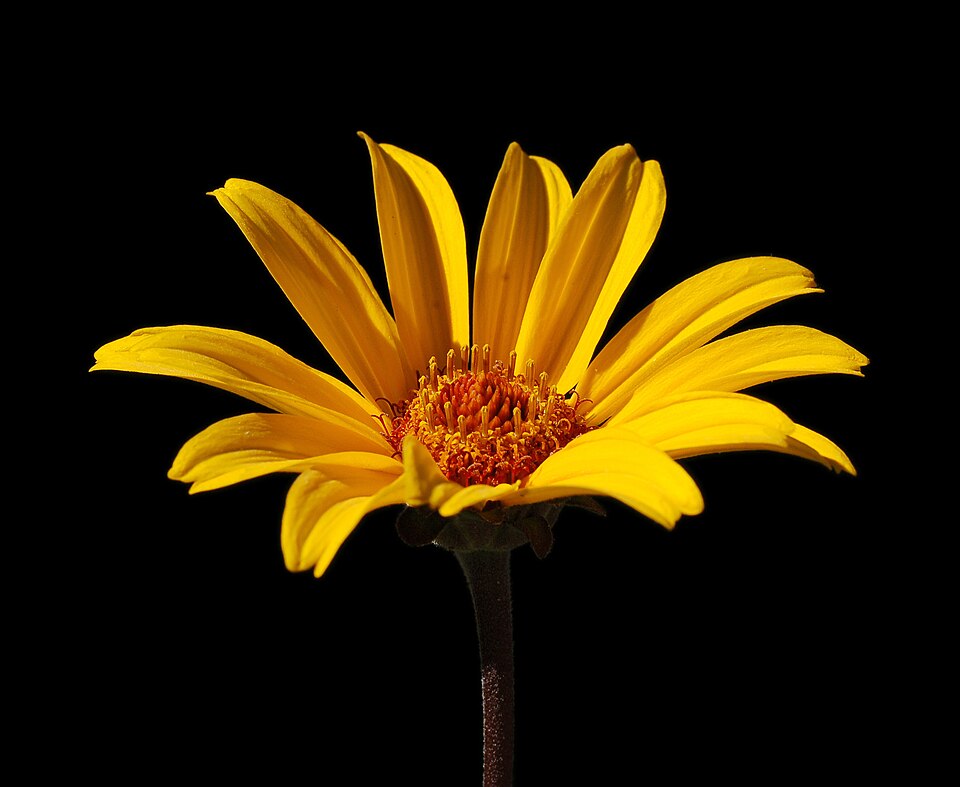
Heliopsis helianthoides, widely recognized as false sunflower or perennial sunflower, is a resilient herbaceous perennial indigenous to North America. Its natural habitat spans extensively across the central and eastern regions of the United States and into parts of Canada. As a prominent member of the vast Asteraceae family, which also encompasses true sunflowers, daisies, and asters, it strikingly mirrors the bloom structure of its namesake, hence its common designation. This robust plant typically achieves a stature of 2 to 5 feet (0.6 to 1.5 meters), characterized by sturdy, often branching stems.
Its leaves are ovate to lance-shaped, oppositely arranged along the stem, and possess a somewhat rough texture, a common trait within the Asteraceae family. The plant's most captivating attribute is its abundant and prolonged floral display, gracing gardens from mid-summer through the fall. It produces a profusion of daisy-like flower heads, each typically measuring 2 to 4 inches (5 to 10 cm) in diameter. The classic variety showcases bright yellow ray florets encircling a central, cone-shaped cluster of fertile disk florets, usually yellow or brownish-yellow.
This vivid coloration not only enhances garden aesthetics but also serves as a powerful attractant for a diverse array of pollinators, including bees, butterflies, and other beneficial insects, thereby significantly bolstering garden ecosystems. Numerous cultivars exist, offering variations in flower color, such as shades of orange and red, alongside differences in plant habit and height, making it highly versatile for various landscaping applications. Heliopsis helianthoides is highly valued for its adaptability, thriving in a broad spectrum of soil types, though it exhibits a preference for well-drained conditions. It demonstrates considerable drought tolerance once established and flourishes in full sun to partial shade, cementing its status as a versatile and impactful choice for sustained visual appeal throughout the warmer months.
Trusted Scientific References
1. Authoritative external sources for Heliopsis helianthoides
1.1 Wikipedia — Heliopsis helianthoides
1.2 Kew POWO (Plants of the World Online)
1.3 PubMed — peer-reviewed research
1.4 NCBI Taxonomy Browser
1.5 GBIF — Global Biodiversity
1.1.Heliopsis Helianthoides — Highlights
- ✓Botanical Name — Heliopsis helianthoides, commonly known as False Sunflower or Oxeye Sunflower.
- ✓Family — Asteraceae, a vast and diverse plant family that includes true sunflowers and daisies.
- ✓Native Range — Indigenous to central and eastern North America, spanning much of the United States and parts of Canada.
- ✓Growth Habit — An herbaceous perennial, typically growing to a height of 2-5 feet with sturdy, often branching stems.
- ✓Floral Display — Produces abundant, long-lasting bright yellow, daisy-like flowers, 2-4 inches in diameter, from mid-summer through fall.
- ✓Pollinator Magnet — Highly attractive to a wide array of pollinators, including bees, butterflies, and other beneficial insects, supporting ecosystem health.
- ✓Cultivation Ease — Notably adaptable and low-maintenance, it is drought-tolerant once established and prefers full sun in well-drained soil.
- ✓Traditional Uses — Historically employed by some Native American tribes for its potential diuretic effects and to help reduce fevers.
- ✓Phytochemical Profile — Contains beneficial compounds such as flavonoids, phenolic acids, and carotenoids, contributing to its potential antioxidant properties.
- ✓Ornamental Value — Highly prized in landscaping for its cheerful, persistent blooms and robust nature, providing sustained visual impact.
1.2.Heliopsis Helianthoides — In Brief
- ✓Heliopsis helianthoides, commonly known as false sunflower or oxeye sunflower, is a vibrant North American native perennial in the Asteraceae family.
- ✓It is cherished for its abundant, bright yellow, daisy-like flowers that bloom continuously from mid-summer through fall, attracting diverse pollinators.
- ✓Historically, some Native American tribes utilized this plant for its traditional diuretic and fever-reducing properties.
- ✓Its phytochemical profile suggests the presence of beneficial compounds like flavonoids, phenolic acids, and carotenoids, indicating potential antioxidant and anti-inflammatory activity.
- ✓This highly adaptable ornamental plant thrives with minimal care in full sun and well-drained soils, making it a resilient addition to gardens in USDA zones 3-9.
2.Heliopsis Helianthoides — Nomenclature & Classification
3.Heliopsis Helianthoides — Vital Statistics
4.Heliopsis Helianthoides — Physical Description
5.Heliopsis Helianthoides — Native Range & Habitat
6.Heliopsis Helianthoides — Traditional Uses
7.Heliopsis Helianthoides — Key Phytochemicals
- ✓Flavonoids — Compounds like quercetin, kaempferol, and their various glycosides, known for potent antioxidant, anti-inflammatory, and potential anticancer properties.
- ✓Phenolic Acids — Includes caffeic acid, chlorogenic acid, and ferulic acid, which contribute significantly to the plant's antioxidant and antimicrobial activities.
- ✓Sesquiterpene Lactones — While specific compounds for Heliopsis are less extensively documented, these are characteristic of the Asteraceae family, often exhibiting anti-inflammatory and cytotoxic effects.
- ✓Triterpenes — Such as oleanolic acid and ursolic acid, frequently associated with anti-inflammatory actions and hepatoprotective benefits in various plants.
- ✓Carotenoids — Beta-carotene, lutein, and zeaxanthin are responsible for the vibrant yellow coloration, acting as powerful antioxidants crucial for cellular protection and visual health.
- ✓Saponins — Glycosides that can possess expectorant, anti-inflammatory, and immune-modulating properties, contributing to general well-being.
- ✓Volatile Oils — Present in trace amounts, these essential oils may contribute to the plant's subtle aroma and could offer mild antimicrobial or insect-repellent qualities.
- ✓Polysaccharides — Complex carbohydrates that can exert immune-stimulating and prebiotic effects, supporting gut health and overall immune function.
- ✓Alkaloids — Although not a primary class, some Asteraceae species contain trace alkaloids, which can exhibit diverse pharmacological activities.
8.Heliopsis Helianthoides — Evidence-Based Benefits
- ✓Diuretic Properties — Traditionally, some Native American tribes utilized Heliopsis helianthoides for its potential diuretic effects, aiding in the excretion of excess fluids and supporting kidney function.
- ✓Fever Reduction — Historical accounts suggest its use in indigenous medicine for alleviating fevers, possibly due to compounds that might possess antipyretic qualities.
- ✓Anti-inflammatory Support — Like many Asteraceae plants, Heliopsis helianthoides is believed to contain compounds such as flavonoids and phenolics that could help modulate inflammatory responses in the body.
- ✓Antioxidant Activity — Rich in pigments and polyphenols, the plant likely offers antioxidant benefits, combating oxidative stress and protecting cellular integrity.
- ✓Skin Soothing — While not widely documented, the presence of certain plant acids or mucilages could hypothetically offer mild soothing effects for minor skin irritations when applied topically.
- ✓General Tonic (Traditional) — In some traditional contexts, plants with a broad phytochemical profile are considered general tonics, supporting overall vitality and well-being.
- ✓Supports Digestive Health — Although specific mechanisms are not clear, some Asteraceae members are known to aid digestion, suggesting a potential, albeit mild, role for Heliopsis in supporting gastrointestinal comfort.
- ✓Respiratory Comfort — A general property of some herbal remedies, certain plant compounds might offer mild benefits for respiratory passages, though specific evidence for Heliopsis is limited.
8.1.Heliopsis Helianthoides — Indications & Uses
9.Heliopsis Helianthoides — Safety & Side Effects
9.1.Heliopsis Helianthoides — Caution Notes
- ✓Allergic Reactions — Individuals with known sensitivities to plants in the Asteraceae family (e.g., ragweed, marigolds, chamomile) may experience allergic contact dermatitis or respiratory symptoms.
- ✓Gastrointestinal Upset — Ingesting large quantities of plant material or concentrated extracts might potentially lead to mild stomach discomfort, nausea, or diarrhea in sensitive individuals.
- ✓Photosensitivity — While uncommon for Heliopsis, some compounds within the Asteraceae family can rarely induce photosensitivity, increasing skin's susceptibility to sunburn.
- ✓Drug Interactions — As with many herbal remedies, there is a theoretical risk of interaction with prescription medications, particularly blood thinners or immunosuppressants.
- ✓Skin Irritation — Direct contact with the plant sap or foliage may cause mild skin irritation or rash in highly sensitive individuals, though generally considered non-toxic.
9.2.Heliopsis Helianthoides — Risk Assessment
- ✓Pregnancy and Lactation — Due to the absence of sufficient safety data, use of Heliopsis helianthoides during pregnancy and breastfeeding is generally discouraged without professional medical advice.
- ✓Allergic Individuals — Individuals with known allergies to other Asteraceae family members should exercise caution and perform a patch test before extensive topical or internal use.
- ✓Children — The safety profile of Heliopsis helianthoides has not been established for use in infants or young children; consultation with a pediatrician is recommended prior to any administration.
- ✓Chronic Conditions — Persons with pre-existing medical conditions, especially liver or kidney disorders, should consult a healthcare professional before incorporating this plant into their health regimen.
- ✓Dosage — Adherence to recommended dosages for any prepared remedies is crucial; excessive consumption may increase the likelihood of experiencing adverse effects.
- ✓External Use — While generally considered safe for topical application, discontinue use if any irritation, redness, or allergic reaction occurs, and avoid applying to broken or compromised skin.
10.Heliopsis Helianthoides — Preparations & Uses
- ✓Herbal Tea (Infusion) — Dried leaves and flowers can be steeped in hot water to create an infusion, traditionally consumed for its potential diuretic or febrifuge properties.
- ✓Tincture — Fresh or dried plant material can be macerated in alcohol to extract beneficial compounds, yielding a concentrated liquid extract suitable for internal administration.
- ✓Poultice — Crushed fresh leaves or flower heads might be applied topically as a poultice to soothe minor skin irritations, though specific traditional practices are limited.
- ✓Decoction — If the roots or tougher stems are utilized for their medicinal value, they can be simmered in water to create a decoction, potentially offering stronger systemic effects.
- ✓External Wash — A concentrated infusion or decoction can be prepared and used as an external wash for minor skin blemishes, or as a soothing compress for localized discomfort.
- ✓Glycerite — For individuals who prefer non-alcoholic preparations, a glycerite can be created by infusing plant material in vegetable glycerin, producing a sweet, liquid extract.
11.Heliopsis Helianthoides — Garden Cultivation
- ✓Sun Exposure — Thrives best in full sun, requiring at least 4-5 hours of direct sunlight daily to ensure vigorous growth and prolific blooming; light shade may lead to leggy stems.
- ✓Soil Requirements — Highly adaptable to a variety of soil types, including poor, rocky, sandy, or clay soils, but performs optimally in average, well-draining loam with a neutral pH.
- ✓Watering Practices — While drought-tolerant once established, regular watering to maintain moderately moist soil is beneficial, especially during prolonged dry periods.
- ✓Fertilization — Generally requires minimal to no fertilization; overly rich soil can promote excessive foliage at the expense of flowers and lead to leggy growth.
- ✓Pruning and Deadheading — Pinch stem tips in spring to encourage bushier growth; deadhead spent flowers throughout the blooming season to stimulate continuous bud production. Prune back to about 2 inches in late fall or early spring.
- ✓Propagation — Can be propagated effectively by seed (started indoors 4-6 weeks before the last frost or direct-sown in mid-to-late August) or by dividing clumps every 2-3 years in spring or fall to rejuvenate the plant.
- ✓Hardiness Zones — A cold-hardy perennial reliably returning in USDA growing zones 3-9, with some cultivars demonstrating good heat tolerance for warmer climates.
Reviewed by the Flora Medical Global Botanical Review Panel
Multi-disciplinary editorial group · Botany · Ethnobotany · Herbal-medicine literature
Who reviewed this: This page was checked by the Flora Medical Global Botanical Review Panel — an in-house editorial group of botany graduates, ethnobotany researchers, and horticulture practitioners who collectively maintain our 7,000+ plant encyclopedia. Meet the team.
Our 4-step verification process
1. Taxonomic verification
Scientific names and synonyms cross-checked against Kew POWO, World Flora Online, and The Plant List.
2. Phytochemical & medicinal cross-reference
Active compounds, traditional uses, and reported activities are cross-referenced with PubMed, USDA Dr. Duke's database, and peer-reviewed ethnobotanical literature.
3. Conservation & distribution check
Distribution, ecology, and conservation status confirmed against GBIF occurrence records and the IUCN Red List.
4. Editorial & safety review
Every entry passes an editorial pass for clarity, originality, and safety notices (toxicity, contraindications, dosage caveats) before publication.
Last reviewed:
Important medical disclaimer: This content is for educational and research purposes only. It is not medical advice and is not a substitute for consultation with a licensed healthcare provider. Do not use any herb to self-treat a medical condition without professional guidance.
Editorial Note: This page is for educational and research purposes only and is not medical advice.
Written by: Flora Medical Global Editorial Team
Reviewed by: Flora Medical Global Botanical Review Panel
Last Updated: June 15, 2026





Heliopsis Helianthoides — Comments & Community Reviews
Rate this plant